
Shop by Finish
Copper Lighting
Warm copper and rose-gold fittings. A finish that develops character with age and brings warmth to cool rooms.
Filters
11 items
Sort Most relevant
-
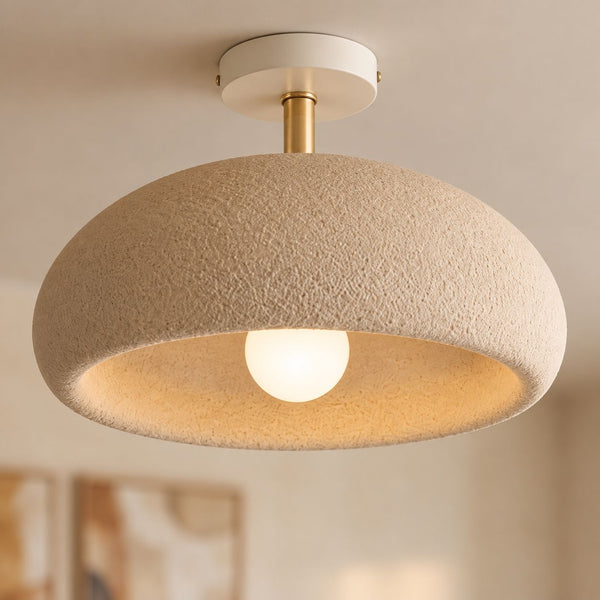
CEILING LIGHTS
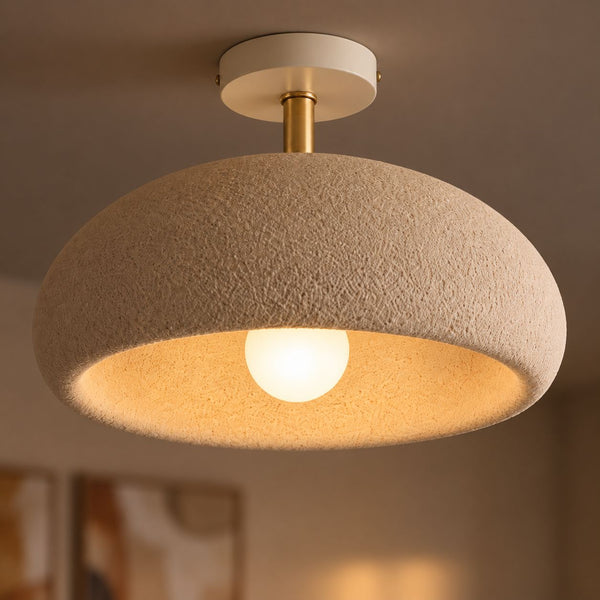
Zola Terrazzo-Effect Ceiling Light — Sand Beige & Rose Gold
2 coloursSand beige and rose goldE271 lampholder£105In stockView product → -
Signature Signature Small runs, real materials, made to order. The top of the Enso range.
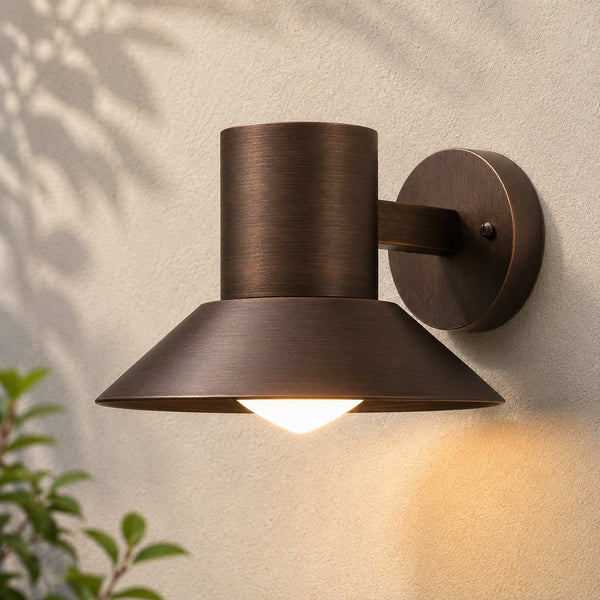
OUTDOOR LIGHTING
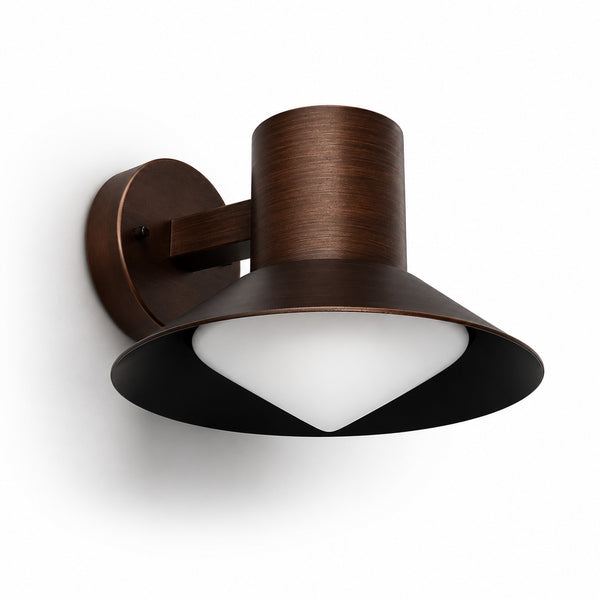
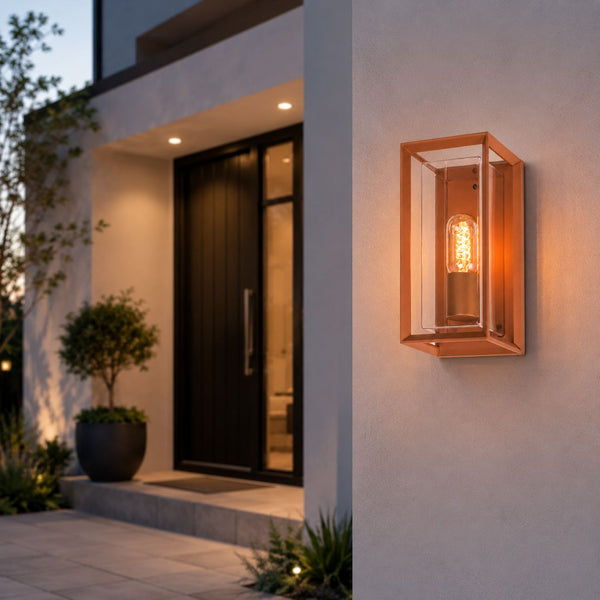
Venice Outdoor Wall Light — Antique Copper Look, IP44
Made in Denmark
Antique CopperE27 ES1 lampholder£85In stockView product → -
2 sizes
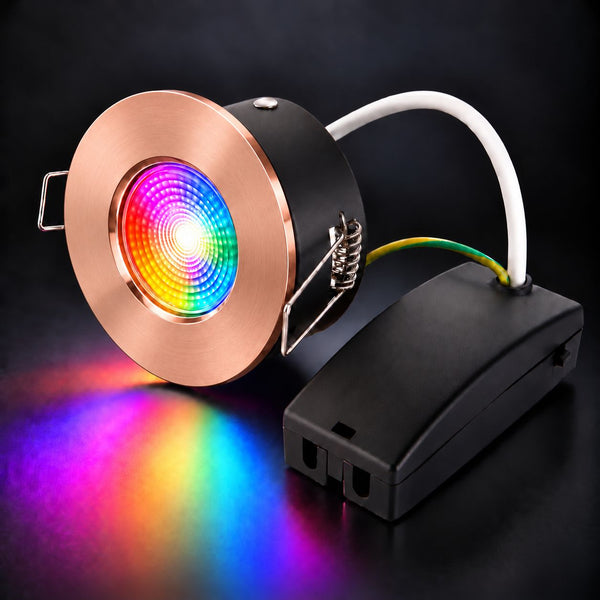
DOWNLIGHTS
Creo Smart RGB Fire Rated Downlight — Copper, IP20
6 coloursCopperGU101 lampholderFrom £19In stockView product → -
2 sizes
DOWNLIGHTS
Creo Smart RGB Fire Rated Downlight — Copper, IP65
6 coloursCopperGU101 lampholderFrom £24In stockView product → -
For your first order
10% off your first light
Leave your email and the code arrives straight away.
Then a short email most weeks. Unsubscribe any time. Privacy policy
Thank you
Your 10% code is on its way to your inbox. Any light, 30 days, no minimum.
-
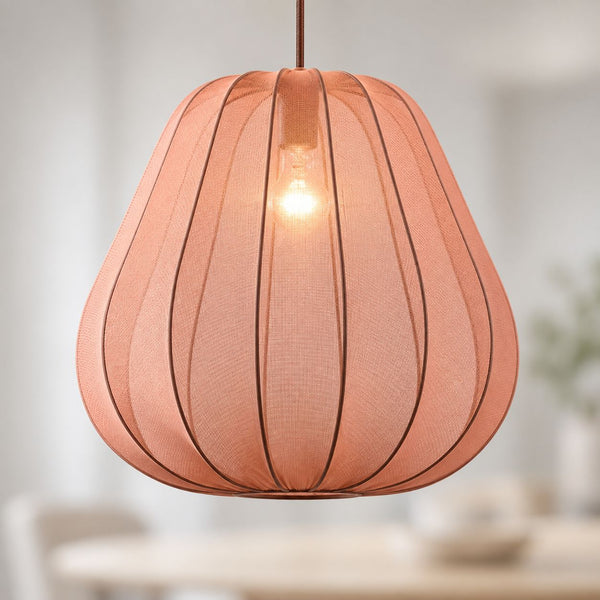
PENDANT LIGHTS
Piera Fabric Pendant Light — Terracotta Pink, 45 cm
Terracotta pink with copper accentsE271 lampholder£175In stockView product → -

CEILING LIGHTS
Amaro Fabric Ceiling Light — Terracotta Pink, 50 cm
2 coloursTerracotta pink with copper-coloured detailsE271 lampholder£160In stockView product → -
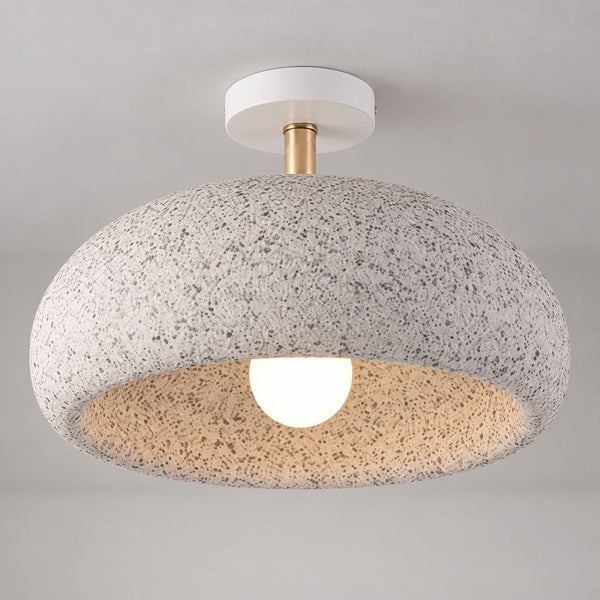
CEILING LIGHTS
Zola Terrazzo-Effect Ceiling Light — White & Rose Gold
2 coloursWhite terrazzo and rose goldE271 lampholder£105In stockView product → -

PENDANT LIGHTS
Amaro Fabric Pendant Light — Terracotta Pink, 50 cm
Terracotta pink with copper-coloured detailsE271 lampholder£160In stockView product → -
2 sizes
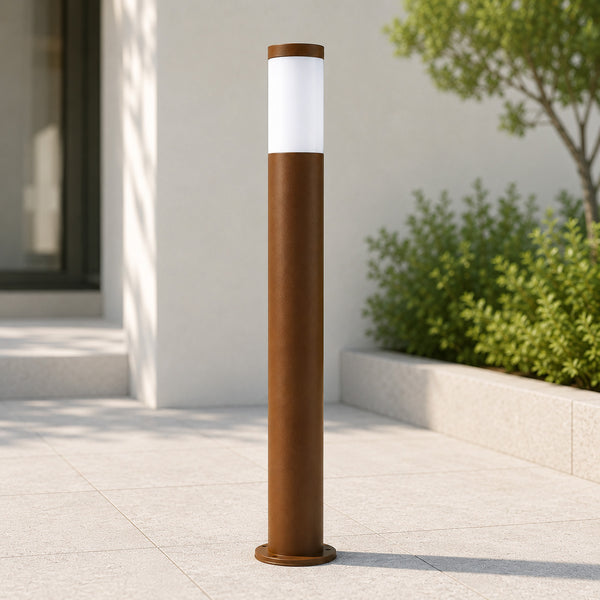
OUTDOOR LIGHTING
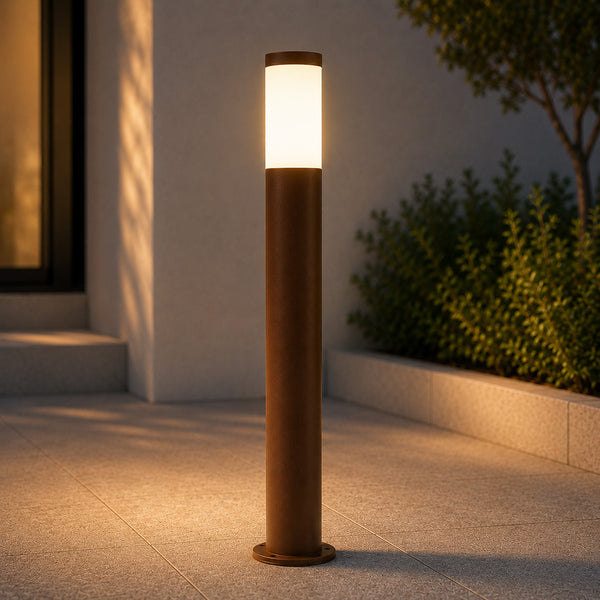
Tokyo Outdoor Path Light — Bronze
2 coloursBronzeE27 ES1 lampholderFrom £63In stockView product → -
2 sizes
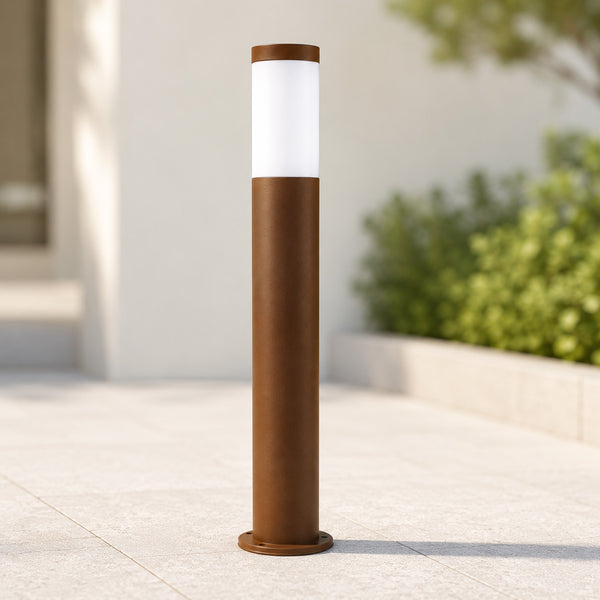
OUTDOOR LIGHTING
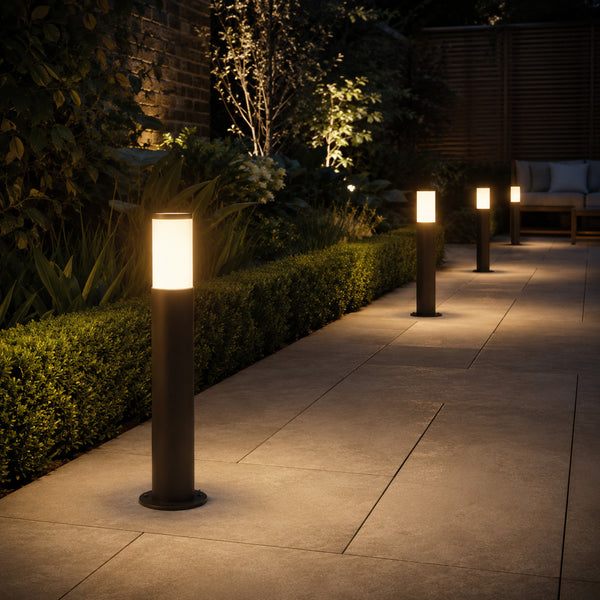
Tokyo Outdoor Path Light — Bronze
2 coloursBronzeE27 ES1 lampholderFrom £63In stockView product → -
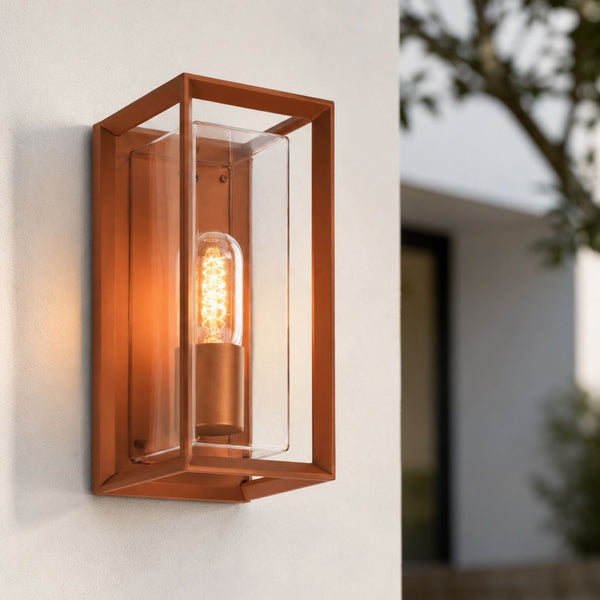
OUTDOOR LIGHTING
Galway Industrial Outdoor Box Wall Lantern — Glass, Rust Brown
Rust brownE27 ES1 lampholder£90In stockView product →


Buying Guide
Frequently Asked Questions
Does copper lighting tarnish or change colour over time?
Yes, natural copper finishes will develop a patina and darken over time when exposed to air and moisture, which many consider part of their charm. Lacquered copper finishes are sealed to maintain their original bright appearance and won't tarnish. If you prefer the original look, you can polish unlacquered copper with a specialist copper cleaner, though most homeowners embrace the aged patina as it adds character.
What colours and styles work well with copper light fittings?
Copper pairs beautifully with deep blues, greens, greys, and white walls, creating warm contrast in both contemporary and industrial interiors. It complements natural materials like wood, marble, and concrete, and mixes well with matte black ironwork or brass accents for a layered metallic look. Avoid pairing shiny copper with chrome or polished nickel as the different metal tones can clash.
Can I use LED bulbs with copper light fittings?
Yes, LED bulbs work perfectly with copper fittings and are recommended as they produce less heat than traditional bulbs, which helps preserve any lacquer coating. Most copper fittings use standard E27 or E14 screw or bayonet caps, so you'll have full choice of LED options including smart bulbs. Check the maximum wattage rating on the fitting (typically 40-60W for pendants) and choose LED equivalents that stay within this limit.
Are copper light fittings suitable for bathrooms?
Copper fittings can be used in bathrooms provided they meet the required IP rating for the bathroom zone where they'll be installed. Zone 1 (above the bath/shower) requires IP44 minimum, while Zone 2 (within 60cm of water sources) needs IP44, and outside zones typically require IP20. Any bathroom electrical work must comply with Part P Building Regulations and should be installed by a qualified electrician or notified to Building Control.
How do I clean and maintain copper lighting without damaging the finish?
For lacquered copper, simply dust regularly and wipe with a soft, slightly damp cloth—avoid abrasive cleaners that can damage the protective coating. Unlacquered copper can be cleaned with specialist copper polish or a paste of lemon juice and salt if you want to restore shine, though many prefer to let the natural patina develop. Always ensure the light is switched off and cool before cleaning, and never use harsh chemicals or scouring pads on any copper finish.
Can copper pendant lights be used with dimmer switches?
Copper fittings themselves are compatible with dimmers, but you must ensure both your dimmer switch and your bulbs are dimmable—standard LED bulbs often aren't. Use LED-compatible trailing edge dimmers and specifically marked dimmable LED bulbs to avoid flickering, buzzing, or reduced bulb lifespan. If installing a new dimmer circuit, this is notifiable electrical work under Part P and requires a qualified electrician.
Is copper lighting a passing trend or a long-term choice?
While copper gained popularity as a trend around 2015, it has proven staying power as a warm metallic alternative to chrome and nickel, particularly in industrial and Scandi-style interiors. The finish's ability to age and develop character means it suits both contemporary and vintage aesthetics. For longevity, choose classic shapes rather than overly trendy designs, and consider that copper's warm tones are more versatile than rose gold which dates more quickly.