
Portable Lighting
Table Lamps
Side tables, console tops and reading nooks. Lamps that bring warm pools of light into the layered glow of a well-lit room.
Filters
20 items
Sort Featured
-
Signature Signature Small runs, real materials, made to order. The top of the Enso range.
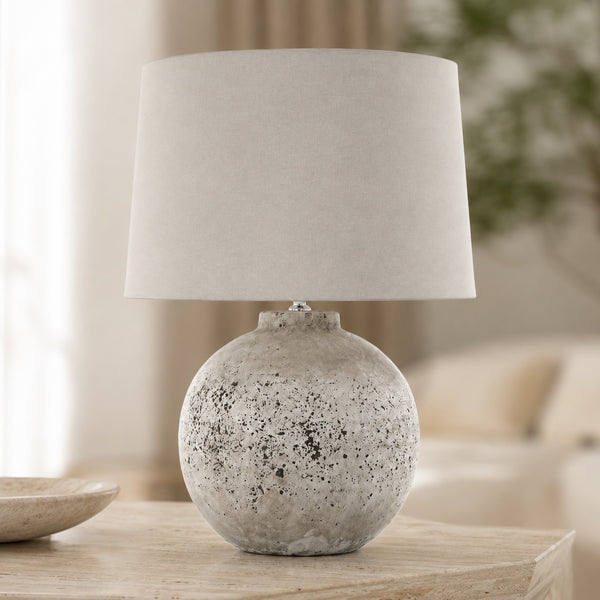
TABLE LAMPS
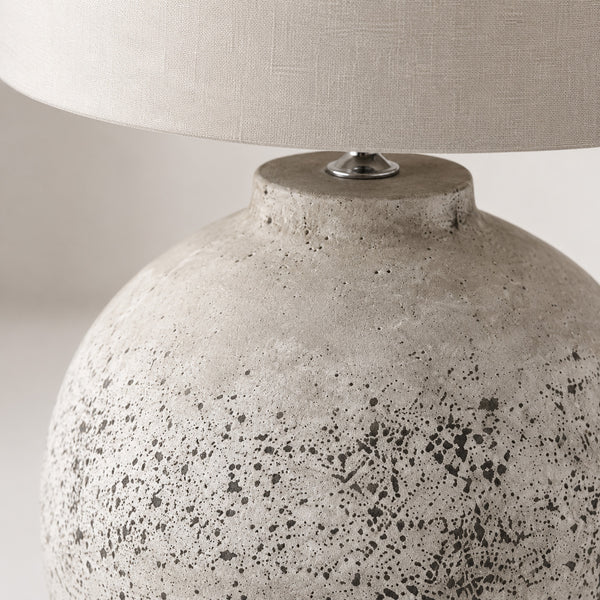
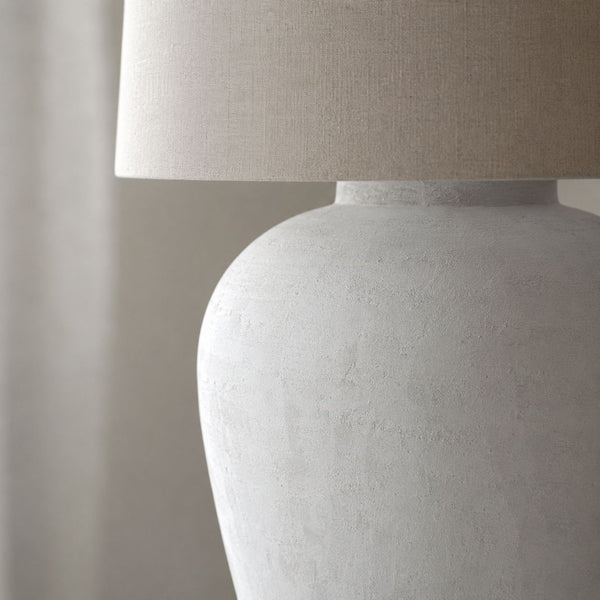
Tiber Stone Table Lamp — Flecked Stone, Large
Made in United Kingdom
Flecked Stone£215In stockView product → -
Signature Signature Small runs, real materials, made to order. The top of the Enso range.
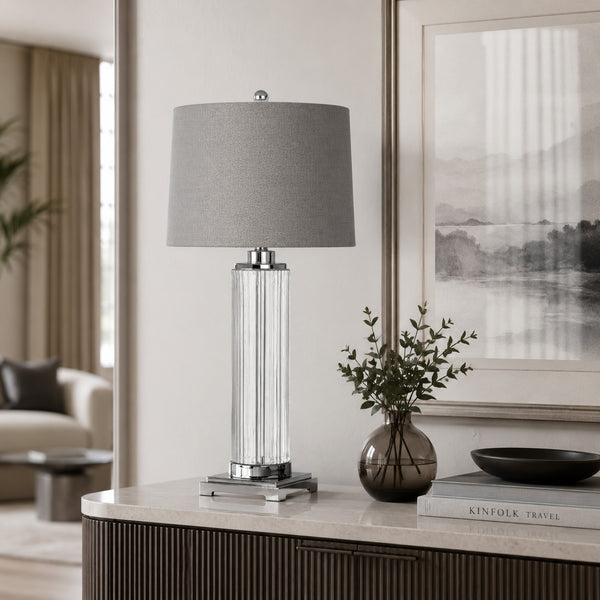
TABLE LAMPS
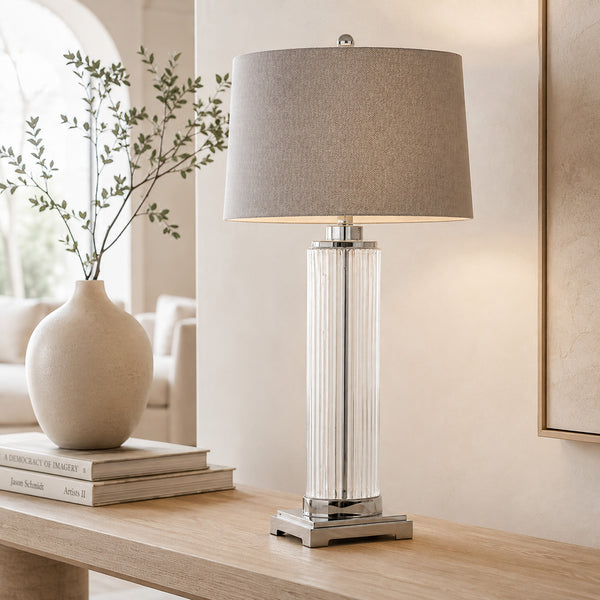
Roma Glass Table Lamp — Fluted Glass & Chrome, Herringbone Shade
Made in United Kingdom
Clear & ChromeE27 ES1 lampholder£260In stockView product → -
Signature Signature Small runs, real materials, made to order. The top of the Enso range.
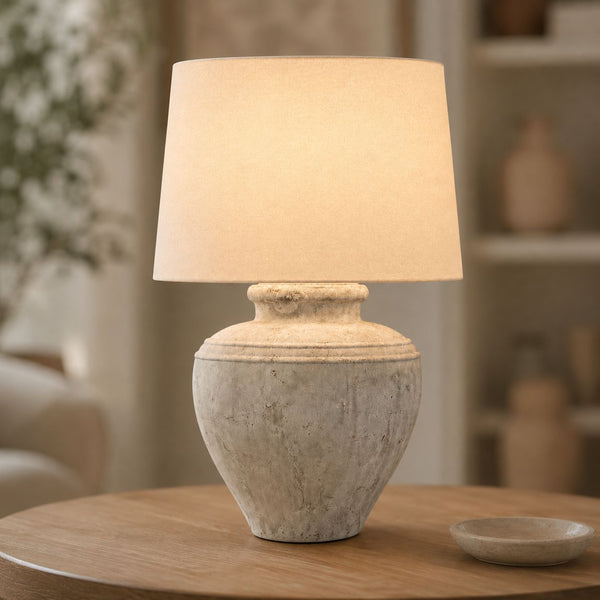
TABLE LAMPS
Darcy Chorus Table Lamp — Antique White
Made in United Kingdom
Antique White£205In stockView product → -
Signature Signature Small runs, real materials, made to order. The top of the Enso range.
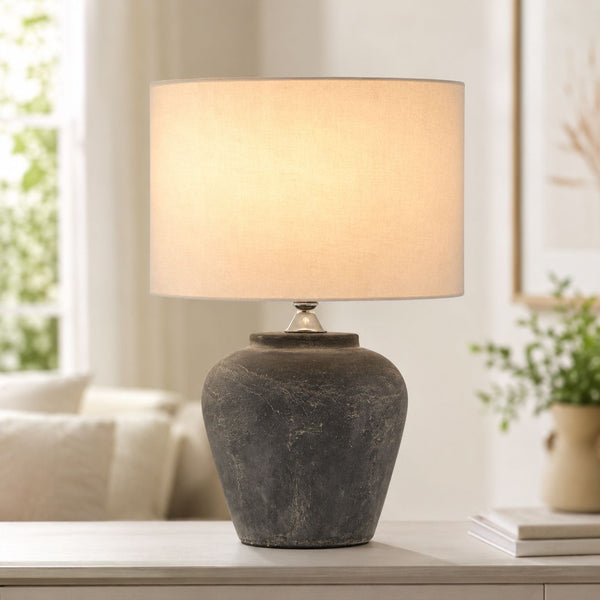
TABLE LAMPS
Amalfi Table Lamp — Grey, Linen Shade
Made in United Kingdom
Grey£140In stockView product → -
For your first order
10% off your first light
Leave your email and the code arrives straight away.
Then a short email most weeks. Unsubscribe any time. Privacy policy
Thank you
Your 10% code is on its way to your inbox. Any light, 30 days, no minimum.
-
Signature Signature Small runs, real materials, made to order. The top of the Enso range.
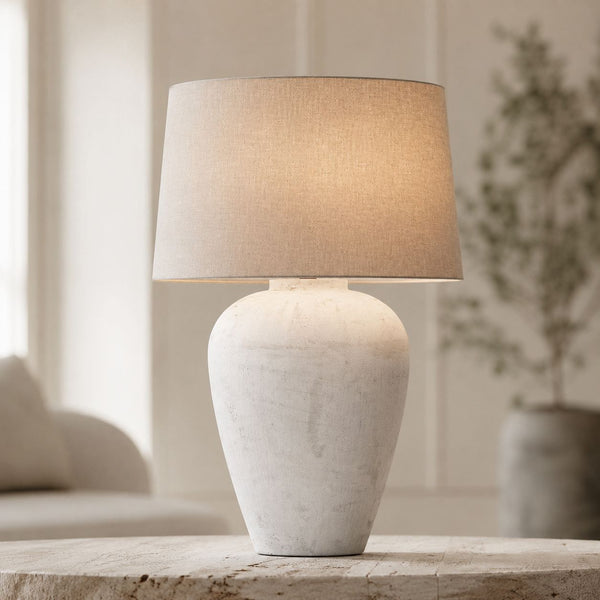
TABLE LAMPS
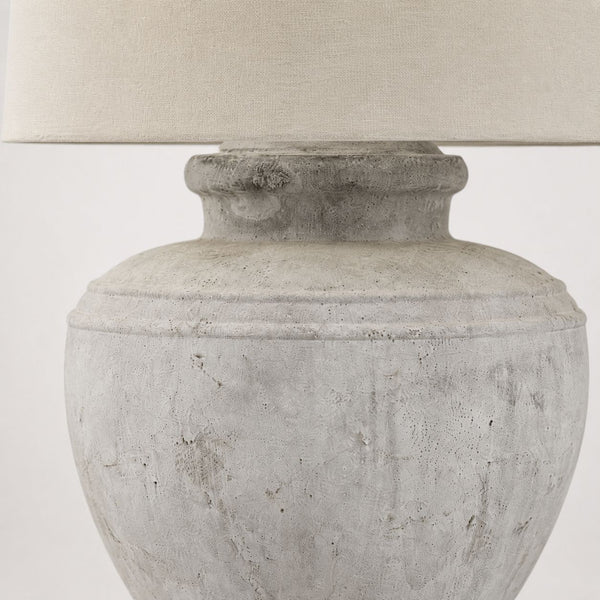
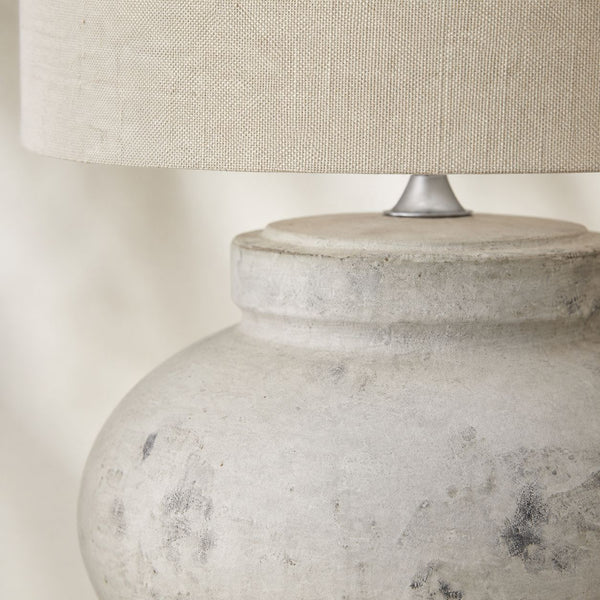
Athena Aged Stone Table Lamp — Tall, Linen Shade
Made in United Kingdom
Aged Stone£270In stockView product → -
Signature Signature Small runs, real materials, made to order. The top of the Enso range.
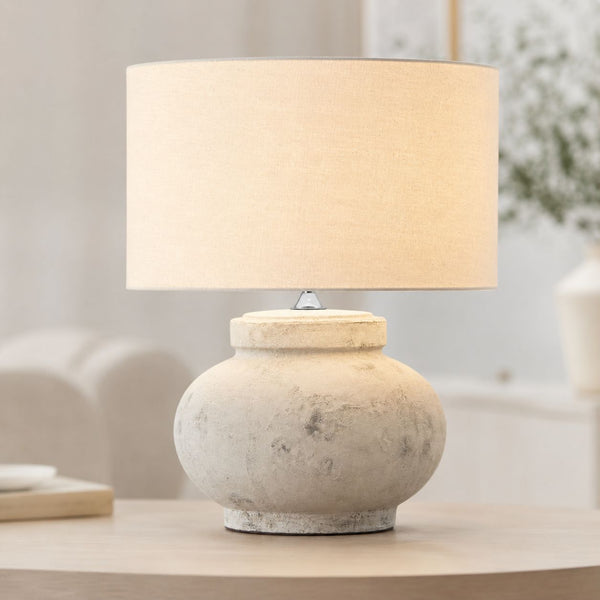
TABLE LAMPS
Darcy Squat Table Lamp — Antique White, Linen Shade
Made in United Kingdom
Antique White£190In stockView product → -
Signature Signature Small runs, real materials, made to order. The top of the Enso range.
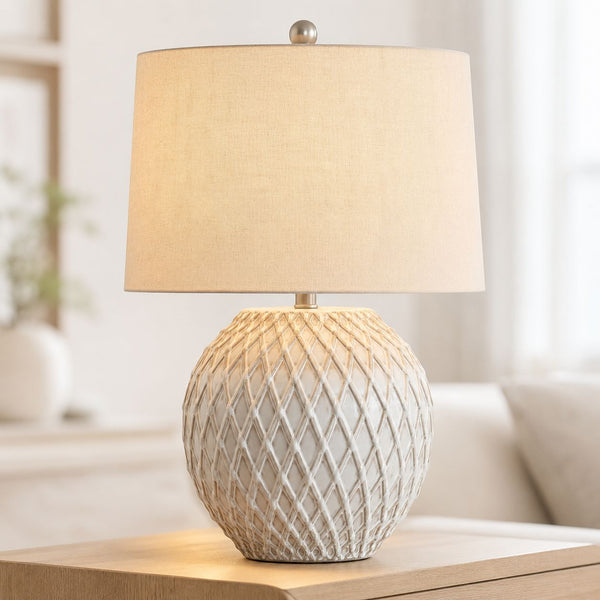
TABLE LAMPS
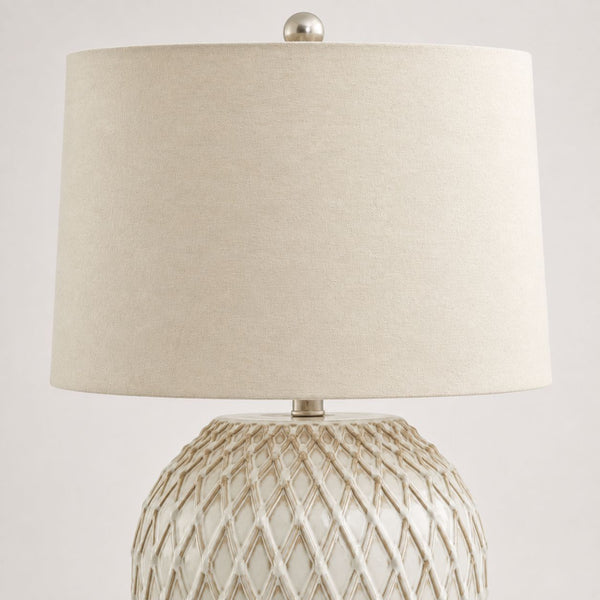
Lattice Ceramic Table Lamp — Cream, Linen Shade
Made in United Kingdom
CreamE27 ES1 lampholder£195In stockView product → -
Signature Signature Small runs, real materials, made to order. The top of the Enso range.
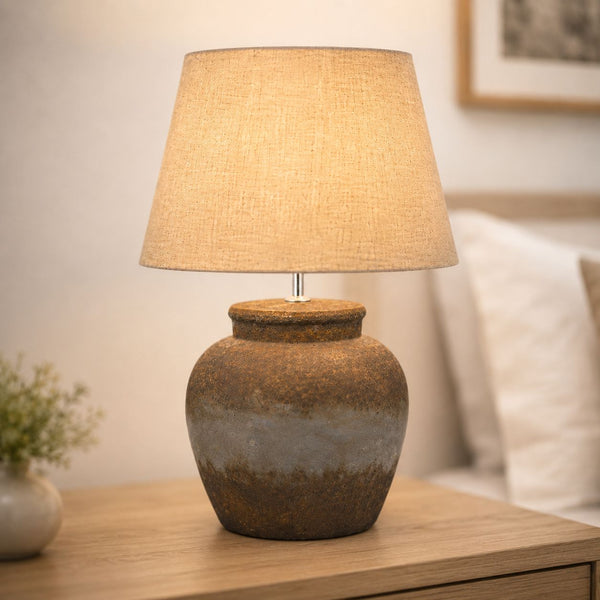
TABLE LAMPS
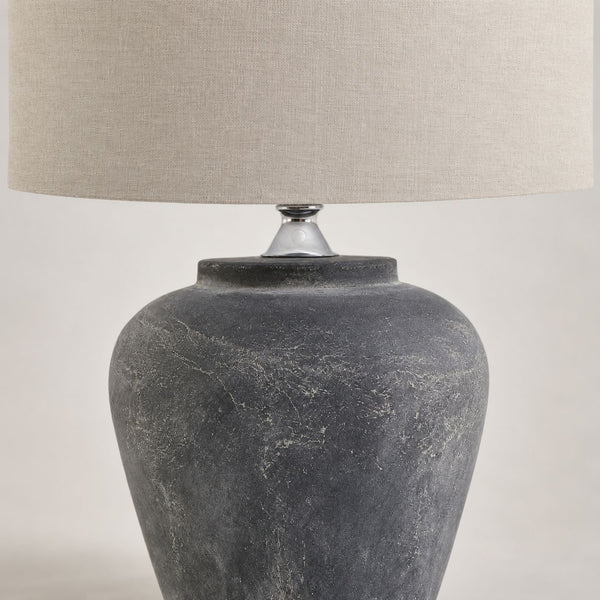
Castello Aged Stone Table Lamp — Hand-Painted
Made in United Kingdom
Aged Stone£225In stockView product → -
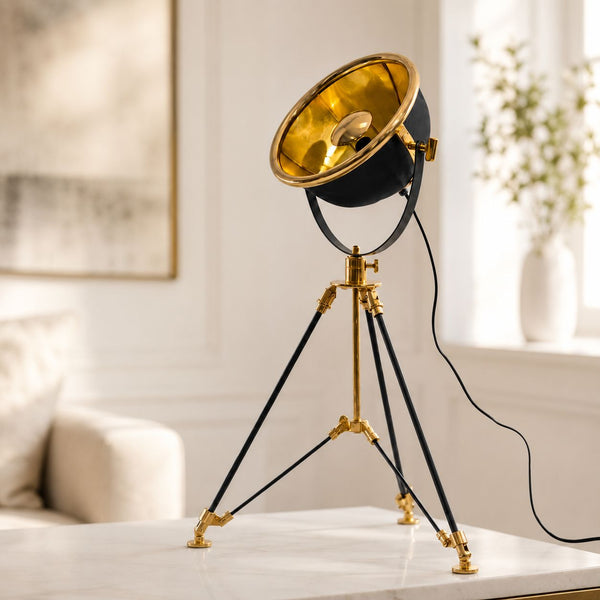
TABLE LAMPS
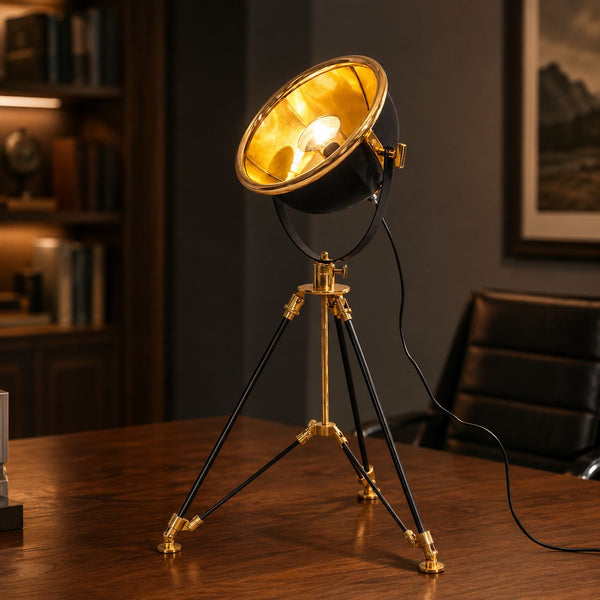
Valen Tripod Table Lamp — Black & Brass, Large
Black & BrassG91 lampholder£215In stockView product → -
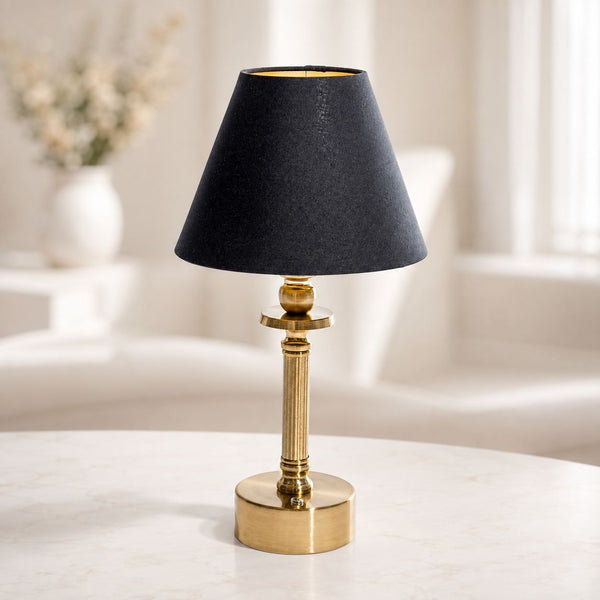
TABLE LAMPS
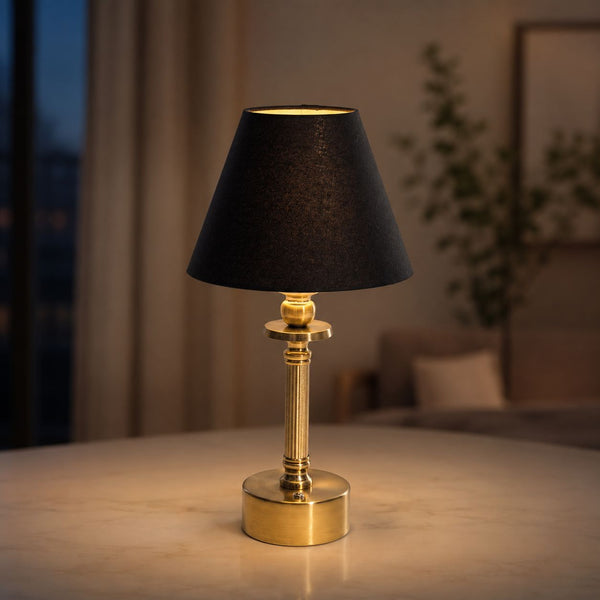
Lira Rechargeable Table Lamp — Brass, Black Shade
2 coloursBrassE14 SES1 lampholder£80In stockView product → -
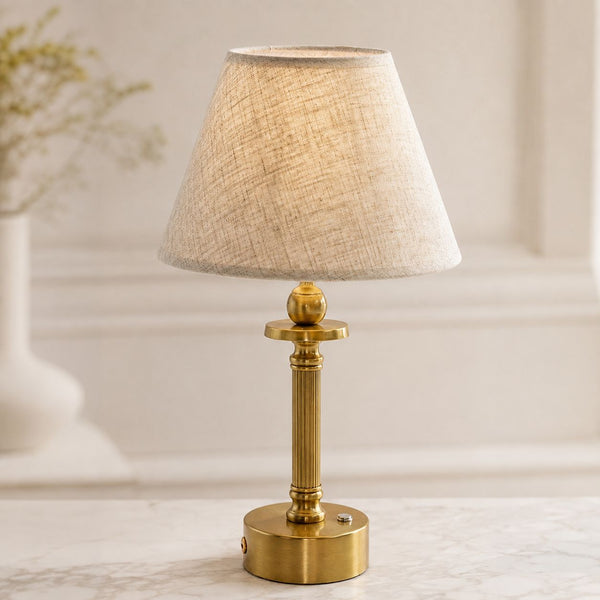
TABLE LAMPS
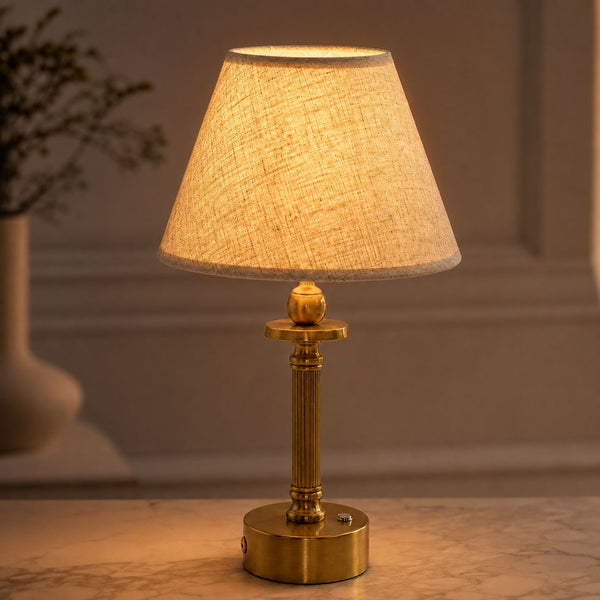
Lira Rechargeable Table Lamp — Brass, Oatmeal Shade
2 coloursBrassE14 SES1 lampholder£80In stockView product → -
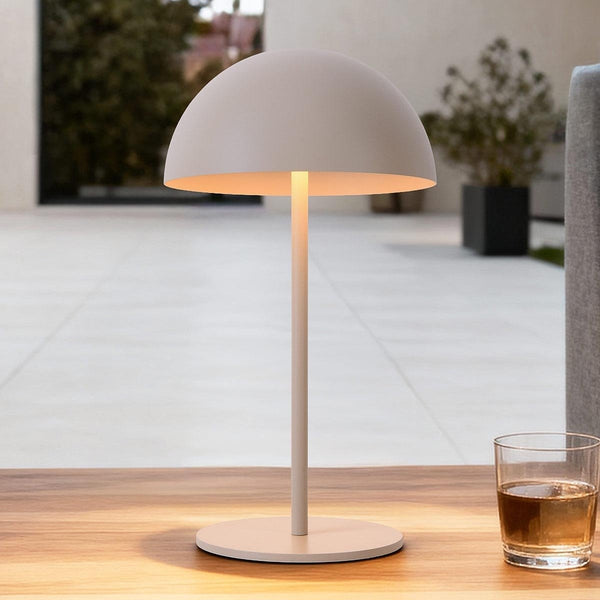
TABLE LAMPS
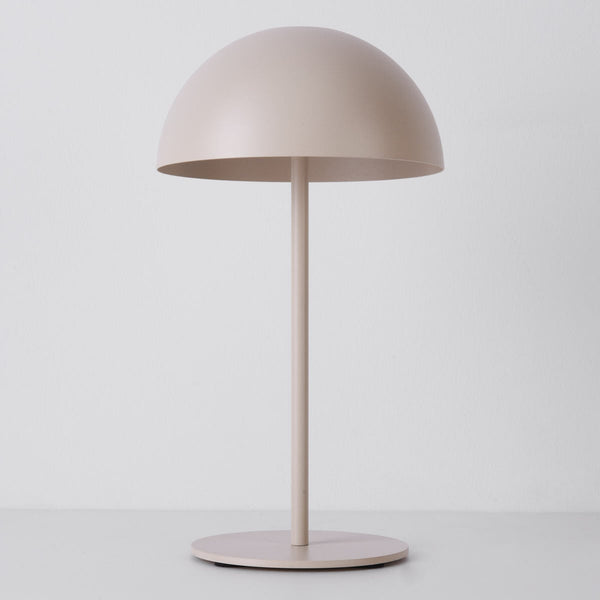
Fungo Rechargeable Mushroom Table Lamp — Beige
Integrated LED£51In stockView product →
Showing 12 of 20
Buying Guide
Frequently Asked Questions
What size table lamp do I need for a bedside table?
For a standard bedside table (40-60cm wide), choose a lamp between 40-60cm tall so the bottom of the shade sits roughly at eye level when you're sitting up in bed. The base should be no more than one-third the width of your table to maintain proportion and leave space for books or a glass of water. If you have unusually tall headboards or lower beds, adjust accordingly so the light source is positioned for comfortable reading.
Can I use smart bulbs in any table lamp?
Most table lamps accept smart bulbs provided the fitting matches (typically E27 or E14 in the UK) and the lamp has a simple on/off switch rather than a built-in dimmer or touch control. Lamps with integrated dimmer switches can conflict with smart bulb electronics and cause flickering or failure. Check the maximum wattage rating on your lamp and ensure your smart bulb's equivalent wattage doesn't exceed it, though LED smart bulbs rarely draw more than 10W actual power.
Do table lamps need to be PAT tested and do they comply with UK electrical regulations?
Table lamps are portable appliances that plug into standard 13A sockets, so they don't require Part P certification or a qualified electrician to install. However, in workplace or rental settings, they should be PAT tested periodically as part of routine electrical safety checks. Always ensure your table lamp carries a CE or UKCA mark and buy from reputable retailers to guarantee compliance with UK plug and wiring standards.
What's the best wattage or lumens for a table lamp?
For ambient lighting in a living room, aim for 400-800 lumens (equivalent to a 40-60W incandescent bulb). Bedside reading lamps need 450-800 lumens directed downwards, whilst desk task lamps benefit from 800-1100 lumens for focused work. Most decorative table lamps accommodate bulbs up to 40-60W equivalent, but always check the maximum rating printed inside the fitting or on the base to avoid overheating.
Can I fit a dimmer switch to a table lamp?
You cannot install an inline dimmer on a table lamp's flex yourself unless you're a qualified electrician, as modifying the wiring could void safety certifications and create a fire risk. Instead, use a dimmable LED bulb with a plug-in dimmer adaptor that sits between the lamp and wall socket, or choose lamps with built-in dimmer switches or touch controls. Always verify your bulbs are marked as 'dimmable' to prevent buzzing or flickering.
How do I stop my table lamp shade from wobbling or sitting crooked?
Wonky shades are usually caused by mismatched shade carriers (the wire frame inside) and bulb holders—European ES (E27) and SES (E14) fittings require different spider or duplex fittings. Check your shade has the correct adapter ring for your lamp's bulb holder and that any set screws or clips are properly tightened. If the harp (the wire arms supporting the shade) is bent, carefully reshape it or replace it, as these are standard parts available at most lighting suppliers.
Where should I position table lamps in a living room for best lighting?
Place table lamps at multiple heights and locations rather than relying on a single overhead light—typically one or two on side tables flanking a sofa, plus one on a console or sideboard in a corner to eliminate shadows. Position them 150-180cm apart for even illumination and ensure shades are at seated eye level (roughly 90-100cm from the floor when on furniture) so light diffuses outward without glare. Layer with floor lamps and wall lights for a balanced lighting scheme that avoids a flat, single-source look.