
Shop by Style
Coastal & Rattan Lighting
Natural fibres, woven shades and salt-air finishes. Light fittings that bring an unhurried, seaside calm.
Shop by type

Filters
5 items
Sort Most relevant
-
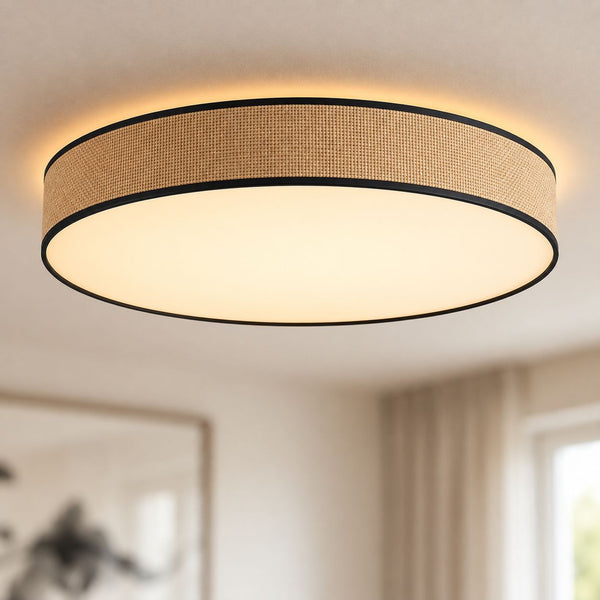
CEILING LIGHTS
Seto Woven Seagrass LED Ceiling Light — Natural & Black, 50 cm
Natural and blackIntegrated LED£115In stockView product → -
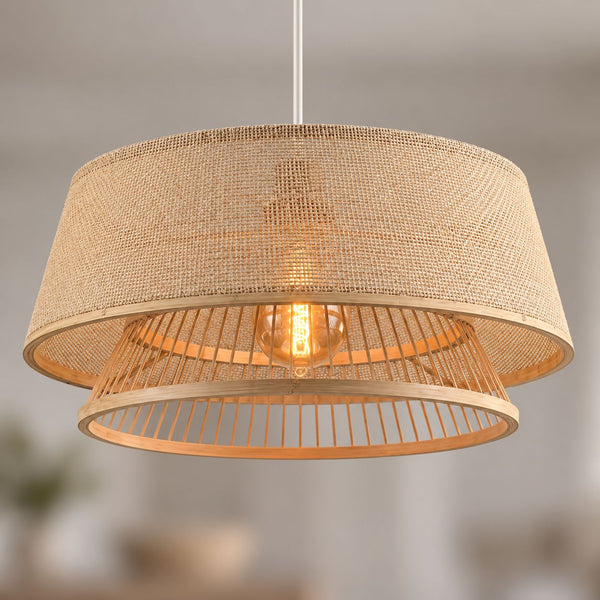
PENDANT LIGHTS
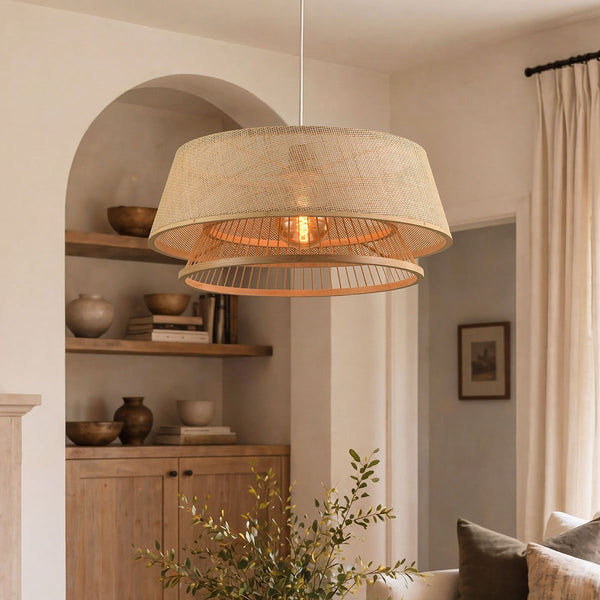
Tamo Woven Bamboo Pendant Light — Natural, 50 cm
White and naturalE271 lampholder£125In stockView product → -
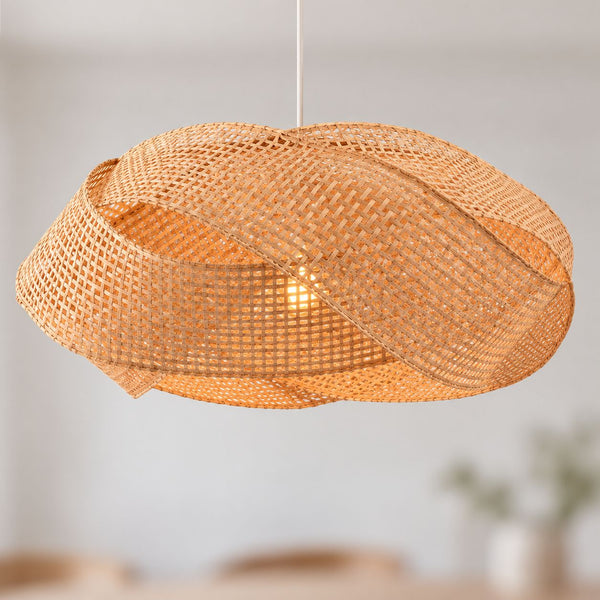
PENDANT LIGHTS
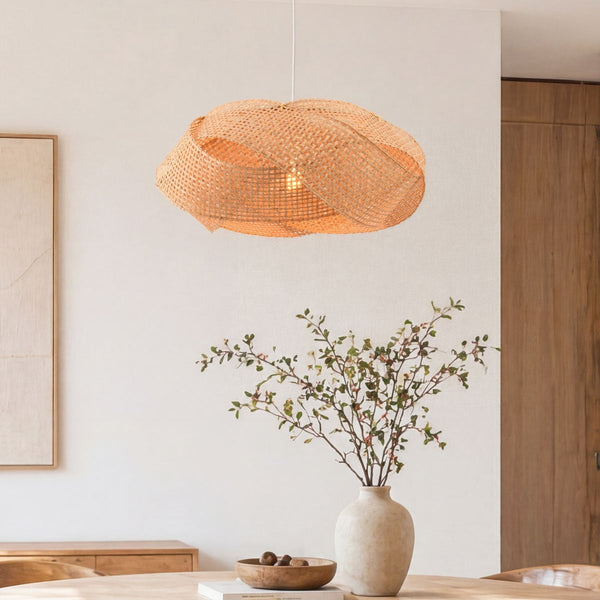
Kumi Woven Bamboo Pendant Light — Natural, 55 cm
White and naturalE271 lampholder£160In stockView product → -
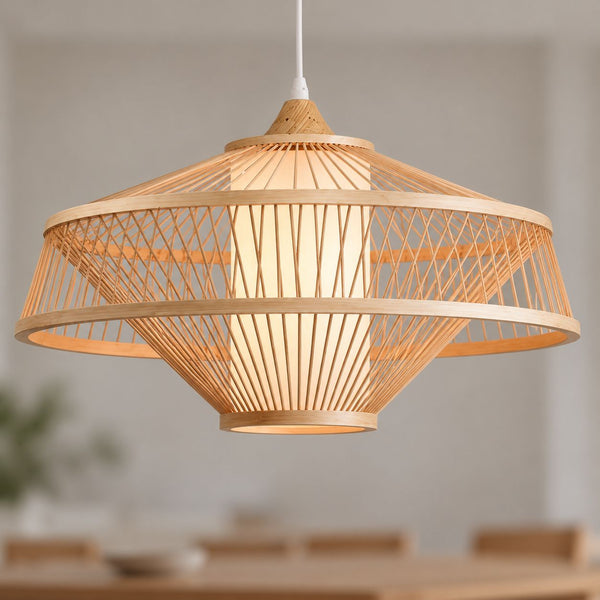
PENDANT LIGHTS
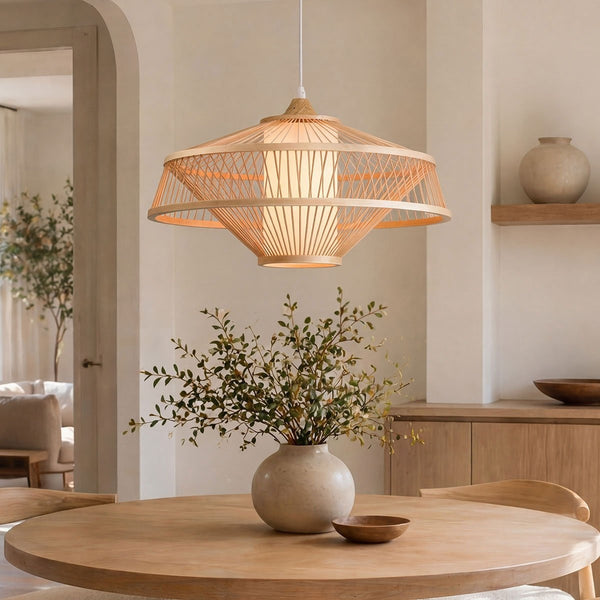
Oki Bamboo Pendant Light — Natural, 50 cm
White and naturalE271 lampholder£125In stockView product → -
For your first order
10% off your first light
Leave your email and the code arrives straight away.
Then a short email most weeks. Unsubscribe any time. Privacy policy
Thank you
Your 10% code is on its way to your inbox. Any light, 30 days, no minimum.
-

PENDANT LIGHTS
Corda Hemp Rope Pendant Light — Natural & Gold
Hemp rope with GoldE271 lampholder£37In stockView product →



Buying Guide
Frequently Asked Questions
What defines authentic coastal and rattan lighting style?
Authentic coastal lighting features natural materials like woven rattan, seagrass, or jute, often in bleached or natural finishes that evoke seaside textures. Look for organic, handwoven shades with visible texture, paired with rope detailing, weathered wood accents, or whitewashed metal frames. The style emphasises light, airy forms that create dappled shadow patterns rather than heavy, ornate designs.
Can I mix coastal rattan lighting with modern or industrial styles?
Rattan coastal fixtures work surprisingly well with modern minimalist and industrial styles when you maintain a neutral colour palette. Pair natural rattan pendants with matte black or brushed metal fixtures, or combine whitewashed rattan with concrete and steel elements for a contemporary coastal look. Keep the ratio roughly 60-40, with rattan as either the dominant texture or the accent, to avoid a confused aesthetic.
What colour temperature bulbs work best with rattan coastal lights?
Warm white bulbs (2700K-3000K) complement natural rattan best, enhancing the golden tones and creating the relaxed ambience central to coastal style. The woven material naturally diffuses light, so you may need slightly higher lumens (around 800-1000 for dining areas) than you'd use with solid shades. Most rattan fixtures use E27 or E14 fittings and work perfectly with dimmable LED bulbs, though always check the maximum wattage rating.
Do rattan light shades meet UK fire safety regulations?
Quality rattan and natural fibre lighting sold in the UK must meet BS EN 60598 safety standards, which include testing for heat resistance and fire risk. Always check that fixtures specify LED-compatible maximum wattages (typically 40W equivalent) and maintain the recommended clearance from the bulb to the shade. Avoid using halogen bulbs in rattan fixtures as they generate excessive heat that can damage natural materials or pose fire risks.
Are coastal rattan lights suitable for bathrooms or humid areas?
Natural rattan is not recommended for bathroom zones requiring IP ratings (zones 1 and 2), as moisture will cause untreated materials to warp, mould, or deteriorate. However, they work well in larger bathrooms outside the regulated zones, or in coastal-style utility rooms and hallways with good ventilation. For humid environments, look for sealed rattan or synthetic alternatives specifically rated for moisture exposure.
How do I clean and maintain rattan light fixtures?
Dust rattan shades weekly with a soft brush or vacuum on low setting with a brush attachment to prevent buildup in the weave. For deeper cleaning, lightly wipe with a barely damp cloth and dry immediately, as excess moisture can weaken the fibres or cause mildew. Avoid chemical cleaners or furniture polish, which can darken or damage natural materials, and never submerge or saturate rattan shades.
Will coastal rattan pendants work with smart bulbs and dimmer switches?
Most rattan pendants work perfectly with smart LED bulbs (E27/E14 fittings), but verify that any existing dimmer switch is LED-compatible, as older trailing-edge dimmers can cause flickering. If the fixture has integrated wiring for installation, ensure Part P compliance by using a qualified electrician, particularly if adding new dimming circuits. The open weave of rattan shades won't interfere with smart bulb wireless signals like solid metal shades sometimes can.