
Shop by Room
Bathroom Lighting
Designer bathroom wall lights and ceiling fittings, IP44 and IP65 rated — waterproof where the zone demands it, and quietly good-looking where it doesn't.
Filters
13 items
Sort Most relevant
-
2 sizes

DOWNLIGHTS
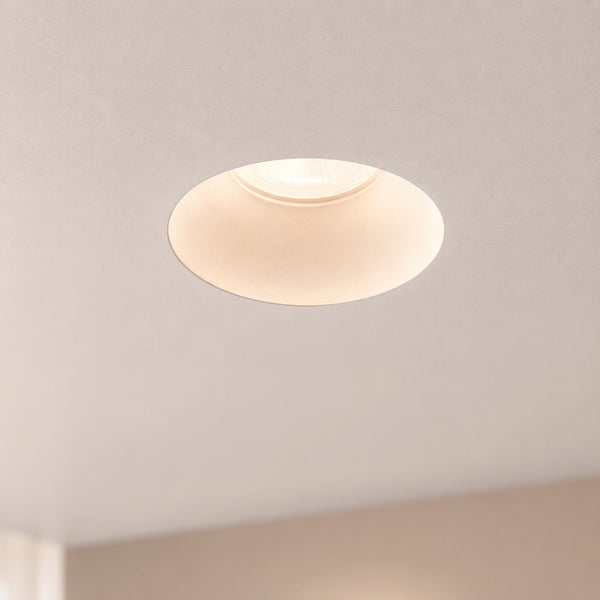
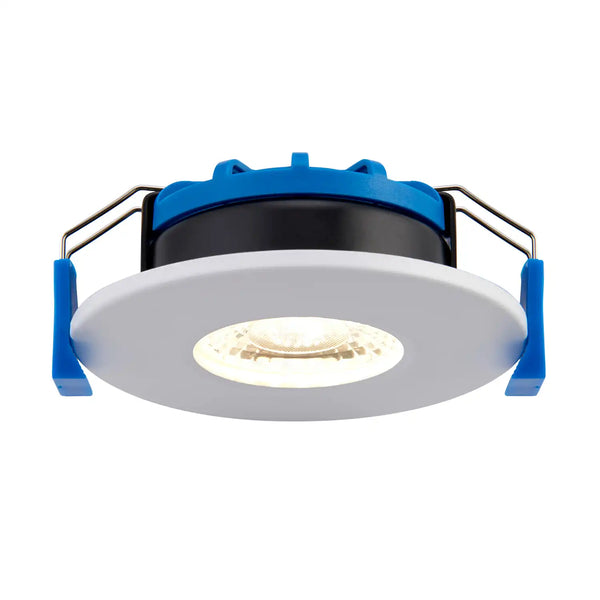
Kanto Trimless Plaster-In Downlight — Matt White
2 coloursWhiteGU101 lampholderFrom £18In stockView product → -
BATHROOM LIGHTING
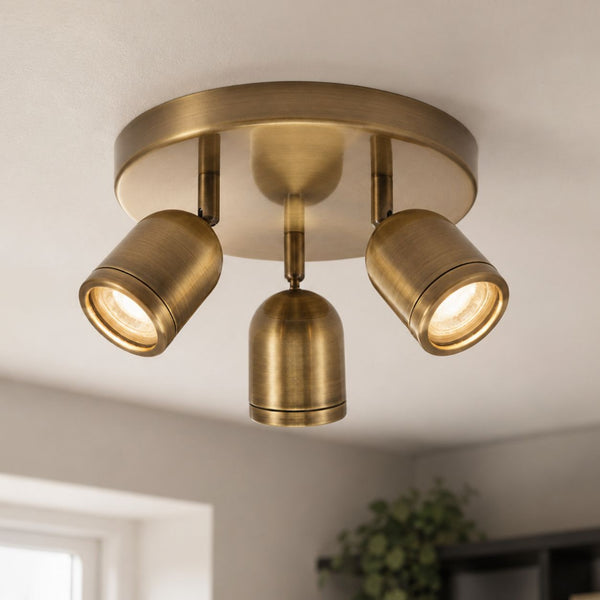
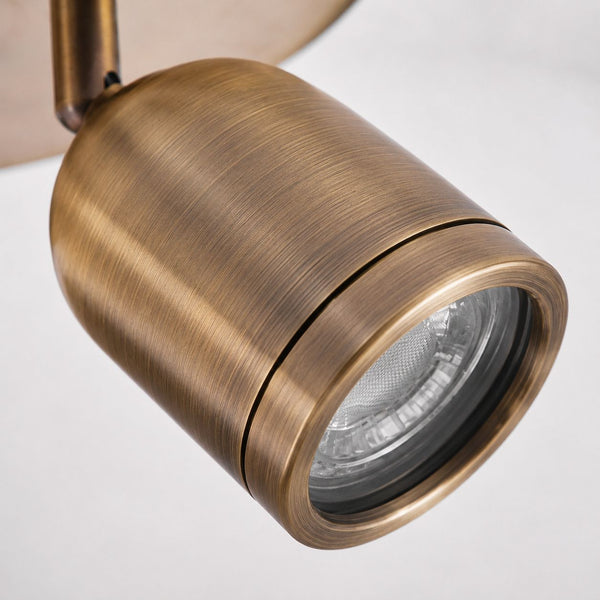
Lucca Triple Spot Bathroom Ceiling Light — Antique Brass, IP44
Antique BrassGU103 lampholders£70Made to orderView product → -
2 sizes
DOWNLIGHTS
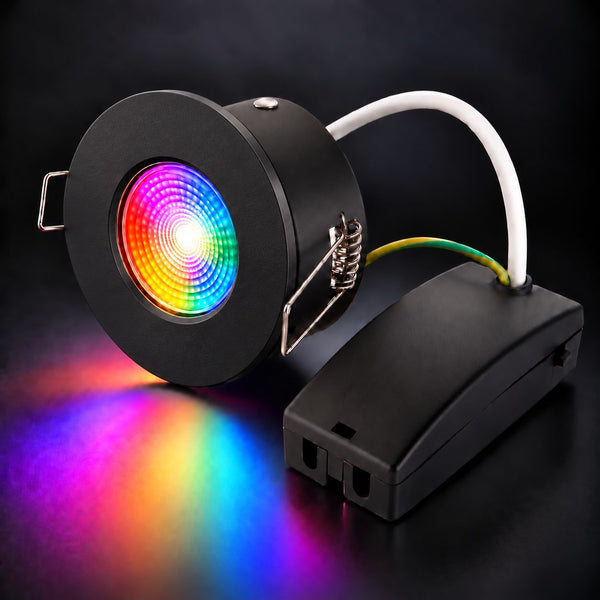
Creo Smart RGB Fire Rated Downlight — Matt Black, IP65
6 coloursMatt BlackGU101 lampholderFrom £24In stockView product → -
2 sizes
DOWNLIGHTS
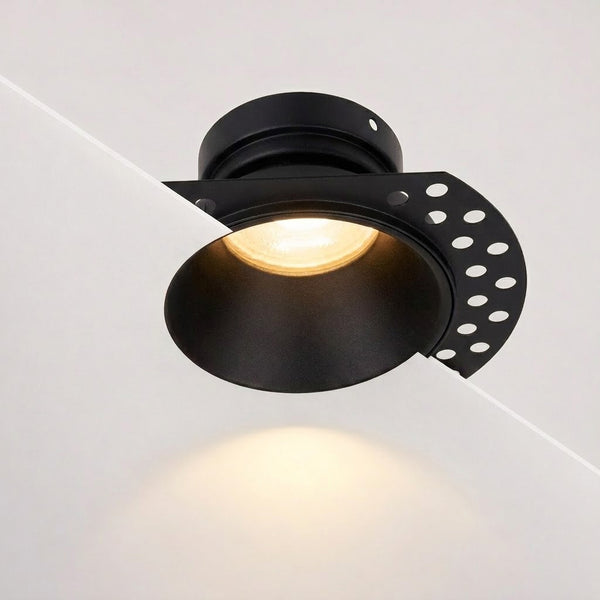
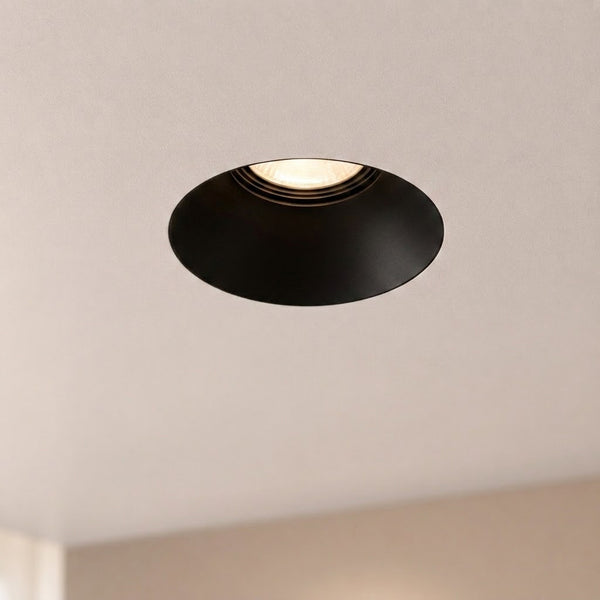
Kanto Trimless Plaster-In Downlight — Matt Black
2 coloursBlackGU101 lampholderFrom £18In stockView product → -
For your first order
10% off your first light
Leave your email and the code arrives straight away.
Then a short email most weeks. Unsubscribe any time. Privacy policy
Thank you
Your 10% code is on its way to your inbox. Any light, 30 days, no minimum.
-
2 sizes
DOWNLIGHTS
Kanto Trimless Plaster-In Downlight — Matt Black, Pack of 10
2 coloursBlackGU101 lampholderFrom £169In stockView product → -
2 sizes
DOWNLIGHTS
Kanto Trimless Plaster-In Downlight — Matt Black, Pack of 6
2 coloursBlackGU101 lampholderFrom £105In stockView product → -
CEILING LIGHTS
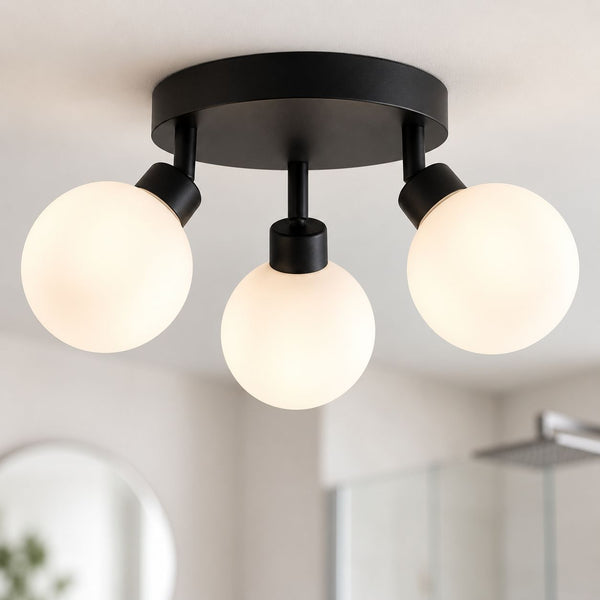
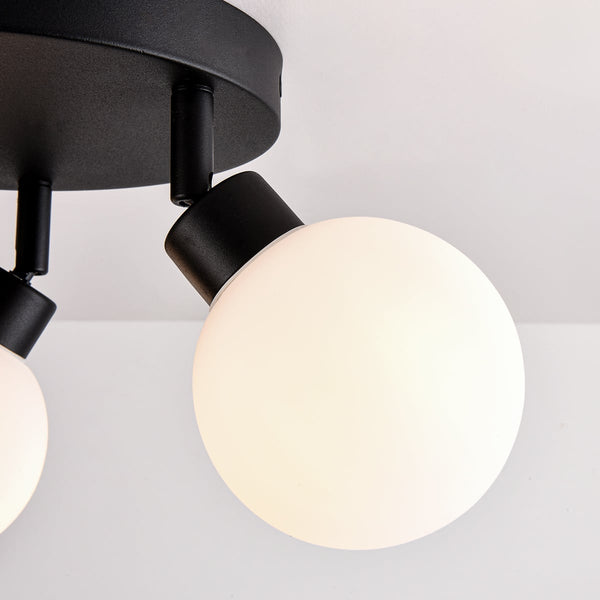
Otto Adjustable Triple Spot Ceiling Light — Black & Opal Glass, IP44
Black with opal white glassG93 lampholders£90In stockView product → -
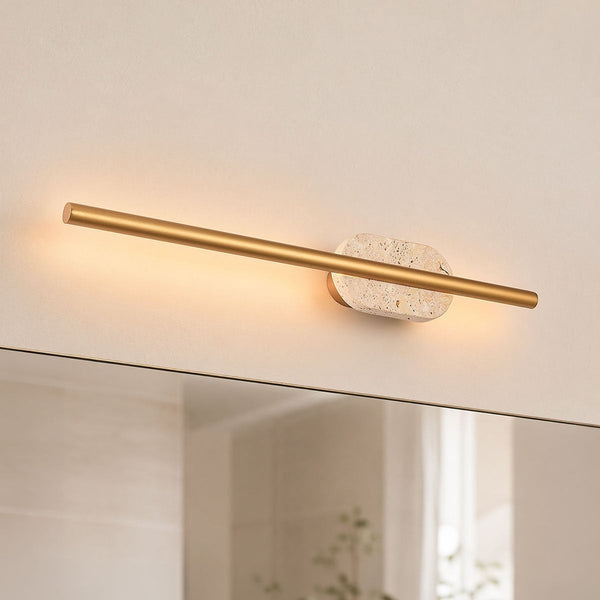
BATHROOM LIGHTING
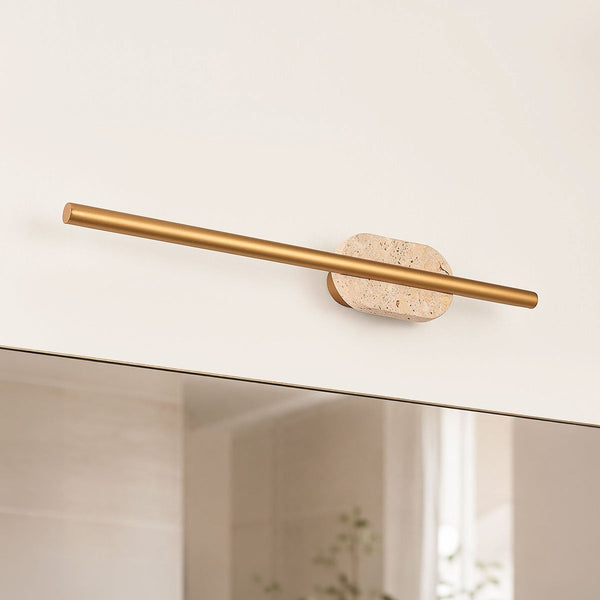
Isola LED Bathroom Wall Light — Travertine & Gold, IP44
GoldIntegrated LED1 lampholder£115In stockView product → -
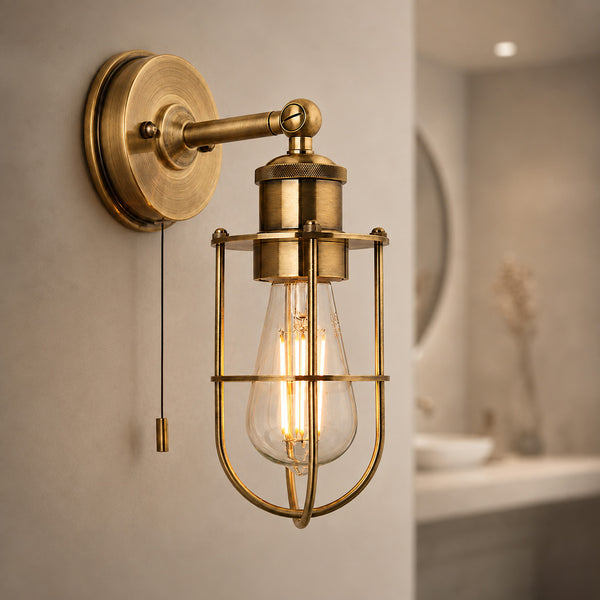
BATHROOM LIGHTING
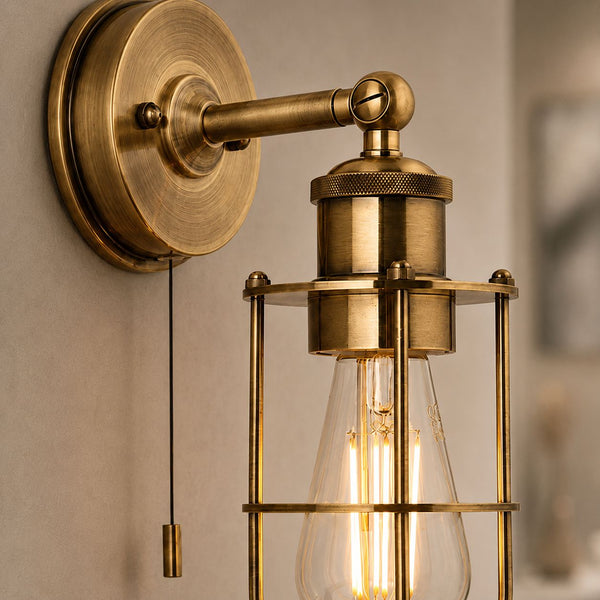
Visby Caged Bathroom Wall Light — Antique Brass, IP44
Antique BrassE27 ES1 lampholder£125In stockView product → -
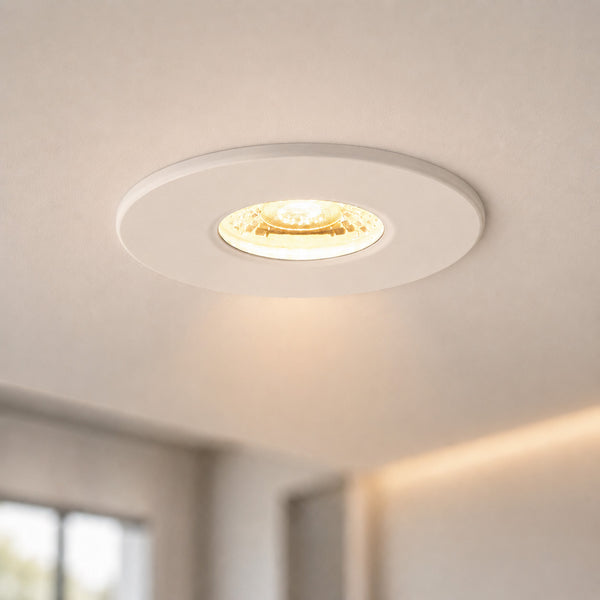
CEILING LIGHTS
Valtari Slim Fire Rated Downlight — Matt White
4 coloursMatt WhiteIntegrated LEDFrom £16Made to orderView product → -
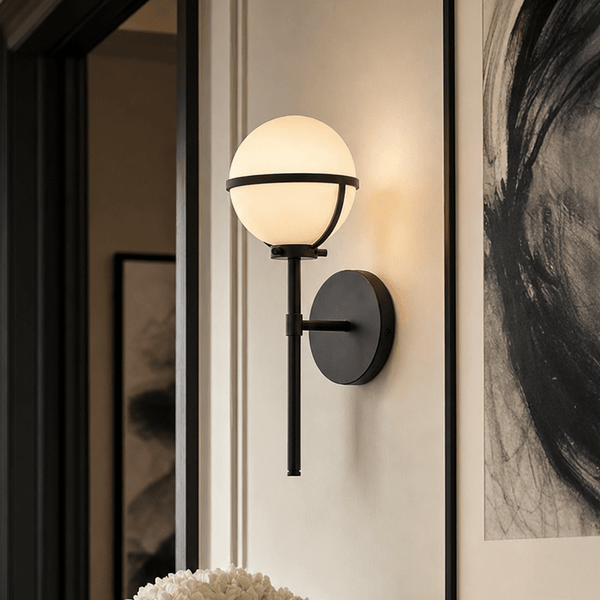
WALL LIGHTS
Nancy Orb Bathroom Wall Light — Black, Frosted Glass
Matt BlackE14 SES1 lampholder£195In stockView product → -
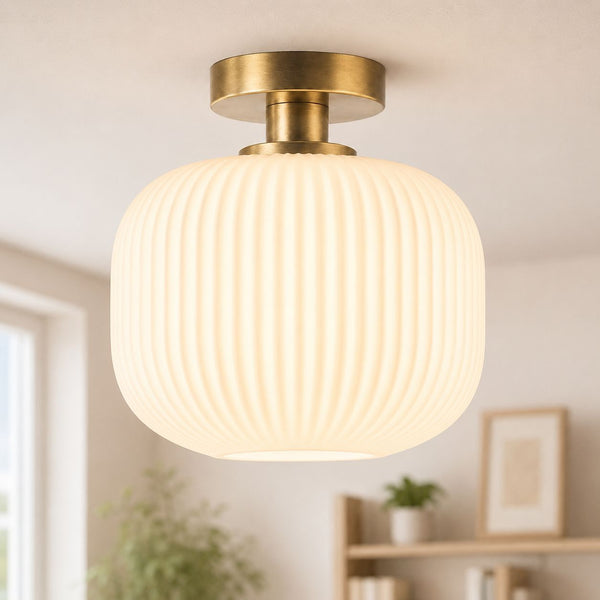
BATHROOM LIGHTING
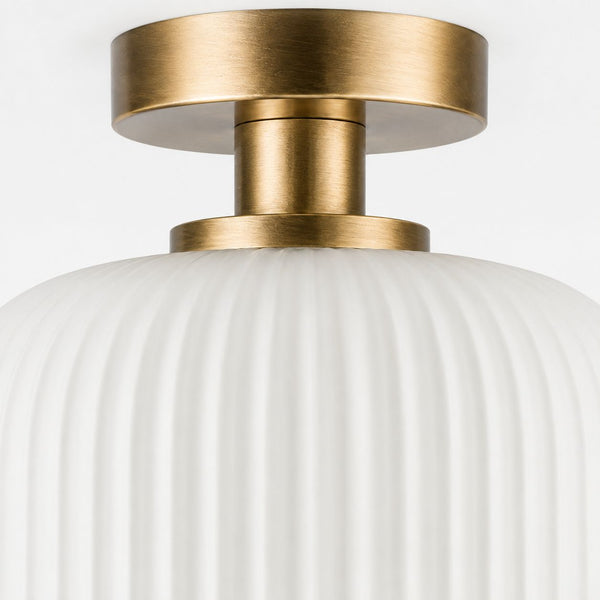
Rivoli Ribbed Ceiling Light — Glass, Antique Brass
Antique BrassE27 ES1 lampholder£83In stockView product →


Showing 12 of 13
Buying Guide
Frequently Asked Questions
What IP rating do I need for bathroom lighting zones in the UK?
In UK bathrooms, Zone 0 (inside the shower or bath) requires IP67, Zone 1 (directly above the bath to 2.25m) needs IP44 minimum, and Zone 2 (within 0.6m around the bath to 2.25m) requires IP44. Beyond these zones, IP20 is acceptable though IP44 is recommended for general bathroom use due to steam and condensation. Always check the specific IP rating marked on the fixture before installation in each zone.
Do I need an electrician to install bathroom lights under UK Building Regulations?
Yes, under Part P of UK Building Regulations, all new electrical work in bathrooms is notifiable and must be carried out by a qualified Part P registered electrician or certified through Building Control. This applies to new installations and circuit alterations, though simple like-for-like replacements of existing fittings may be permitted. Non-compliance can affect insurance and property sales.
Can I use LED dimmable bulbs in bathroom lights with a dimmer switch?
You can use LED dimmable bulbs in bathroom lights, but you must pair them with an LED-compatible dimmer switch, as traditional incandescent dimmers cause flickering and poor performance. Check that both the bulb and the fitting are marked as dimmable, and ensure the dimmer's minimum load matches your LED wattage (typically 5-10W minimum). Trailing edge dimmers work best with LEDs compared to leading edge types.
How do I layer lighting properly in a bathroom?
Effective bathroom lighting combines three layers: task lighting around mirrors (wall lights or illuminated mirrors at 1500-1700mm height), ambient lighting from ceiling fixtures (flush or semi-flush for lower ceilings), and accent lighting for features like niches or baths. Aim for 300-400 lumens per square metre overall, with concentrated task lighting of 500-700 lumens at the mirror for grooming tasks.
What's the minimum ceiling clearance needed for bathroom ceiling lights?
Flush or semi-flush ceiling lights are essential for bathrooms with ceiling heights below 2.4m to prevent head strikes and maintain proportion. If your ceiling is above 2.4m, you can consider small pendants or semi-flush fittings with drops up to 300mm, though these must maintain IP44 rating if positioned within bathroom zones. Always ensure at least 2m clearance above the floor for any hanging element.
Are smart bulbs safe to use in bathroom lighting fixtures?
Smart bulbs are safe in bathrooms provided the fixture has the appropriate IP rating for its zone and the bulb fits within the fitting's maximum wattage rating. Most smart bulbs are not dimmable via traditional dimmer switches (they use app control instead), so use them only with standard on/off switches or ensure compatibility. Check that humidity won't affect wireless connectivity, as some smart bulbs perform poorly in high-moisture environments.
Do bathroom spotlights need to be fire-rated if installed in a ceiling below another floor?
Yes, if your bathroom ceiling has a room or loft space above, downlights and spotlights must be fire-rated to maintain the ceiling's fire integrity and prevent fire spread between floors. Fire-rated fittings are marked with an F rating (typically 30, 60, or 90 minutes) and include intumescent seals. This requirement applies to all UK homes under Building Regulations Part B, regardless of IP rating.