
Shop by Style
Art Deco Lighting
Geometric forms, opulent finishes and stepped silhouettes. The drama of the 1920s reinterpreted for modern interiors.
Filters
13 items
Sort Most relevant
-
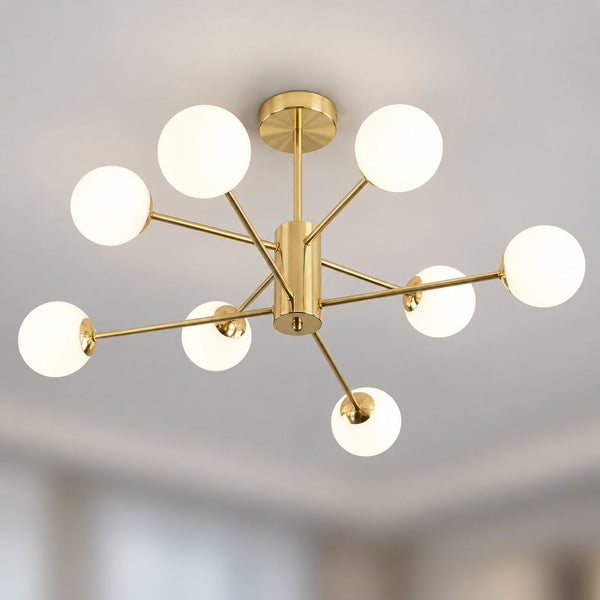
CEILING LIGHTS
Dorado Eight-Light Ceiling Light — Gold & Frosted Glass
Gold with opal white glassG98 lampholders£225In stockView product → -
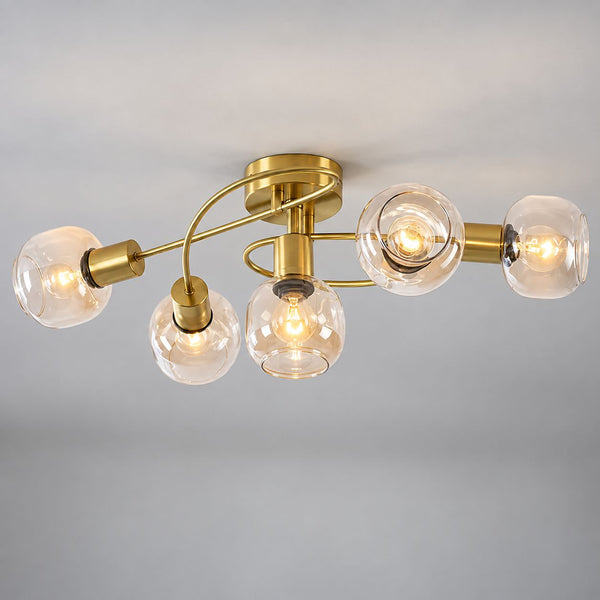
CEILING LIGHTS
Aurum Five-Light Ceiling Light — Gold & Amber Glass
GoldE14 SES5 lampholders£130In stockView product → -
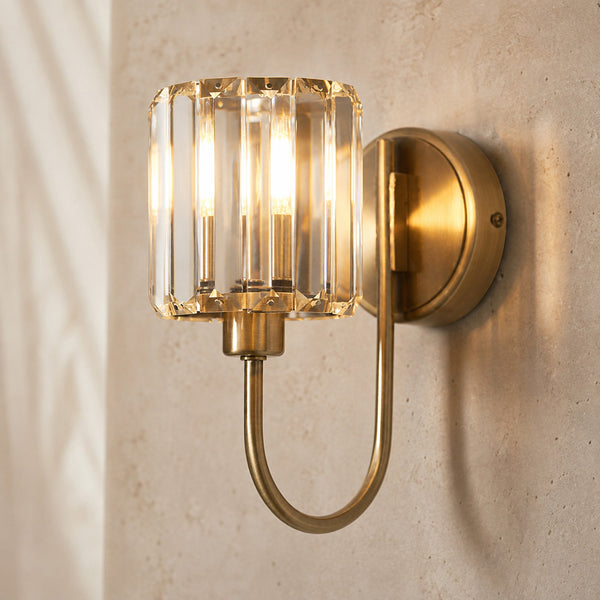
WALL LIGHTS
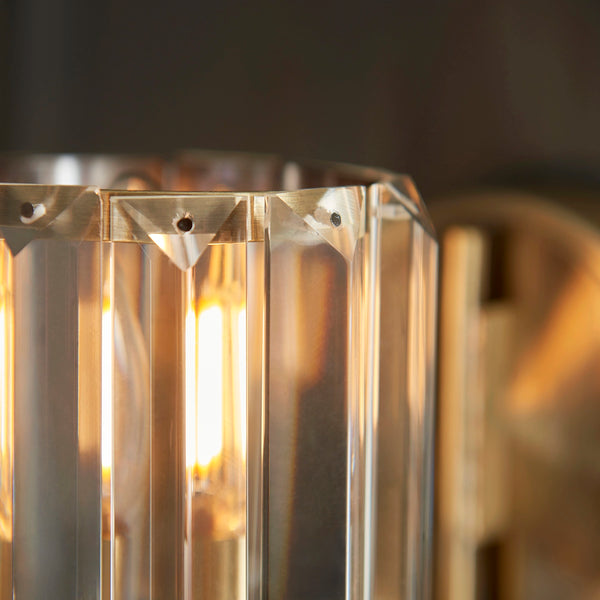
Cortona Faceted Glass Wall Light — Antique Brass
Antique BrassE14 SES1 lampholder£73In stockView product → -
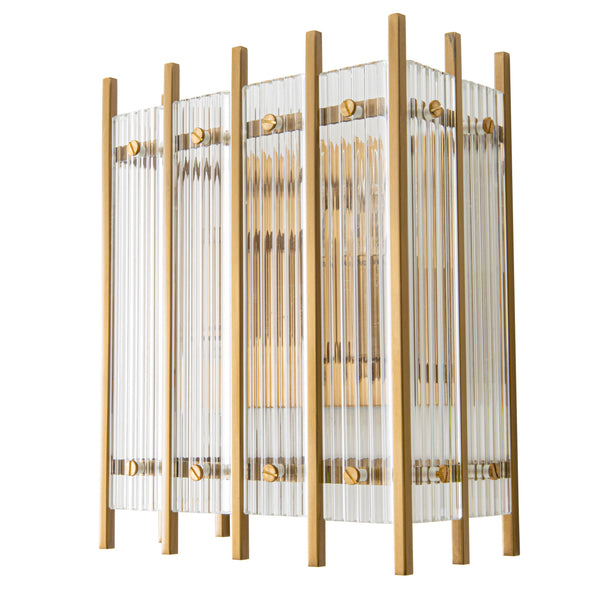
WALL LIGHTS
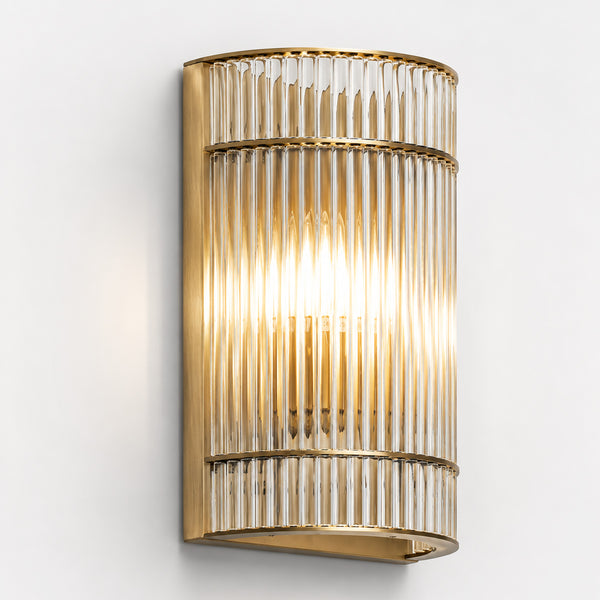
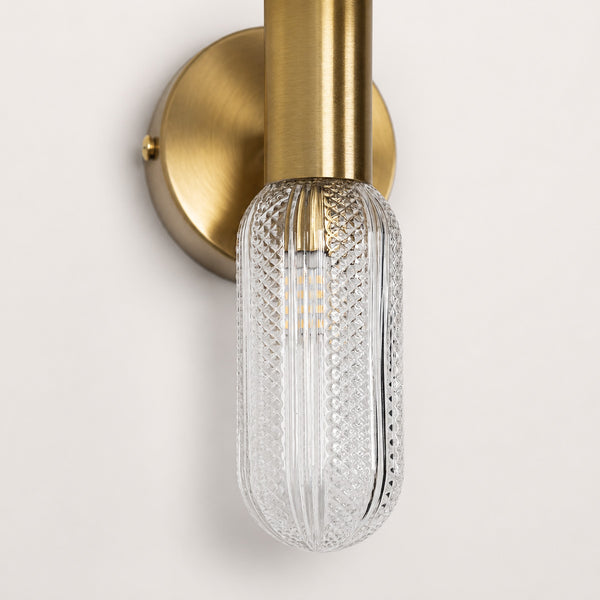
Leoni Ribbed Wall Lamp — Antique Brass, Glass
Antique Brass£195In stockView product → -
For your first order
10% off your first light
Leave your email and the code arrives straight away.
Then a short email most weeks. Unsubscribe any time. Privacy policy
Thank you
Your 10% code is on its way to your inbox. Any light, 30 days, no minimum.
-
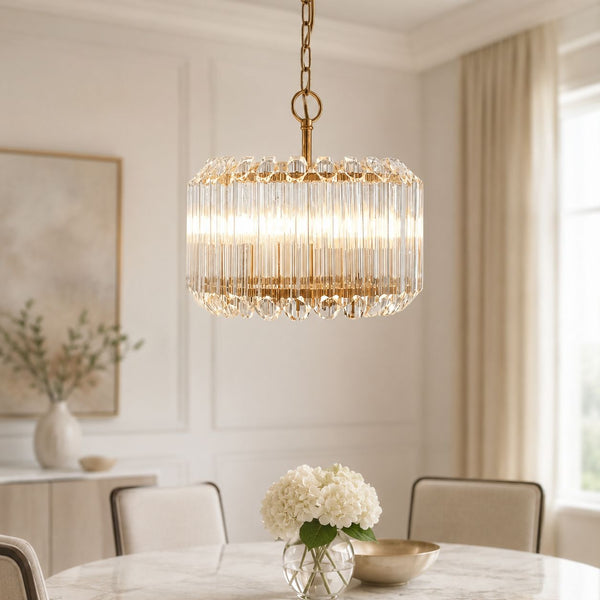
PENDANT LIGHTS
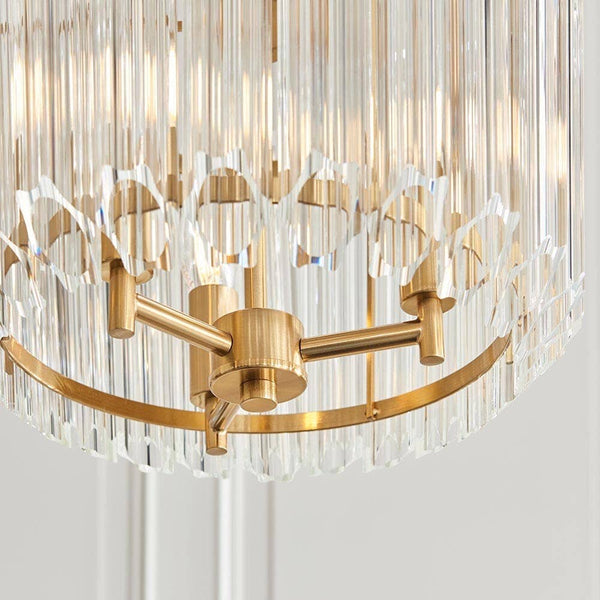
Veyra 3-Light Drum Pendant — Glass, Gold
GoldE14 SES3 lampholders£300Made to orderView product → -
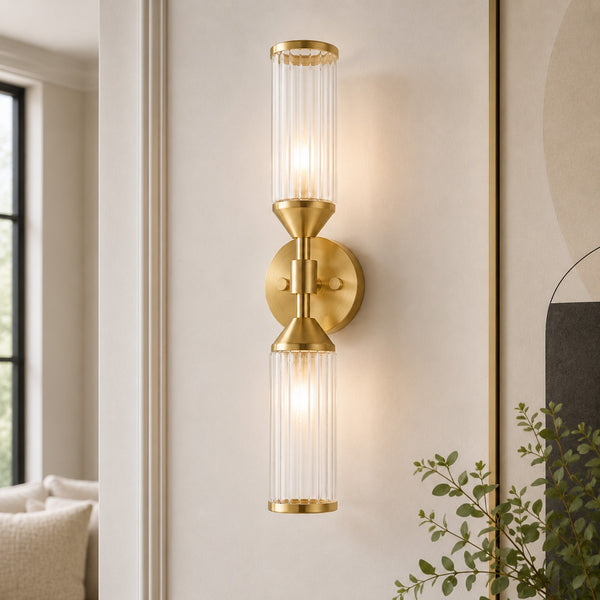
WALL LIGHTS
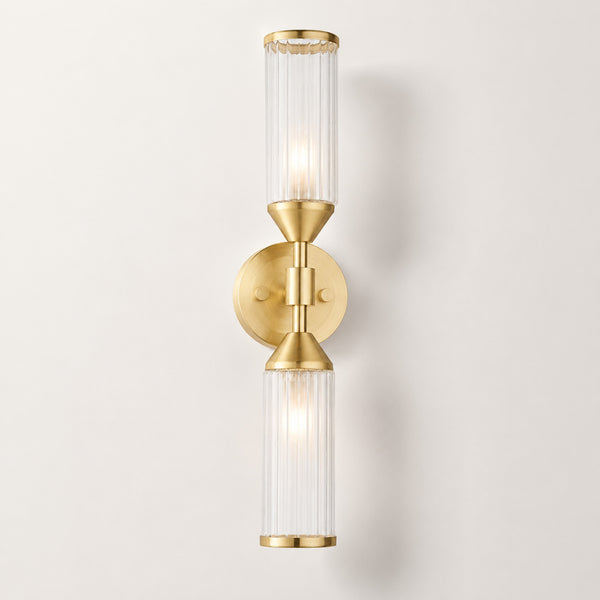
Apollo Cylinder Wall Light — Glass, Gold
GoldG92 lampholders£195In stockView product → -
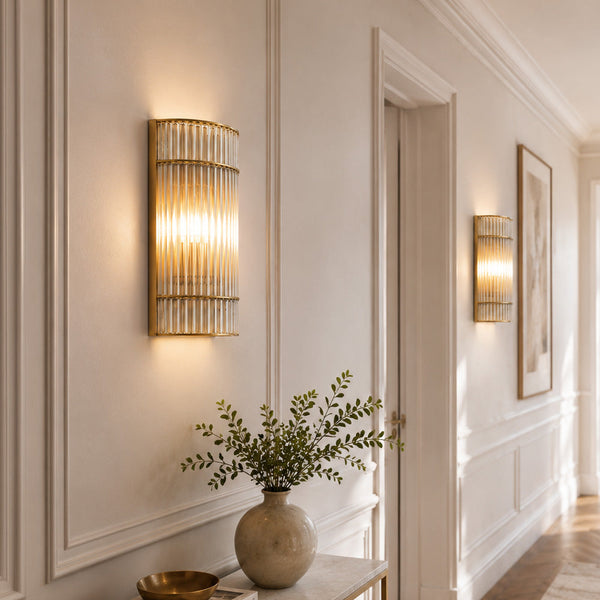
WALL LIGHTS
Gatsby Art Deco Wall Light — Glass, Champagne
Brushed ChampagneE14 SES1 lampholder£310In stockView product → -

WALL LIGHTS
Verona Up Down Wall Sconce — Glass, Antique Brass
Antique BrassG92 lampholders£390In stockView product → -
Signature Signature Small runs, real materials, made to order. The top of the Enso range.

WALL LIGHTS
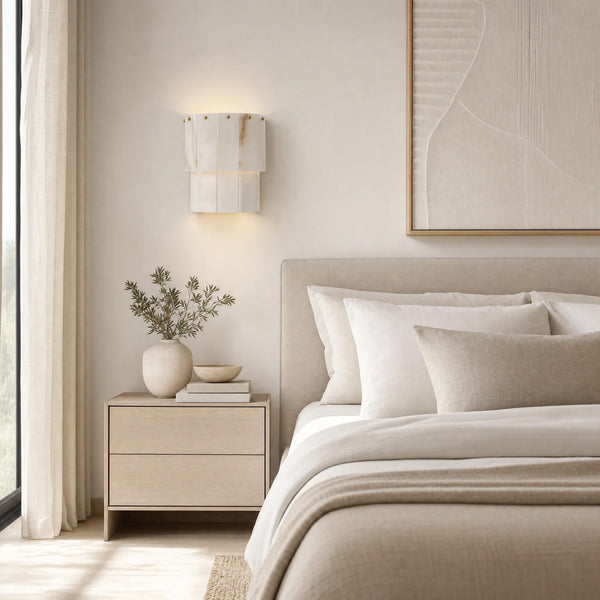
Solara Alabaster Wall Sconce — Satin Brass
Made in United Kingdom
Satin BrassE14 SES2 lampholders£225In stockView product → -
Signature Signature Small runs, real materials, made to order. The top of the Enso range.
WALL LIGHTS
Solara Alabaster Wall Sconce — Antique Brass
Made in United Kingdom
Antique BrassE14 SES2 lampholders£225In stockView product → -
Signature Signature Small runs, real materials, made to order. The top of the Enso range.

CHANDELIERS
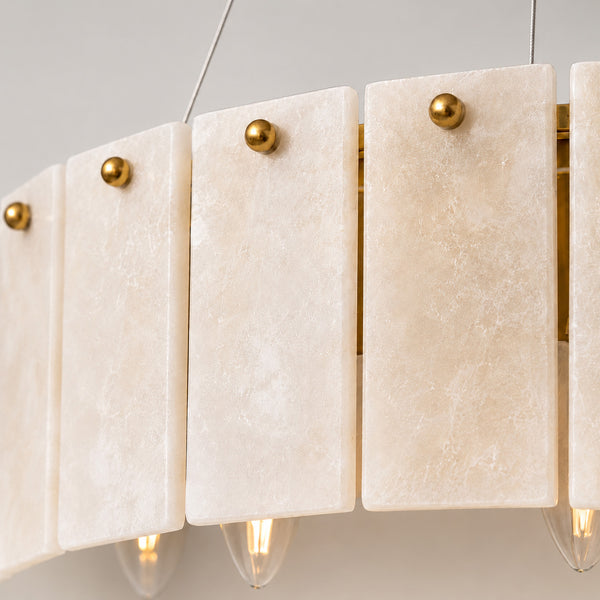
Solara Alabaster Ring Chandelier — Antique Brass
Made in United Kingdom
Antique BrassE14 SES12 lampholders£920In stockView product → -
Signature Signature Small runs, real materials, made to order. The top of the Enso range.

CHANDELIERS
Solara Alabaster Ring Chandelier — Satin Brass
Made in United Kingdom
BrassE14 SES12 lampholders£920In stockView product →

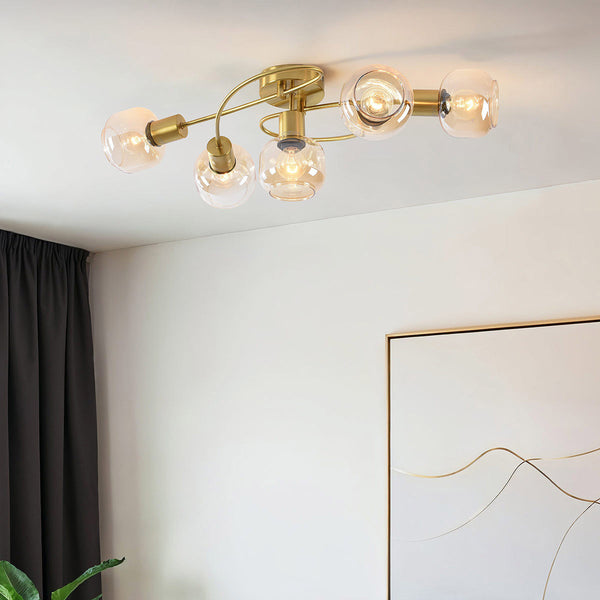




Showing 12 of 13
Buying Guide
Frequently Asked Questions
What are the key features that make a light fitting authentically Art Deco?
Authentic Art Deco lighting typically features geometric shapes (sunbursts, zigzags, stepped forms), luxurious materials like polished chrome, brass or nickel finishes, and frosted or etched glass shades. Look for symmetrical designs, angular lines rather than curves, and decorative elements inspired by 1920s-1930s glamour such as tiered glass shades or fan motifs. Avoid pieces with overly ornate floral details, which lean more Victorian or Rococo.
Can I mix Art Deco lighting with modern or contemporary interiors?
Art Deco mixes exceptionally well with modern interiors because both styles share an appreciation for clean lines and geometry. Pair Art Deco statement pieces like a geometric chandelier with minimalist furniture and neutral walls to let the fixture shine, or use Art Deco wall lights as accent pieces in an otherwise contemporary room. The key is limiting Art Deco to one or two focal pieces rather than overwhelming the space, and ensuring metallic finishes complement your existing hardware.
What type of bulbs work best with Art Deco light fittings?
Most Art Deco fixtures use standard E27 (Edison Screw) or B22 (bayonet) fittings, with smaller pieces occasionally requiring E14 (small Edison screw). For an authentic vintage glow that complements the 1920s aesthetic, choose warm white LED bulbs (2700K) in globe or squirrel cage filament styles. Dimmable LED bulbs work well with most Art Deco fittings, but check that frosted or etched glass shades won't obscure decorative filaments you want to showcase.
Do Art Deco light fittings work with smart bulbs and dimmer switches?
Art Deco fixtures accommodate smart bulbs as long as the fitting size matches (typically E27, B22, or E14), though glass shades may slightly reduce smart bulb signal strength. For dimming, ensure you pair dimmable LED bulbs with a trailing edge dimmer switch designed for LEDs, as older leading edge dimmers can cause flickering. If installing a new dimmer, this is notifiable electrical work under Part P Building Regulations and must be completed or certified by a qualified electrician.
How do I clean and maintain chrome and brass Art Deco light fittings?
For chrome Art Deco fixtures, wipe with a soft microfibre cloth and warm soapy water, then buff dry to prevent water spots that dull the shine. Brass fittings can be cleaned with brass-specific polish or a mixture of lemon juice and baking soda for tarnished areas, though some prefer the aged patina for authenticity. Always switch off the power before cleaning, avoid abrasive materials that scratch metallic finishes, and clean frosted glass shades with glass cleaner to maintain their diffused glow.
Are Art Deco chandeliers too heavy for standard UK ceiling roses?
Standard UK ceiling roses and BESA boxes are rated for fixtures up to 5kg, which accommodates most small to medium Art Deco chandeliers with glass shades. Larger statement chandeliers with multiple tiers or heavy metal construction often exceed this limit and require additional ceiling support installed directly into a joist. Check the product weight specification before purchase, and if over 5kg, consult a qualified electrician to install appropriate ceiling reinforcement to meet Building Regulations safety requirements.
What room sizes suit Art Deco chandeliers and pendant lights best?
For Art Deco chandeliers, choose a diameter roughly one-third the width of your dining table, or for general room sizing, add room length and width in feet then convert to inches for an appropriate diameter (e.g., a 12ft x 14ft room suits a 26-inch chandelier). Hang pendants 75-90cm above dining tables or kitchen islands, and ensure a minimum 2.1m clearance from floor to bottom of the fixture in circulation areas. Art Deco's bold geometry means these fixtures make a statement even in modestly sized spaces, but avoid overwhelming small rooms with oversized pieces.