
Shop by Style
Industrial Lighting
Raw metal, exposed bulbs and utilitarian shapes. Lighting that draws on factory and workshop heritage.
Filters
17 items
Sort Most relevant
-
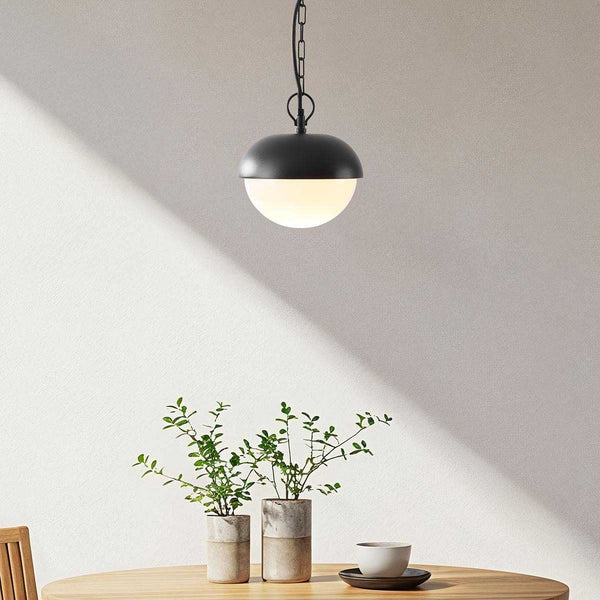
OUTDOOR LIGHTING
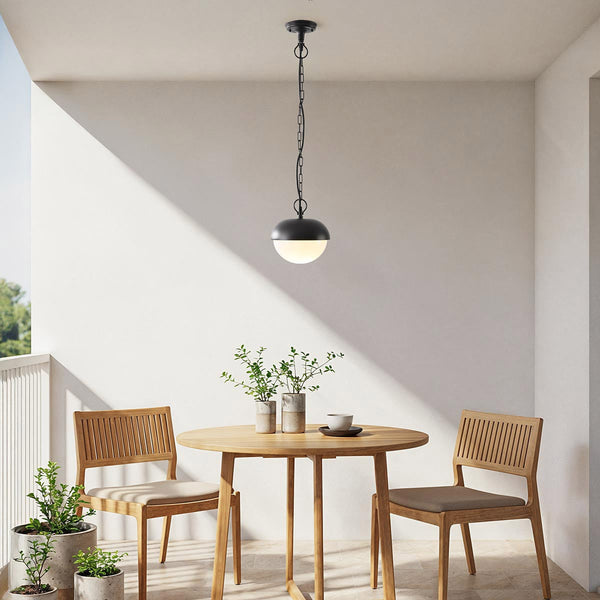
Dale Opal Globe Outdoor Pendant Light — Black
BlackE27 ES1 lampholder£45In stockView product → -
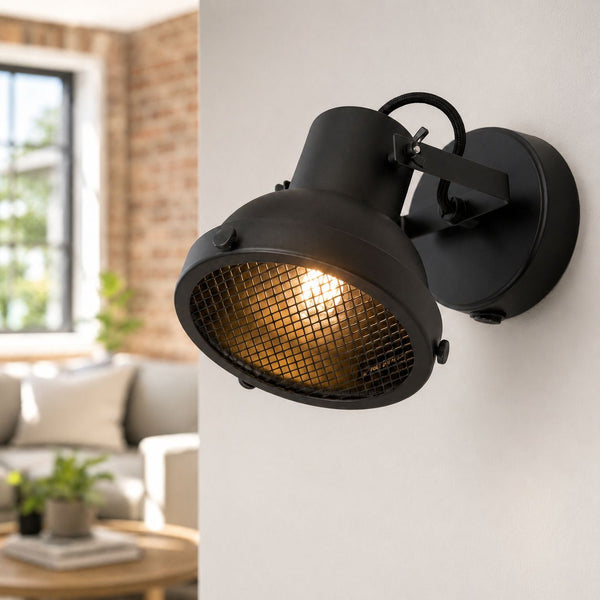
WALL LIGHTS
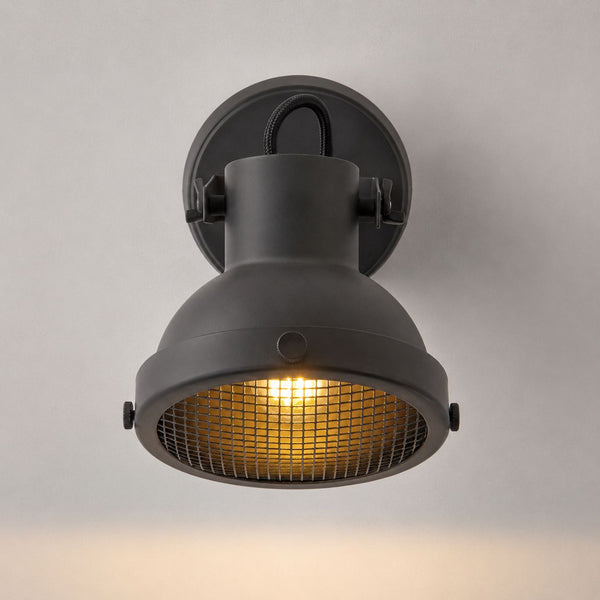
Forge Caged Wall Spot Light — Matt Black, Switched
Matt BlackE141 lampholder£28In stockView product → -
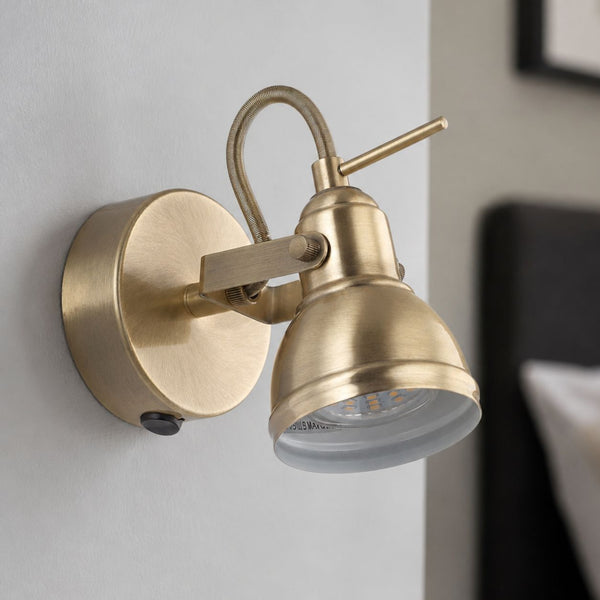
WALL LIGHTS
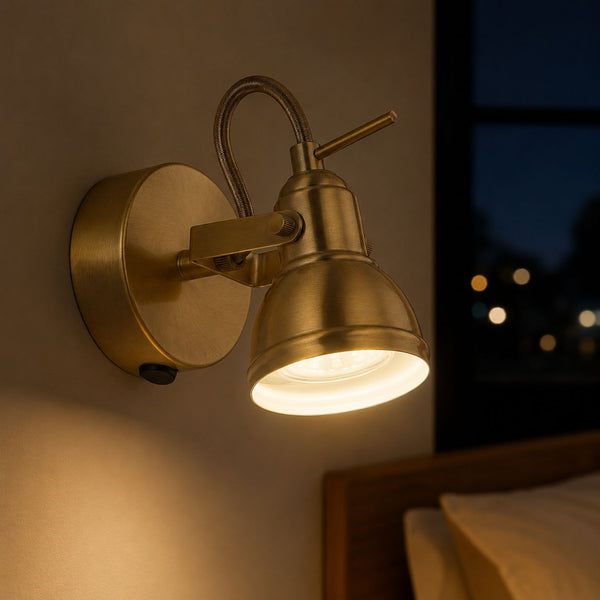
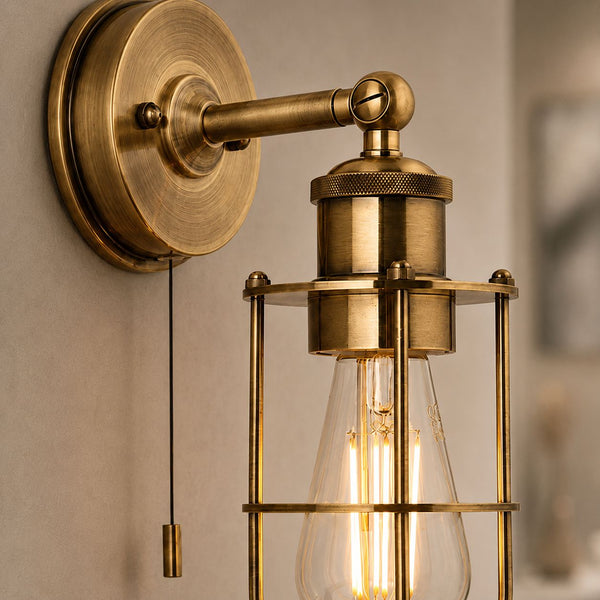
Harlow Industrial Wall Spot Light — Antique Brass, Switched
Antique BrassGU101 lampholder£53In stockView product → -
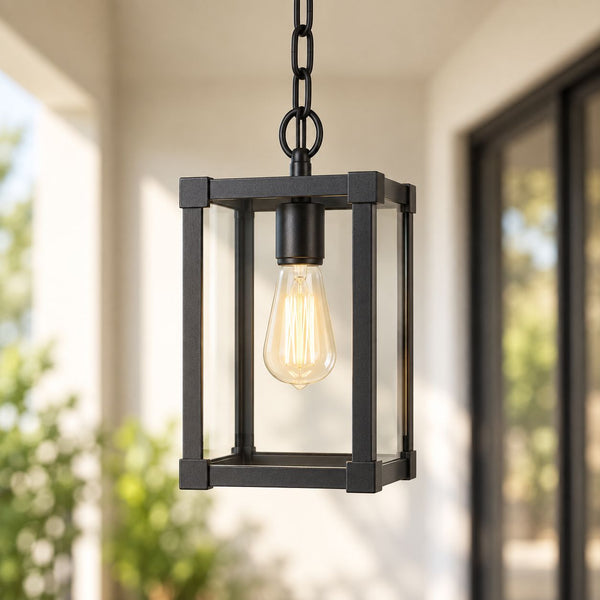
OUTDOOR LIGHTING
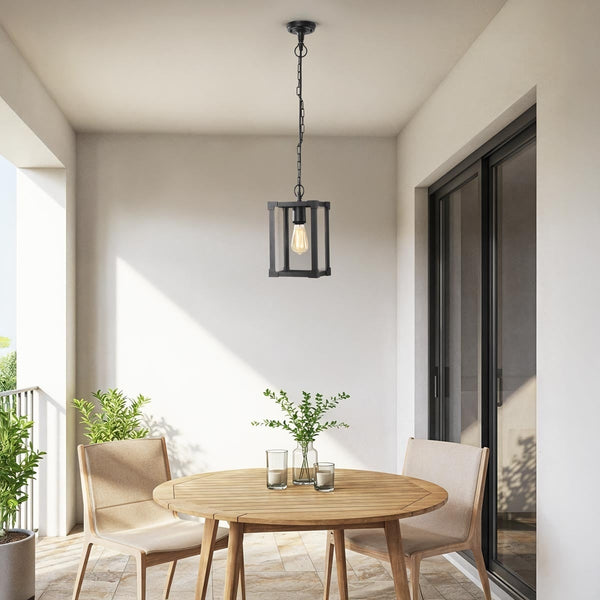
Holt Industrial Outdoor Pendant Light — Black, Glass Panels
BlackE27 ES1 lampholder£45In stockView product → -
For your first order
10% off your first light
Leave your email and the code arrives straight away.
Then a short email most weeks. Unsubscribe any time. Privacy policy
Thank you
Your 10% code is on its way to your inbox. Any light, 30 days, no minimum.
-
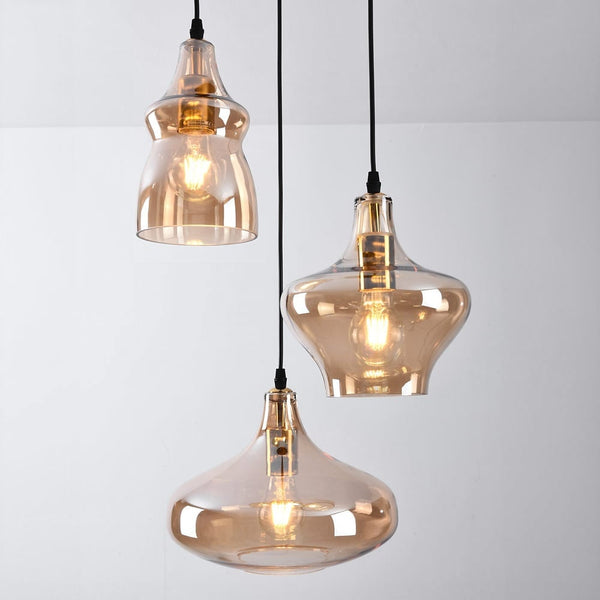
PENDANT LIGHTS
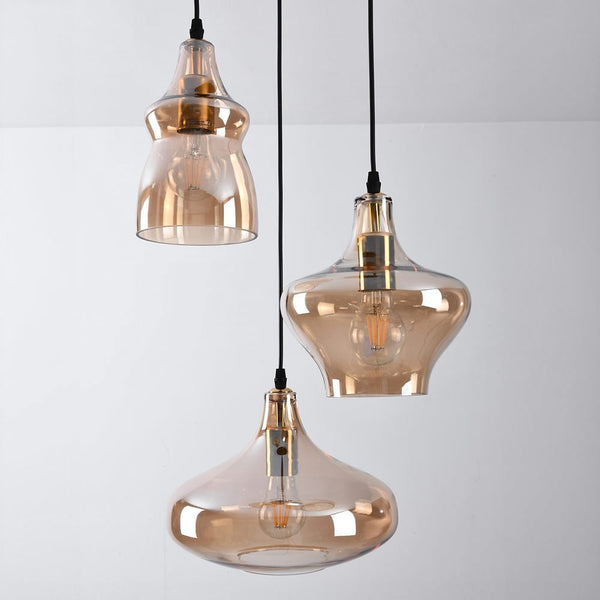
Brixton Industrial Triple Pendant Light — Black & Amber Glass
Black and amber glassE273 lampholders£245In stockView product → -
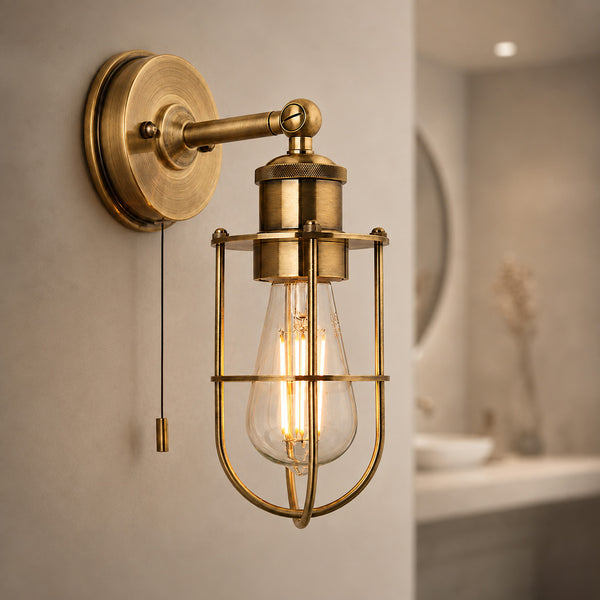
BATHROOM LIGHTING
Visby Caged Bathroom Wall Light — Antique Brass, IP44
Antique BrassE27 ES1 lampholder£125In stockView product → -
Signature Signature Small runs, real materials, made to order. The top of the Enso range.
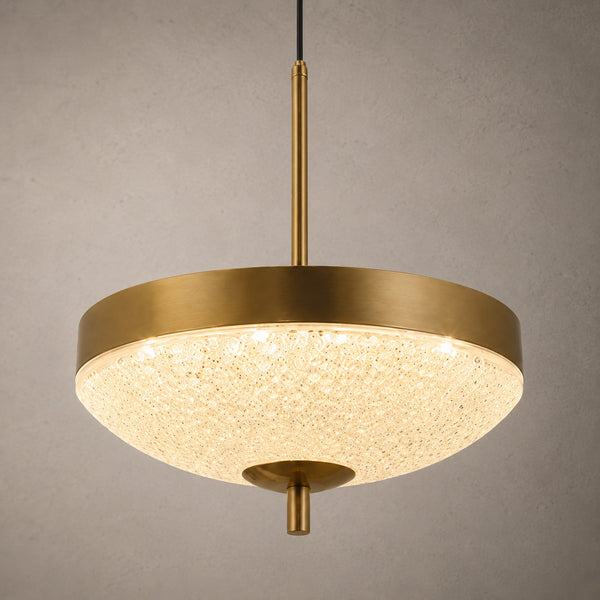
PENDANT LIGHTS
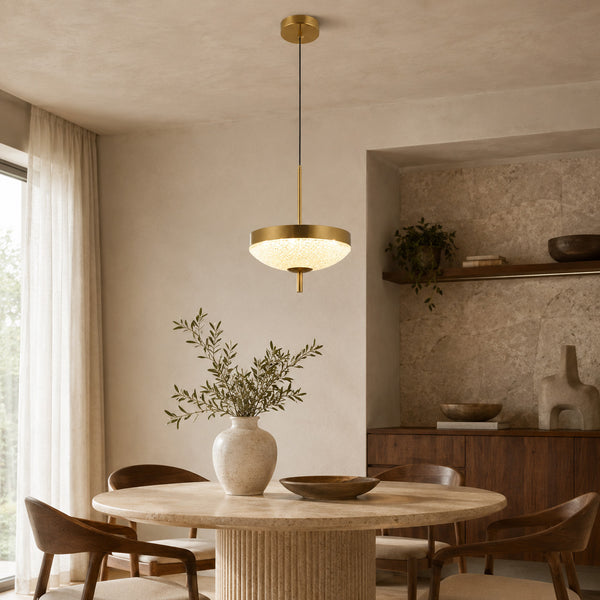
Burkina Antique Glass Pendant Light — Antiqued Metal, 20cm
Made in Turkey
Antiqued MetalIntegrated LED£280In stockView product → -
Signature Signature Small runs, real materials, made to order. The top of the Enso range.
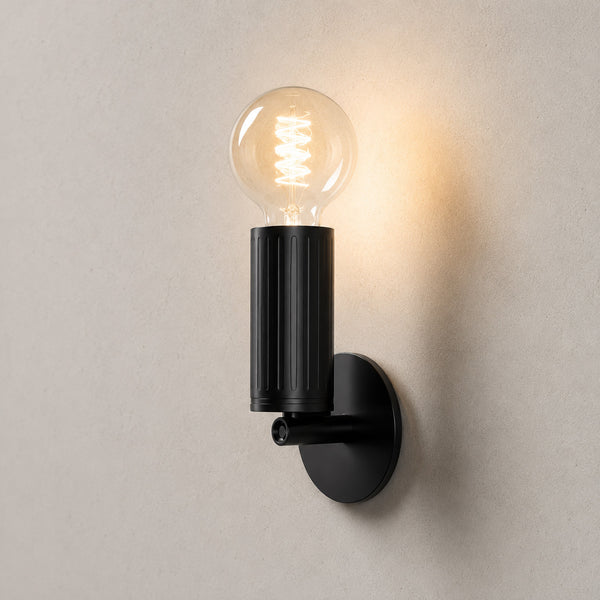
WALL LIGHTS
Luminar Box Mount Wall Lamp — Black, Exposed Bulb
Made in Denmark
4 coloursMatt BlackE27 ES1 lampholderFrom £429In stockView product → -
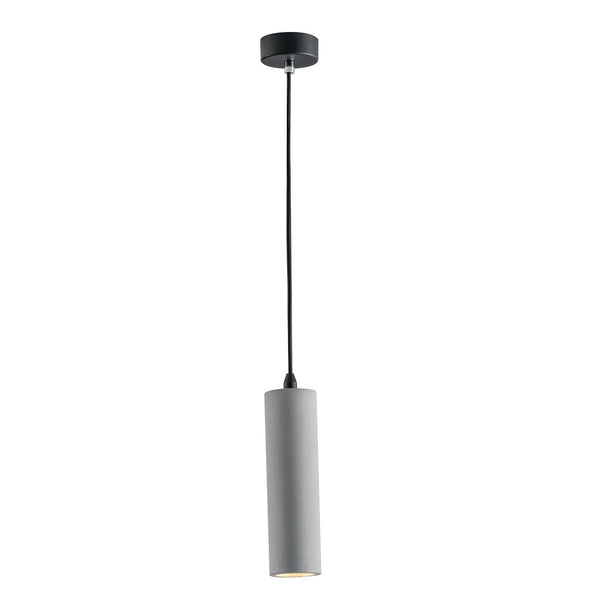
PENDANT LIGHTS
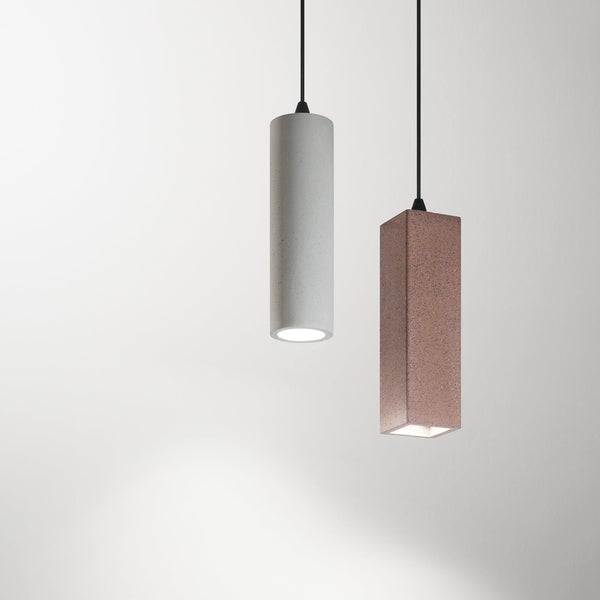
Kruk Concrete Pendant Light — Natural Grey, Tube
2 coloursNatural GreyGU101 lampholder£80In stockView product → -
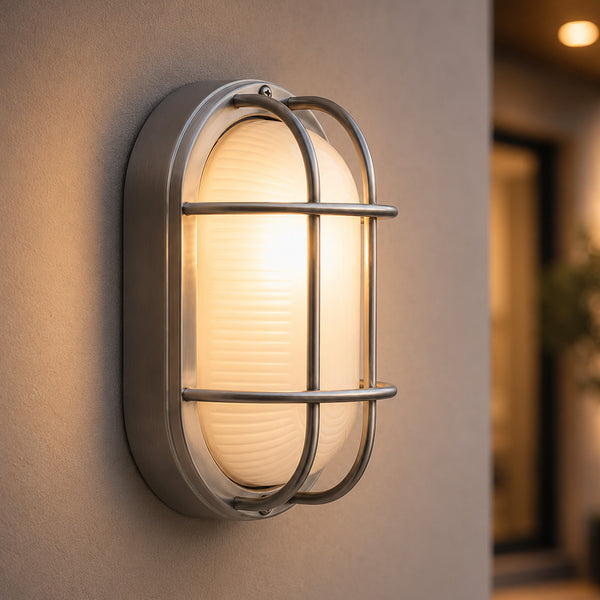
OUTDOOR LIGHTING
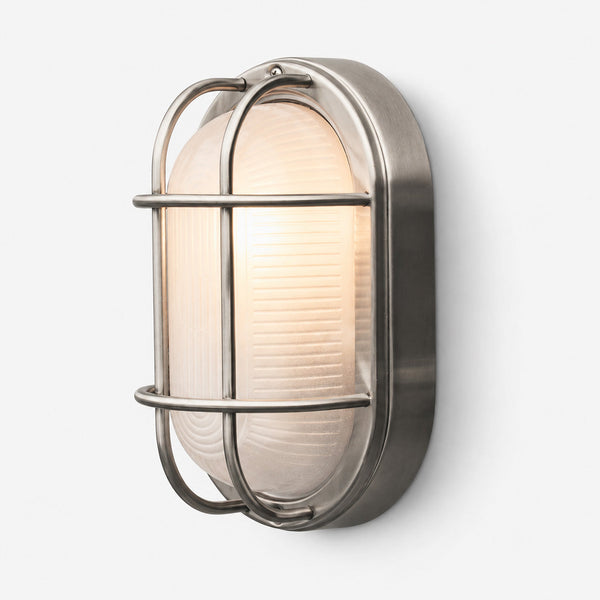
Vardo Outdoor Bulkhead Wall Light — Glass, Polished Steel
Polished SteelE27 ES1 lampholder£42In stockView product → -
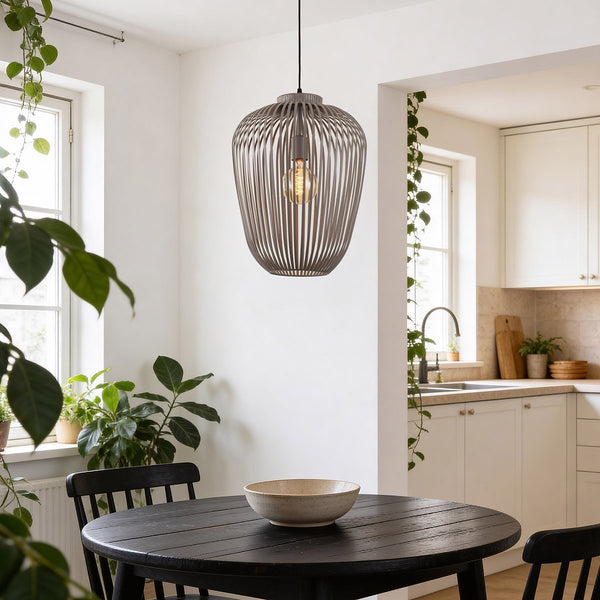
PENDANT LIGHTS
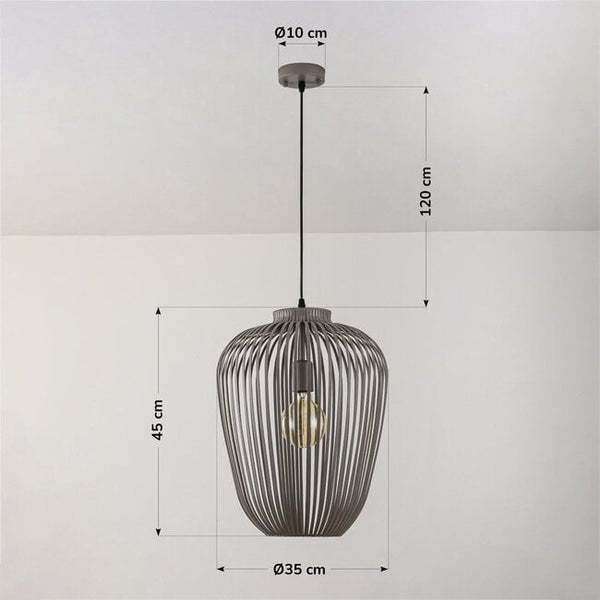
Riva Cylindrical Cage Pendant Light — Metal, Light Grey
GreyE27 ES1 lampholder£150In stockView product → -
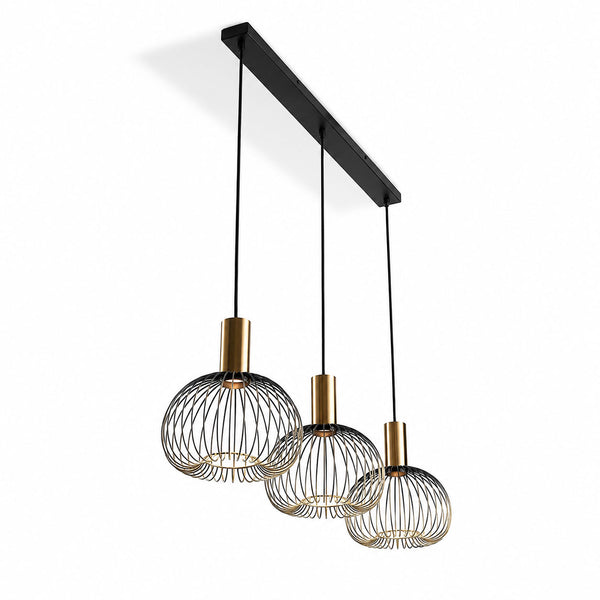
PENDANT LIGHTS
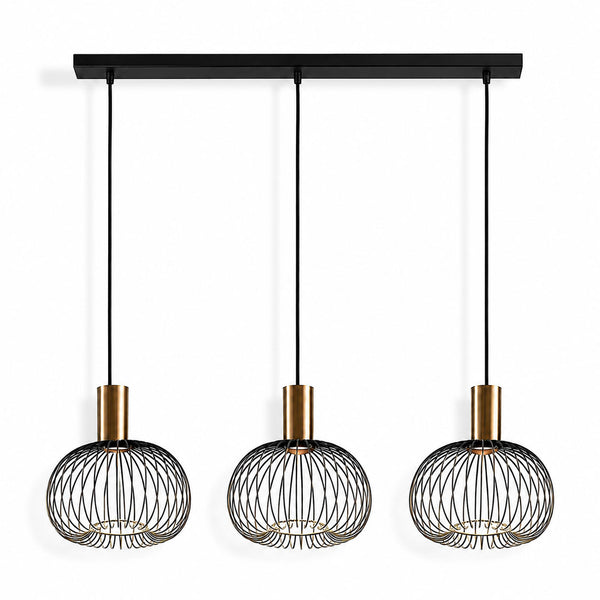
Velia 3-Light Cage Pendant Light — Black and Gold
Black and goldGU103 lampholders£210In stockView product →
Showing 12 of 17
Buying Guide
Frequently Asked Questions
What makes a light fitting authentically industrial style?
Genuine industrial lighting features exposed metal construction (often in black, brass, or galvanised finishes), visible bulbs or caged designs, and utilitarian details like adjustable arms, Edison screw fittings, or enamel shades. Look for materials like steel, iron, or aluminium with minimal decorative elements—the aesthetic comes from functional workshop and factory designs. Avoid fittings with overly polished finishes or decorative flourishes, which lean more towards vintage or farmhouse styles.
Can I mix industrial lighting with modern or Scandi interiors?
Industrial lighting works exceptionally well with modern and Scandinavian styles because all three favour clean lines and functional design. Pair matte black industrial pendants with light woods and neutral walls for a Scandi-industrial hybrid, or combine brass or copper industrial fittings with concrete and steel in contemporary spaces. The key is maintaining a restrained colour palette and avoiding overly ornate pieces that would clash with the stripped-back industrial aesthetic.
What type of bulbs work best with industrial light fittings?
Edison-style LED filament bulbs (typically E27 or B22 cap) complement industrial fittings perfectly, offering the vintage aesthetic without the inefficiency of traditional incandescents. Most industrial fittings work with standard dimmable LED bulbs if you have a compatible dimmer switch—check the bulb specifies 'dimmable' and your dimmer is LED-rated to avoid flickering. For caged or open designs, consider exposed filament bulbs in warm white (2200K-2700K) to enhance the raw, workshop-inspired look.
Do industrial pendant lights need to be installed by an electrician?
Under UK Building Regulations Part P, replacing an existing light fitting on a like-for-like basis is generally permitted as DIY, but any new circuits or bathroom installations must be completed by a qualified electrician or certified under Building Control. Industrial pendants are typically straightforward ceiling installations if a BESA box and suitable ceiling rose are already present. However, if you're installing multiple pendants, adding dimmers, or working with metal fittings that require proper earthing, it's advisable to use a registered electrician to ensure compliance and safety.
Will metal industrial lighting work with smart bulbs and dimmers?
Metal industrial fittings are fully compatible with smart bulbs (E27/B22 smart LEDs) and work well with app or voice control, though metal shades may slightly reduce wireless signal strength in some cases. For traditional dimming, you'll need LED-compatible dimmer switches—older rotary dimmers designed for incandescent bulbs often cause LED flickering or buzzing. Ensure metal fittings are properly earthed, as this is essential for safety with conductive materials, and check the fitting's IP rating if installing in bathrooms or near moisture.
How do I stop industrial lighting looking too harsh or cold?
Choose warm white bulbs (2400K-2700K) rather than cool white, as this softens the industrial metal finishes and creates a more inviting atmosphere. Layer your lighting by combining industrial task lights or pendants with softer ambient sources like floor lamps or wall lights with fabric shades. In living spaces, consider industrial fittings with inner white or copper lining that reflects warmer light, or use dimmers to adjust brightness and create cosier evening settings.
What size industrial pendant should I choose for a kitchen island or dining table?
For kitchen islands, choose pendants 25-35cm in diameter, hanging 70-80cm above the worktop, with multiple pendants spaced 60-80cm apart for islands over 1.5m long. Above dining tables, a single statement piece should be roughly one-third to one-half the table width, or use a row of smaller pendants (20-30cm) for tables over 1.8m. Industrial cage or dome pendants work particularly well in multiples, providing focused task lighting while maintaining the utilitarian aesthetic.