
Ceiling Lighting
Ceiling Pendant Lights
Statement pieces that shape the room — unique ceiling pendant lights and hanging lamps in alabaster, fluted glass, rattan and aged brass, for kitchens, dining tables and hallways.
Shop by type


Filters
87 items
Sort Best selling
-
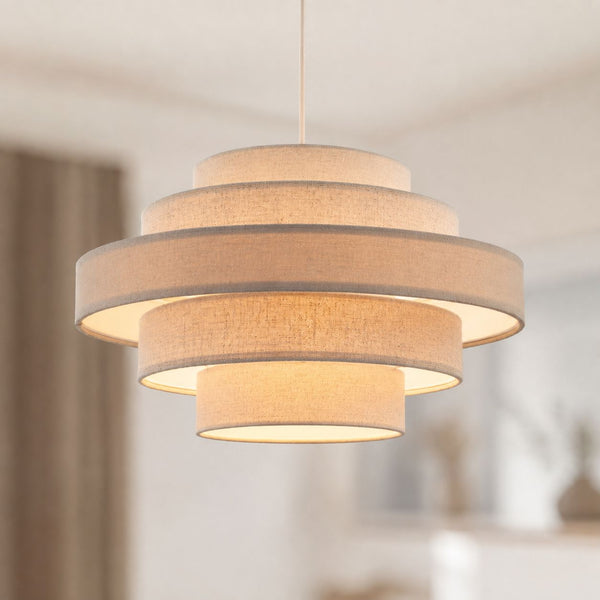
PENDANT LIGHTS
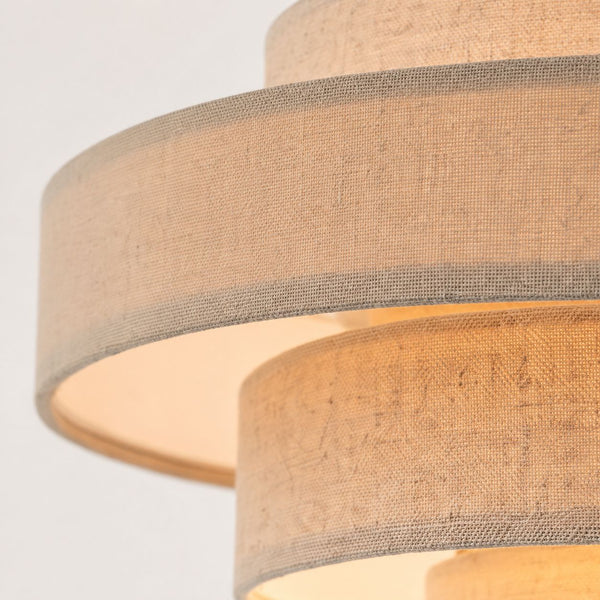
Linna Five-Tier Easy-Fit Pendant Shade — Oatmeal Linen
Oatmeal£38In stockView product → -

PENDANT LIGHTS
Lantana Triple Fabric Lantern Pendant Light — Warm Beige
Warm beige with a pink undertoneE273 lampholders£160In stockView product → -
3 sizes
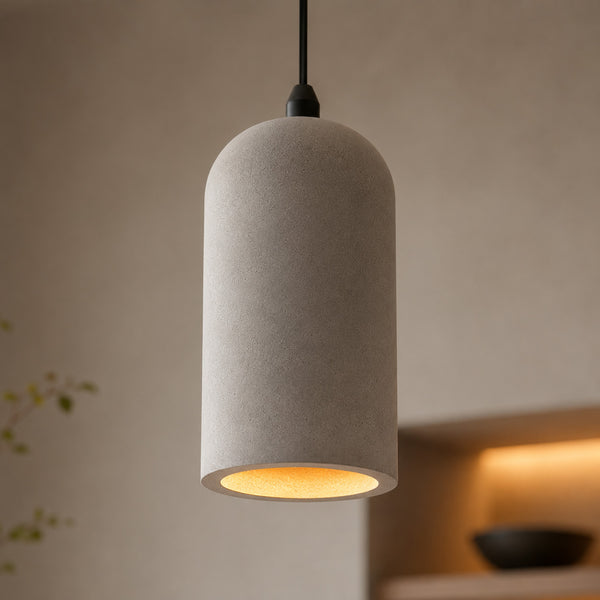
PENDANT LIGHTS
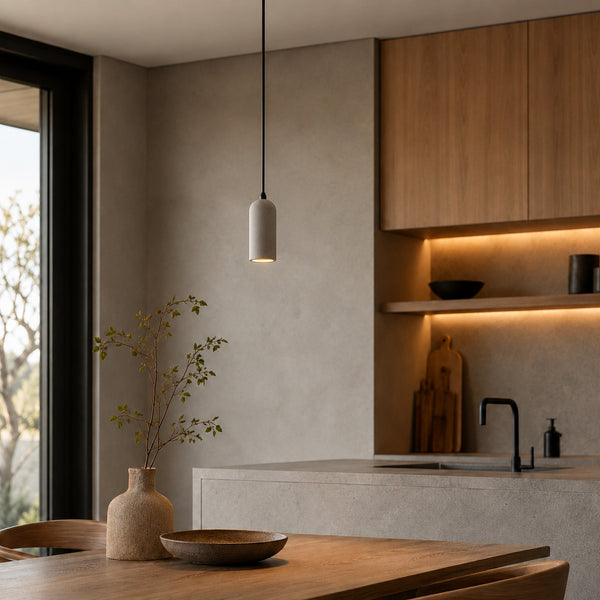
Ando Concrete Pendant Light — Natural Grey, Cylinder
Natural ConcreteE27 ES1 lampholderFrom £83In stockView product → -
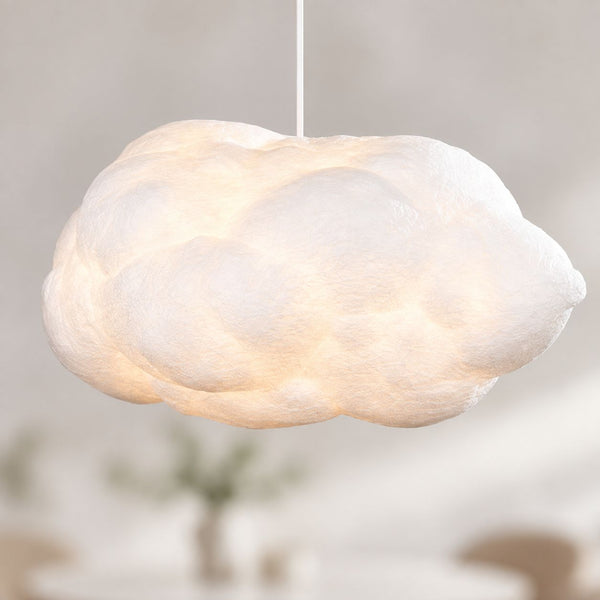
PENDANT LIGHTS
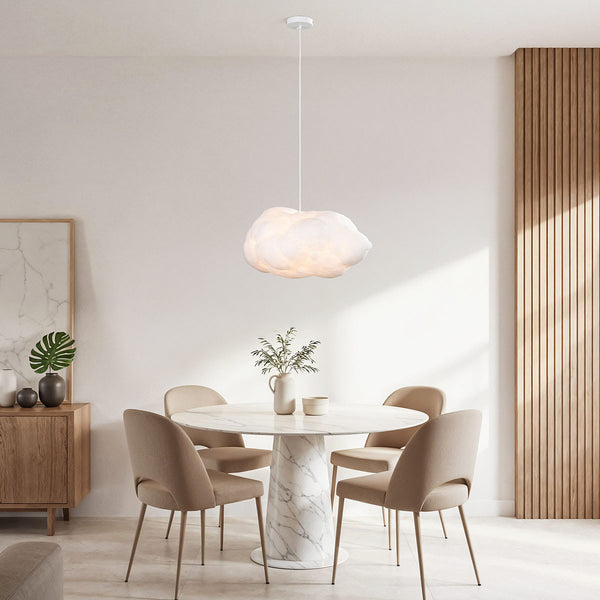
Nuvola Cloud Pendant Light — White, Medium
WhiteE272 lampholders£125In stockView product → -
For your first order
10% off your first light
Leave your email and the code arrives straight away.
Then a short email most weeks. Unsubscribe any time. Privacy policy
Thank you
Your 10% code is on its way to your inbox. Any light, 30 days, no minimum.
-
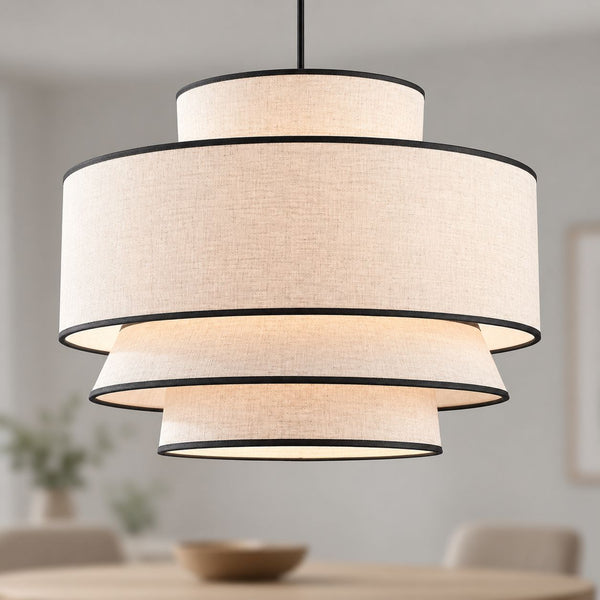
PENDANT LIGHTS
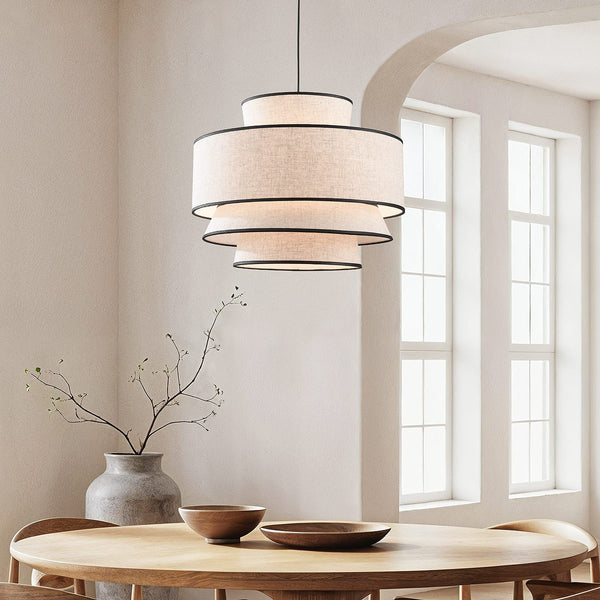
Nori Linen Pendant Light — Natural & Black, 50 cm
Black and WhiteE271 lampholder£110In stockView product → -
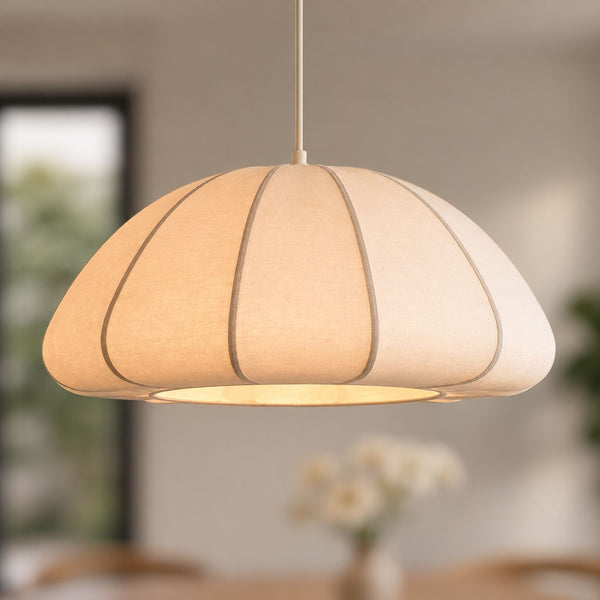
PENDANT LIGHTS
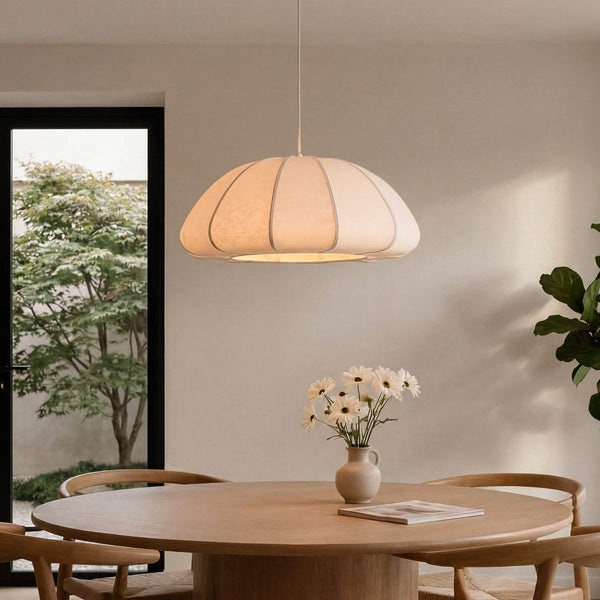
Ines Fabric Pendant Light — Off-White, 60 cm
Off-whiteE271 lampholder£160In stockView product → -
5 sizes
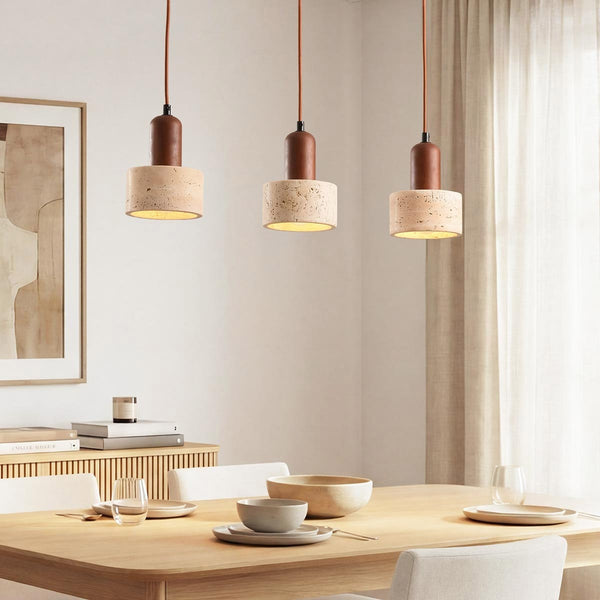
PENDANT LIGHTS
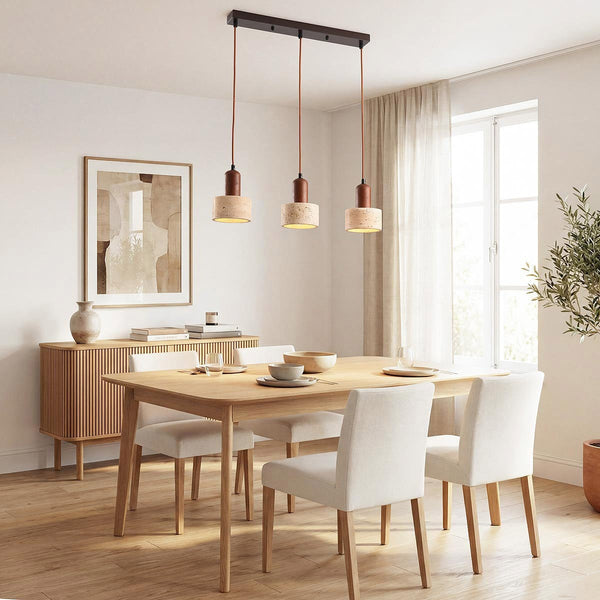
Taoka Travertine & Wood Pendant Light — 3 Lights, Linear
Dark brown and travertine beigeE273 lampholdersFrom £75In stockView product → -
5 sizes
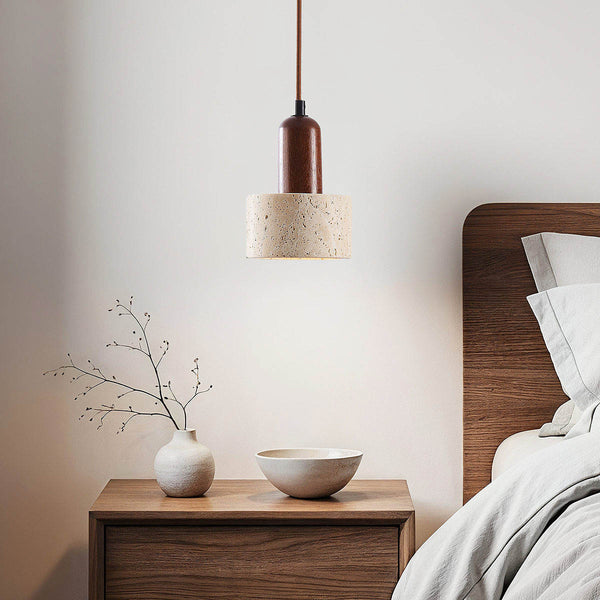
PENDANT LIGHTS
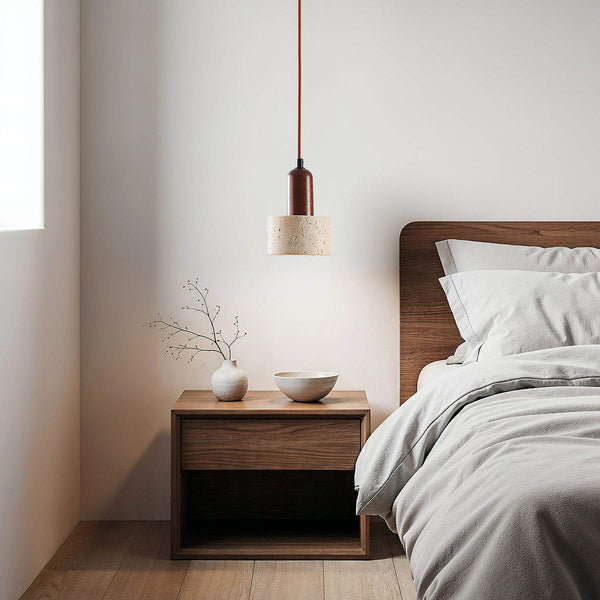
Taoka Travertine & Wood Pendant Light — Single
Travertine BeigeE271 lampholderFrom £75In stockView product → -
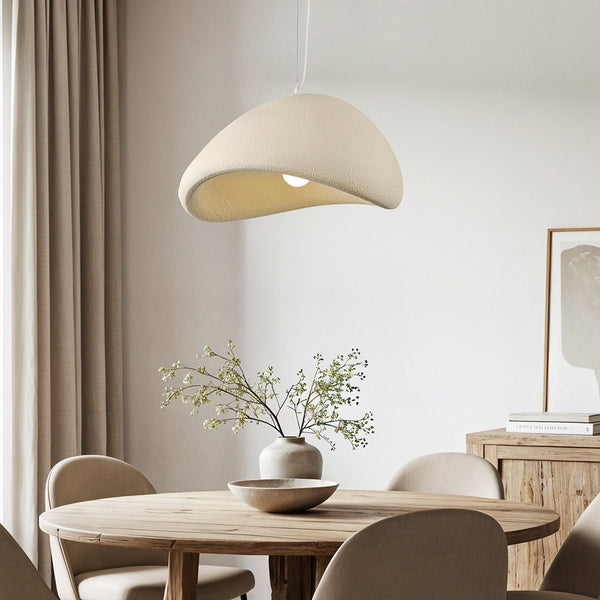
PENDANT LIGHTS
Kara Organic Stone-Effect Pendant Light — Sand Beige
2 coloursSand BeigeE271 lampholder£175In stockView product → -
PENDANT LIGHTS
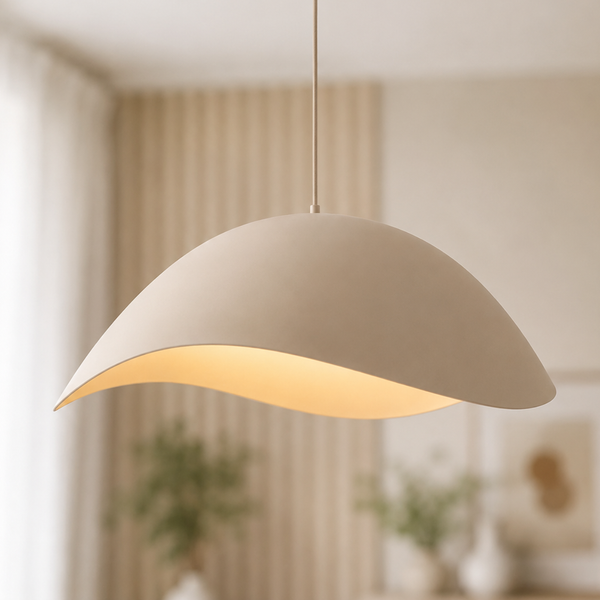
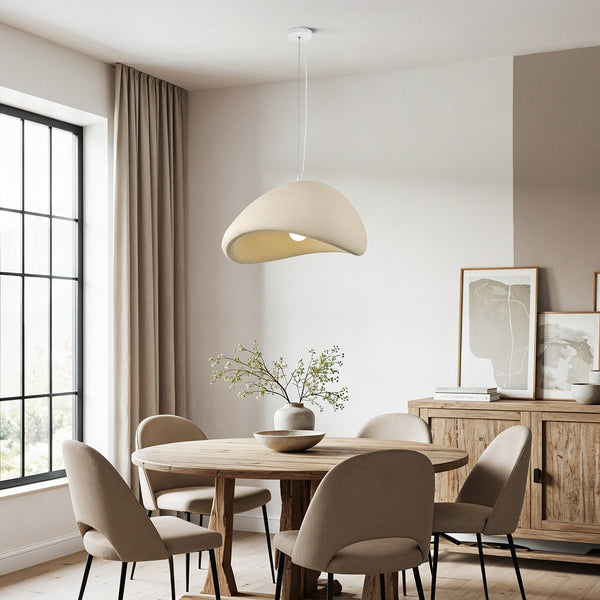
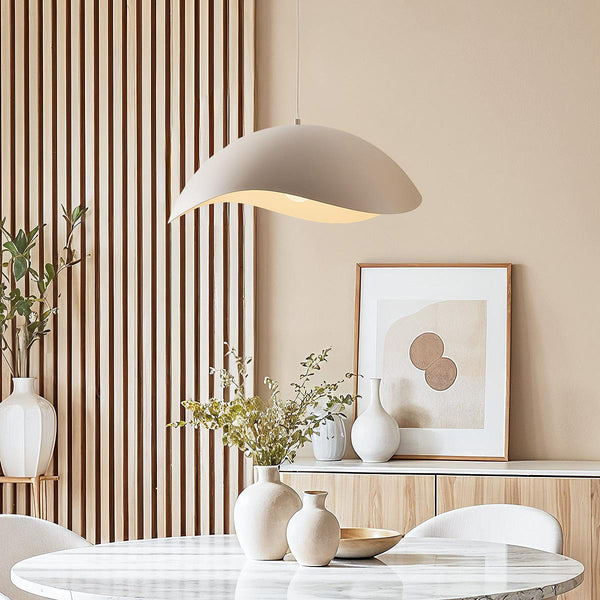
Nami Wavy Metal Pendant Light — Sand Taupe
Sand TaupeE271 lampholder£145In stockView product → -

PENDANT LIGHTS
Halo 4-Light Linear Ribbed Pendant — Glass, Antique Brass
Antique BrassE14 SES4 lampholders£260In stockView product → -

PENDANT LIGHTS
Halo 3-Light Ribbed Drum Pendant — Glass, Antique Brass
Antique BrassE14 SES3 lampholders£210In stockView product →




Showing 12 of 87
Buying Guide
How to Choose the Right Pendant Light
Frequently Asked Questions
What are hanging lamps from the ceiling actually called?
They are pendant lights, sometimes called ceiling pendants or drop lights. Any fitting suspended from the ceiling on a cable, chain or rod counts — whether it is a single glass globe over a bedside table or a five-light drum over a dining table. People search for them as hanging lamps, dangling lights and ceiling lamps just as often as pendants, and they all describe the same thing.
What is the difference between a pendant light and a ceiling light?
A pendant hangs below the ceiling on a cable, chain or rod, so it becomes a visible object in the room and throws light downward onto a specific surface. A flush or semi-flush ceiling light sits against the ceiling itself, giving broader, more even light and no head-height obstruction. Pendants suit dining tables, islands and stairwells; flush fittings suit low ceilings, hallways and anywhere people walk beneath.
What counts as a unique or unusual pendant light?
Usually it is the material or the form rather than the shape of the shade. Hand-woven rattan throws patterned shadows across the ceiling, natural alabaster glows from within rather than simply reflecting light, and hand-finished ceramic and plaster carry small variations from piece to piece. Anything made in small runs tends to look unlike the fittings sold in volume on the high street.
What height should I hang a pendant light above a dining table?
The bottom of the pendant should hang 75-90cm above the surface of a dining table to provide adequate task lighting whilst avoiding glare at eye level when seated. For kitchen islands or breakfast bars, maintain a minimum clearance of 70cm above the worktop to prevent head collisions whilst allowing ample working light. If you have particularly high ceilings (above 2.7m), you can increase these measurements proportionally whilst keeping the light within the functional zone.
How do I choose the right pendant diameter for my room size?
A general formula is to add the room's length and width in metres, then convert to centimetres for the ideal pendant diameter (e.g., 4m + 3m = 7, suggesting a 70cm pendant). For dining tables specifically, choose a pendant or cluster that's 30-45cm narrower than the table width to maintain visual balance. Oversized pendants work well in rooms with ceiling heights above 2.7m, whilst compact spaces under 10m² suit pendants under 30cm diameter to avoid overwhelming the space.
Do pendant lights need to be installed by a qualified electrician in the UK?
Under Part P of the Building Regulations in England and Wales, replacing an existing pendant light fitting on a like-for-like basis is generally considered non-notifiable work that a competent person can undertake. However, installing new ceiling points, running new cables, or any work in kitchens or bathrooms must be carried out by a Part P certified electrician or notified to Building Control. Scotland has similar requirements under BS 7671, and when in doubt, always use a registered electrician.
Can I use smart bulbs in pendant lights, and will they work with existing dimmer switches?
Smart bulbs (such as Philips Hue or LIFX) work in any pendant with standard E27, E14, B22, or GU10 fittings, but they should not be used with traditional trailing edge or leading edge dimmer switches as this causes conflicts between the two dimming systems. If your pendant is on a dimmer circuit, either replace the dimmer with a standard switch or choose a pendant with integrated LED dimming that's compatible with your existing dimmer type. Always check the pendant's maximum wattage hasn't been exceeded when using multiple smart bulbs.
What's the difference between a BESA box and a standard ceiling rose for pendant installation?
A BESA box (British Electrical Standards Association) is a 3.5-inch diameter metal box recessed into the ceiling that provides a secure fixing point and terminal connections, commonly found in modern UK builds and commercial properties. Standard plastic ceiling roses are surface-mounted and more common in older residential properties, though both can support pendant lights up to around 5kg. Heavier pendants or those requiring deeper back plates may need a BESA box retrofitted or additional ceiling reinforcement installed by an electrician.
Can I install multiple pendant lights on one ceiling rose or lighting circuit?
UK lighting circuits are typically rated at 6 amps, allowing approximately 1380 watts total load, which easily accommodates multiple pendants on the same circuit. However, a single ceiling rose or BESA box should only support one pendant fitting unless it's specifically designed as a multi-outlet plate. For clustered pendants or multiple drop arrangements, use a multi-way ceiling plate or rose designed for the purpose, ensuring the combined weight doesn't exceed the fixing's load rating (typically 5kg for standard installations).
What's the maximum wattage for pendant light bulbs, and does it matter with LED bulbs?
Every pendant will have a maximum wattage rating (commonly 40W or 60W per socket) marked on the fitting or in the instructions, which primarily addresses heat dissipation from traditional incandescent bulbs. LED bulbs generate far less heat, so a 10W LED (equivalent to 60W incandescent brightness) is safe in almost any pendant, but you must still never exceed the stated maximum wattage as this relates to the cable and component ratings. Always check the total load if using multiple bulbs in a cluster pendant, as the combined wattage must stay within the fitting's rating.