
Outdoor Lighting
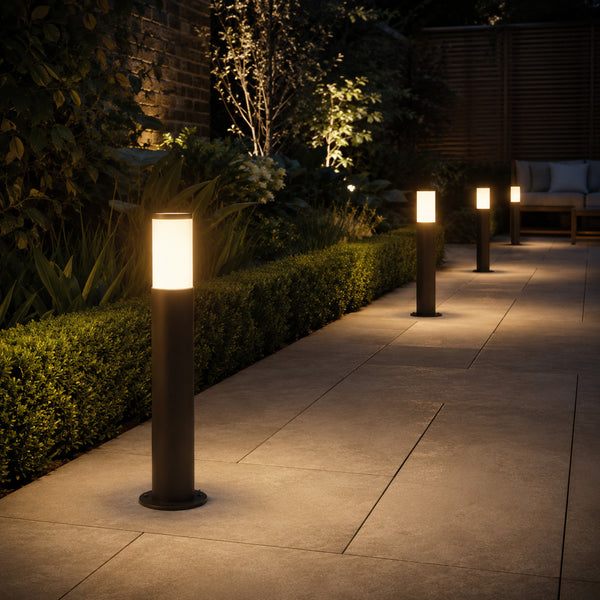
Bollard & Post Lights
Freestanding outdoor lights for paths, driveways and garden borders. Stainless steel, anthracite and smart WiFi options.
Filters
10 items
Sort Most relevant
-
2 sizes
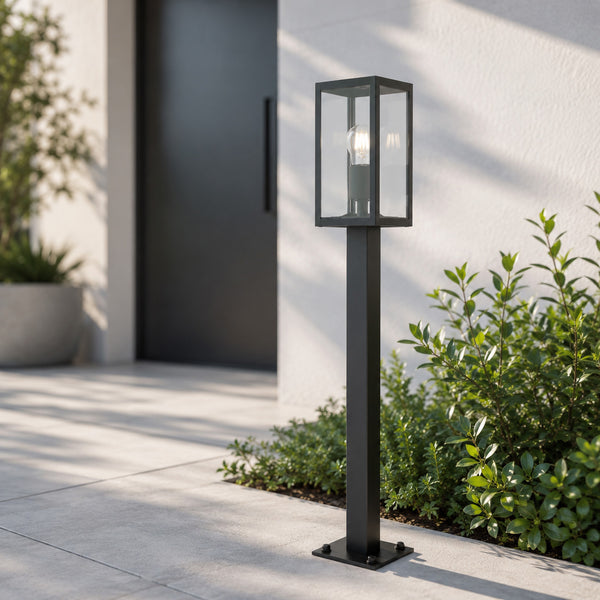
OUTDOOR LIGHTING
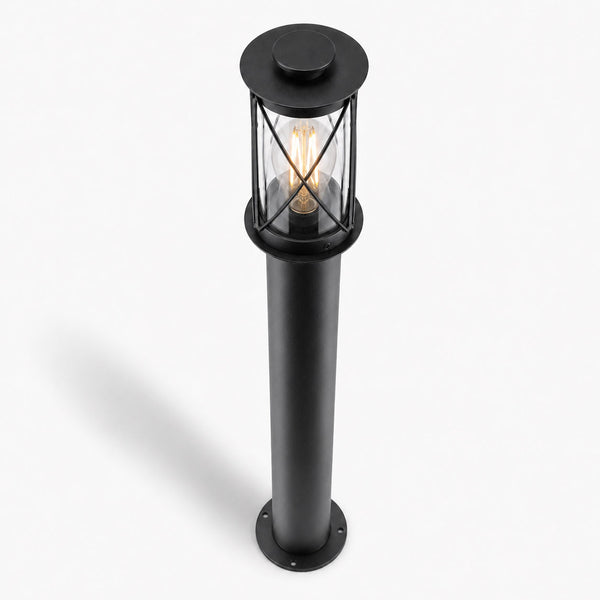
Mirage Outdoor Lantern Path Light — Anthracite
AnthraciteE27 ES1 lampholderFrom £120In stockView product → -
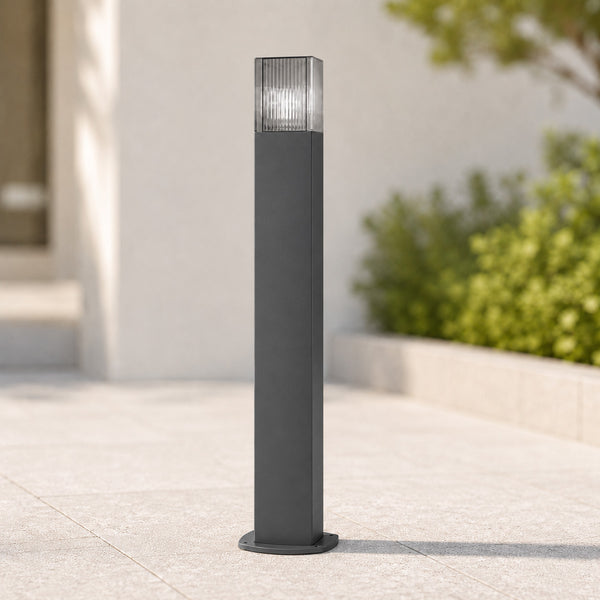
OUTDOOR LIGHTING
Dark Outdoor Path Light — Anthracite, 75cm, Motion Sensor
AnthraciteE27 ES1 lampholder£110In stockView product → -
2 sizes
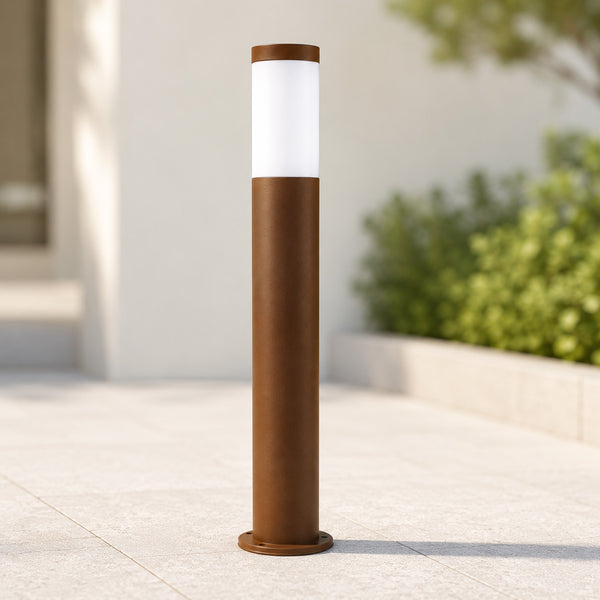
OUTDOOR LIGHTING
Tokyo Outdoor Path Light — Bronze
2 coloursBronzeE27 ES1 lampholderFrom £50In stockView product → -
Signature Signature Made or designed by Europe’s independent ateliers — small runs, real materials, hand-finished. The top of the Enso range. 2 sizes
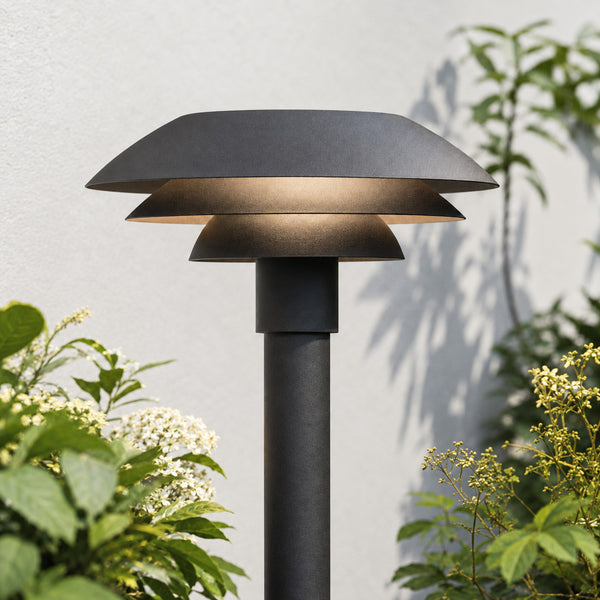
OUTDOOR LIGHTING
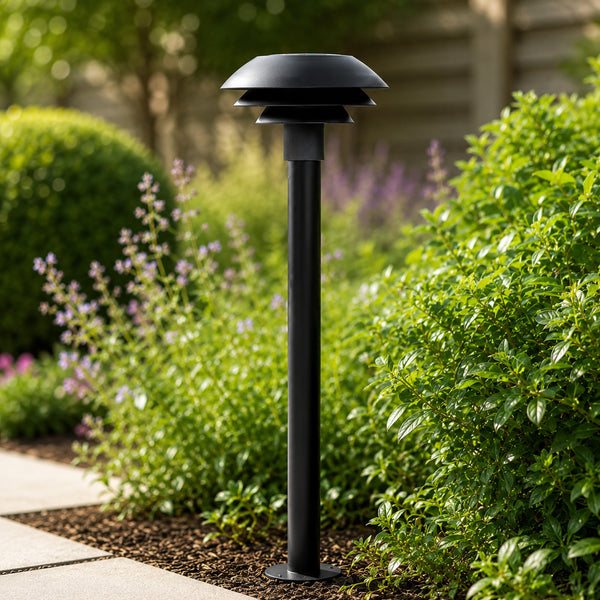
DL20 Outdoor Path Light — Matt Black
Made in Denmark
Matt BlackG91 lampholderFrom £100In stockView product → -
OUTDOOR LIGHTING
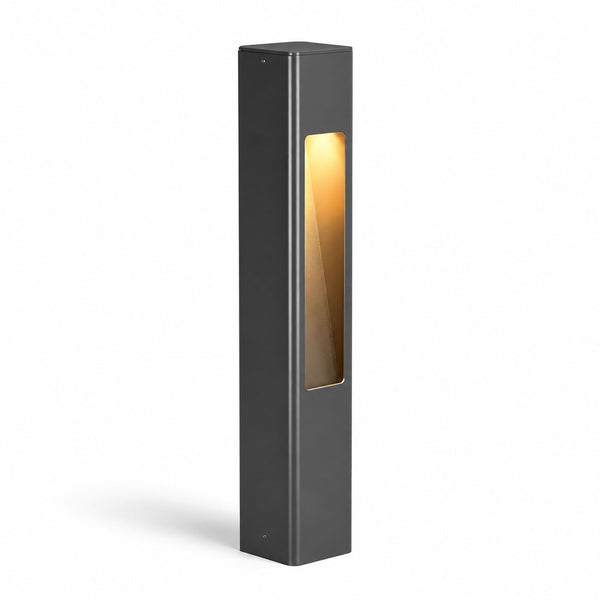
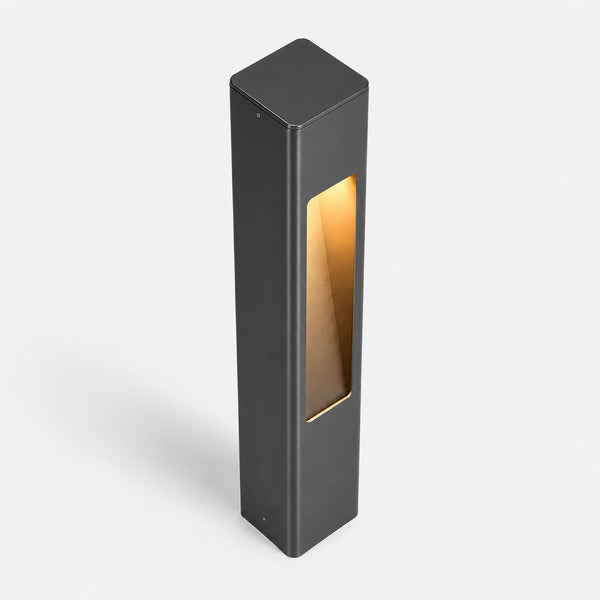
Torino GU10 Bollard Post Light — Aluminium, Anthracite
AnthraciteGU101 lampholder£120In stockView product → -
OUTDOOR LIGHTING
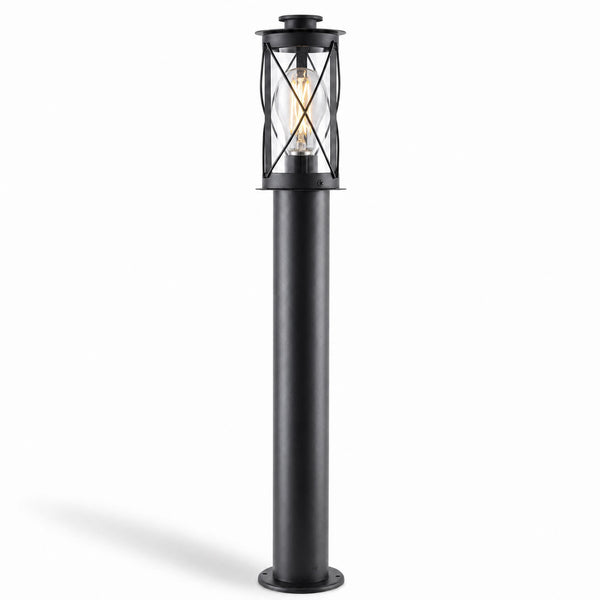
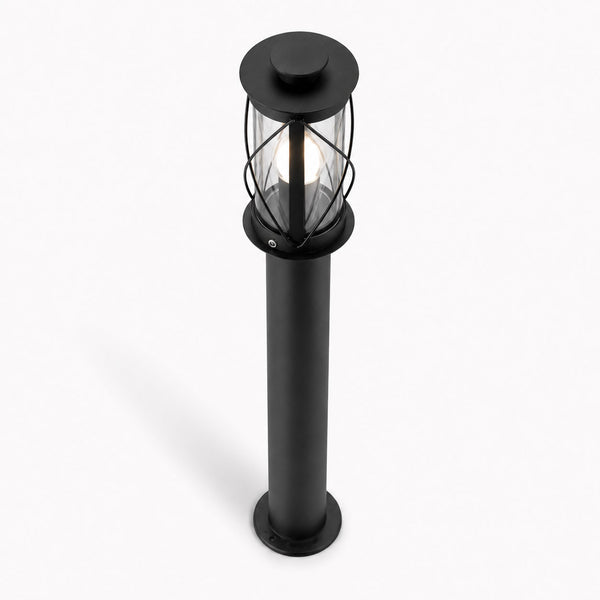
Lucia Rustic Bollard Post Light — Stainless Steel, Black 80cm
BlackE27 ES1 lampholder£100In stockView product → -
OUTDOOR LIGHTING
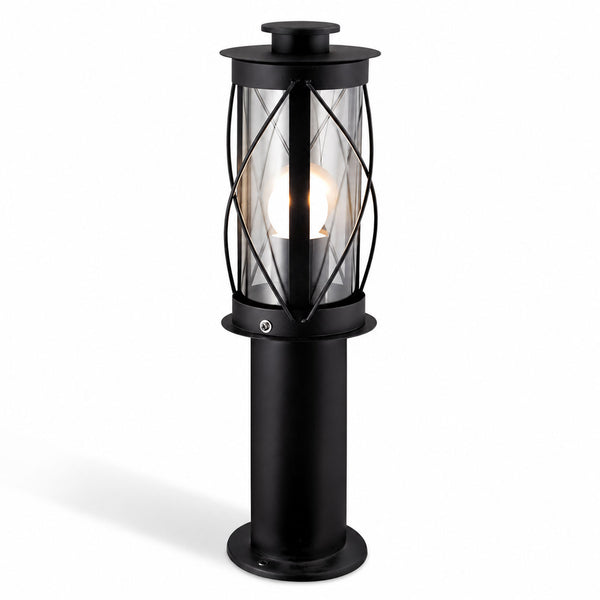
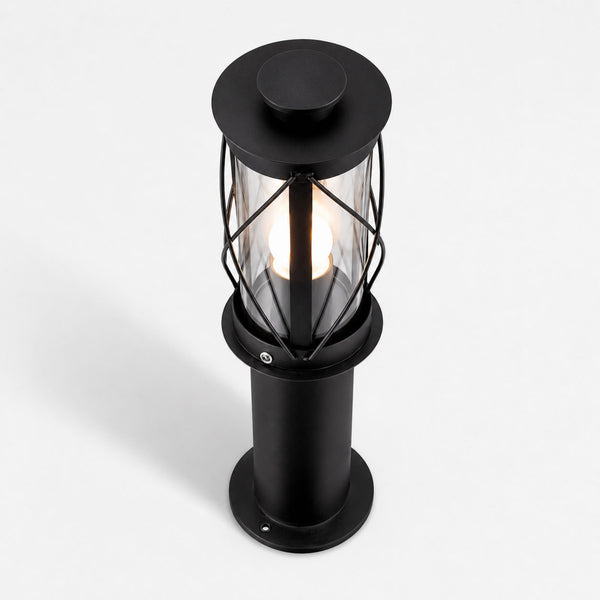
Lucia Rustic Bollard Post Light — Stainless Steel Black, 40cm
BlackE27 ES1 lampholder£75In stockView product → -
OUTDOOR LIGHTING
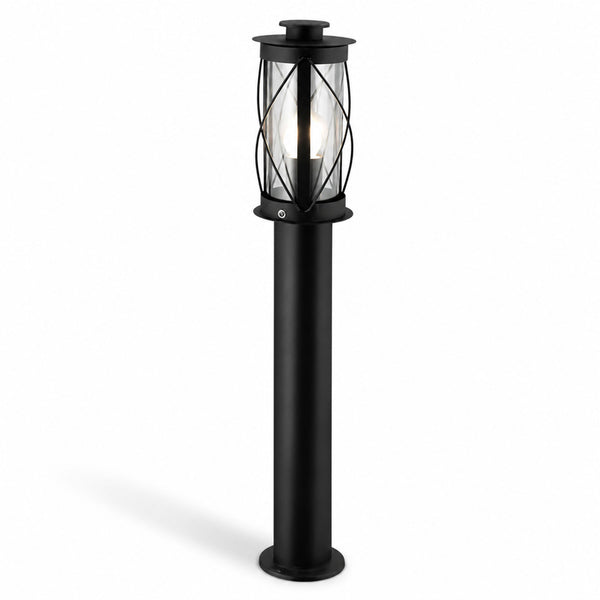
Lucia Rustic Bollard Post Light — Stainless Steel Black, 60cm
BlackE27 ES1 lampholder£85In stockView product → -
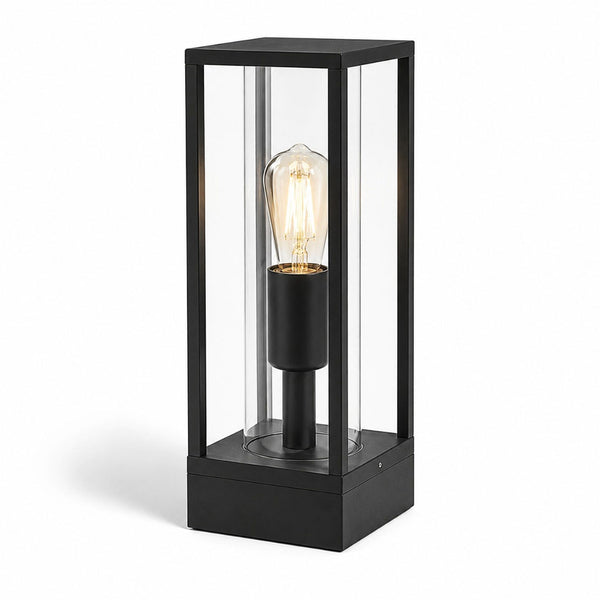
OUTDOOR LIGHTING
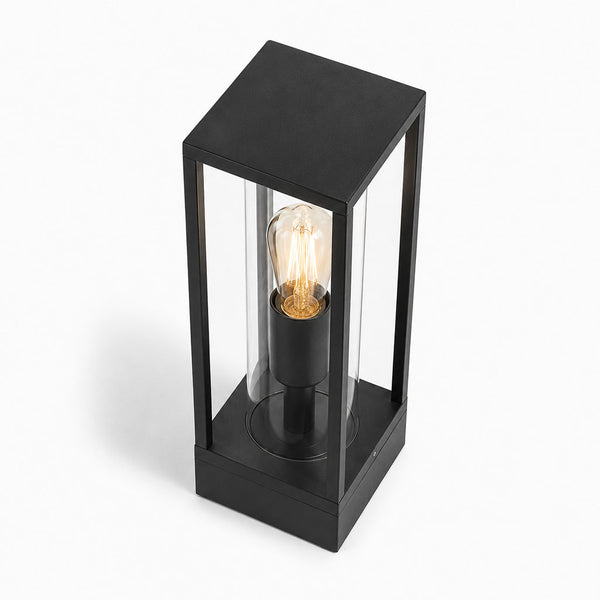
Ted Box Outdoor Post Aluminium Lantern — Black
BlackE27 ES1 lampholder£75In stockView product → -
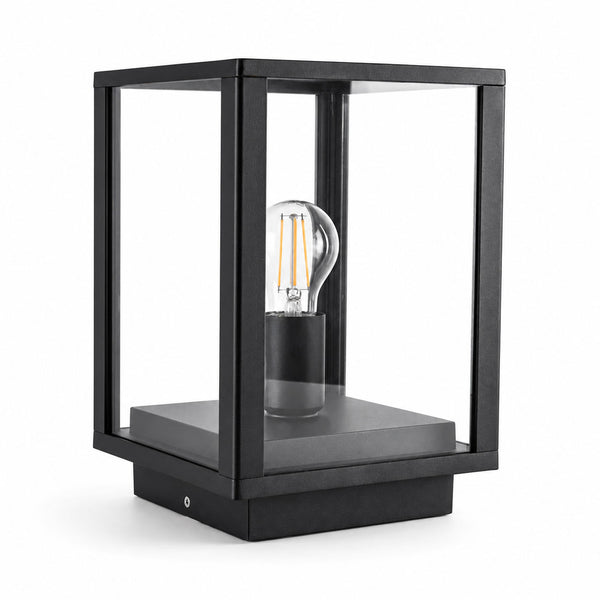
OUTDOOR LIGHTING
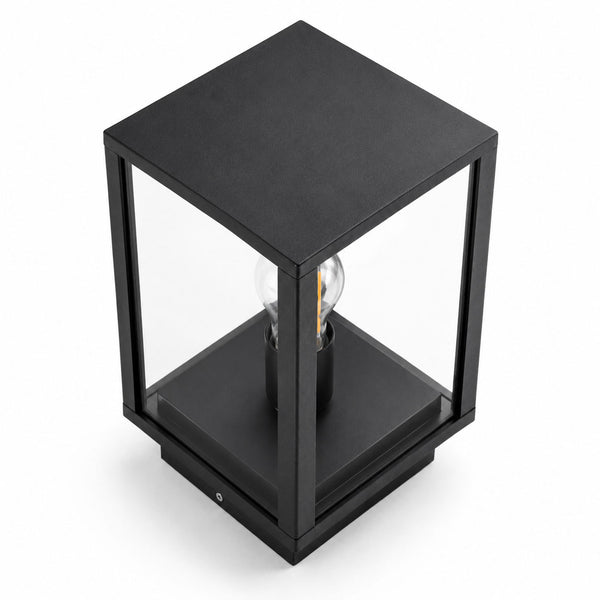
Sem Glass Panel Post Aluminium Lantern — Black
BlackE27 ES1 lampholder£120In stockView product →
Buying Guide
Frequently Asked Questions
What IP rating do I need for outdoor bollard lights in the UK?
For bollard lights in exposed UK gardens, aim for a minimum of IP44, which protects against splashing water from any direction. If the bollard will be in particularly exposed areas prone to heavy rain or near water features, IP65 or higher offers better protection against water jets and ensures longevity. Always check the manufacturer's IP rating matches your installation location before purchasing.
Do outdoor bollard lights need to be installed by a qualified electrician?
Under Part P of the UK Building Regulations, outdoor electrical work is notifiable and generally requires installation by a registered competent person or Part P qualified electrician. Mains-voltage bollards (230V) must be installed by a professional with the correct certification. Some low-voltage (12V) bollard systems with plug-in transformers may be DIY-friendly, but always verify your specific product's requirements and local authority regulations.
How far apart should I space bollard lights along a garden path?
For pathway lighting, space bollard lights every 3-5 metres for adequate illumination without creating harsh bright spots. The exact spacing depends on the bollard height and lumen output—taller bollards (800-1000mm) with higher lumens can be spaced further apart, whilst shorter bollards (400-600mm) work best closer together. Consider overlapping pools of light by about one-third for even coverage and to avoid dark patches.
Can I use LED bulbs or smart bulbs in outdoor bollard lights?
Most modern outdoor bollards either come with integrated LEDs or accept standard E27/GU10 bulbs, making them compatible with LED replacements. For smart bulb compatibility, check that the bollard doesn't have a built-in photocell or motion sensor, as these can interfere with smart functionality. If the bollard includes a dimmer function, ensure any bulb you use is marked as dimmable to avoid flickering or reduced lifespan.
What height bollard light is best for driveways versus pathways?
For driveways where you need better visibility and light spread, choose bollards between 800-1000mm tall. Pathways and garden borders work better with shorter bollards of 400-600mm, which provide subtle wayfinding without glare at eye level. Taller bollards also suit larger properties and commercial settings, whilst shorter ones create a more intimate residential feel and reduce light pollution for neighbours.
Do bollard lights need a separate cable run or can they daisy chain?
Many outdoor bollard systems allow daisy-chaining, where you run cable from one bollard to the next, reducing installation complexity and trenching work. Check the manufacturer's specifications for maximum number of bollards per circuit and total cable run length. Your electrician must use appropriate outdoor-rated cable (typically armoured or conduit-protected) buried at the correct depth per BS 7671 wiring regulations—usually 600mm minimum for garden installations.
Will bollard lights cause light pollution or disturb neighbours?
Well-designed bollards direct light downwards and are less likely to cause light pollution than upward-facing fixtures, but positioning matters. Keep bollards below 1 metre height near boundaries, and choose models with shielded bulbs or louvres to minimise light spill. Under the Environmental Protection Act 1990, excessive light can be considered a statutory nuisance, so be considerate with placement and consider models with PIR sensors or timers to limit operating hours.