
Shop by Room
Home Office Lighting
Desk lamps, floor lamps and wall lights for working from home. Task light that's easy on the eyes through long days.
Filters
42 items
Sort Most relevant
-
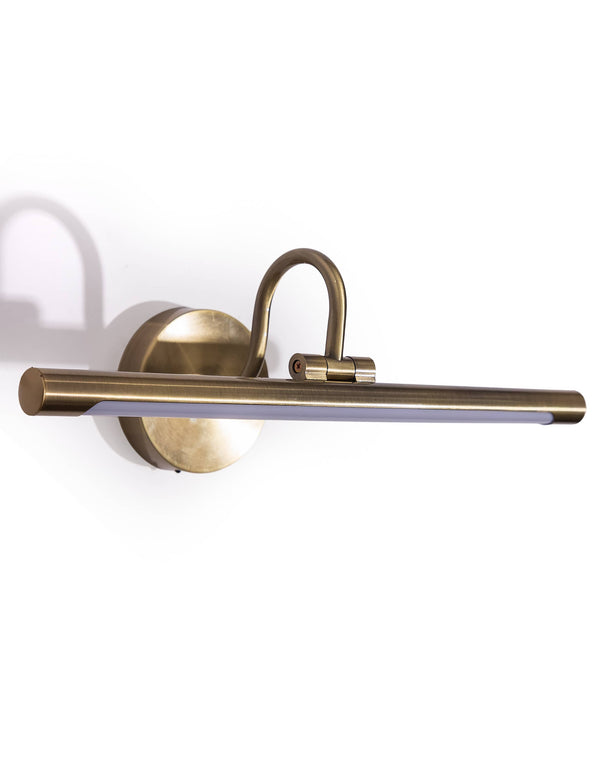
WALL LIGHTS
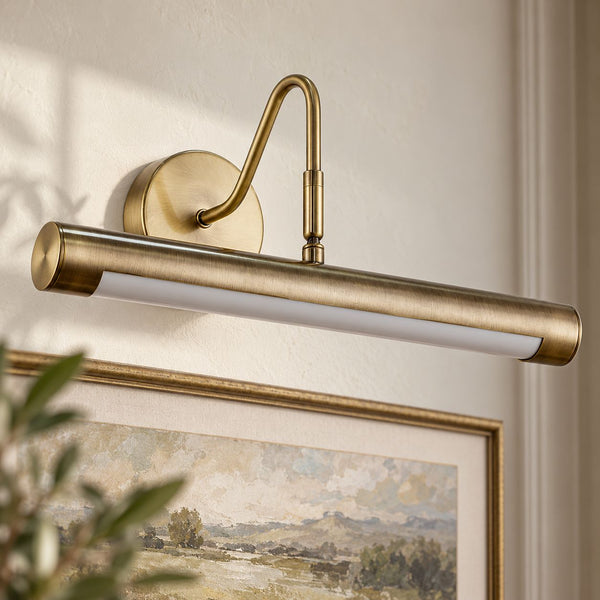
Galera Rechargeable Picture Light — Brushed Brass
Brushed Brass£61In stockView product → -
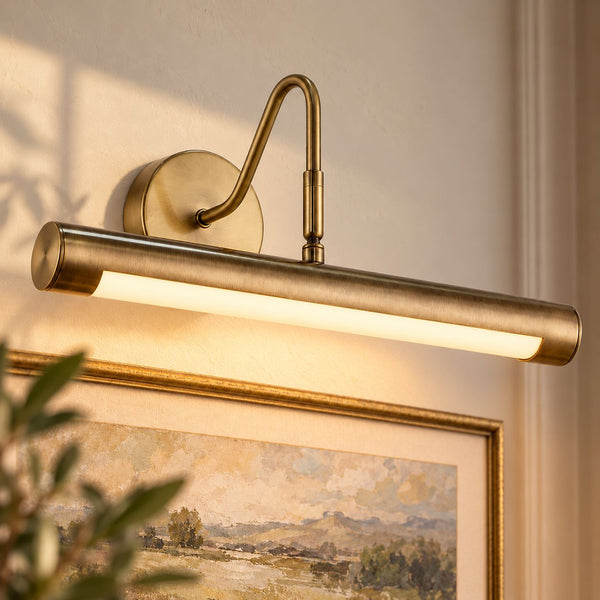
WALL LIGHTS
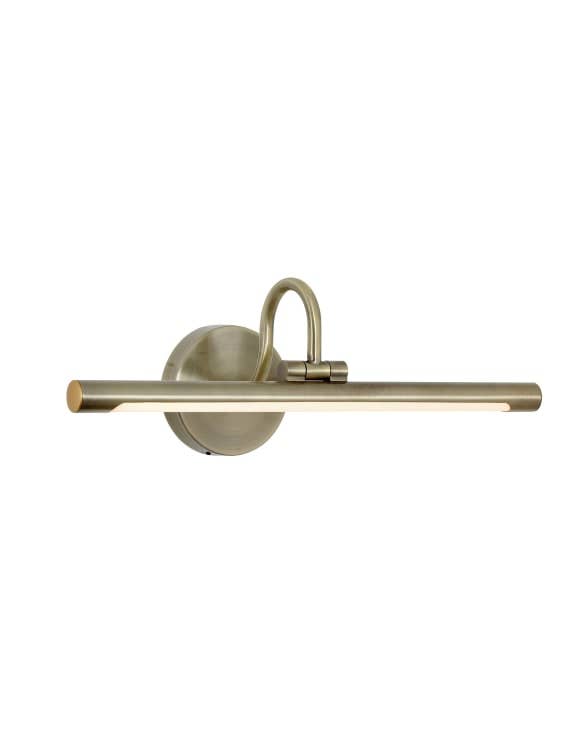
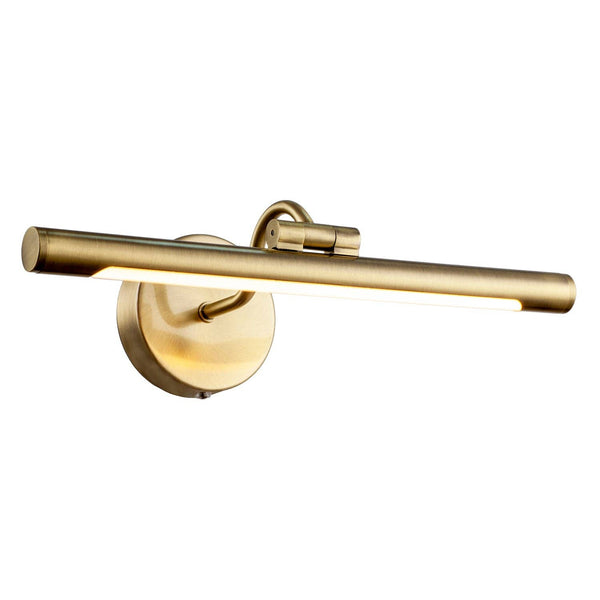
Oriel Rechargeable Picture Light — Antique Brass, 35cm
Antique BrassIntegrated LED£80Made to orderView product → -
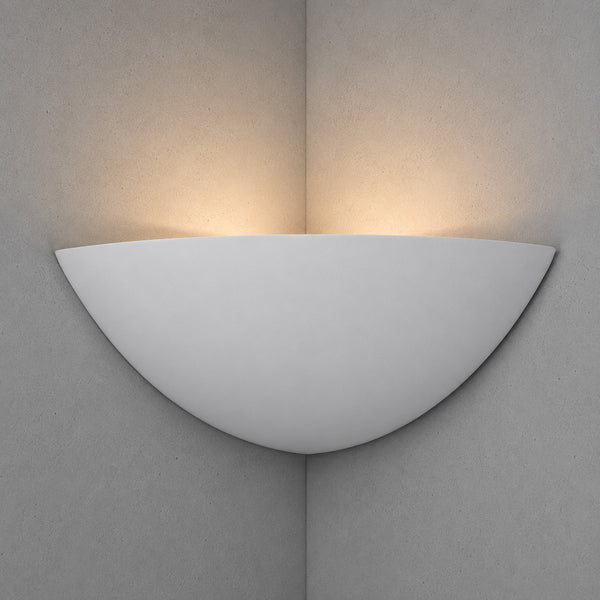
WALL LIGHTS
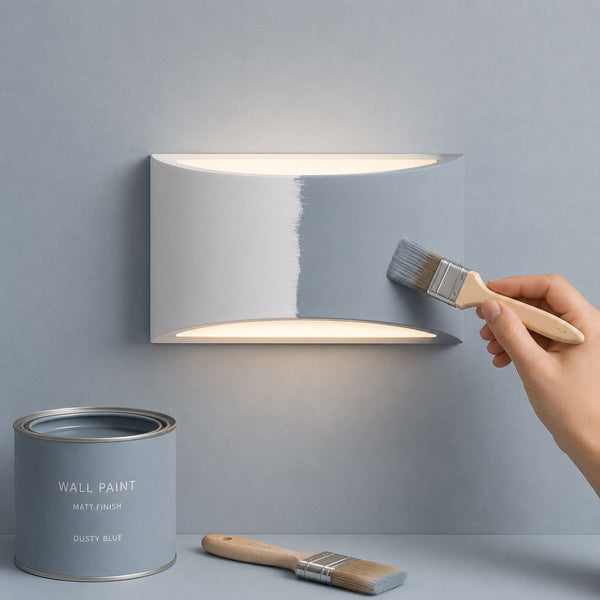
Santorini Corner Wall Light — Paintable White Plaster, Uplight
Paintable WhiteE14 SES1 lampholder£78In stockView product → -
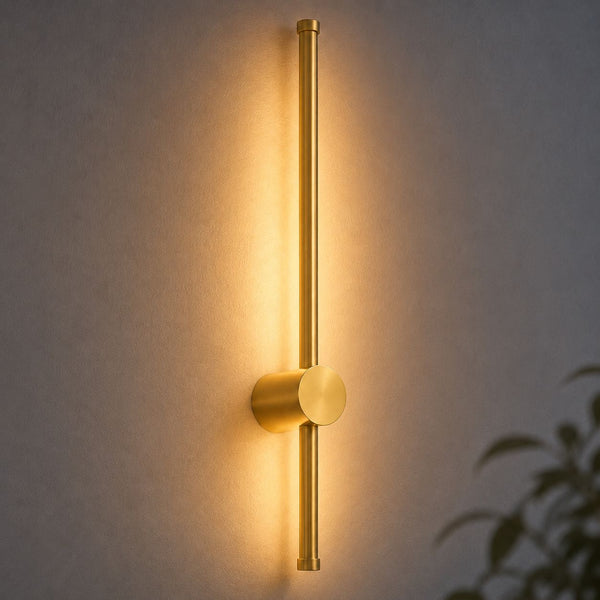
WALL LIGHTS
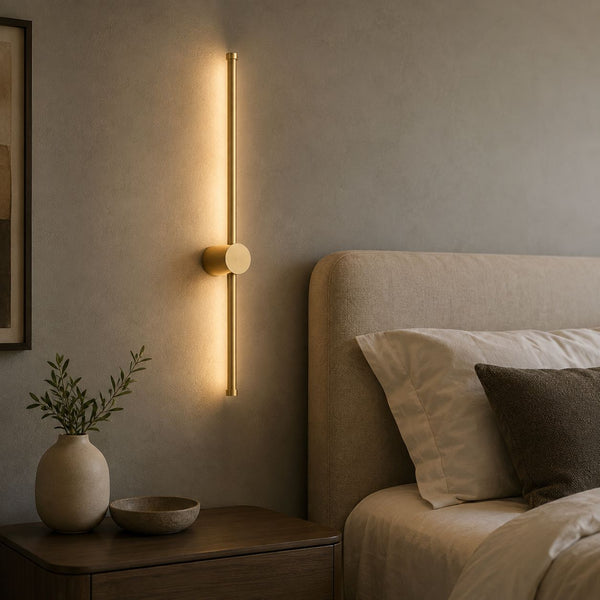
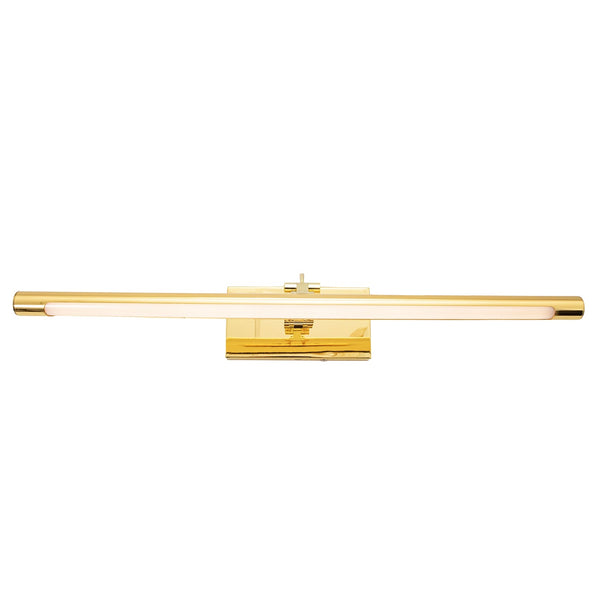
Vireo LED Stick Wall Light — Brushed Gold, Ambient Backlight
Brushed GoldIntegrated LED£53UnavailableView product → -
For your first order
10% off your first light
Leave your email and the code arrives straight away.
Then a short email most weeks. Unsubscribe any time. Privacy policy
Thank you
Your 10% code is on its way to your inbox. Any light, 30 days, no minimum.
-
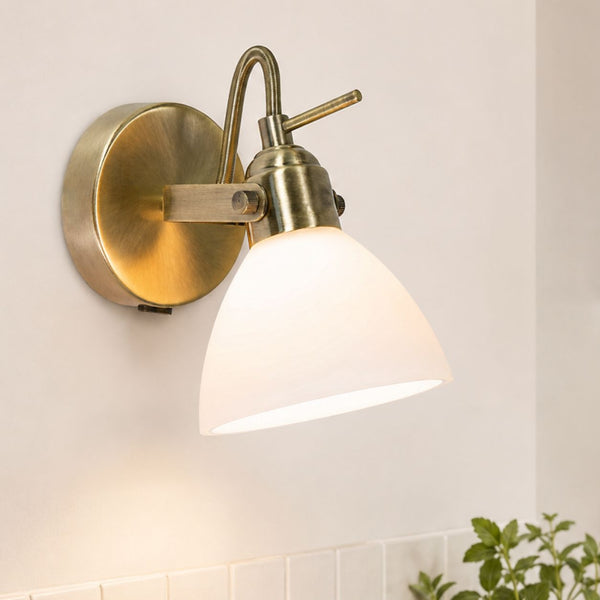
WALL LIGHTS
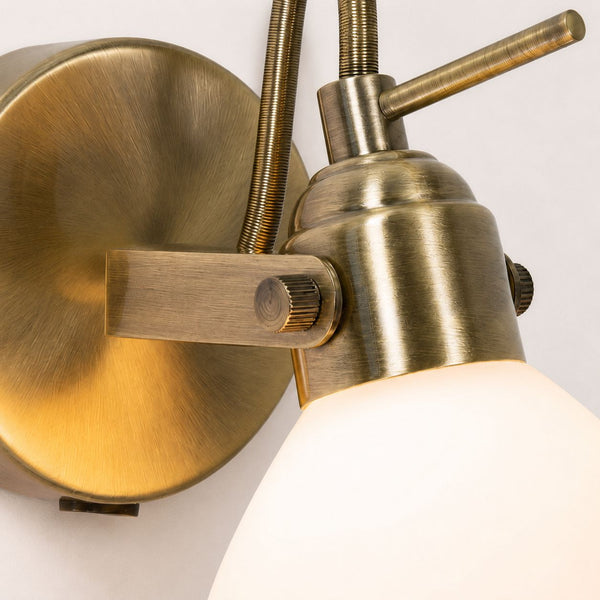
Callas Wall Spot Light — Antique Brass, Opal Glass Shade
Antique BrassG91 lampholder£56In stockView product → -
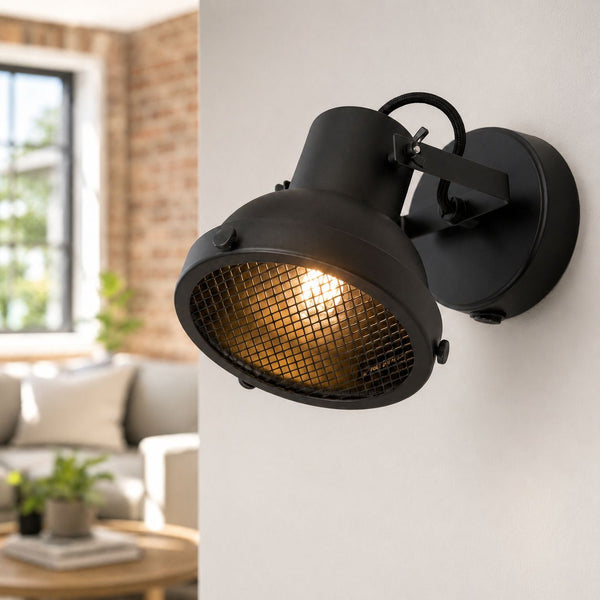
WALL LIGHTS
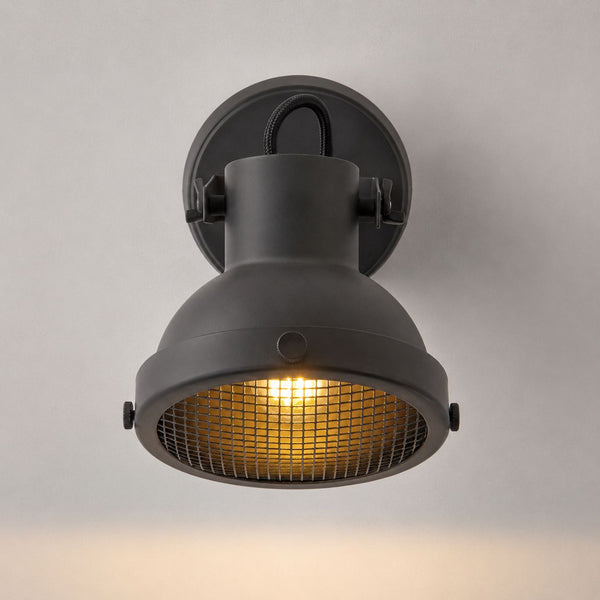
Forge Caged Wall Spot Light — Matt Black, Switched
Matt BlackE141 lampholder£28In stockView product → -
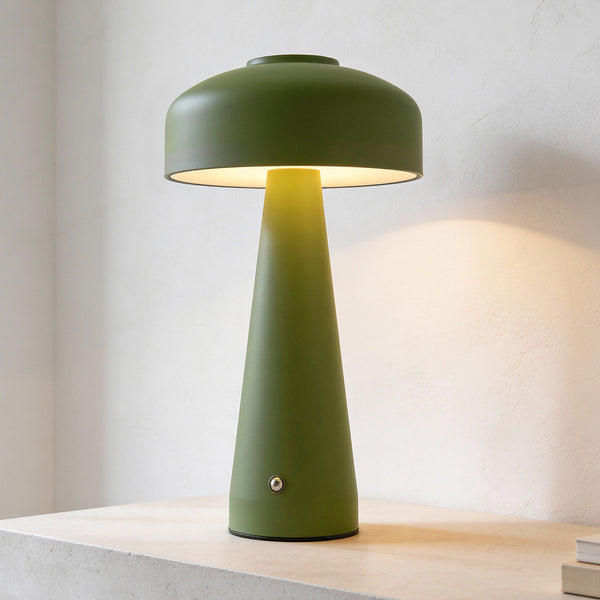
TABLE LAMPS
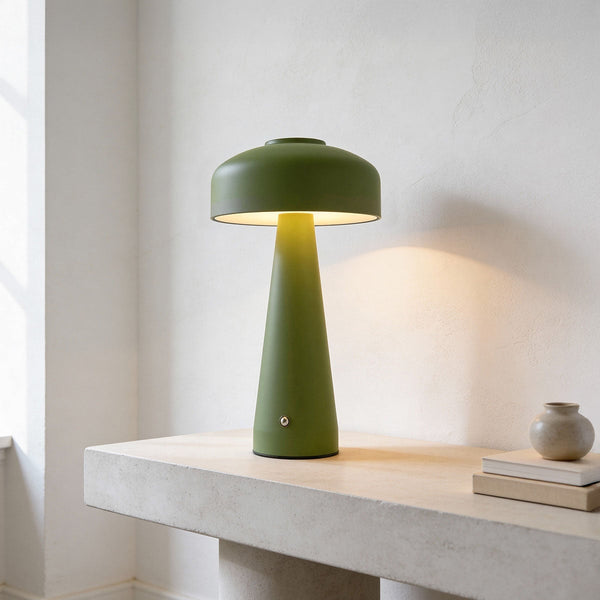
Momo Rechargeable Mushroom Table Lamp — Green
2 coloursGreenIntegrated LED£55In stockView product → -
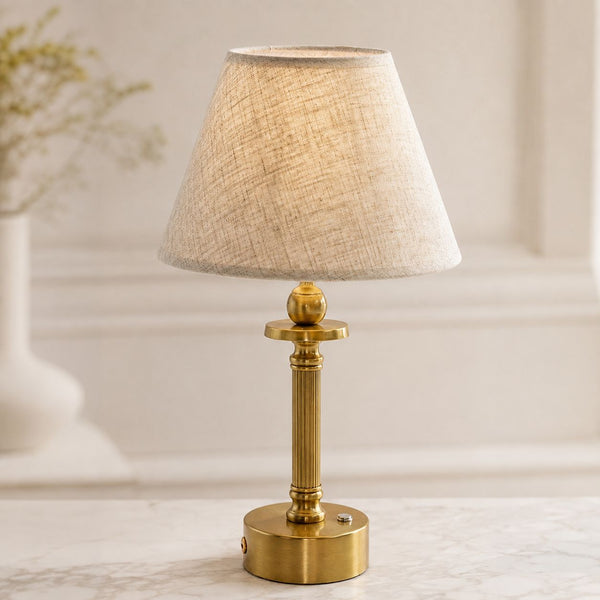
TABLE LAMPS
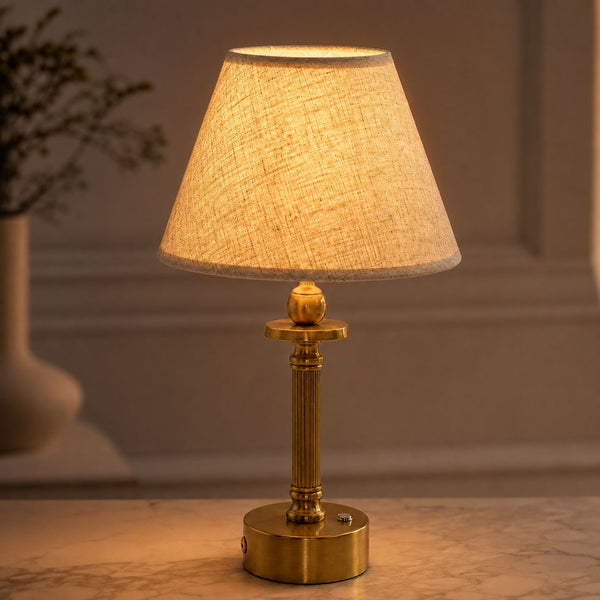
Lira Rechargeable Table Lamp — Brass, Oatmeal Shade
2 coloursBrassE14 SES1 lampholder£80In stockView product → -
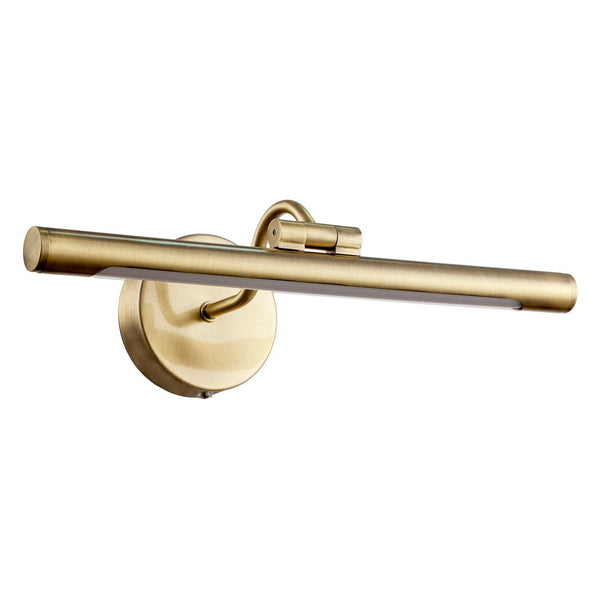
WALL LIGHTS
Arvo Rechargeable Picture Light — Antique Brass, Touch Dimmer
Antique BrassIntegrated LED£80UnavailableView product → -
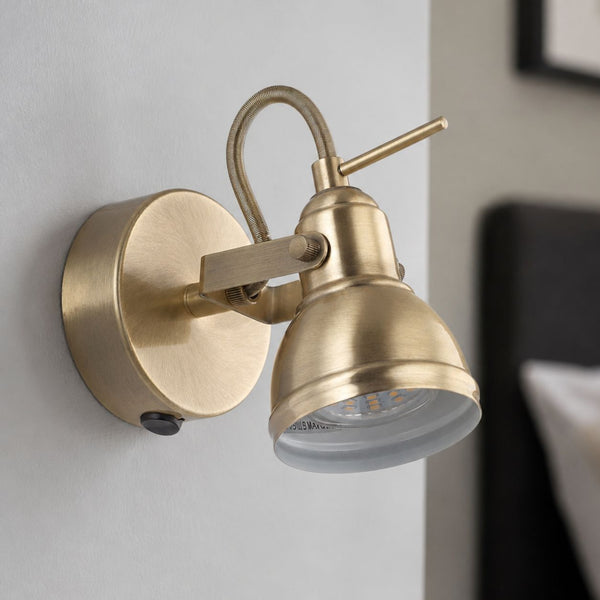
WALL LIGHTS
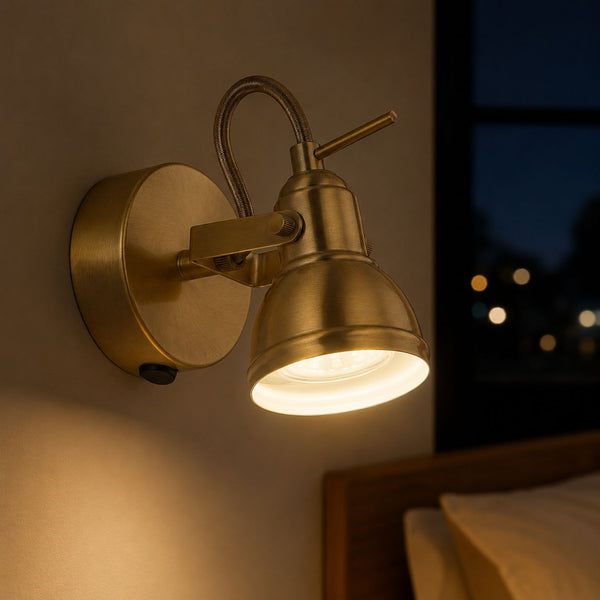
Harlow Industrial Wall Spot Light — Antique Brass, Switched
Antique BrassGU101 lampholder£53In stockView product → -
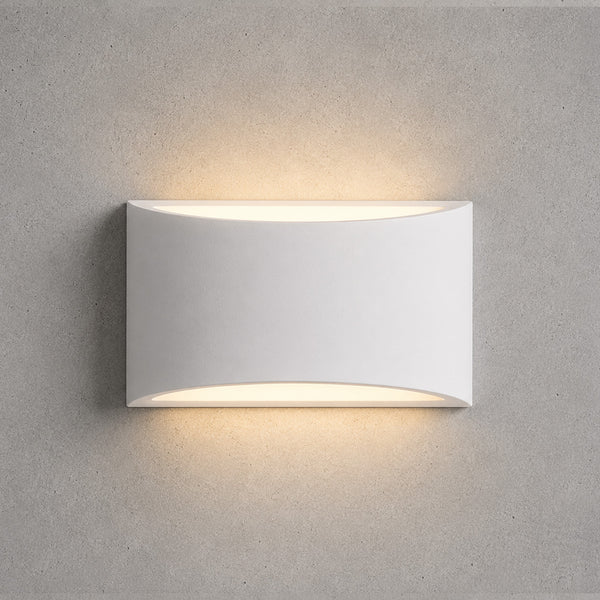
WALL LIGHTS
Galea Paintable Up/Down Light — Plaster, White
Smooth WhiteG91 lampholder£32Made to orderView product → -
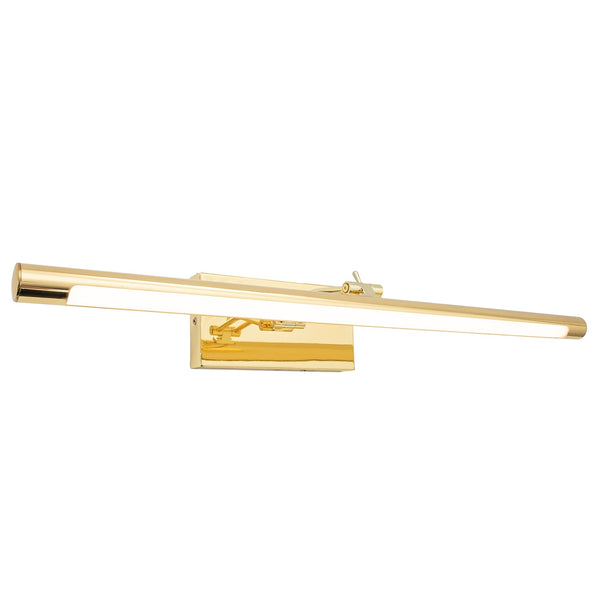
WALL LIGHTS
Lyra Rechargeable Picture Light — Polished Gold, 56cm
Polished GoldIntegrated LED£105Made to orderView product →

Showing 12 of 42
Buying Guide
Frequently Asked Questions
What level of lighting do I need for a home office in the UK?
For general home office work, aim for 300-500 lux at desk level, which typically requires a combination of ambient ceiling lighting (around 2000-3000 lumens for a 10-12m² office) plus a task lamp providing 400-600 lumens directly on your work surface. If you're doing detailed work like technical drawing or design, increase task lighting to 750-1000 lux. Layer your lighting with at least two circuits or separately switched fixtures to avoid eye strain from overly bright or dim conditions.
Do I need an electrician to install office ceiling lights under UK Building Regulations?
Under Part P of the Building Regulations in England and Wales, you can replace an existing ceiling light on a like-for-like basis yourself, but installing new circuits or lighting points requires either a qualified electrician or notification to Building Control. In Scotland, almost all fixed electrical work must be done by a registered electrician. If you're adding multiple office lights or installing dimmer switches, it's safest to use a Part P certified electrician who can self-certify the work.
Can I use smart bulbs and dimmers with office lighting fixtures?
Most modern office lights with E27 or E14 fittings accept smart bulbs, but avoid using smart bulbs with dimmer switches as this causes flickering and can damage the bulb electronics—choose one control method or the other. For integrated LED office lights, check if they're specifically marked as dimmable and use a trailing edge (LED-compatible) dimmer rather than older leading edge types. If you want both dimming and smart control, look for fixtures compatible with smart dimmer modules that fit behind the switch.
Should I choose warm or cool white light for a home office?
Cool white (4000-5000K) is generally better for offices as it promotes alertness and reduces eye strain during screen work, mimicking natural daylight. However, if your office doubles as a guest room or you work evening hours, consider 3500-4000K (neutral white) as a compromise, or install tunable white fixtures that let you shift from energising cool tones during the day to warmer relaxing tones in the evening. Avoid going below 3000K for primary office lighting as it can make the space feel too cosy and reduce productivity.
How do I avoid glare on computer screens from office lighting?
Position ceiling lights slightly behind or to the side of your screen rather than directly overhead, and avoid downlights aimed at your monitor. Use diffused or indirect lighting (such as panels, flush lights with opal diffusers, or uplighters) rather than exposed bulbs or narrow-beam spotlights. If you already have spotlights, fit honeycomb louvres or aim them at walls for bounce lighting, and add an adjustable task lamp with a shade to eliminate shadows without creating screen reflections.
What's the best lighting layout for a small home office under 10m²?
For offices under 10m², a single central flush or semi-flush ceiling light (providing 2000-2500 lumens) combined with a desk lamp gives adequate coverage without overwhelming the space. If the ceiling light is on a dimmer, you can adjust ambient levels throughout the day while the task lamp handles close work. Alternatively, two or three small spotlights on a bar or track allow you to direct light away from screens and onto walls or specific work areas, creating a more flexible setup than a single central fixture.
Do office lights need special IP ratings or fire ratings in the UK?
Standard home offices require no special IP rating—IP20 is sufficient as there's no moisture exposure. However, if you're installing recessed downlights in a ceiling below another floor or loft space, they must be fire-rated (typically 30, 60 or 90 minutes) to prevent fire spread through the ceiling void, as required by Building Regulations Part B. Surface-mounted or pendant office lights don't require fire rating, but ensure any recessed fixture is marked as fire-rated and installed with the proper intumescent hoods.