
Outdoor Lighting
Outdoor Pendant Lights
IP-rated hanging lights for covered porches, pergolas and outdoor dining areas. Bring interior style outside without the weather risk.
Filters
7 items
Sort Most relevant
-
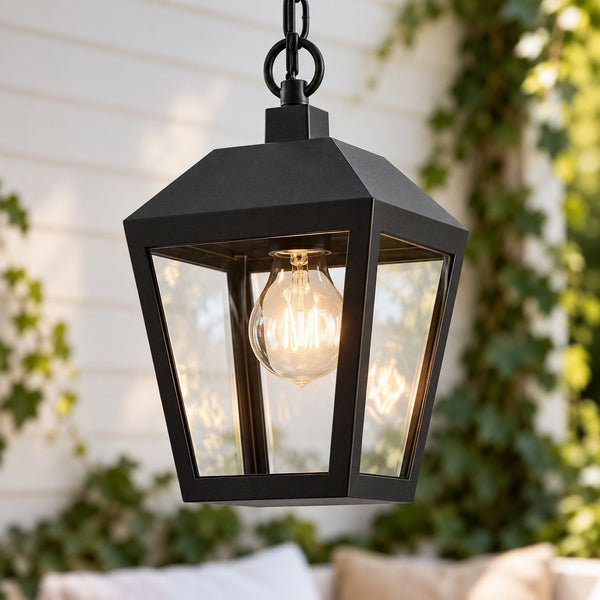
OUTDOOR LIGHTING
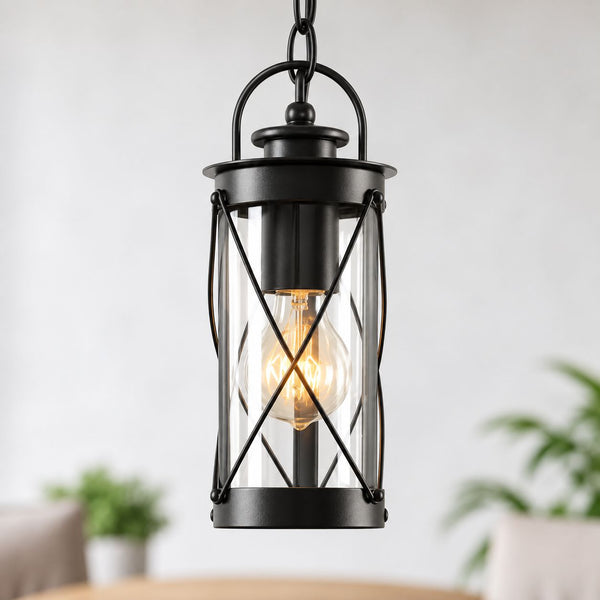
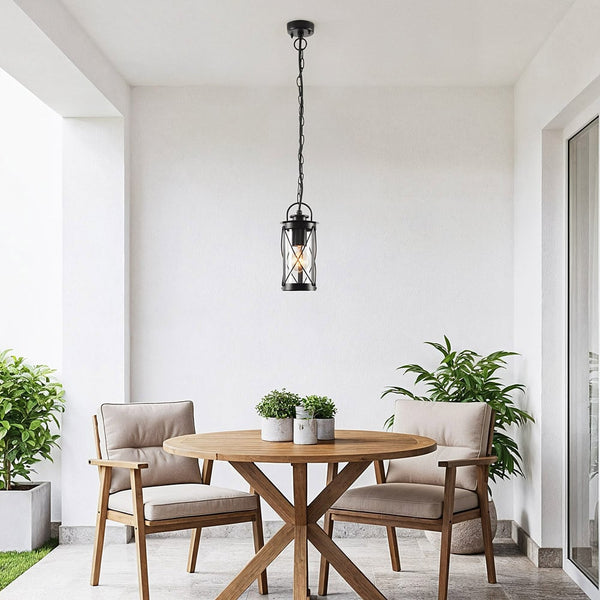
Cairn Rustic Lantern Outdoor Pendant Light — Black
BlackE27 ES1 lampholder£55In stockView product → -
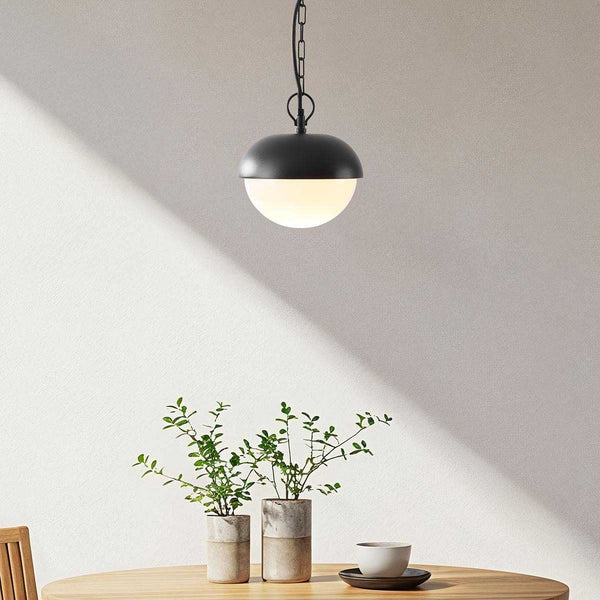
OUTDOOR LIGHTING
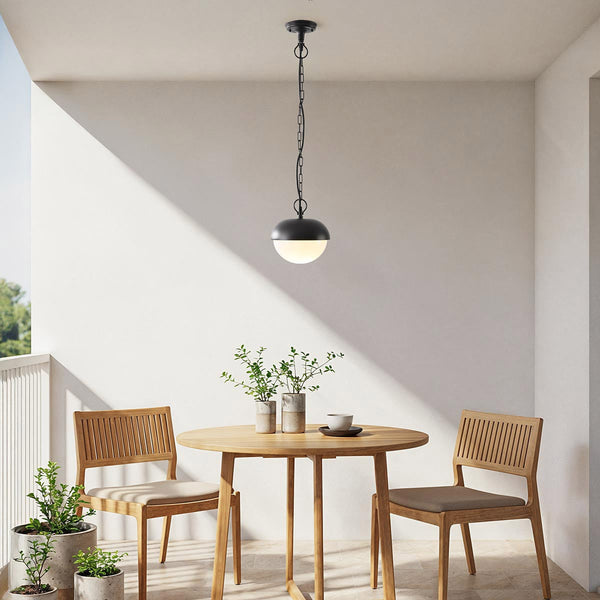
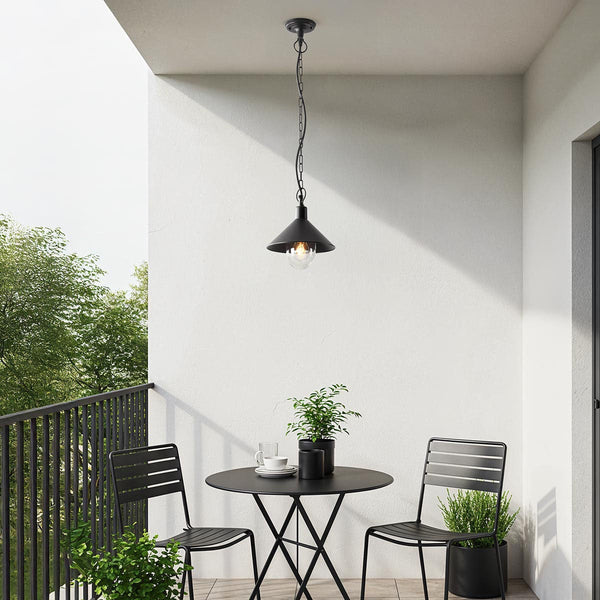
Dale Opal Globe Outdoor Pendant Light — Black
BlackE27 ES1 lampholder£45In stockView product → -
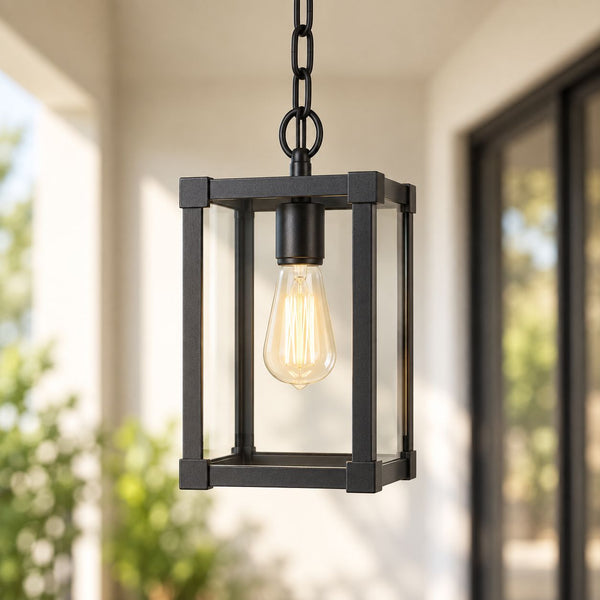
OUTDOOR LIGHTING
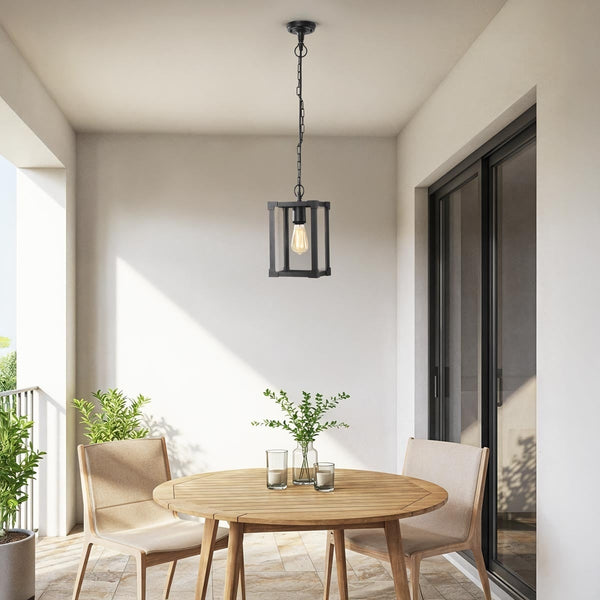
Holt Industrial Outdoor Pendant Light — Black, Glass Panels
BlackE27 ES1 lampholder£45In stockView product → -
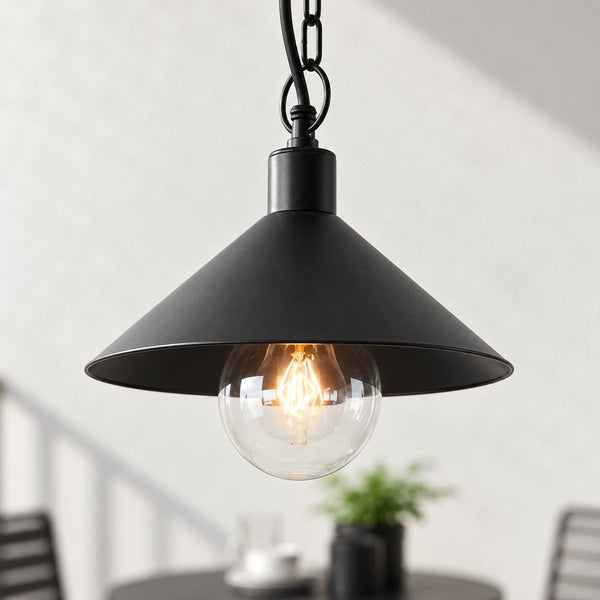
OUTDOOR LIGHTING
Linden Traditional Outdoor Pendant Light — Black, Clear Glass Globe
BlackE27 ES1 lampholder£65In stockView product → -
For your first order
10% off your first light
Leave your email and the code arrives straight away.
Then a short email most weeks. Unsubscribe any time. Privacy policy
Thank you
Your 10% code is on its way to your inbox. Any light, 30 days, no minimum.
-

OUTDOOR LIGHTING
Heath Up & Down Outdoor Pendant Light — Black, LED
BlackIntegrated LED£55In stockView product → -
OUTDOOR LIGHTING
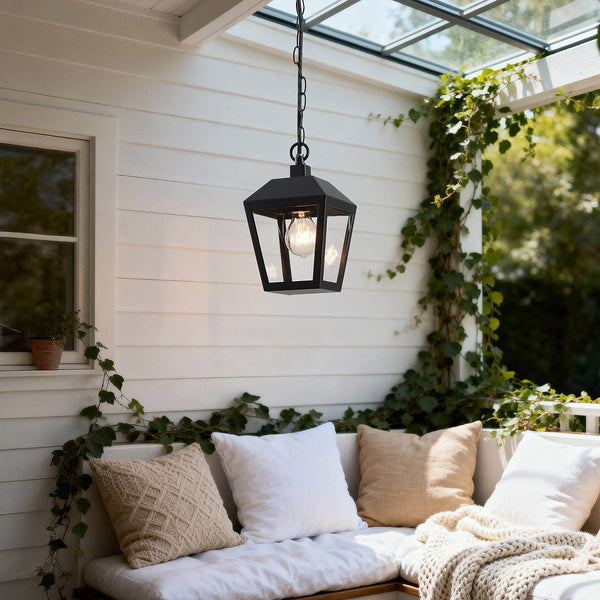
Malmo Lantern Outdoor Pendant Light — Black
BlackE27 ES1 lampholder£85In stockView product → -

OUTDOOR LIGHTING
Mirage Outdoor Hanging Lantern — Anthracite, Adjustable Drop
AnthraciteE27 ES1 lampholder£78In stockView product →




Buying Guide
Frequently Asked Questions
What IP rating do I need for an outdoor pendant light in the UK?
For covered porches and sheltered outdoor areas, IP43 or IP44 is usually sufficient. For fully exposed locations subject to rain and wind, you'll need a minimum of IP65 to ensure water and dust protection. Always check the manufacturer's specifications match your installation location, as inadequate IP ratings will void warranties and create safety hazards.
Do I need an electrician to install an outdoor pendant light in the UK?
Under Part P of the Building Regulations, outdoor lighting installations must be carried out by a qualified electrician registered with a Competent Person Scheme, or notified to Building Control. DIY installation is not permitted for external electrical work, even if replacing an existing fitting. The electrician should ensure proper IP-rated cable glands and weatherproof connections are used.
What hanging height works best for an outdoor pendant light over a porch or doorway?
Hang your outdoor pendant 2.1-2.4 metres from the ground to allow clearance for tall visitors and avoid head bumps. For porches with seating areas, you can go slightly lower at 2.0 metres, while exposed front door pendants should stay at 2.3 metres minimum to prevent weather damage and maintain kerb appeal proportions.
Can I use smart bulbs in outdoor pendant lights?
Yes, provided the outdoor pendant is rated for the bulb type (typically E27 or B22) and the smart bulb itself has an appropriate IP rating if the fitting isn't fully enclosed. Most standard smart bulbs are only IP20, so they need a weatherproof glass or acrylic shade around them. Alternatively, use a smart outdoor-rated switch instead to control standard weatherproof LED bulbs.
Will my outdoor pendant light work with a standard UK BESA box?
Most outdoor pendants are compatible with standard 80mm circular BESA boxes, but you must use an IP-rated backplate or outdoor ceiling rose to maintain weatherproofing. Check the pendant's mounting plate matches your BESA box diameter, and ensure your electrician seals all cable entries properly with appropriate outdoor-rated grommets to prevent moisture ingress.
How do I choose the right size outdoor pendant for my porch or garden area?
For small porches (under 2 metres wide), choose pendants 20-30cm in diameter. Medium porches and doorways suit 30-40cm fittings, whilst larger covered terraces can accommodate pendants of 40-50cm or more. As a rule, the pendant diameter should be roughly one-quarter to one-third of the porch width to maintain visual balance.
Can outdoor pendant lights be used on a dimmer switch?
Only if both the pendant's bulb and your dimmer switch are compatible—check the bulb packaging for 'dimmable' marking and ensure you have an LED-compatible dimmer (not an old trailing edge type). With outdoor lighting on a Part P circuit, any dimmer installation or modification must be done by a qualified electrician to comply with Building Regulations.