
Shop by Style
Victorian Lighting
Classic period fittings — turned brass, opal glass and gas-light silhouettes — designed for traditional and heritage interiors.
Filters
2 items
Sort Most relevant
-
Signature Signature Small runs, real materials, made to order. The top of the Enso range.
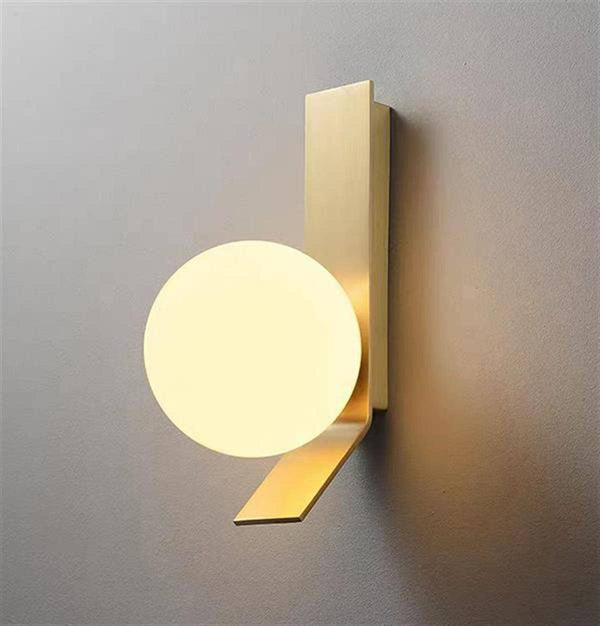
WALL LIGHTS
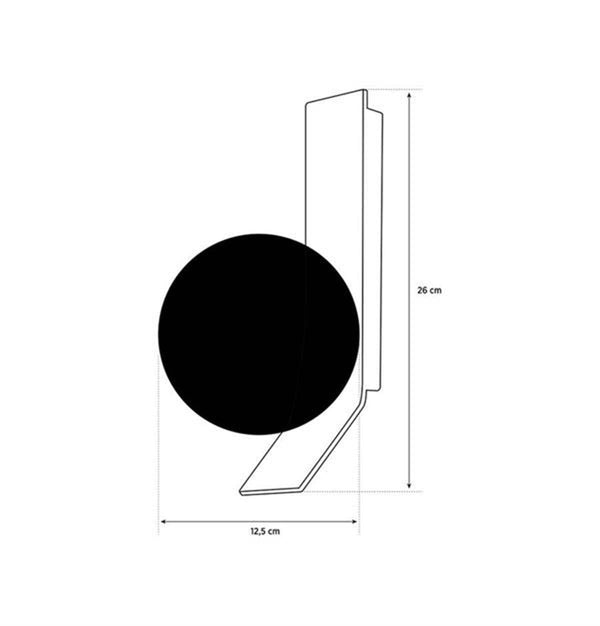
Afrodit Antique Wall Light — Antiqued Metal & Opal Glass, 26cm
Made in Turkey
Antiqued MetalG91 lampholder£520In stockView product → -
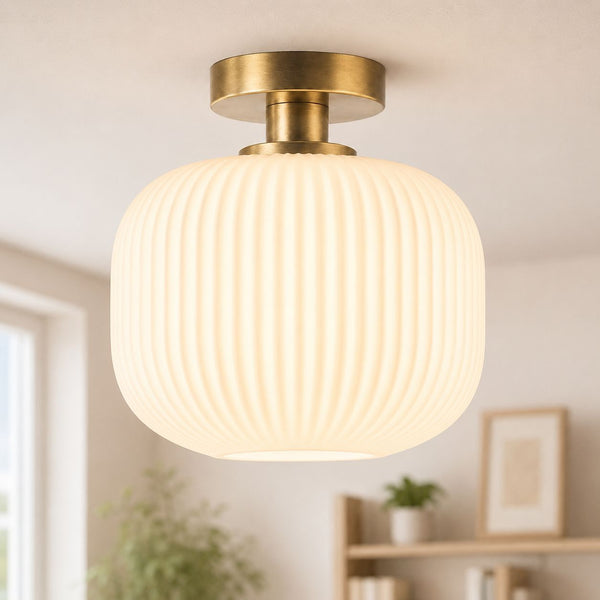
BATHROOM LIGHTING
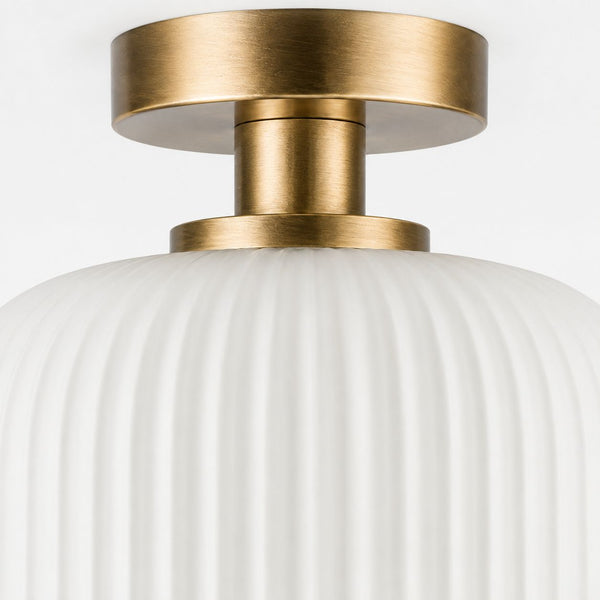
Rivoli Ribbed Ceiling Light — Glass, Antique Brass
Antique BrassE27 ES1 lampholder£83In stockView product →
Buying Guide
Frequently Asked Questions
How can I tell if a light fitting is authentically Victorian style?
Authentic Victorian lighting features ornate brass or bronze metalwork, frosted or etched glass shades, and decorative elements like scrollwork, floral motifs, or turned columns. Period fixtures used gas or early electric conversions, so look for features like multiple arms, downward-facing shades to contain light, and substantial weight from solid metal construction. Modern reproductions should maintain these proportions and detailing whilst incorporating safe electrical fittings with E27 or E14 lamp holders.
Can I use LED bulbs in Victorian-style light fittings?
Yes, LED bulbs work perfectly in Victorian fittings and are actually preferable to preserve delicate original or reproduction shades from heat damage. Choose warm white LEDs (2700K) in decorative filament styles or traditional candle/golf ball shapes to suit the period aesthetic. Ensure the LED wattage equivalent doesn't exceed the fitting's maximum stated wattage, and if dimming is needed, verify both the bulb and dimmer switch are compatible LED types.
Do Victorian chandeliers work in modern low-ceiling UK homes?
Standard Victorian chandeliers were designed for 3-4 metre ceiling heights common in period properties, making them too large for typical modern 2.4 metre ceilings. Look for compact Victorian-style flush or semi-flush fittings specifically, or choose a smaller-scale chandelier (40-50cm diameter maximum) with a shorter drop. For dining areas, maintain at least 75cm clearance between the table surface and the bottom of the fixture, and ensure 2.1-2.2 metres from floor to bottom of the fitting in circulation areas.
Does installing Victorian lighting require Part P certification?
Any new electrical installation or replacement of fittings in UK kitchens or bathrooms requires Part P compliance and notification to Building Control, though simple like-for-like replacements in other rooms generally don't. All Victorian-style bathroom lighting must be installed by a qualified electrician and meet IP ratings for the zone (typically IP44 minimum for Zone 2). For heritage properties, additional Listed Building Consent may be required before making any electrical alterations.
Can I mix Victorian lighting with contemporary decor?
Victorian lighting works surprisingly well in contemporary settings when you balance the ornate fixture with simpler surroundings—try a statement Victorian chandelier against plain white walls and minimal furniture. Stick to one or two Victorian pieces as focal points rather than decorating the entire room in period style, and consider antiqued brass or bronze finishes which bridge traditional and modern aesthetics better than highly polished finishes. Avoid mixing Victorian with mid-century modern or industrial styles, as the design languages clash too strongly.
What's the correct hanging height for a Victorian pendant or chandelier?
Over dining tables, Victorian fixtures should hang 75-85cm above the table surface to provide intimate lighting without obstructing sightlines. For hallways and staircases, ensure at least 2.1 metres clearance from floor to the lowest point of the fixture to meet UK building regulations. In double-height entrance halls typical of Victorian homes, chandeliers can hang much lower but should be positioned so the bottom sits at approximate eye level when viewed from the upper landing or staircase—typically 2.5-3 metres from ground floor level.
Are Victorian wall lights suitable for use with dimmer switches?
Victorian wall lights can be dimmed provided you install the correct type of dimmer for your chosen bulbs—traditional incandescent and halogen bulbs need trailing edge dimmers, whilst LEDs require specific LED-compatible dimmers. Check the total wattage of all bulbs on the circuit doesn't fall below the dimmer's minimum load requirement (typically 10W for LED dimmers, which can be an issue with low-wattage LED bulbs). All dimmer switch installation must comply with Part P regulations and should be fitted by a qualified electrician if you're unsure.