
Shop by Style
Mid-Century Lighting
Sputnik chandeliers, cone shades and tripod stands. Lighting that traces its DNA back to post-war Scandinavian design.
Filters
10 items
Sort Most relevant
-
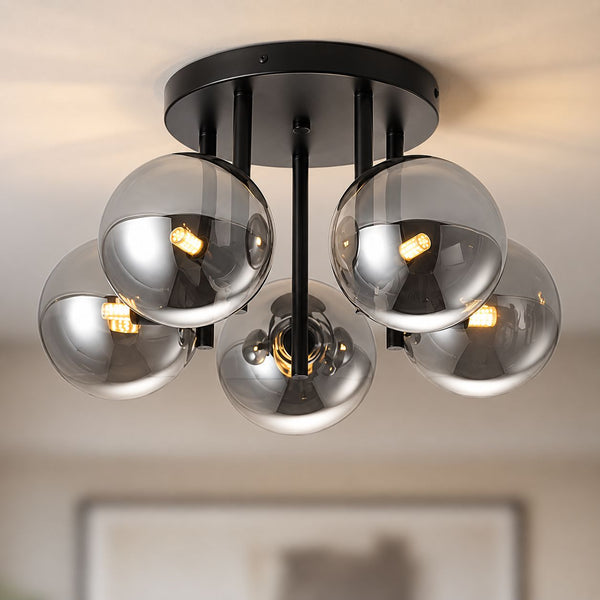
CEILING LIGHTS
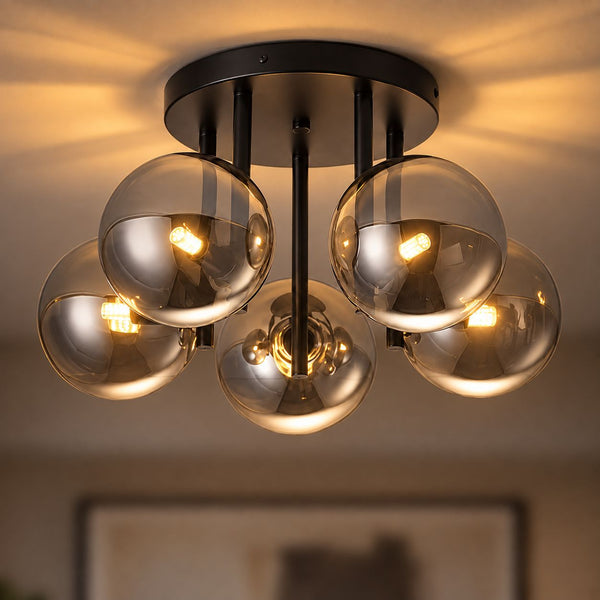
Noir Five-Light Ceiling Light — Black & Smoked Glass
BlackG95 lampholders£175In stockView product → -
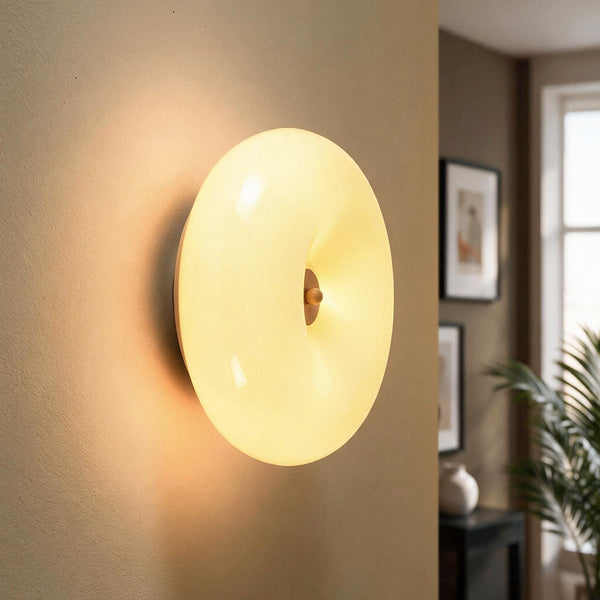
WALL LIGHTS
Rosa Beige Glass Wall Light — 3 Lights
Beige with beige glassE14 SES3 lampholders£90In stockView product → -
2 sizes
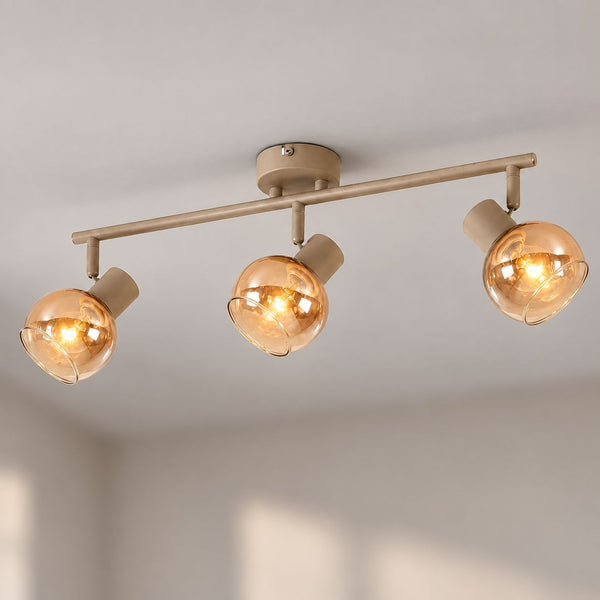
CEILING LIGHTS
Beno Adjustable Spotlight Bar — Beige & Amber Glass
Beige with amber glassE14 SES3 lampholdersFrom £39In stockView product → -
2 sizes
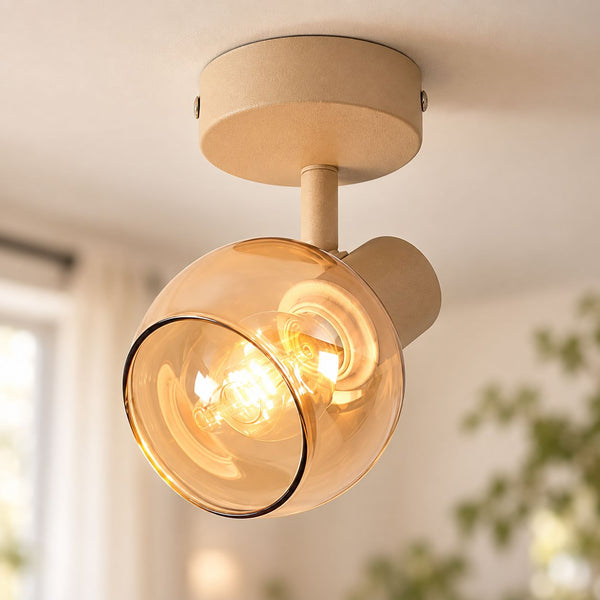
CEILING LIGHTS
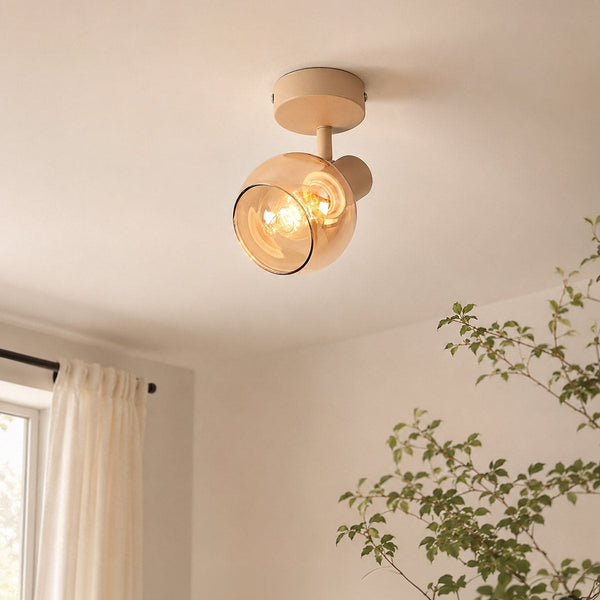
Beno Adjustable Spotlight — Beige & Amber Glass
Beige with amber glassE14 SES1 lampholderFrom £39In stockView product → -
For your first order
10% off your first light
Leave your email and the code arrives straight away.
Then a short email most weeks. Unsubscribe any time. Privacy policy
Thank you
Your 10% code is on its way to your inbox. Any light, 30 days, no minimum.
-
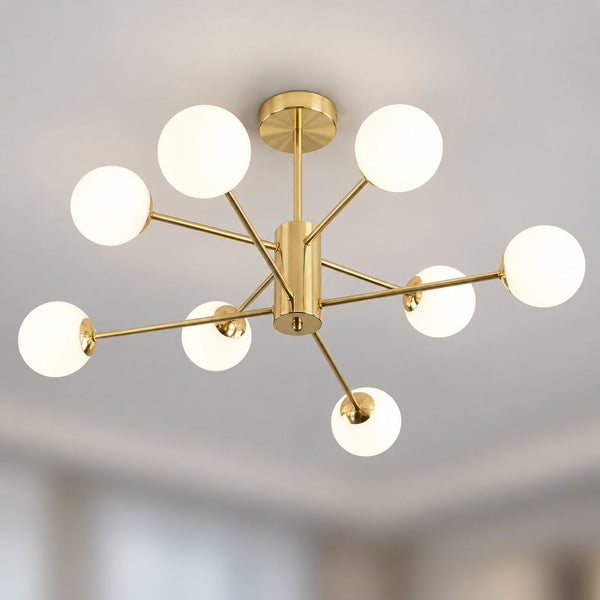
CEILING LIGHTS
Dorado Eight-Light Ceiling Light — Gold & Frosted Glass
Gold with opal white glassG98 lampholders£225In stockView product → -
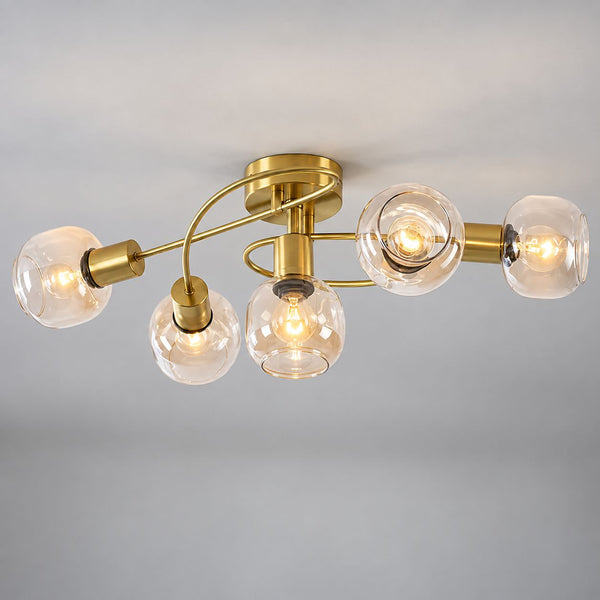
CEILING LIGHTS
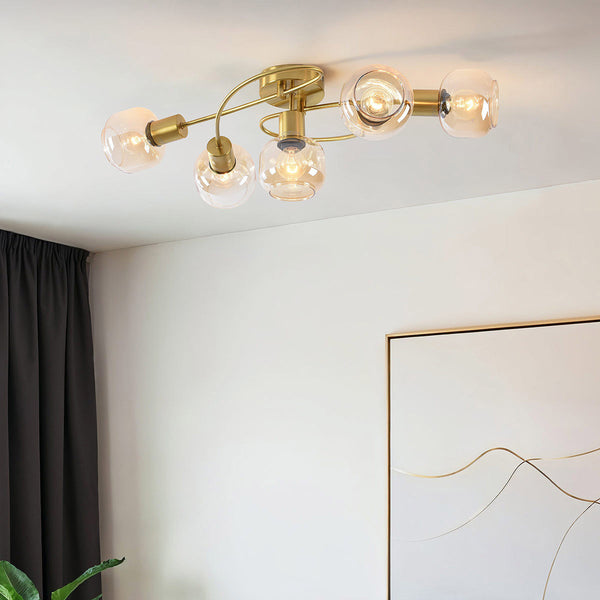
Aurum Five-Light Ceiling Light — Gold & Amber Glass
GoldE14 SES5 lampholders£130In stockView product → -
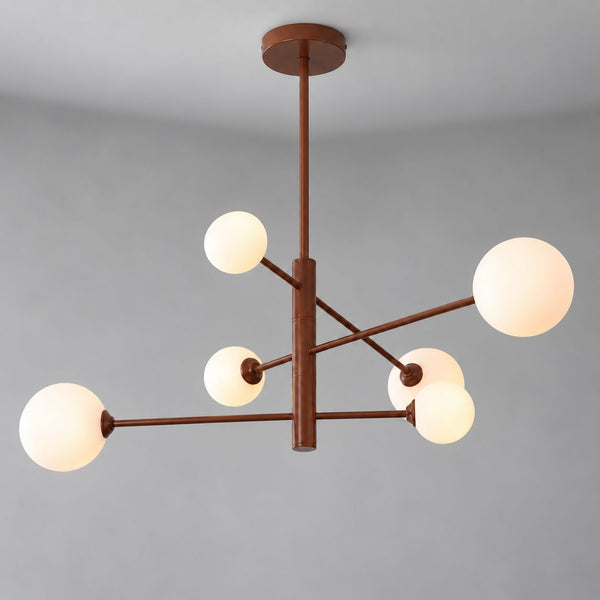
CEILING LIGHTS
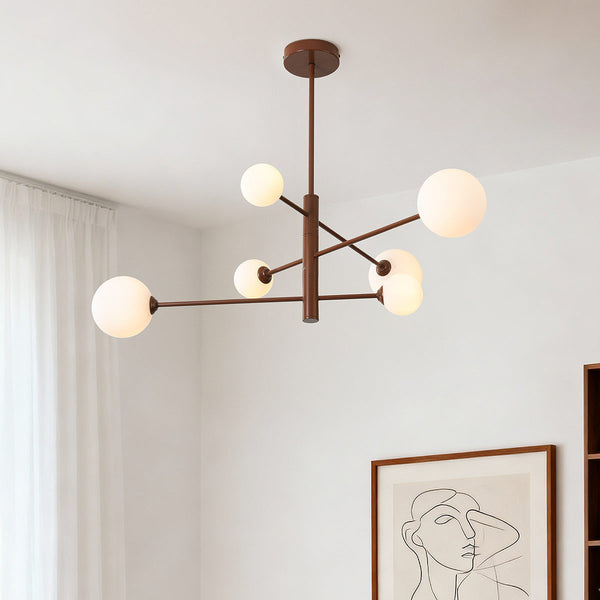
Sesto Six-Light Ceiling Light — Brown & Opal Glass
Brown with opal white glassG96 lampholders£130In stockView product → -
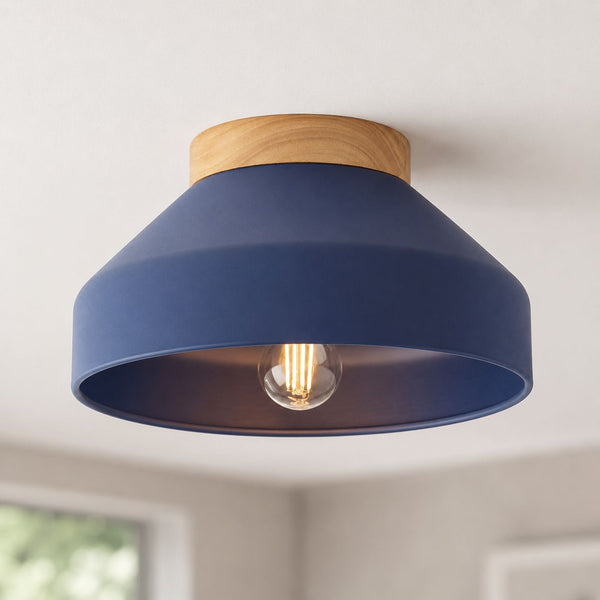
CEILING LIGHTS
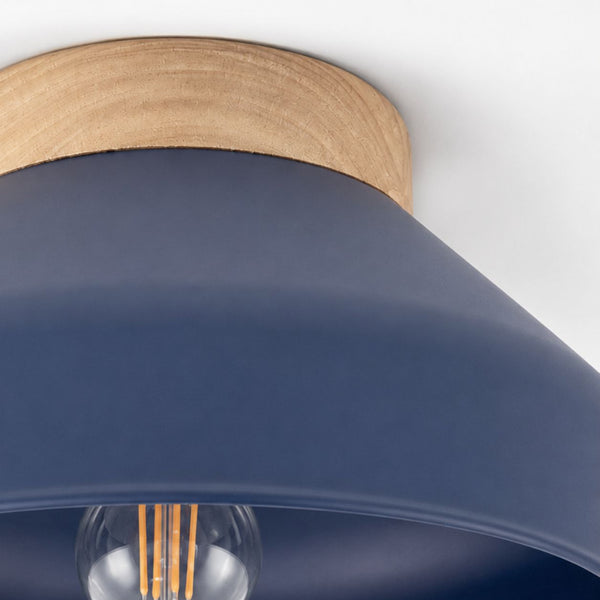
Oslo Semi-Flush Ceiling Light — Midnight Blue, Wood Base
2 coloursMidnight BlueE271 lampholder£68In stockView product → -
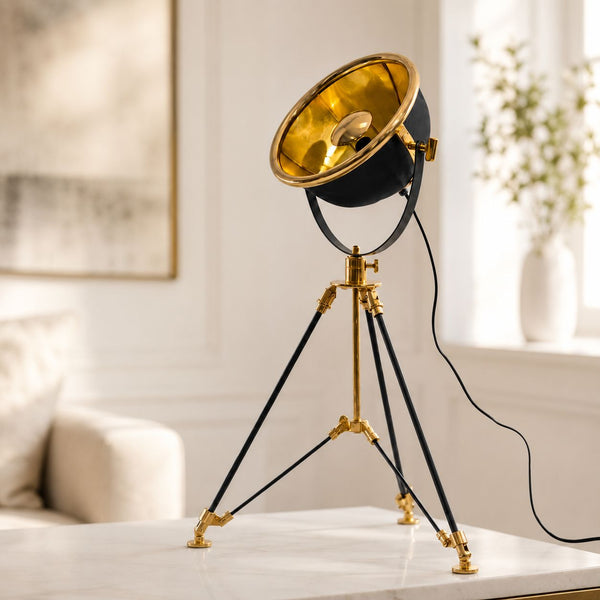
TABLE LAMPS
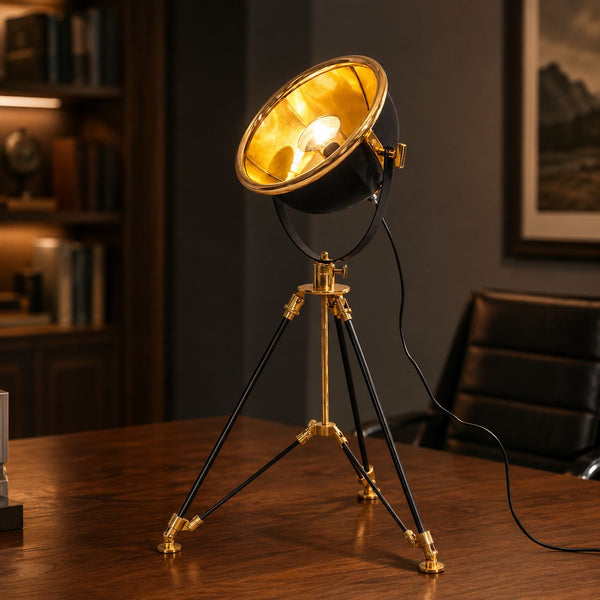
Valen Tripod Table Lamp — Black & Brass, Large
Black & BrassG91 lampholder£215In stockView product → -
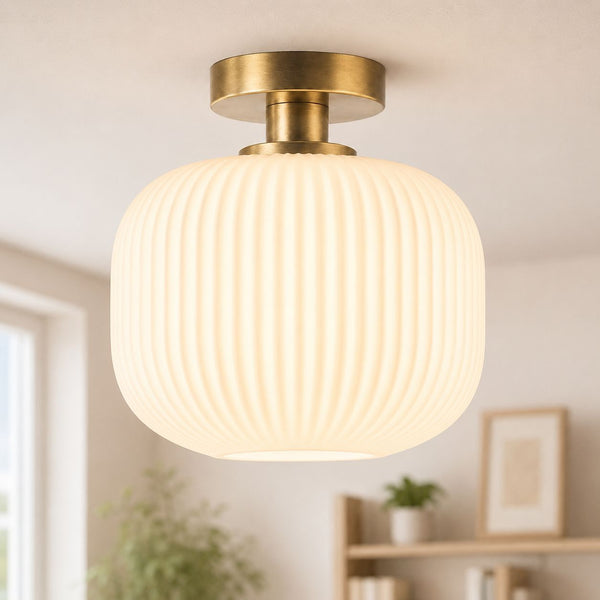
BATHROOM LIGHTING
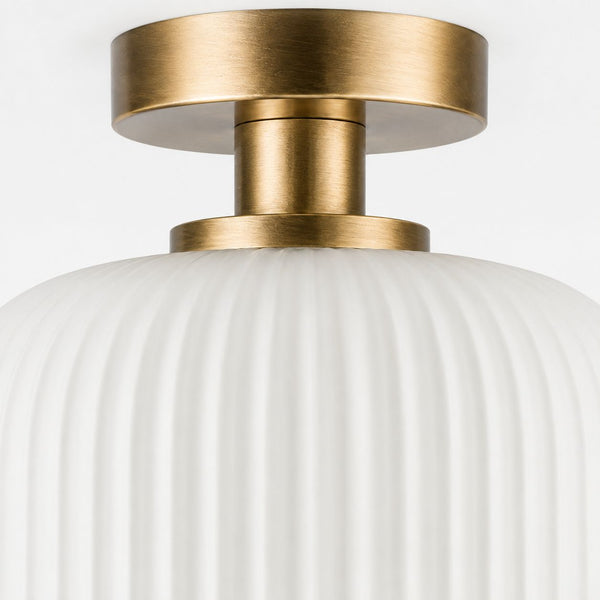
Rivoli Ribbed Ceiling Light — Glass, Antique Brass
Antique BrassE27 ES1 lampholder£83In stockView product →



Buying Guide
Frequently Asked Questions
What defines authentic mid-century modern lighting design?
Authentic mid-century lighting typically features clean geometric forms, organic shapes, and materials like brass, teak, opal glass, and spun metal popular from roughly 1945-1970. Look for designs with exposed bulbs, Sputnik-style arms, conical or globe shades, and minimal ornamentation—think Scandinavian simplicity or American Atomic Age optimism. Key indicators include tapered legs on table lamps, starburst wall lights, and pendant shades in distinctive mushroom or dome shapes.
Can I use LED bulbs in vintage mid-century light fittings?
Yes, LED bulbs work perfectly in mid-century fittings and are actually recommended to reduce heat output in older fixtures. Most mid-century lights use standard E27 (ES) or E14 (SES) screw fittings, so you'll find plenty of LED options including filament-style bulbs that preserve the vintage aesthetic. For exposed-bulb designs, choose warm white LEDs (2700K) to match the original incandescent glow, and check the maximum wattage rating on the fixture—usually LED equivalents draw far less power anyway.
How do I mix mid-century lighting with contemporary interiors?
Mid-century pieces work brilliantly as statement fixtures in contemporary spaces because their clean lines complement modern minimalism. Stick to one or two mid-century statement pieces per room—perhaps a Sputnik chandelier or an arc floor lamp—and keep surrounding fixtures simple and understated. The key is balancing warm-toned metals (brass, copper) typical of mid-century design with your existing finish palette, and ensuring the scale suits your room rather than overcrowding with too many vintage pieces.
What ceiling height do I need for mid-century pendant lights?
Most mid-century pendant lights work best with ceiling heights of 2.4m or above, as many designs feature long drops or large shades that hang 40-60cm from the ceiling. Over dining tables, aim for 75-80cm above the table surface to avoid head-bumping whilst maintaining the dramatic proportions these designs are known for. If you have lower ceilings (2.3m or less), look for flush or semi-flush mid-century designs like saucer or dome ceiling lights instead.
Are mid-century light fittings compatible with dimmer switches?
Compatibility depends on your bulb choice rather than the fitting itself. If using LED bulbs in mid-century lights, you'll need a trailing-edge dimmer switch specifically rated for LEDs—older leading-edge dimmers cause flickering and buzzing. Check that your LED bulbs are marked as 'dimmable' on the packaging, as not all are. For any new electrical work or dimmer installation, this must be done by a qualified electrician to comply with Part P Building Regulations in England and Wales.
Do reproduction mid-century lights need professional installation?
Any new ceiling or wall light installation in the UK must comply with Part P Building Regulations and should be installed by a qualified electrician, whether original vintage or reproduction. Most mid-century-style pendants and chandeliers require connection to a ceiling BESA box and earth wire, which is notifiable work unless you're simply replacing an existing fitting like-for-like. Table and floor lamps with standard UK plugs can be used immediately without professional installation.
What's the best way to light a room using mid-century fixtures?
Layer your lighting by combining a statement mid-century ceiling fixture with task and accent lighting at lower levels. A classic approach pairs a sculptural pendant or Sputnik chandelier as the centrepiece with tripod floor lamps in corners and ceramic or teak table lamps on sideboards. Avoid relying solely on overhead lighting—mid-century design emphasizes creating pools of light at different heights, typically using warm-toned bulbs (2700-3000K) to achieve that cosy, inviting glow typical of the era.