
Bedroom Lighting
Bedside Lamps
Compact lamps designed for bedside tables. Soft warm glow, easy switches, scaled for nightstands.
Filters
9 items
Sort Most relevant
-
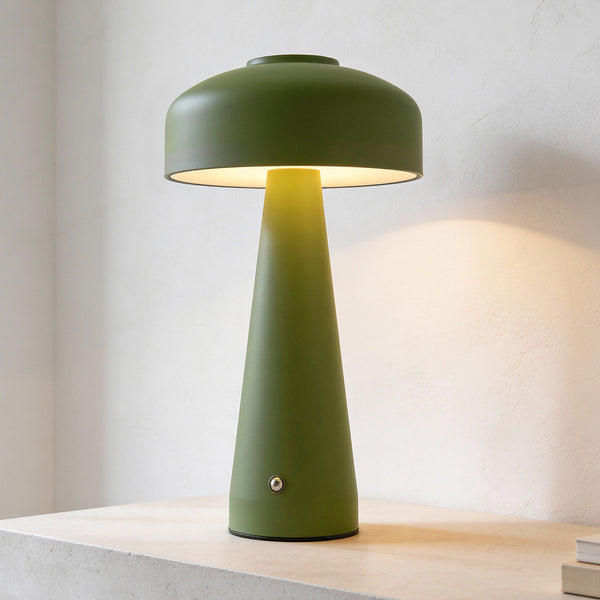
TABLE LAMPS
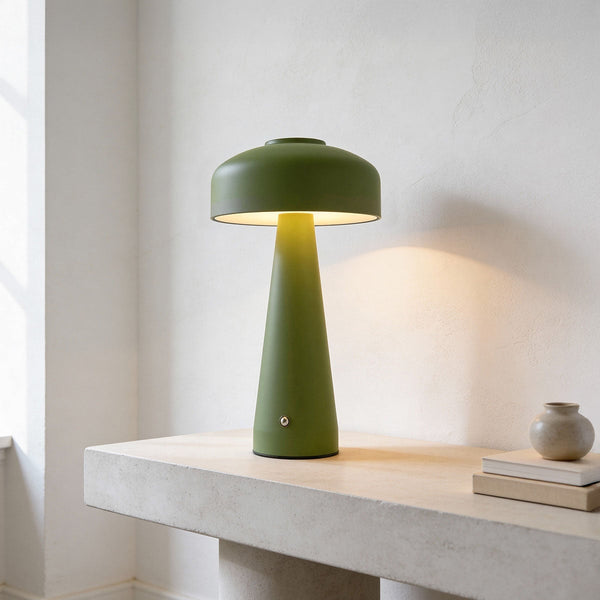
Momo Rechargeable Mushroom Table Lamp — Green
2 coloursGreenIntegrated LED£55In stockView product → -
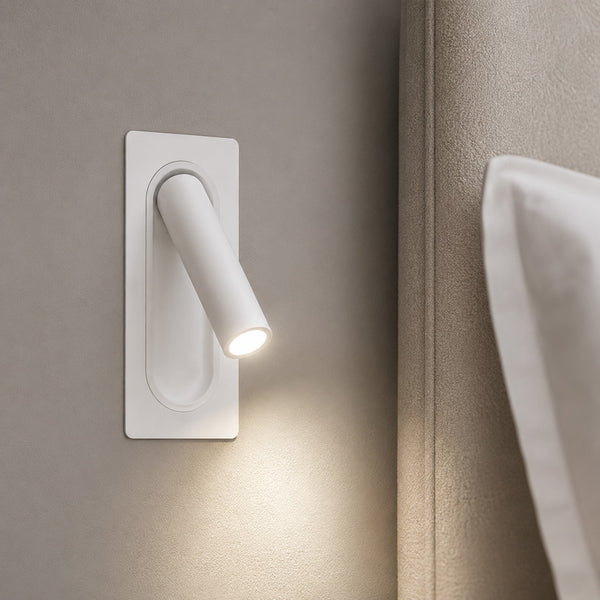
WALL LIGHTS
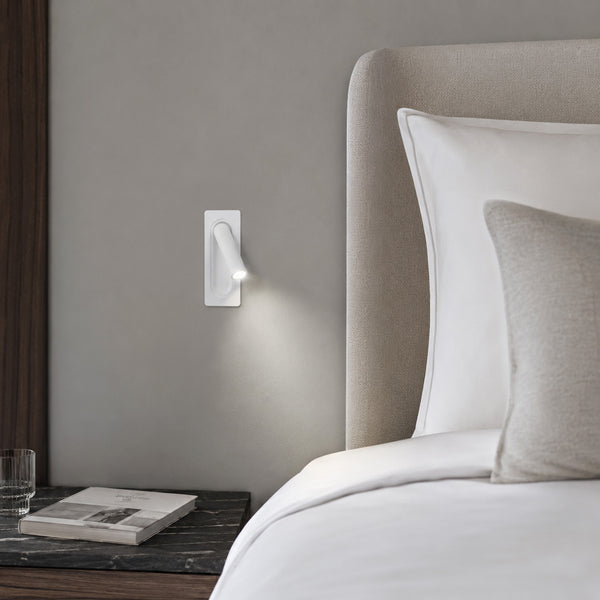
Defoe Recessed LED Wall Light — White, Adjustable Reading Spot
4 coloursWhiteIntegrated LED1 lampholderFrom £110In stockView product → -
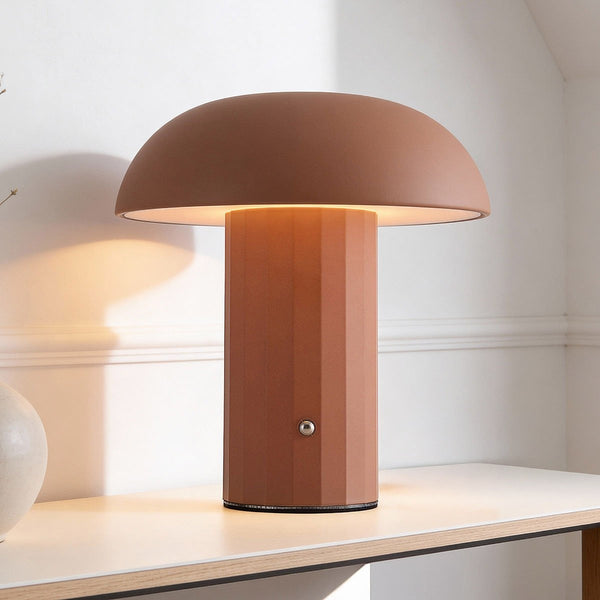
TABLE LAMPS
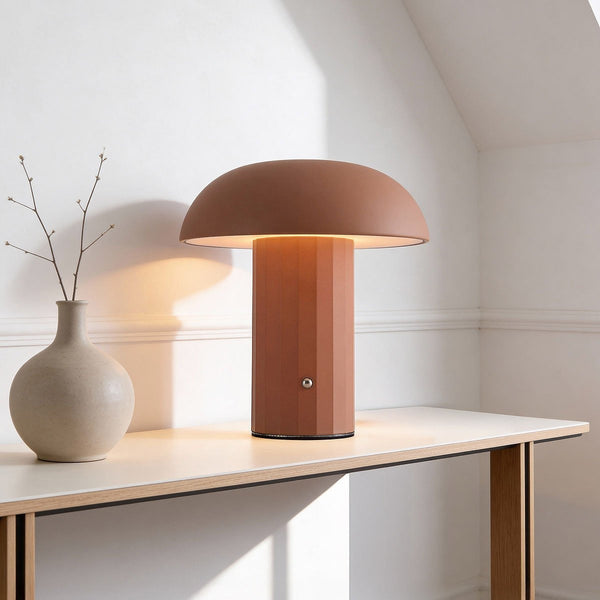
Cocoa Wireless Table Lamp — Mocha
Mocha brownIntegrated LED£50In stockView product → -
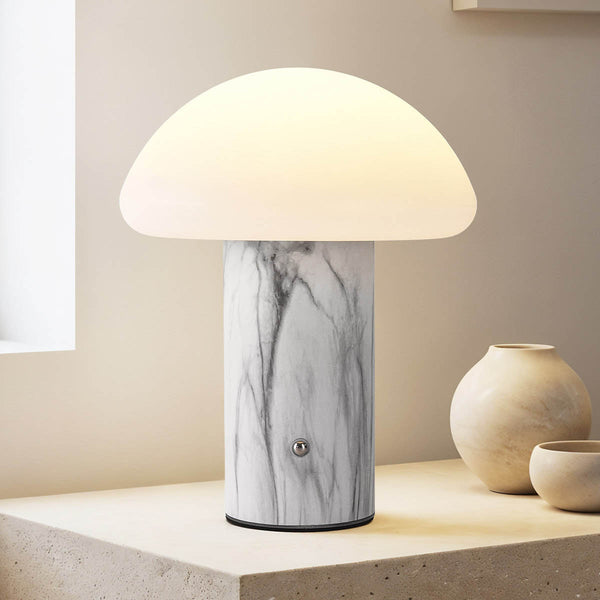
TABLE LAMPS
Nila Rechargeable Mushroom Table Lamp — White, 24 cm
Integrated LED£42In stockView product → -
For your first order
10% off your first light
Leave your email and the code arrives straight away.
Then a short email most weeks. Unsubscribe any time. Privacy policy
Thank you
Your 10% code is on its way to your inbox. Any light, 30 days, no minimum.
-
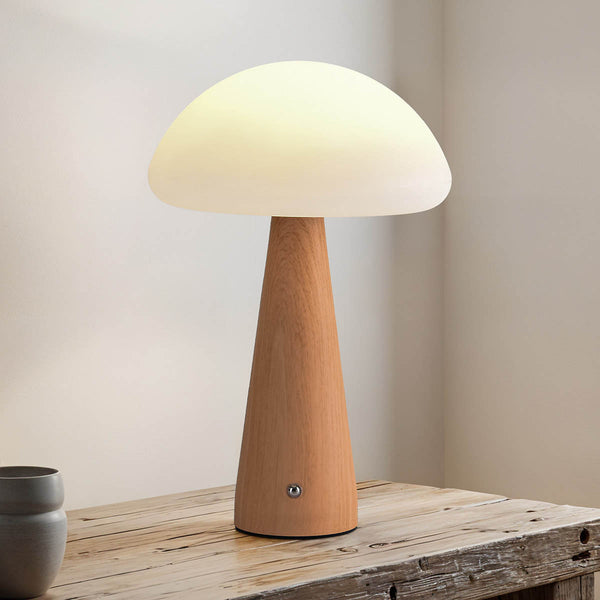
TABLE LAMPS
Poppi Rechargeable Mushroom Table Lamp — White, 30 cm
Integrated LED£55In stockView product → -
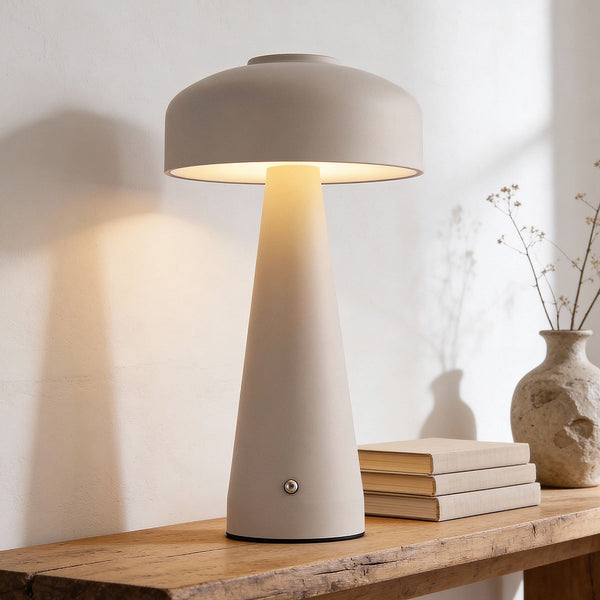
TABLE LAMPS
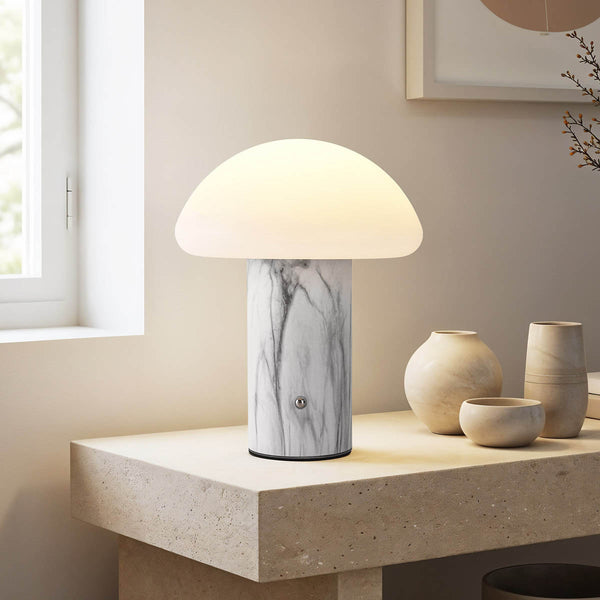
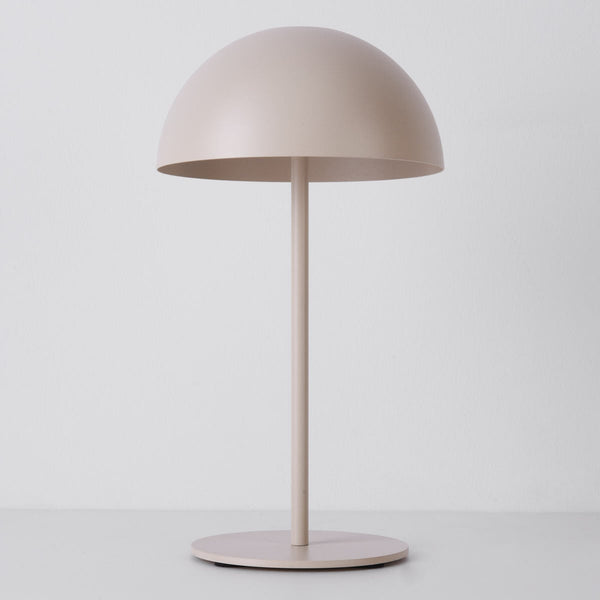
Momo Rechargeable Mushroom Table Lamp — Taupe
2 coloursTaupeIntegrated LED£55In stockView product → -
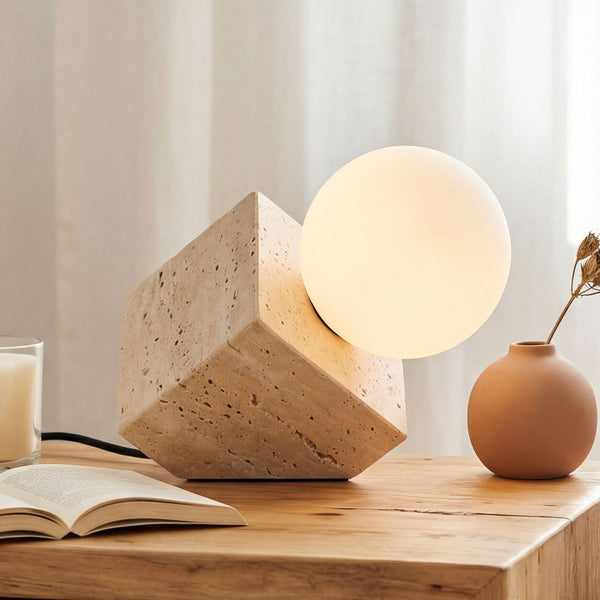
TABLE LAMPS
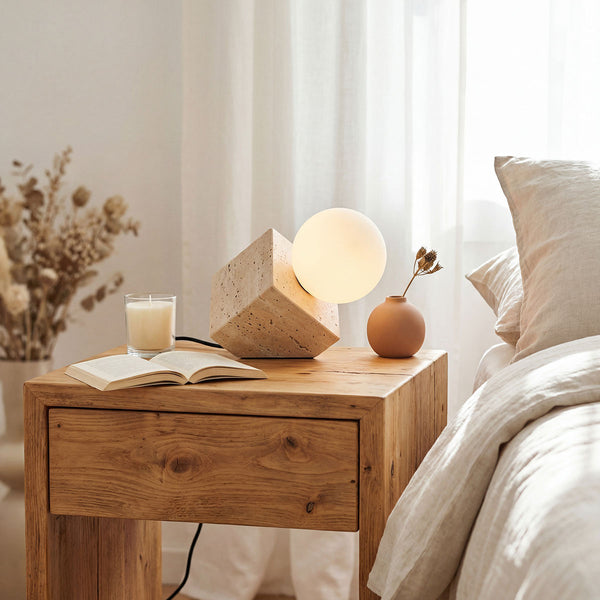
Isla Travertine Globe Table Lamp — Sand Beige
Sand beige and whiteG91 lampholder£85In stockView product → -
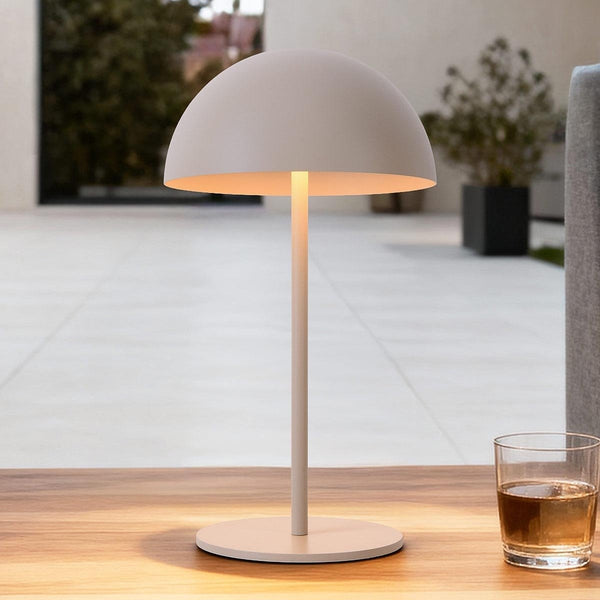
TABLE LAMPS
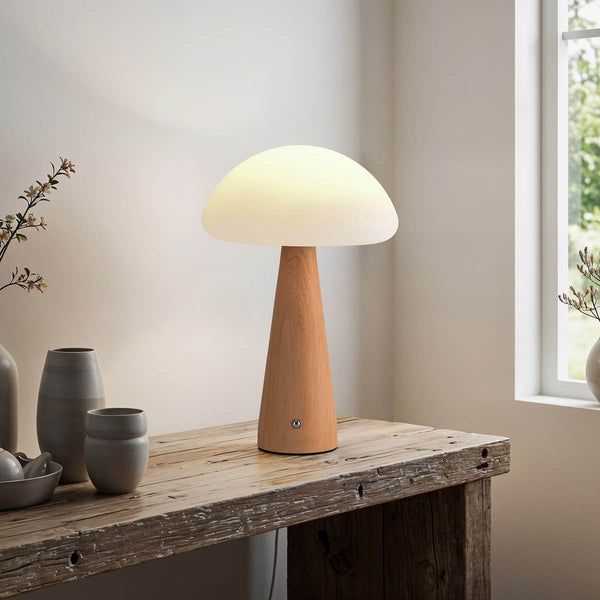
Fungo Rechargeable Mushroom Table Lamp — Beige
Integrated LED£51In stockView product → -
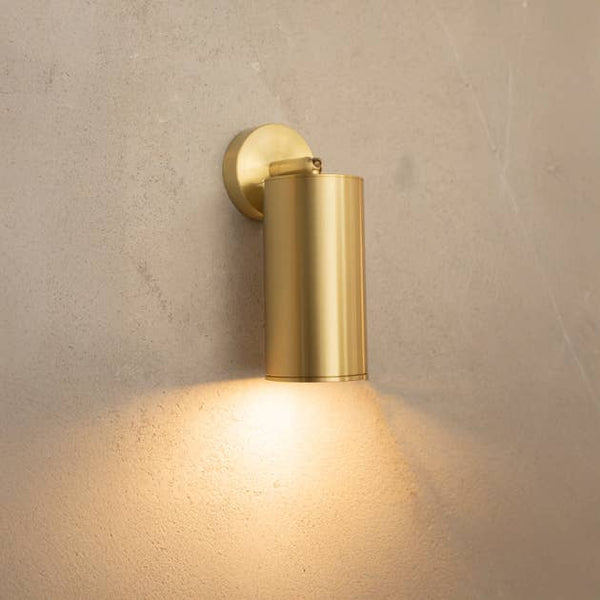
WALL LIGHTS
Ravenna Single Adjustable Wall Sconce — Antique Brass
Antique BrassGU101 lampholder£270In stockView product →

Buying Guide
Frequently Asked Questions
What height should a bedside lamp be relative to my mattress?
The bottom of your bedside lamp shade should sit roughly 50-60cm above the top of your mattress, placing the light source at a comfortable reading height when you're propped up in bed. If you have particularly tall bedside tables or thick mattresses, aim for the bulb to be approximately at shoulder height when seated. This prevents glare in your eyes whilst providing adequate task lighting for reading.
Can I use smart bulbs in bedside lamps?
Yes, most bedside lamps accept standard E27 or E14 smart bulbs, but check the maximum wattage rating on the lamp specification first—typically 40-60W for traditional bulbs or 6-10W LED equivalent. If your bedside lamp has a built-in dimmer switch, you may experience compatibility issues with some smart bulbs, so it's often better to use the lamp's switch in the 'on' position and control dimming via your smart bulb app instead.
Do bedside lamps need to be hardwired or can they just plug in?
Bedside lamps in the UK are almost exclusively plug-in fixtures with a standard 3-pin plug, requiring no electrical hardwiring or Part P compliance. This makes them ideal for renters or anyone wanting flexible bedroom lighting without calling an electrician. Simply ensure your bedside table is within reach of a wall socket, or consider having a qualified electrician install additional sockets at bedside height (which would require Part P notification).
What wattage bulb should I use in a bedside lamp for reading?
For comfortable bedside reading, aim for 400-450 lumens, which equates to roughly a 6-7W LED bulb or 40W incandescent equivalent. Always check your lamp's maximum wattage rating on the label or fitting—exceeding this can cause overheating and is a fire risk. Consider a warm white colour temperature (2700-3000K) for a relaxing bedroom ambiance, or go slightly cooler (3500-4000K) if you prefer brighter task lighting.
Should both bedside lamps match or can they be different?
Matching bedside lamps create a symmetrical, hotel-like aesthetic, but mismatched lamps are perfectly acceptable and increasingly popular in modern bedroom design. If going mismatched, aim to keep either the height, shade shape, or finish similar so there's a visual connection between the two. For the most cohesive look, ensure both lamps emit similar light levels and colour temperature even if the fixtures themselves differ.
How much space should I leave between my bedside lamp and the wall?
Leave at least 8-10cm clearance between the back of your bedside lamp base and the wall to allow heat dissipation and prevent scorch marks on wallpaper or paint. For lamps with rear-positioned switches, you may need slightly more space to comfortably reach the controls. If your bedside table sits flush against the wall, choose a lamp with a compact footprint or a side-mounted switch for easier access.
Are touch-control bedside lamps compatible with LED bulbs?
Touch-control bedside lamps can be incompatible with some LED bulbs, particularly cheaper non-dimmable varieties, causing flickering or failure to switch on. Look for LED bulbs specifically marked as 'suitable for touch lamps' or choose dimmable LEDs from reputable brands, which generally have better compatibility. If you experience issues, the problem is usually the bulb's driver circuitry rather than the lamp itself, so trying a different LED brand often resolves it.