The living room is where you spend most of your waking hours at home, yet it's often the room where lighting gets treated as an afterthought. A single ceiling light won't cut it here. Successful living room lighting needs layering — a combination of ambient, task, and accent lighting that adapts to different activities throughout the day. Get it right and your space feels comfortable, flexible, and properly finished. Get it wrong and even the best furniture and decoration will fall flat.
The Three Layers of Living Room Lighting
The single biggest mistake people make is relying solely on overhead lighting. Living rooms need at least three types of light working together to feel balanced and functional.
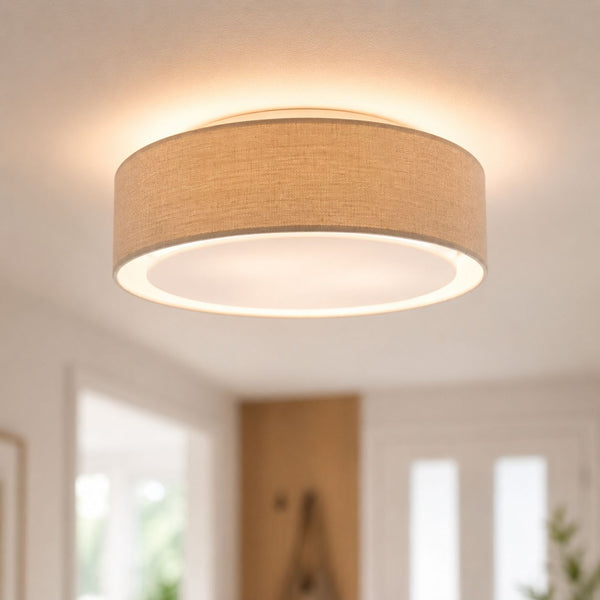
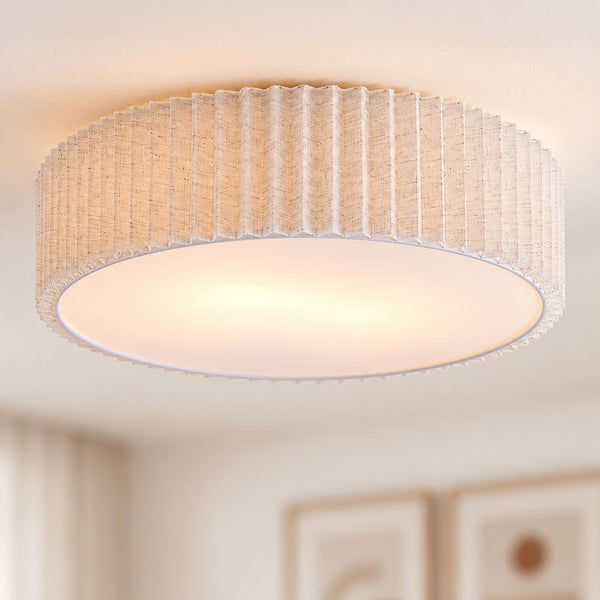
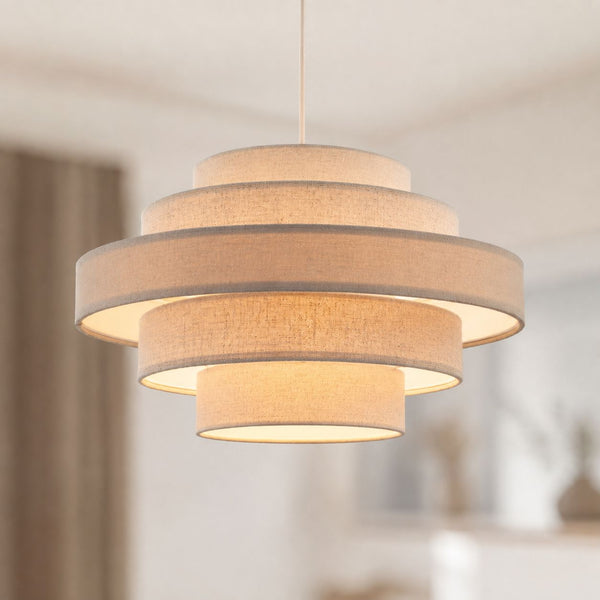
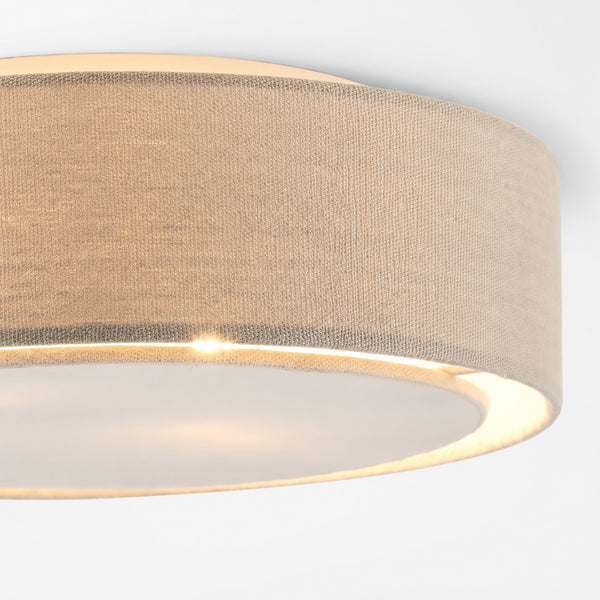
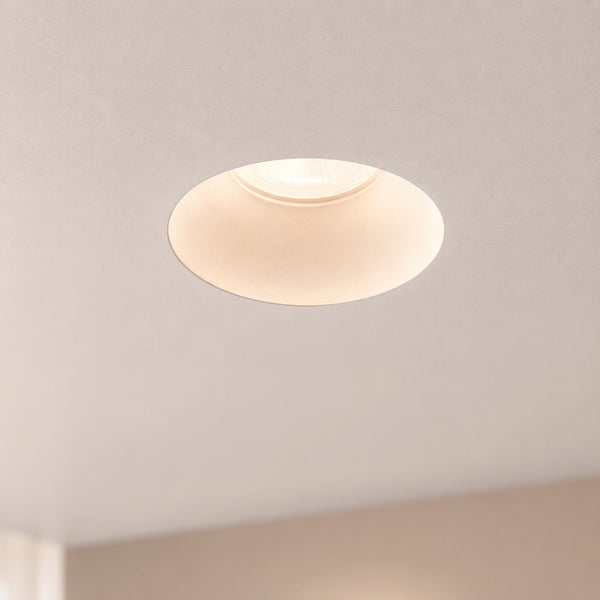
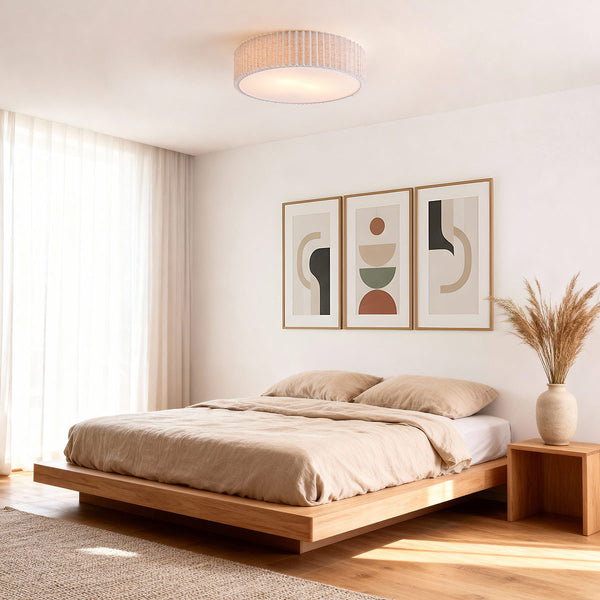
Ambient lighting provides your base layer. This typically comes from ceiling-mounted fixtures — either a central pendant, chandelier, or flush/semi-flush fitting depending on your ceiling height. If your ceiling is below 2.4 metres, stick with flush or semi-flush mounts. Above that height, you can consider pendants or chandeliers, but keep the bottom of the fixture at least 2.1 metres from the floor to avoid head collisions. For rooms larger than 20 square metres, a single central light rarely provides adequate coverage, so consider multiple ceiling fixtures or pair your overhead light with additional sources.
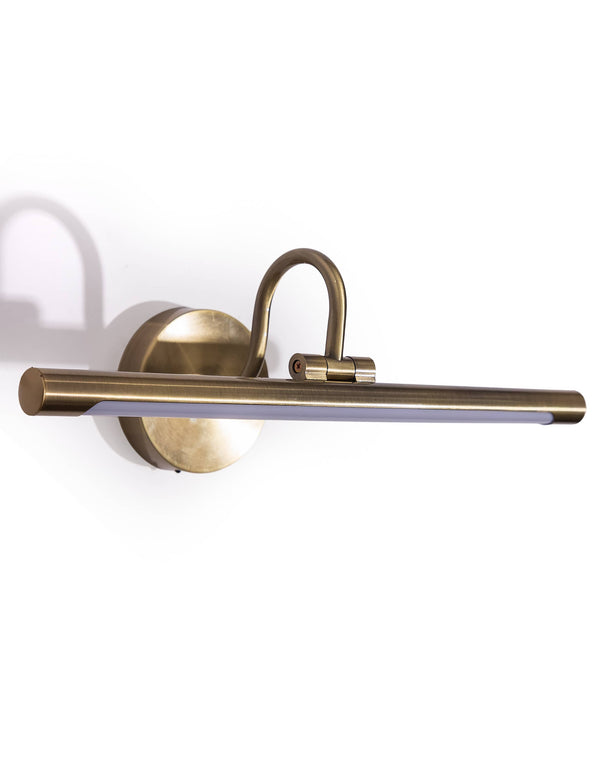
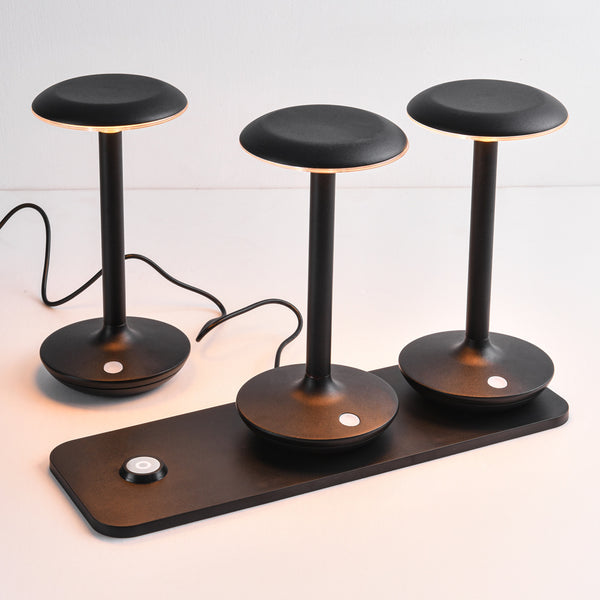
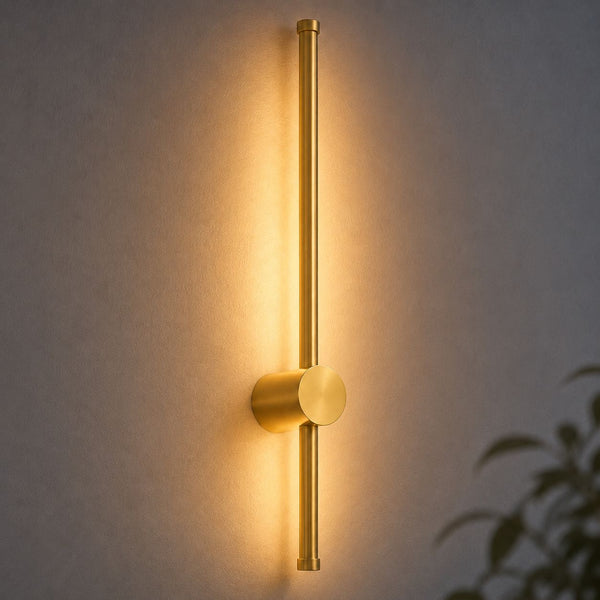
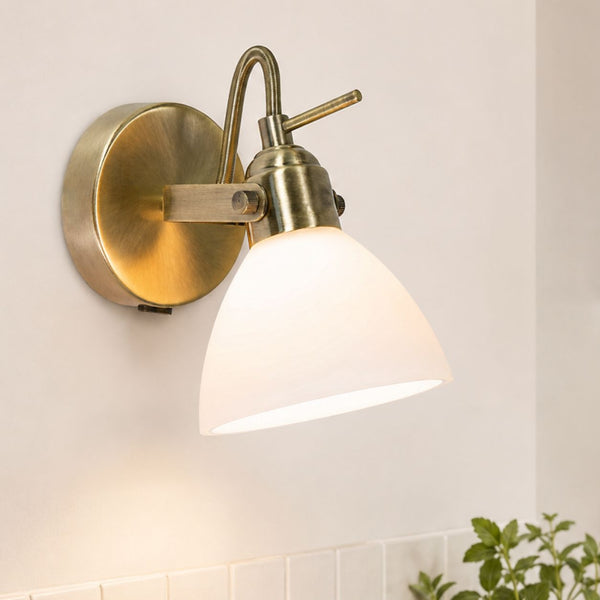
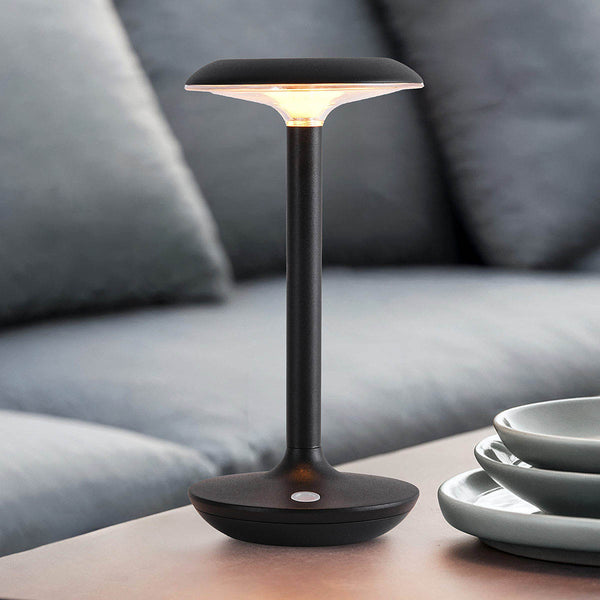
Task lighting serves specific activities. Floor lamps beside reading chairs, table lamps on side tables for close work, or adjustable wall lights near seating areas all fall into this category. Position reading lights so the bulb sits at shoulder height when you're seated — roughly 100-120cm from the floor to the centre of the shade. This prevents glare while directing light where you need it.
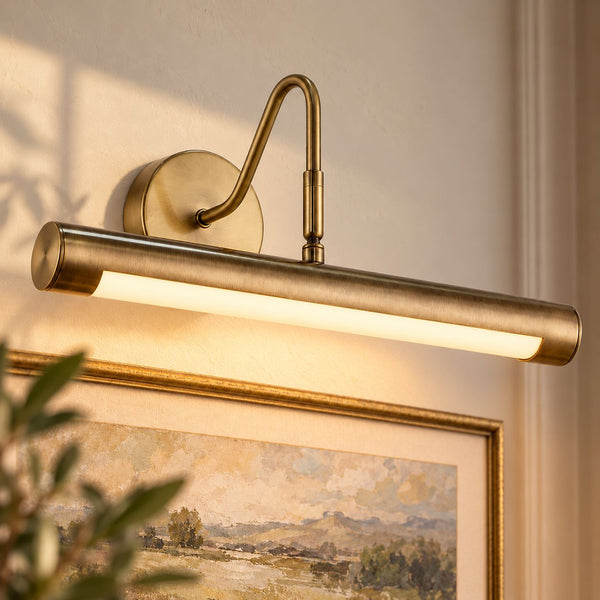
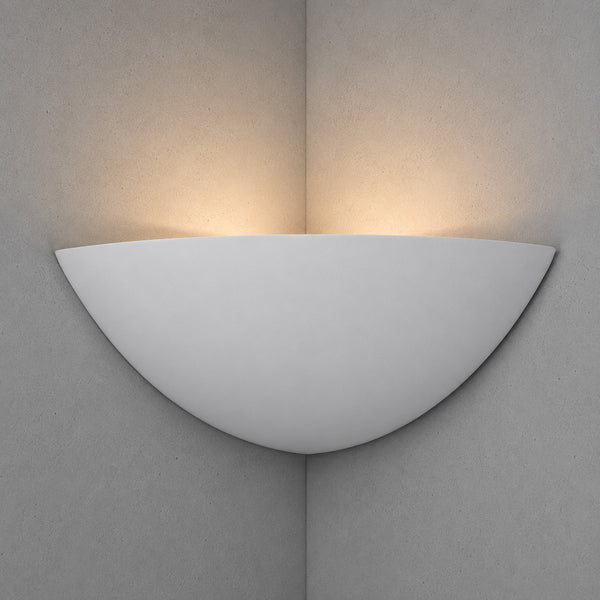
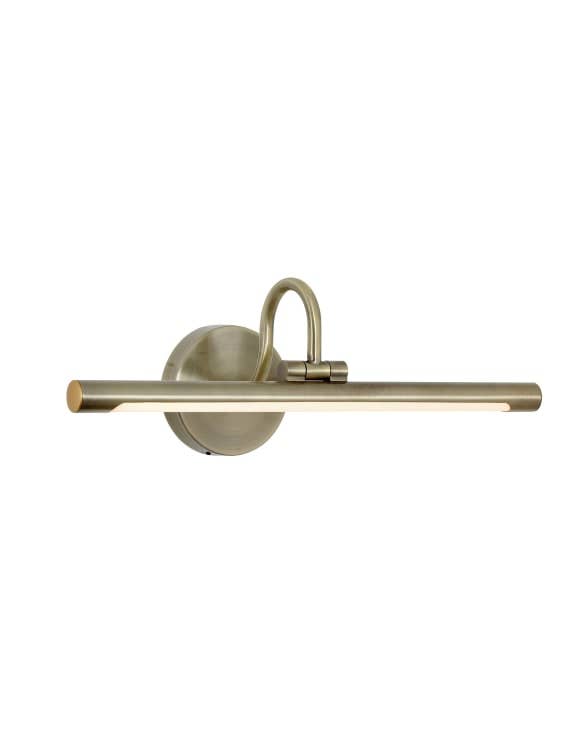
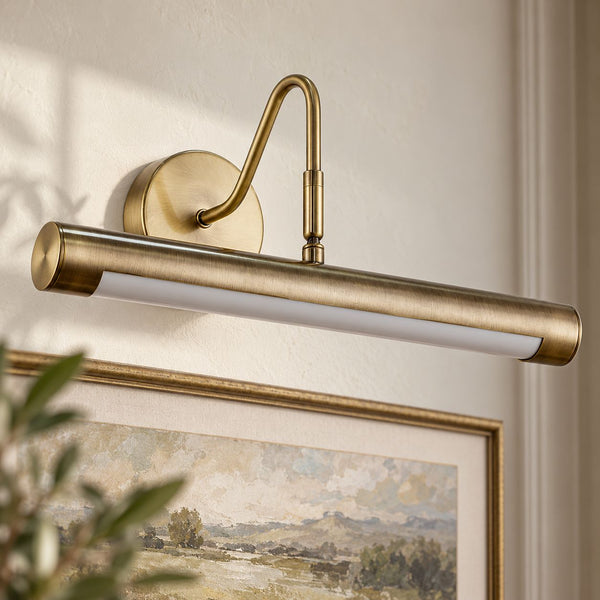
Accent lighting adds depth and atmosphere. Picture lights, uplighters washing walls, or LED strips highlighting architectural features create visual interest and prevent your room from feeling flat. This layer is often overlooked, but it's what separates a well-lit living room from an ordinary one.
Choosing the Right Fixtures
Your ceiling height and room proportions dictate what will work. In a living room with standard 2.4-metre ceilings, flush and semi-flush mounts are your most practical option for overhead lighting. They provide good light distribution without dropping into the space. Semi-flush fittings sit 15-30cm below the ceiling and work particularly well in period properties where you want a bit more decorative presence.
For higher ceilings above 2.7 metres, pendants and chandeliers come into play. Size matters enormously here. A rough formula: add your room's length and width in metres, then convert to centimetres — that's approximately the maximum diameter your pendant or chandelier should be. So a 4m x 5m room can accommodate a fixture up to about 90cm wide. In open-plan spaces, you may want to go larger for visual impact, but anything over 100cm starts to demand a lot of attention.
For task and accent lighting, variety works in your favour. Pair a statement floor lamp with a pair of matching table lamps, or mix different styles if they share a common finish or design era. Odd numbers tend to look more natural than perfectly symmetrical arrangements.
Common Pitfalls to Avoid
The most frequent error is insufficient light sources. Four or five separate light sources is not excessive for a medium-sized living room — it's about right. Having multiple sources gives you flexibility to adjust lighting levels for different times of day and activities.
Another mistake is mounting dimmers incorrectly. Not all LED bulbs dim smoothly, and pairing an incompatible dimmer with LED lamps causes flickering and buzzing. Check your bulbs are marked as dimmable and use an LED-compatible trailing edge dimmer. The extra £15 for a quality dimmer is worth it.
Finally, avoid putting all your lights on a single switch. Separately switched circuits for overhead, floor lamps, and accent lighting gives you proper control. Two-way switches at different room entrances are essential in larger living rooms.
Bulb Choice and Colour Temperature
Living rooms generally feel most comfortable with warm white bulbs between 2700K and 3000K. Anything above 4000K feels clinical and cold in a residential setting. For adjustable mood, consider smart bulbs that let you shift colour temperature — cooler light works better during daytime, while warmer tones suit evenings.
Most living room fixtures take standard E27 (Edison screw) or B22 (bayonet) bulbs. Check the maximum wattage rating on your fitting — with LEDs this is rarely an issue as they draw far less power than old incandescents, but it's worth verifying. For dimming, look for bulbs specifically rated at 5-10% minimum dim level for the smoothest performance.
Lounge Lighting Ideas: Ceiling Lights That Set the Mood
Call it a lounge or a living room, the brief is the same: one room that has to be bright enough for a Saturday afternoon and soft enough for a film. The fitting that decides whether that works is the ceiling light, because it is the one everybody switches on first. Three lounge ceiling light ideas that hold up in real homes:
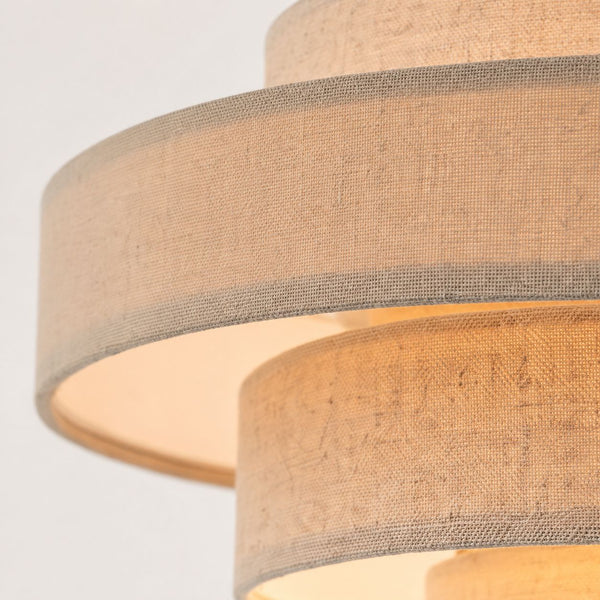
A low, wide flush fitting for the standard 2.4m British ceiling — ribbed glass or a fabric drum spreads the light sideways instead of pooling it in the middle of the room. See flush ceiling lights.
A pendant hung deliberately low over a coffee table or in a bay window, where nobody walks underneath. It gives the lounge a centre without lighting the whole room from above; a rattan or oversized shade throws the softest pattern.
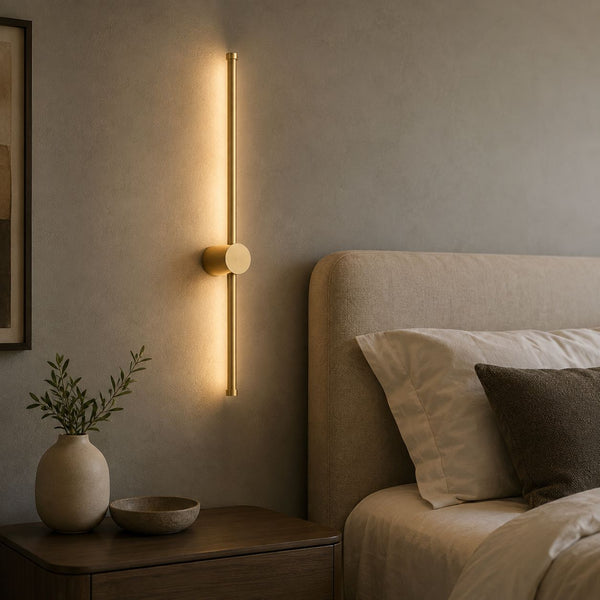
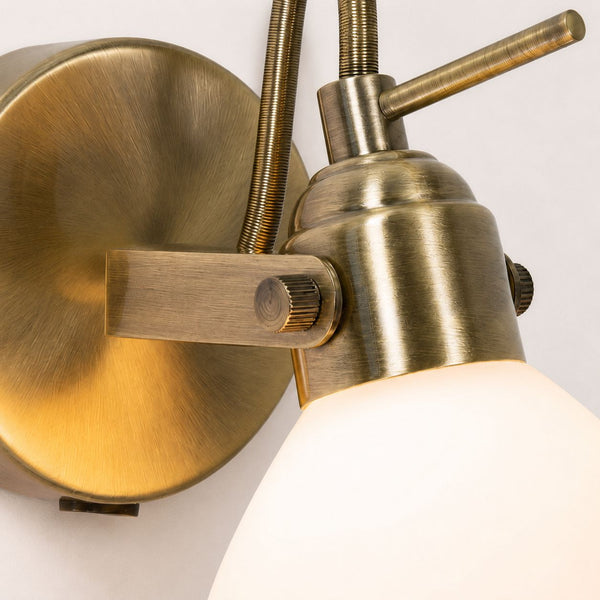
Wall lights instead of a ceiling light in a snug or second lounge — a pair of up-and-down wall lights either side of the chimney breast light the walls, which is what makes a room feel warm, and leave the ceiling clear.
Whichever you choose, keep the ceiling fitting on its own dimmer and add two lamps at seated height. The ceiling light starts the evening; the lamps finish it.