
Shop by Style
Vintage Lighting
Reclaimed character and patinated finishes. Light fittings with the look of well-aged metal and old glass.
Filters
4 items
Sort Most relevant
-
Signature Signature Small runs, real materials, made to order. The top of the Enso range.
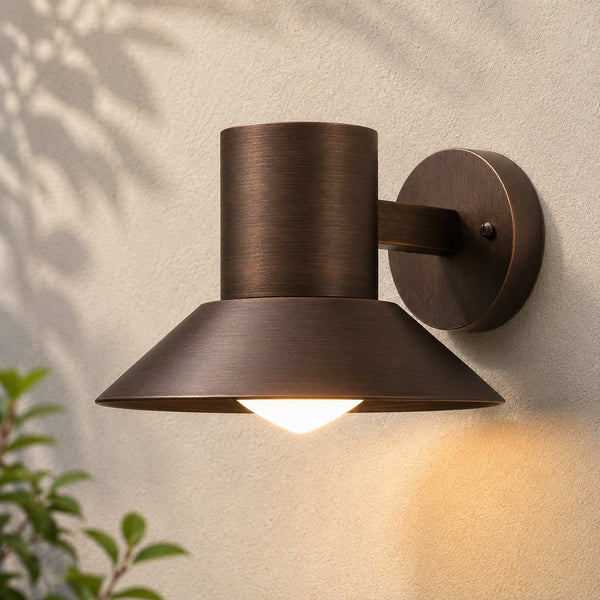
OUTDOOR LIGHTING
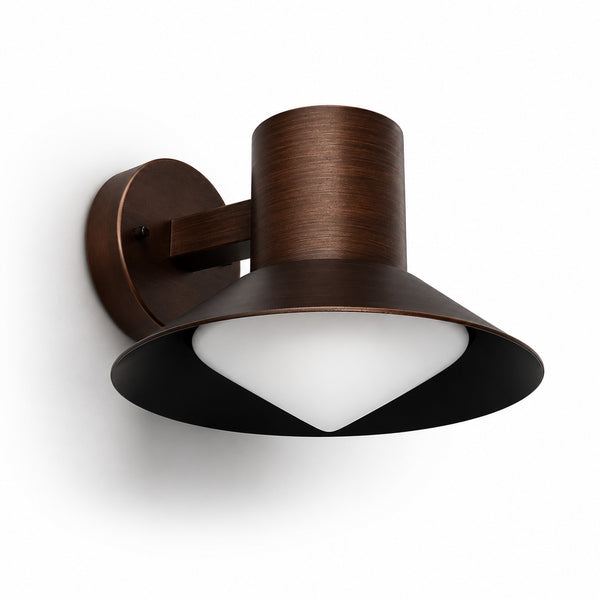
Venice Outdoor Wall Light — Antique Copper Look, IP44
Made in Denmark
Antique CopperE27 ES1 lampholder£85In stockView product → -
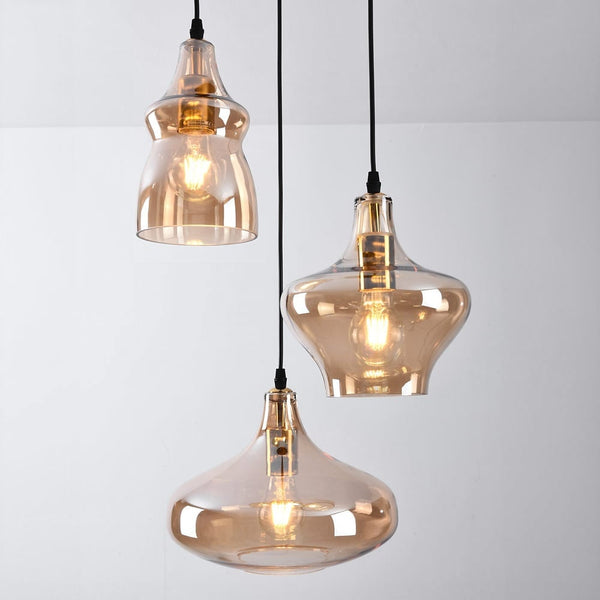
PENDANT LIGHTS
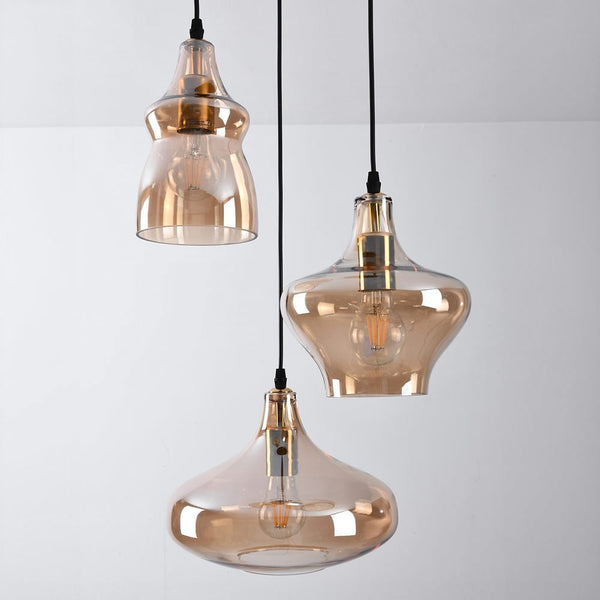
Brixton Industrial Triple Pendant Light — Black & Amber Glass
Black and amber glassE273 lampholders£245In stockView product → -
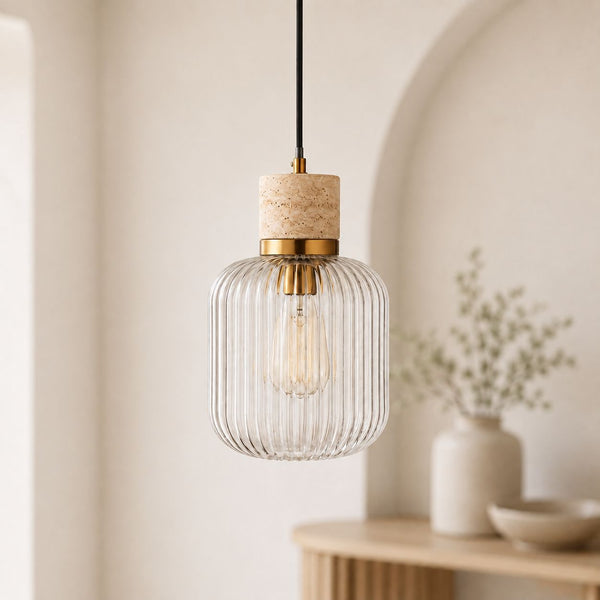
PENDANT LIGHTS
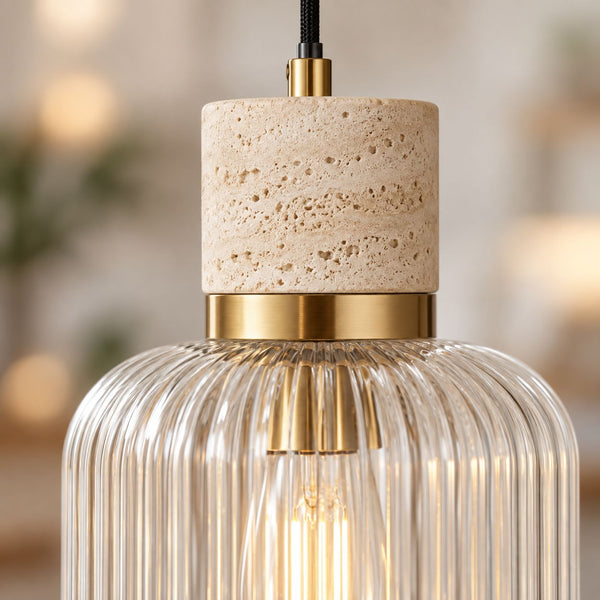
Taverna Ribbed Glass Pendant Light — Travertine & Vintage Brass
Vintage BrassE271 lampholder£145Made to orderView product → -
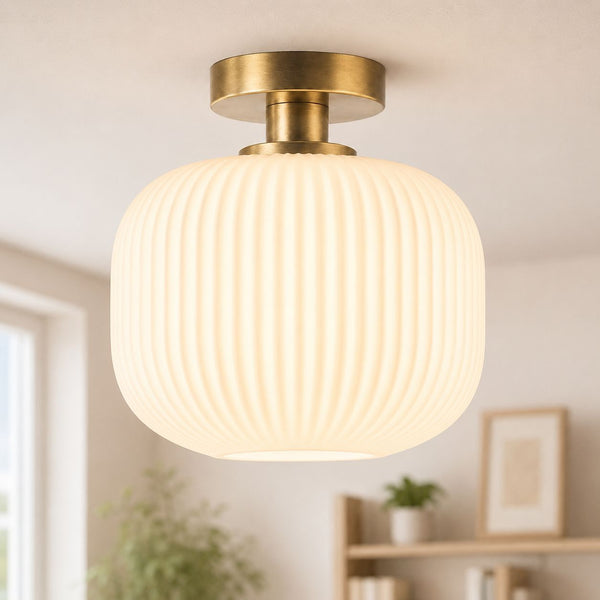
BATHROOM LIGHTING
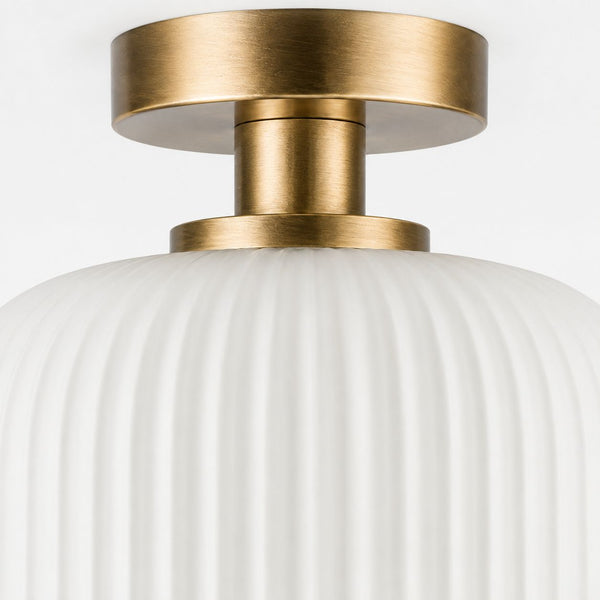
Rivoli Ribbed Ceiling Light — Glass, Antique Brass
Antique BrassE27 ES1 lampholder£83In stockView product → -
For your first order
10% off your first light
Leave your email and the code arrives straight away.
Then a short email most weeks. Unsubscribe any time. Privacy policy
Thank you
Your 10% code is on its way to your inbox. Any light, 30 days, no minimum.
Buying Guide
Frequently Asked Questions
What type of bulbs should I use with vintage-style light fittings?
Most vintage fittings use either E27 (Edison Screw) or B22 (bayonet) bulb caps, so check your specific fitting before purchasing. LED filament bulbs in warm white (2200K-2700K) are ideal as they replicate the amber glow of original incandescent bulbs whilst being energy efficient. Avoid cool white or daylight LEDs as they'll clash with the vintage aesthetic and make brass or copper finishes look washed out.
Can I install vintage ceiling lights myself or do I need an electrician?
Under UK Building Regulations Part P, simple like-for-like replacements of ceiling lights in most rooms can be done as DIY, but any new circuits or work in bathrooms must be completed by a registered electrician. If your property has older wiring without an earth or you're unsure about the existing ceiling rose condition, always hire a qualified spark. Most vintage pendants are straightforward to install onto a standard BESA box if you're competent with basic electrical work.
Do vintage light fittings work with dimmer switches and smart bulbs?
Vintage fittings themselves are compatible with dimmers and smart bulbs, but you must ensure the bulbs you choose are dimmable-rated (many LED filament bulbs are not). If using a traditional trailing edge or leading edge dimmer, check it's LED-compatible and meets the minimum load requirement, as vintage fittings often use low-wattage bulbs. Smart bulbs like Philips Hue are excellent for vintage fittings but should be used with a standard on/off switch, not a dimmer, to avoid conflicts.
How do I mix vintage lighting with modern interiors without it looking dated?
The key is to treat vintage lighting as an accent rather than overwhelming the space—one statement vintage pendant or wall light per room works well in contemporary settings. Pair industrial vintage styles (exposed bulbs, metal shades) with minimalist furniture and neutral walls, or use polished brass vintage fixtures to add warmth to Scandi-style interiors. Avoid matching everything vintage; mix with one or two modern lighting sources like recessed spots or sleek table lamps to keep the look fresh.
What's the difference between genuine vintage and vintage-style reproduction lights?
Genuine vintage lights are original antique pieces (typically pre-1980s) which may need rewiring to meet current UK wiring regulations and often have unique patina or wear. Vintage-style reproductions are newly manufactured to look period but come with modern safety certifications (CE/UKCA marked), consistent sizing, and warranty protection. Reproductions are generally more practical as they're designed for standard UK electrical fittings, LED bulbs, and meet current safety standards without modification.
How low should I hang a vintage pendant light over a dining table?
Hang vintage pendants 75-85cm above the dining table surface as a general rule, ensuring the bottom of the shade sits just above seated eye-line (roughly 150-160cm from the floor). For larger industrial or warehouse-style vintage pendants, you may go slightly higher to avoid overwhelming the space. If you have particularly high ceilings above 2.7m, consider using a longer flex or chain to bring the light down into the space rather than leaving it lost near the ceiling.
Are vintage brass and copper light fittings difficult to maintain?
Unlacquered brass and copper fittings will naturally tarnish and develop a patina over time, which many prefer for an authentic vintage look—simply dust regularly with a soft cloth. If you want to maintain the original shine, use a brass or copper polish every few months, though this requires more upkeep. Many vintage-style fittings now come with a protective lacquer that prevents tarnishing but can't be polished, so decide which maintenance level suits you before purchasing.