
Shop by Style
Modern Minimal Lighting
Clean lines, restrained palettes and considered geometry. Designs that recede when off and centre the room when lit.
Filters
57 items
Sort Most relevant
-
2 sizes

DOWNLIGHTS
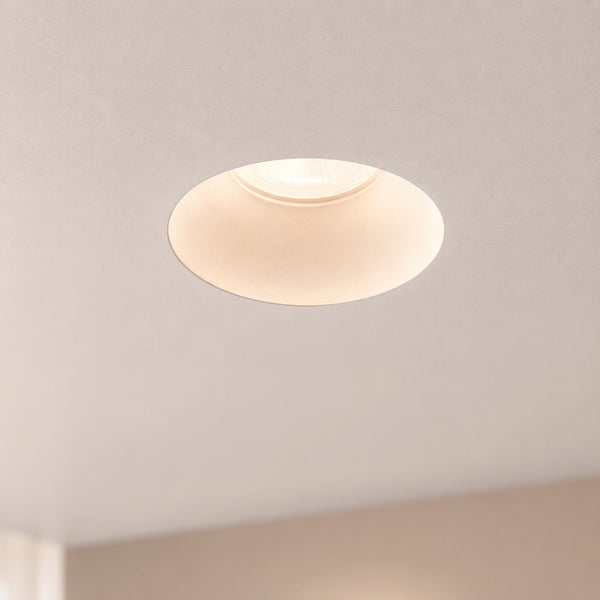
Kanto Trimless Plaster-In Downlight — Matt White
2 coloursWhiteGU101 lampholderFrom £18In stockView product → -
CEILING LIGHTS
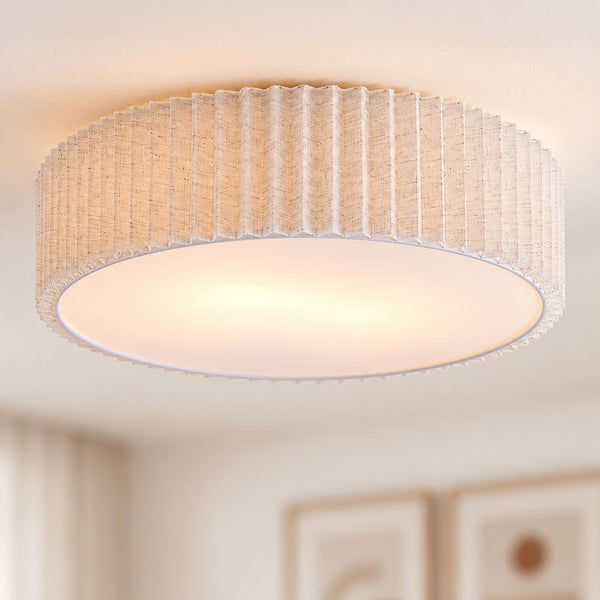
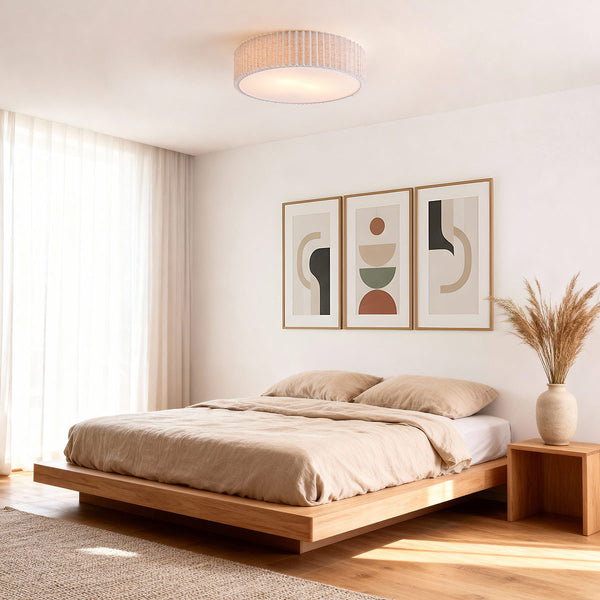
Plisse Pleated Ceiling Light — Off-White, 40 cm
Off-whiteE272 lampholders£95UnavailableView product → -
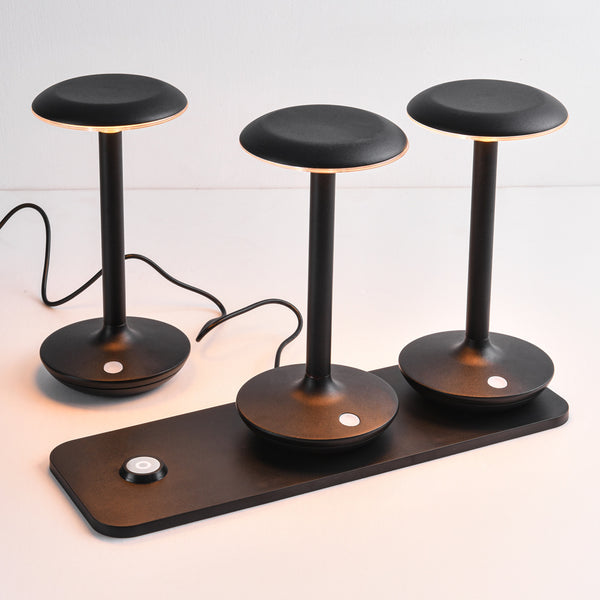
TABLE LAMPS
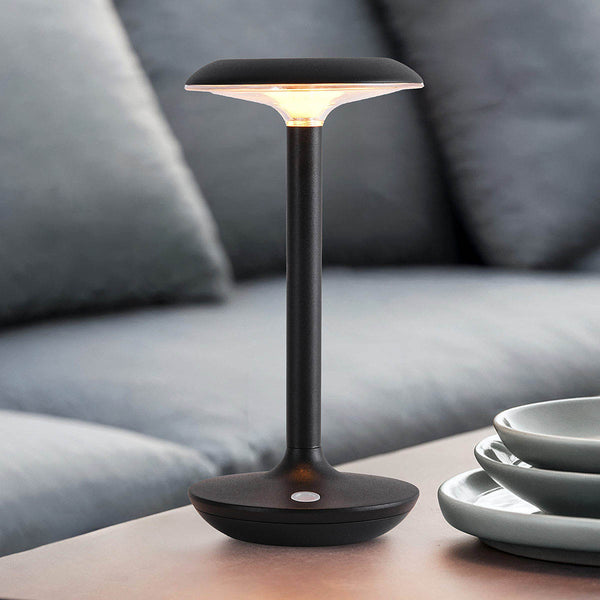
Trio Wireless Table Lamp Set — Black, Charging Station
BlackIntegrated LED£110In stockView product → -
WALL LIGHTS
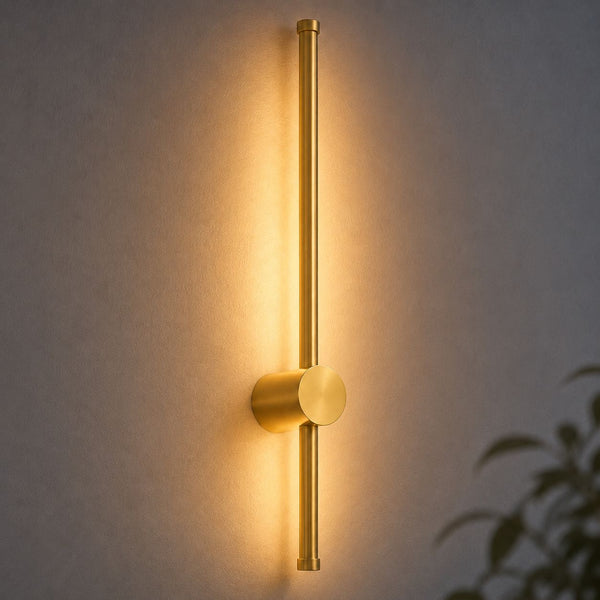
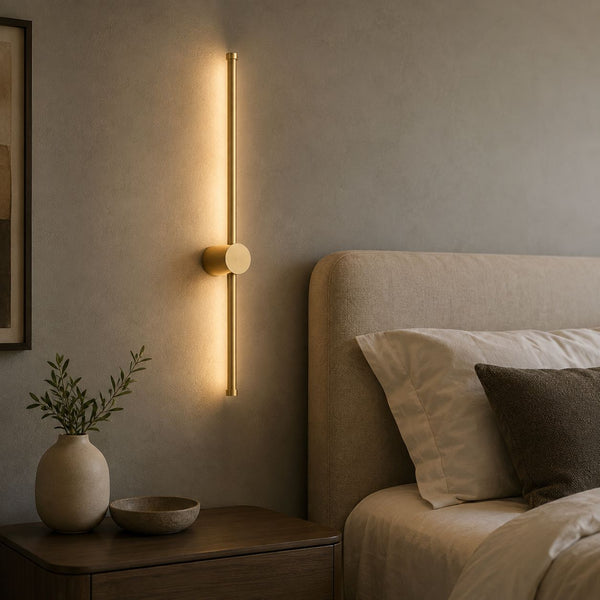
Vireo LED Stick Wall Light — Brushed Gold, Ambient Backlight
Brushed GoldIntegrated LED£53UnavailableView product → -
For your first order
10% off your first light
Leave your email and the code arrives straight away.
Then a short email most weeks. Unsubscribe any time. Privacy policy
Thank you
Your 10% code is on its way to your inbox. Any light, 30 days, no minimum.
-
WALL LIGHTS
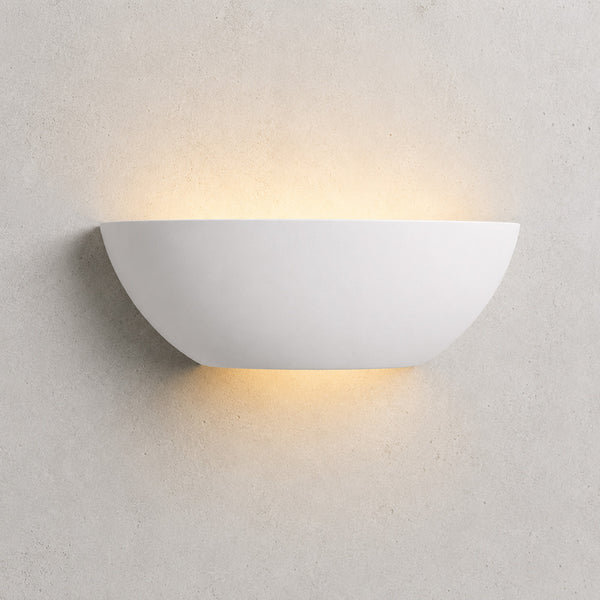
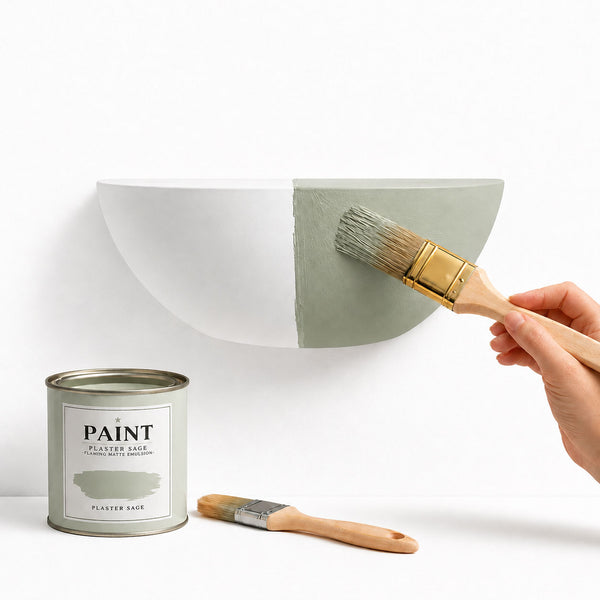
Bianca Paintable Up/Down Wall Light — Plaster, White
WhiteE14 SES1 lampholder£35UnavailableView product → -
2 sizes
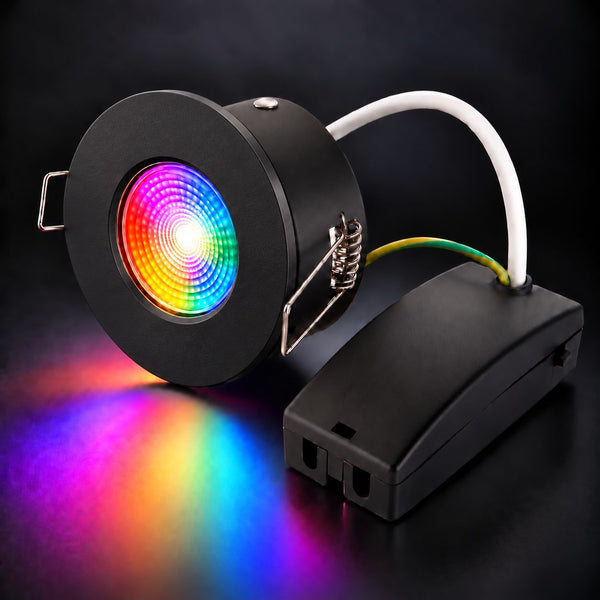
DOWNLIGHTS
Creo Smart RGB Fire Rated Downlight — Matt Black, IP65
6 coloursMatt BlackGU101 lampholderFrom £24In stockView product → -
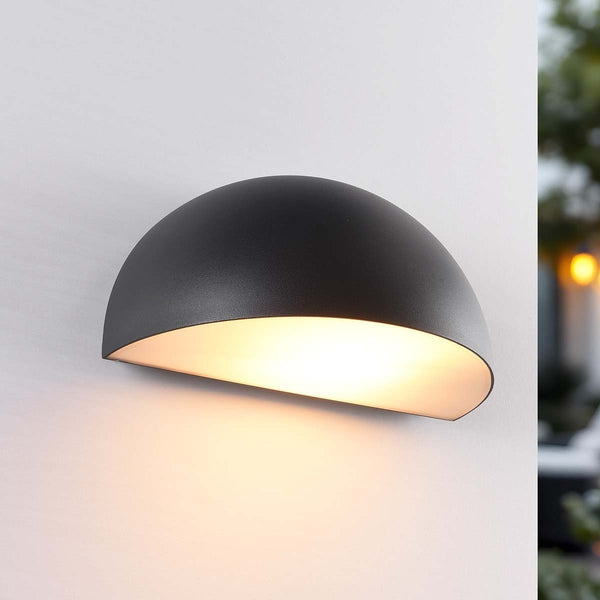
OUTDOOR LIGHTING
Bay Outdoor Wall Light — Black, 2 Lights
BlackE272 lampholders£60In stockView product → -
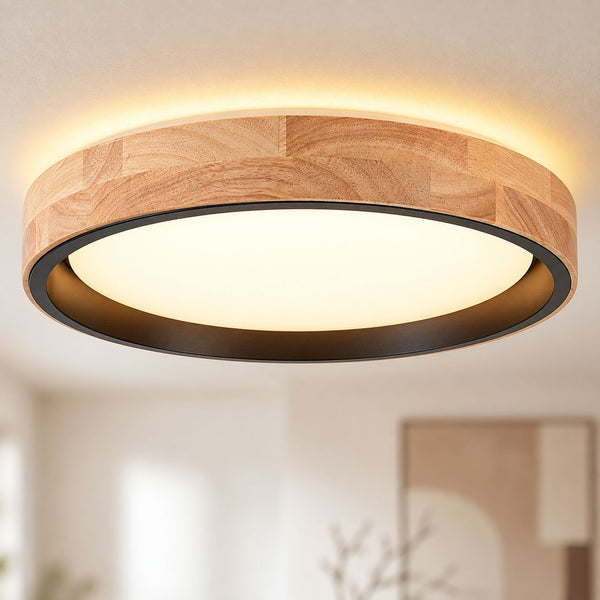
CEILING LIGHTS
Oda LED Ceiling Light — Black & Oak Look, 41 cm
Black with oak wood lookIntegrated LED£85In stockView product → -
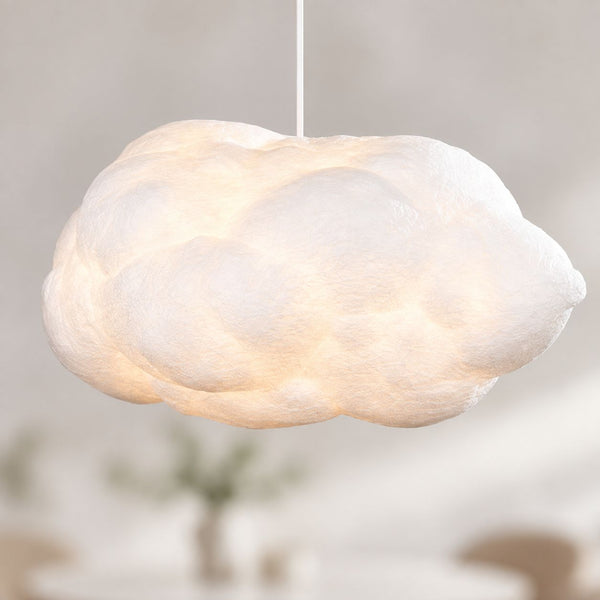
PENDANT LIGHTS
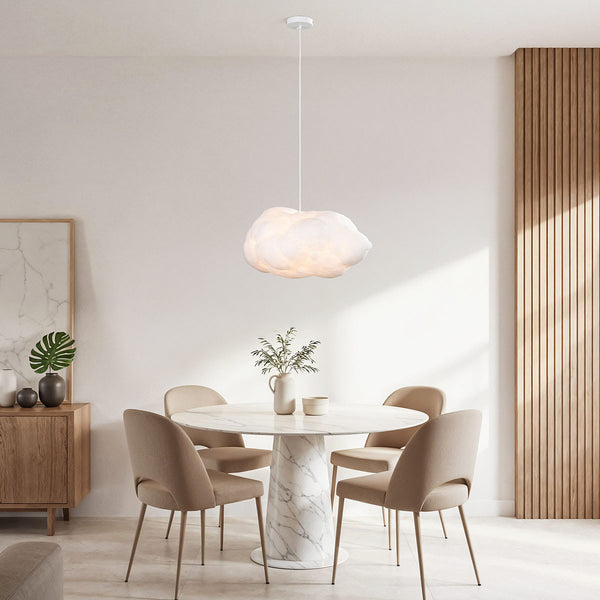
Nuvola Cloud Pendant Light — White, Medium
WhiteE272 lampholders£125In stockView product → -
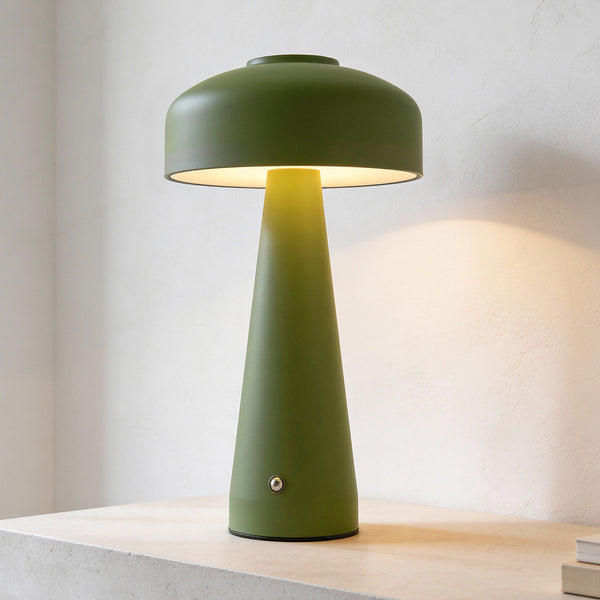
TABLE LAMPS
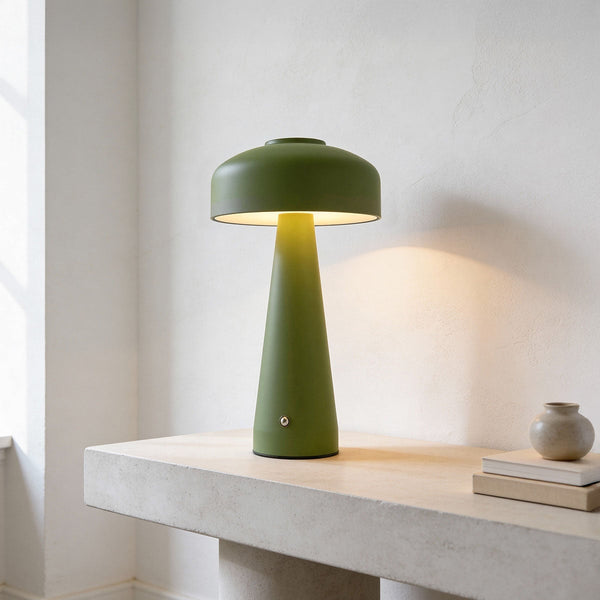
Momo Rechargeable Mushroom Table Lamp — Green
2 coloursGreenIntegrated LED£55In stockView product → -
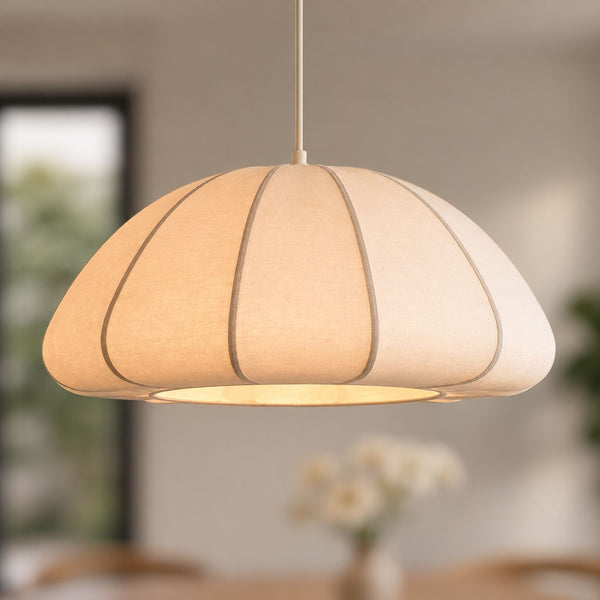
PENDANT LIGHTS
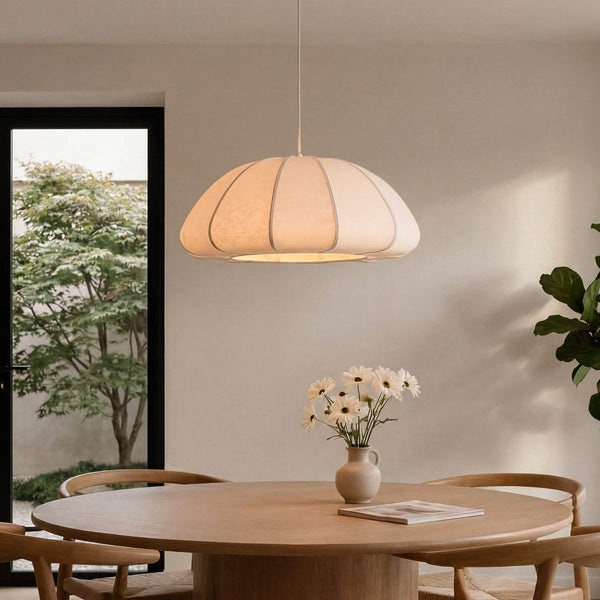
Ines Fabric Pendant Light — Off-White, 60 cm
Off-whiteE271 lampholder£160In stockView product →



Showing 12 of 57
Buying Guide
Frequently Asked Questions
What defines modern minimal lighting and how do I know if a fixture truly fits this style?
Modern minimal lighting is characterised by clean geometric forms, neutral finishes (black, white, brass, chrome), and an absence of ornate detailing or pattern. Look for fixtures with simple silhouettes—think linear pendants, flush discs, cylindrical spots, or skeletal metal frames—where the structure itself is the design. Avoid anything with crystals, elaborate shades, or decorative flourishes, as these veer into traditional or maximalist territory.
Can I mix modern minimal lighting with other interior styles without clashing?
Modern minimal lighting pairs exceptionally well with Scandi, industrial, and contemporary interiors due to shared simplicity and neutral palettes. It also works as an intentional contrast in period properties or transitional spaces, where clean-lined lighting balances ornate architectural features. The key is maintaining a consistent finish across your lighting (all matte black or all brushed brass, for example) to create visual cohesion even when furniture styles vary.
What type of bulbs work best with modern minimal light fittings?
LED filament bulbs in clear glass (2700K warm white) complement the pared-back aesthetic whilst providing visible design interest in exposed-bulb fixtures. For enclosed modern minimal fittings, standard LED bulbs work perfectly—just ensure the colour temperature stays between 2700-3000K to maintain warmth, as stark cool white (4000K+) can feel clinical. Most modern minimal fixtures use E27 or GU10 fittings, which are widely compatible with dimmable and smart bulbs.
Do modern minimal light fittings provide enough light or are they just decorative?
Modern minimal fixtures are fully functional and often more efficient than decorative styles, as simple designs typically allow maximum light output without obstruction from shades or embellishments. A single modern minimal pendant may not sufficiently light a whole room, so layer with recessed spotlights, wall lights, or floor lamps to achieve proper illumination levels (typically 300-400 lumens per square metre for living areas). The style prioritises intentional lighting placement over relying on one statement piece.
Are modern minimal ceiling lights easy to install yourself or do I need an electrician?
Under UK Part P Building Regulations, replacing an existing ceiling light on a like-for-like basis is generally permitted as DIY work, but installing new circuits or light points requires a qualified electrician or notification to Building Control. Modern minimal fixtures typically mount to standard BESA boxes and use straightforward wiring, but if you're adding dimmer switches, moving light positions, or working in bathrooms (special location zones), you must use a registered Part P electrician.
Will matte black or white finishes on modern minimal lights show dust and fingerprints?
Matte black shows dust more readily than white, whilst both finishes resist fingerprints better than gloss or polished metals. Wipe matte powder-coated finishes with a barely damp microfibre cloth every few weeks—avoid harsh chemicals or abrasive cleaners that can damage the coating. Brushed or satin metal finishes in brass or nickel are more forgiving if low maintenance is a priority, as they naturally camouflage minor marks.
Can I use smart bulbs and dimmer switches with modern minimal lighting?
Yes, most modern minimal fixtures accept standard smart bulbs (E27, E14, GU10) without issue, but check the fixture's maximum wattage and whether it's enclosed, as some smart bulbs require ventilation. If installing a wall dimmer switch, ensure it's LED-compatible (trailing edge is best) and that your chosen smart or standard LED bulbs are marked as dimmable—non-dimmable LEDs will flicker or fail. You cannot use both a smart bulb and a dimmer switch simultaneously, so choose one control method.