
Wall Lighting
Picture Lights
Slim, directional wall lights designed to illuminate art and prints. Brass, bronze and matt black finishes that frame without overpowering.
Filters
7 items
Sort Most relevant
-
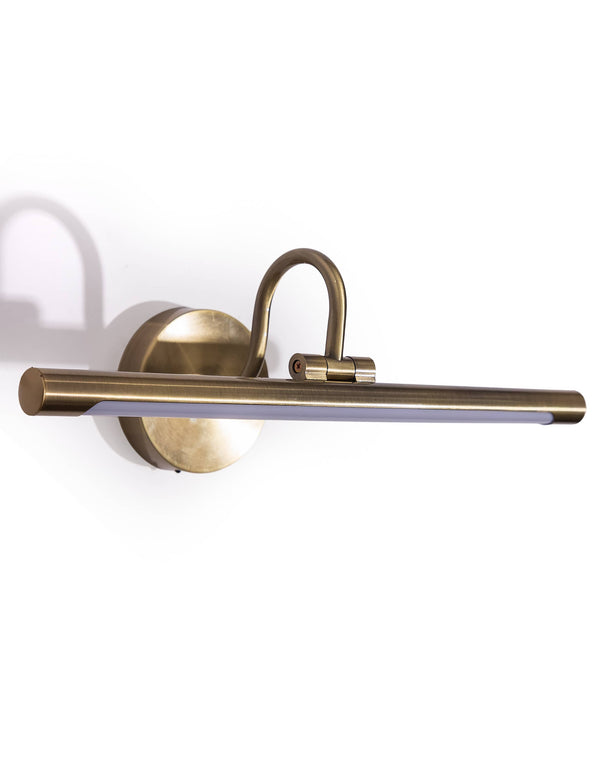
WALL LIGHTS
Galera Rechargeable Picture Light — Brushed Brass
Brushed Brass£61In stockView product → -
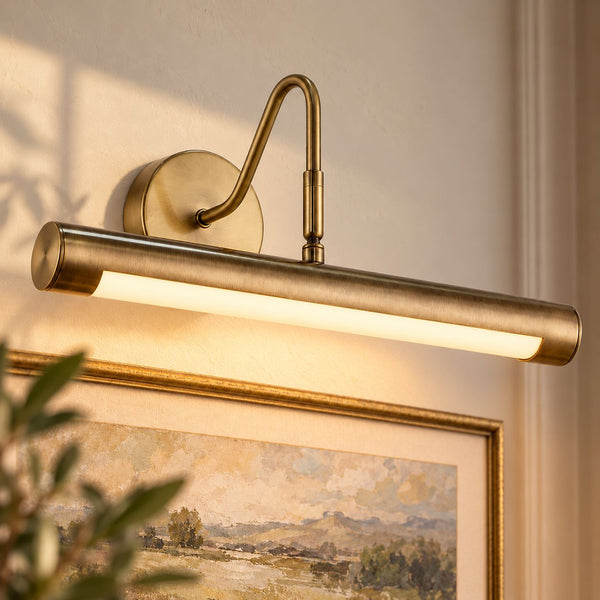
WALL LIGHTS
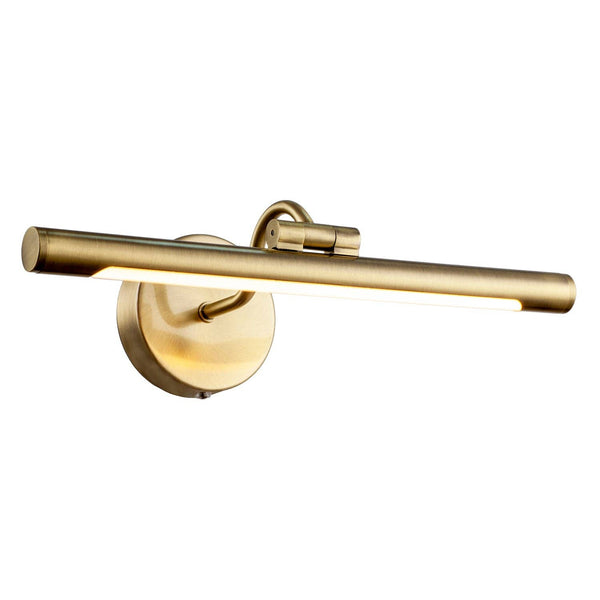
Oriel Rechargeable Picture Light — Antique Brass, 35cm
Antique BrassIntegrated LED£80Made to orderView product → -
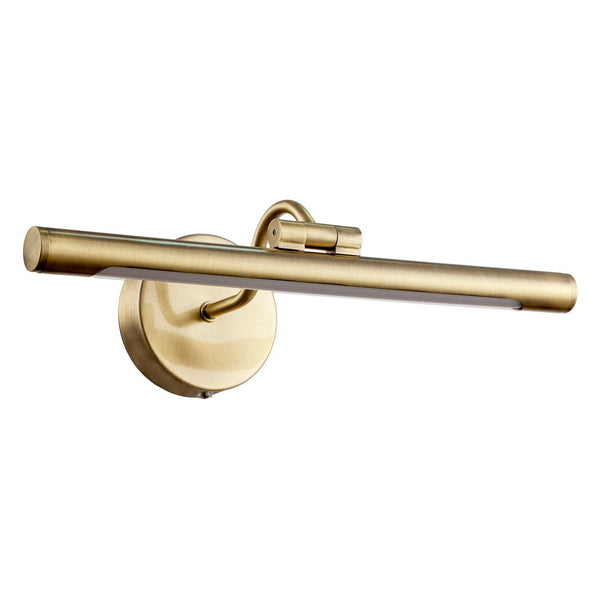
WALL LIGHTS
Arvo Rechargeable Picture Light — Antique Brass, Touch Dimmer
Antique BrassIntegrated LED£80UnavailableView product → -
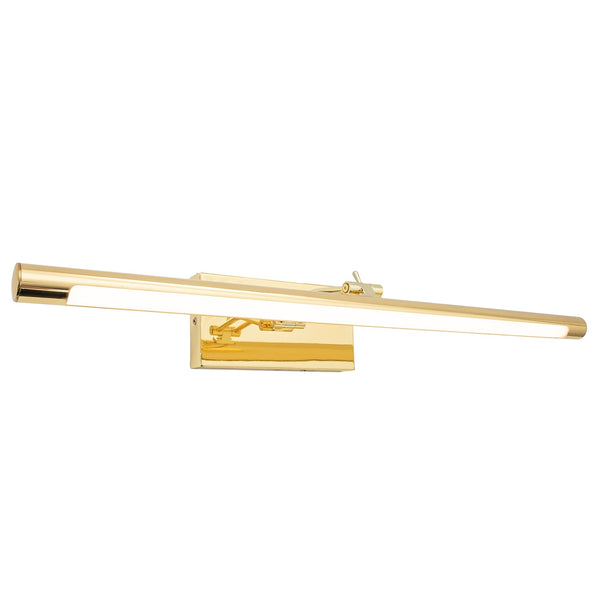
WALL LIGHTS
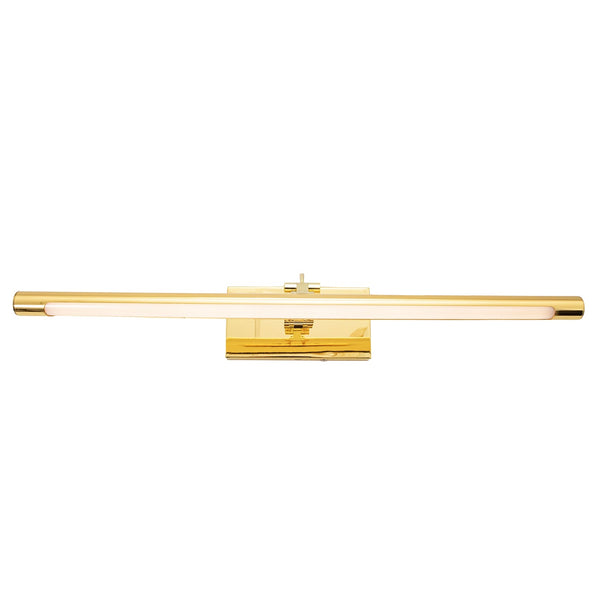
Lyra Rechargeable Picture Light — Polished Gold, 56cm
Polished GoldIntegrated LED£105Made to orderView product → -
For your first order
10% off your first light
Leave your email and the code arrives straight away.
Then a short email most weeks. Unsubscribe any time. Privacy policy
Thank you
Your 10% code is on its way to your inbox. Any light, 30 days, no minimum.
-

WALL LIGHTS
Maison Picture Light — Matt Black, Swan Neck
3 coloursMatt BlackE141 lampholder£56Made to orderView product → -
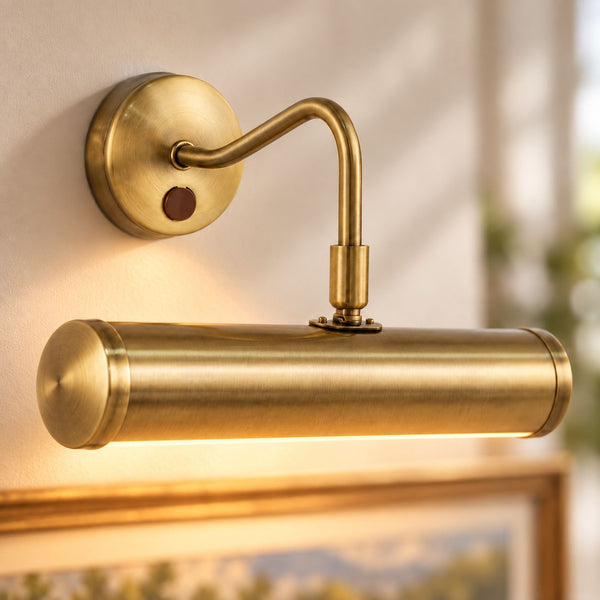
WALL LIGHTS
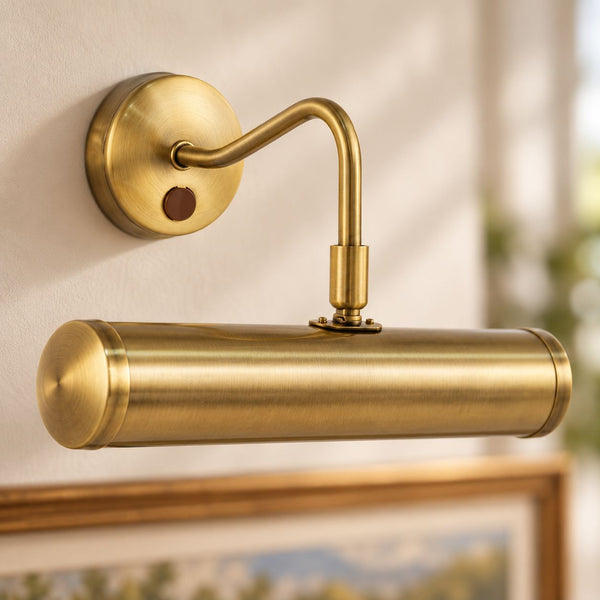
Maison Picture Light — Antique Brass, Swan Neck
3 coloursAntique BrassE141 lampholder£56Made to orderView product → -
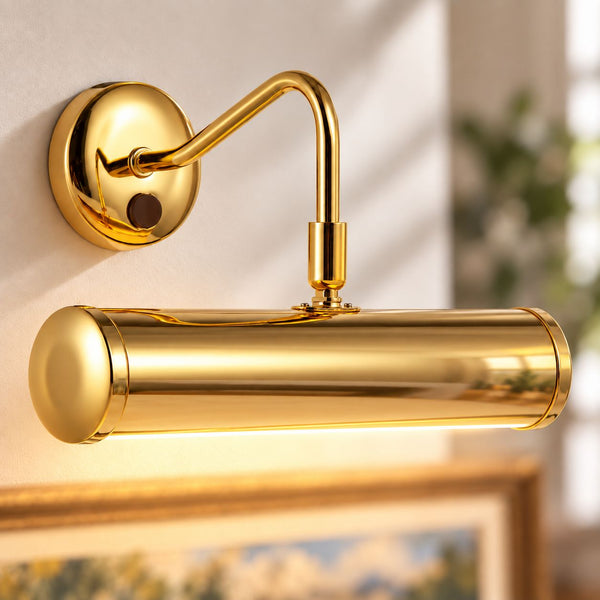
WALL LIGHTS
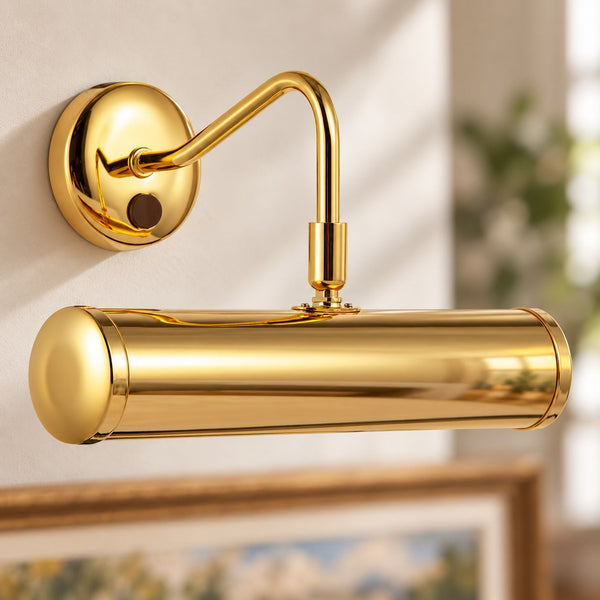
Maison Picture Light — Polished Brass, Swan Neck
3 coloursPolished BrassE141 lampholder£56Made to orderView product →
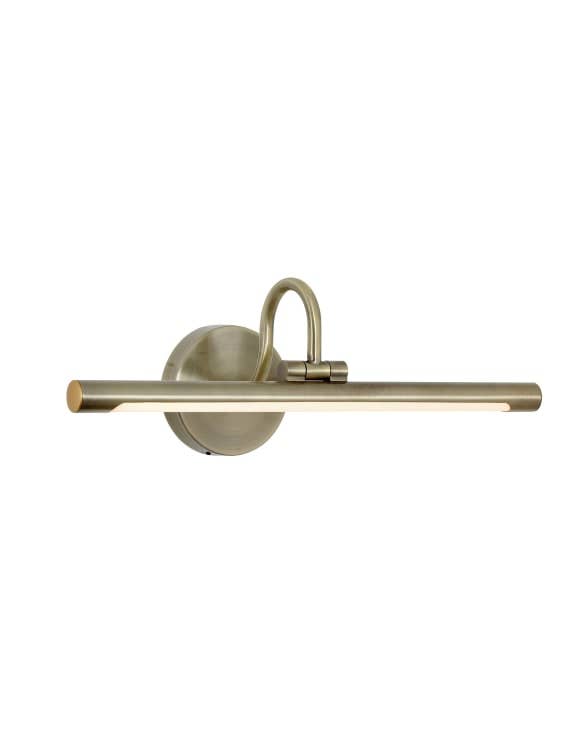
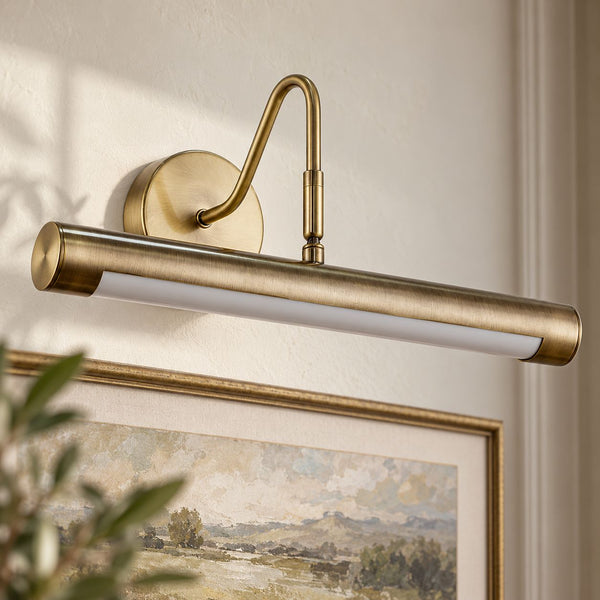


Buying Guide
Frequently Asked Questions
What size picture light do I need for my artwork?
As a general rule, choose a picture light that's between one-third and one-half the width of your frame. For a 90cm wide painting, a 30-45cm picture light works well. Smaller lights (15-25cm) suit A4 to A3 prints, whilst larger lights (50-75cm) are needed for substantial artworks over 120cm wide.
Can I install a picture light myself or do I need an electrician?
Under Part P of UK Building Regulations, installing a new picture light counts as notifiable electrical work if you're creating a new circuit. Replacing an existing picture light on the same circuit is generally non-notifiable, though many choose to use a qualified electrician for safety. Battery-powered or plug-in picture lights require no electrical work at all and can be installed by anyone.
How far should a picture light extend from the wall?
Most picture lights project 10-25cm from the wall, with adjustable arms allowing you to direct light onto the artwork surface. The projection needs to clear the frame depth (typically 3-8cm) whilst angling light downward at roughly 30 degrees. Check your frame's depth and ensure the light's arm extends at least 5cm beyond it to avoid shadows.
Will a picture light work with LED bulbs and dimmers?
Yes, modern picture lights accept LED bulbs, though check the fitting type (usually G9, E14, or integrated LED). For dimming, you'll need dimmable LED bulbs paired with an LED-compatible dimmer switch—standard rotary dimmers often cause flickering. Many integrated LED picture lights now include built-in dimming or work with smart home systems.
Do picture lights need to be hardwired or can they plug in?
Picture lights come in both hardwired and plug-in versions. Hardwired models connect directly to your mains wiring for a cleaner look with no visible cables, whilst plug-in versions simply cord down to a nearby socket and are far easier to install. Battery-operated picture lights offer the most flexibility but require periodic battery changes (typically every 3-6 months).
What colour temperature is best for picture lights?
Warm white (2700-3000K) suits traditional oil paintings and gold frames, whilst neutral white (3500-4000K) works better for contemporary art and photography where colour accuracy matters. Avoid cool white (5000K+) unless specifically lighting black-and-white photography, as it can distort colours and create a clinical appearance.
Can picture lights damage artwork over time?
LED picture lights emit virtually no UV radiation and minimal heat, making them safe for most artwork including oils, acrylics, and prints. Traditional halogen picture lights generate significant heat and UV, which can fade pigments and damage delicate works—if you have an older halogen fixture, convert to LED bulbs. Keep lights at least 5cm from the canvas surface and avoid lighting valuable watercolours or textiles for extended periods.