
Shop by Style
Farmhouse Lighting
Weathered metals, bell-shaped shades and rustic charm. Lighting that suits country kitchens, barn conversions and quiet retreats.
Filters
3 items
Sort Most relevant
-
Signature Signature Small runs, real materials, made to order. The top of the Enso range.
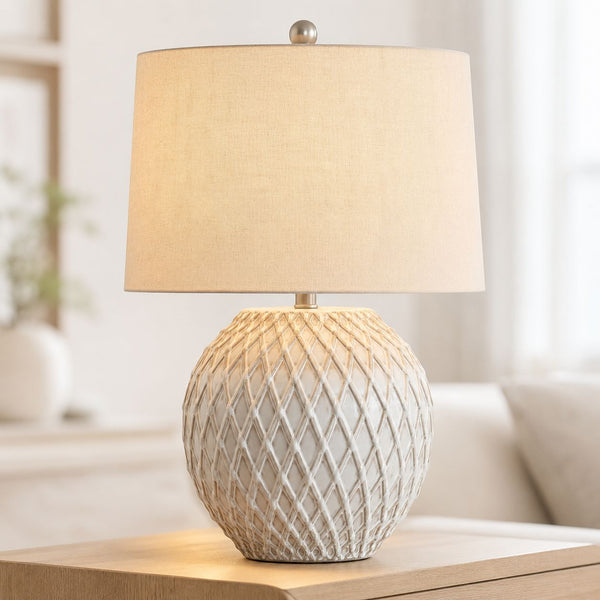
TABLE LAMPS
Lattice Ceramic Table Lamp — Cream, Linen Shade
Made in United Kingdom
CreamE27 ES1 lampholder£195In stockView product → -
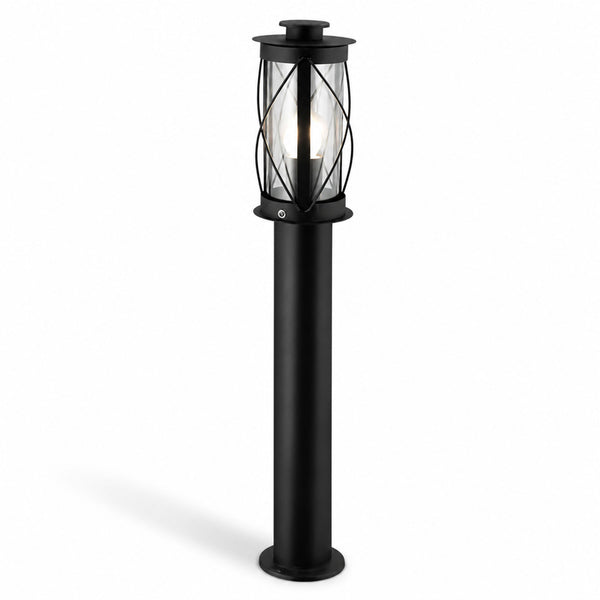
OUTDOOR LIGHTING
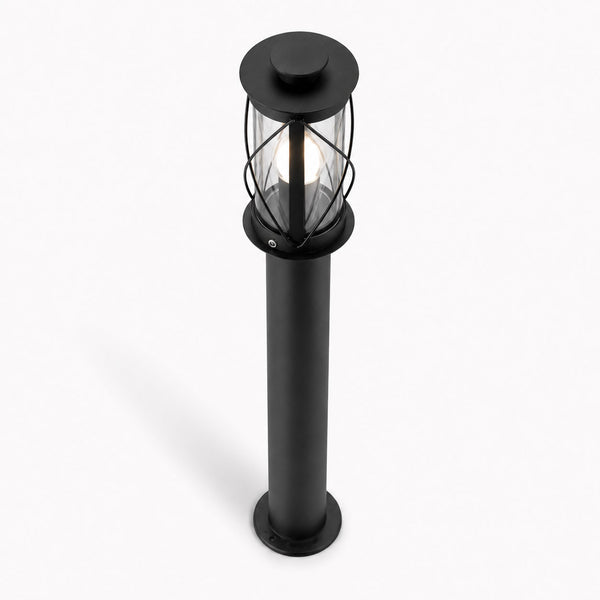
Lucia Rustic Bollard Post Light — Stainless Steel Black, 60cm
BlackE27 ES1 lampholder£90In stockView product → -
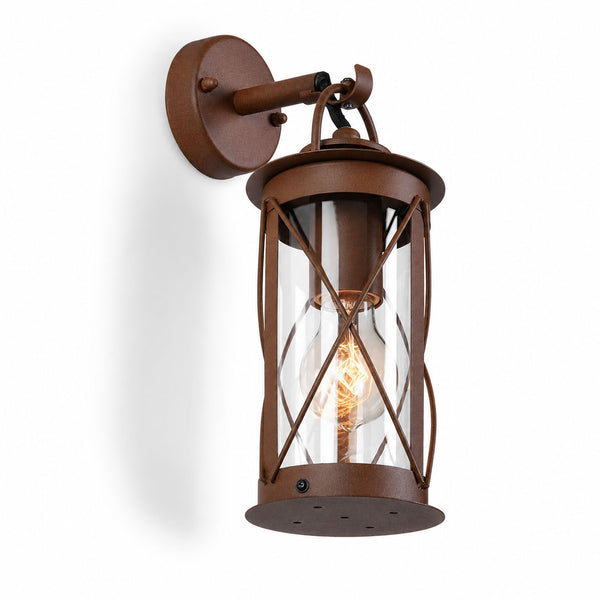
OUTDOOR LIGHTING
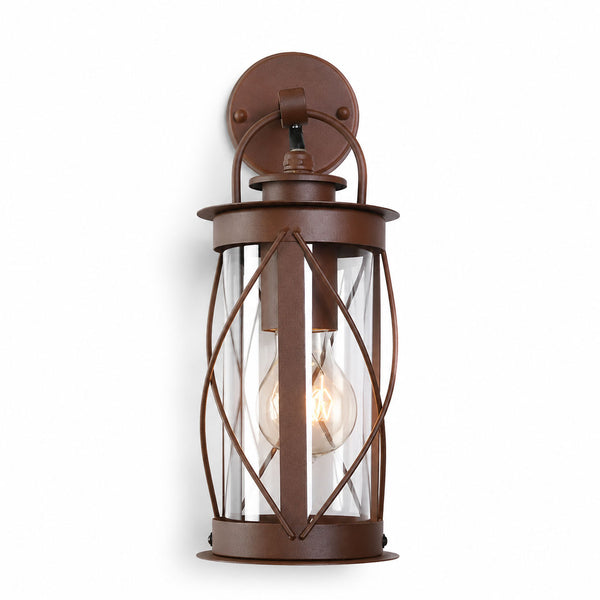
Alicia Vintage Farmhouse Wall Light — Glass, Rustic Brown
Rustic brownE27 ES1 lampholder£90In stockView product →
Buying Guide
Frequently Asked Questions
What makes a light fitting authentically farmhouse style rather than just rustic?
Authentic farmhouse lighting typically features materials like aged brass, bronze, or pewter finishes combined with clear or seeded glass shades, often with visible metalwork and simple, functional silhouettes. Unlike broader rustic styles, farmhouse specifically draws from agricultural utility lighting—think barn lights, lanterns, and vintage pendant cages—with minimal ornamentation and a focus on honest construction. Look for details like wire cage guards, galvanised metal finishes, or enamel shades in muted colours rather than heavily distressed wood or wrought iron scrollwork.
Can I mix farmhouse lighting with modern or contemporary interiors?
Farmhouse lighting works particularly well in modern farmhouse or transitional schemes where you're balancing industrial elements with cleaner lines. Pair metal cage pendants or lantern-style fixtures with neutral colour palettes, simple furniture, and minimal accessories to avoid a themed look. The key is limiting farmhouse pieces to 2-3 statement lights per room whilst keeping surrounding decor streamlined—for example, a farmhouse pendant over a modern kitchen island or a pair of barn lights flanking a contemporary mirror.
What type of bulbs work best with farmhouse-style light fittings?
Farmhouse fixtures often feature exposed bulbs or clear glass, so choose LED filament bulbs (squirrel cage, globe, or Edison styles) in warm white (2200K-2700K) to enhance the vintage aesthetic. Standard E27 or B22 fittings are most common in UK farmhouse lighting, and most work perfectly with dimmable LED bulbs provided you have a compatible LED dimmer switch fitted. Avoid cool white or daylight bulbs as they clash with the warm, aged materials typical of farmhouse metalwork and create a stark, unflattering effect.
Do farmhouse ceiling lights provide enough illumination for a kitchen or dining room?
Many farmhouse pendants and ceiling lights prioritise style over output, so check the maximum wattage and number of bulbs per fitting—most accommodate 40-60W equivalents per socket. For kitchens, you'll likely need multiple pendants over islands or peninsulas (typically three for a 2-2.5m run) combined with recessed spots or under-cabinet lighting for task areas. Dining rooms can manage with a single statement chandelier or clustered pendants, but ensure your total lumen output reaches 300-400 lumens per square metre for comfortable general lighting.
Are farmhouse light fittings suitable for bathrooms?
Farmhouse wall lights and flush ceiling fittings can work in bathrooms if they meet IP ratings required by UK Building Regulations Part P—look for minimum IP44 for zones 1 and 2 (within 60cm of water sources). Metal finishes like aged brass or bronze are preferable to painted steel which may deteriorate in humid conditions, and ensure any glass is properly sealed. Avoid purely decorative wire cage designs with exposed bulbs near showers or baths as these rarely achieve adequate IP ratings.
What ceiling height do I need for farmhouse pendant lights?
Most farmhouse pendants work best with ceiling heights of 2.4-3m, with the bottom of the shade hanging 75-85cm above a dining table or 90-100cm above a kitchen island or breakfast bar. For lower ceilings (2.2-2.4m), choose semi-flush or flush farmhouse designs to maintain clearance whilst preserving the style. If you have particularly high ceilings above 3m, consider clustered pendants at varying heights or a larger statement piece like a farmhouse chandelier to properly fill the vertical space.
Can I install farmhouse lighting myself or do I need an electrician?
Under Part P of UK Building Regulations, you can replace an existing light fitting on a like-for-like basis yourself, but any new circuits, bathroom installations, or changes to wiring must be completed by a qualified electrician or certified under a competency scheme. Most farmhouse ceiling lights are straightforward replacements if you already have a ceiling rose or BESA box in position, but heavier fixtures like large chandeliers or multi-pendant installations may require additional ceiling support that needs professional assessment. Always switch off power at the consumer unit before attempting any electrical work.