
Shop by Finish
Brass Lighting
Aged, antique and polished brass fittings. The metal finish that's defined modern interiors for the past decade.


Filters
56 items
Sort Most relevant
-
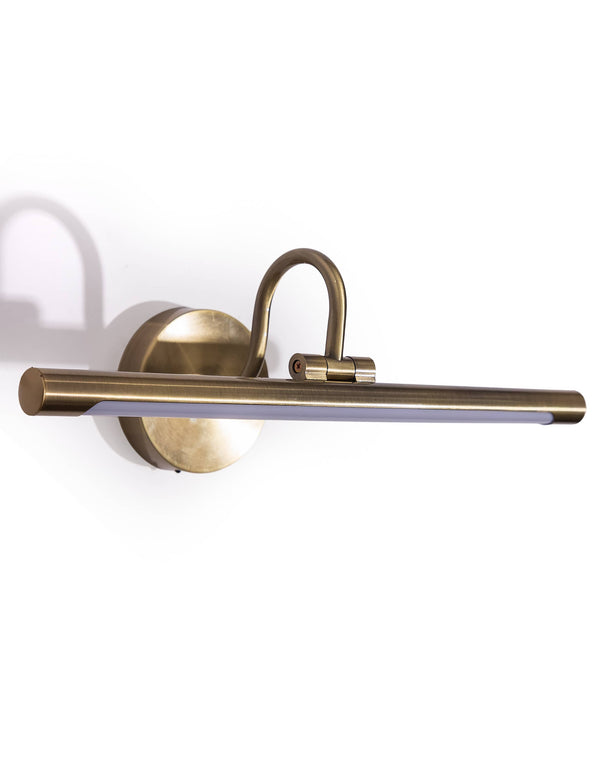
WALL LIGHTS
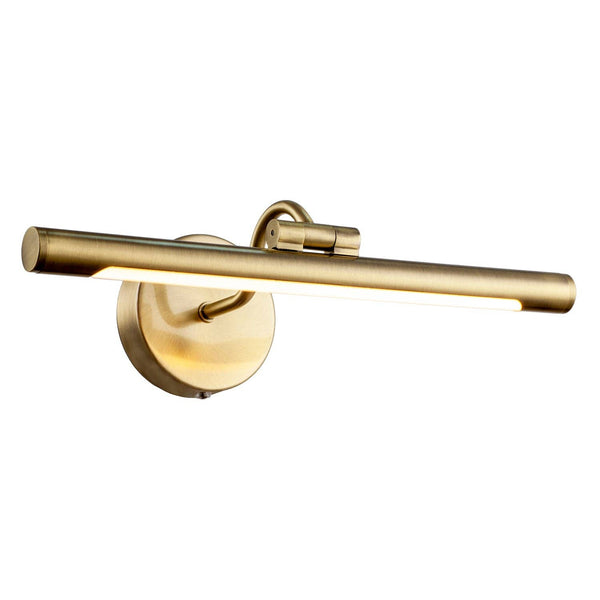
Galera Rechargeable Picture Light — Brushed Brass
Brushed Brass£61In stockView product → -
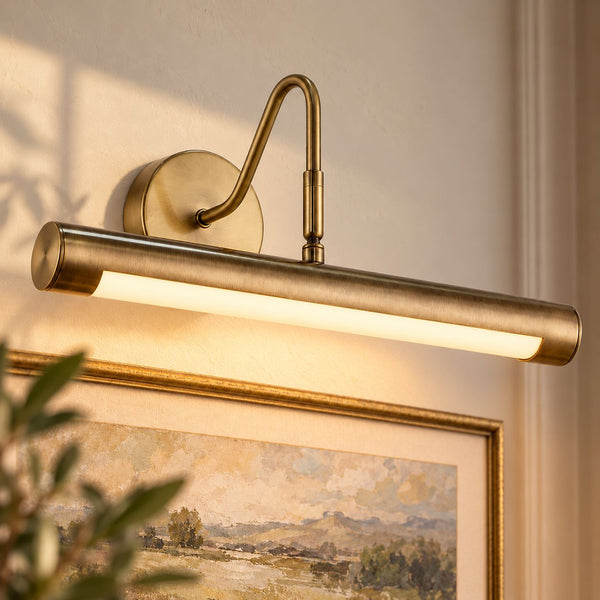
WALL LIGHTS
Oriel Rechargeable Picture Light — Antique Brass, 35cm
Antique BrassIntegrated LED£80Made to orderView product → -
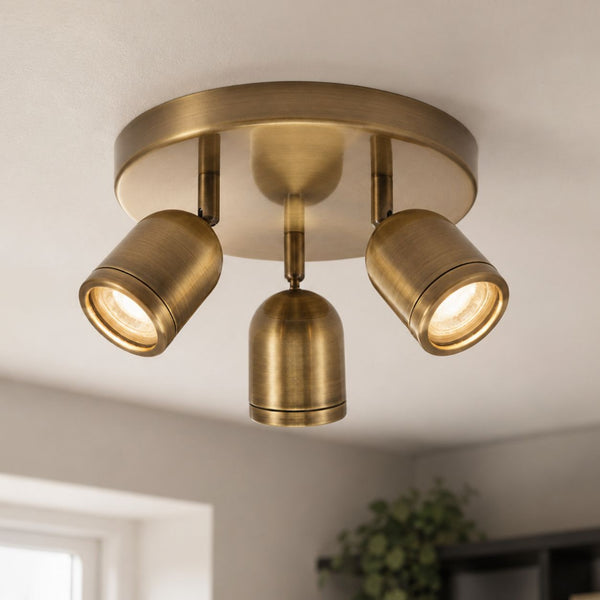
BATHROOM LIGHTING
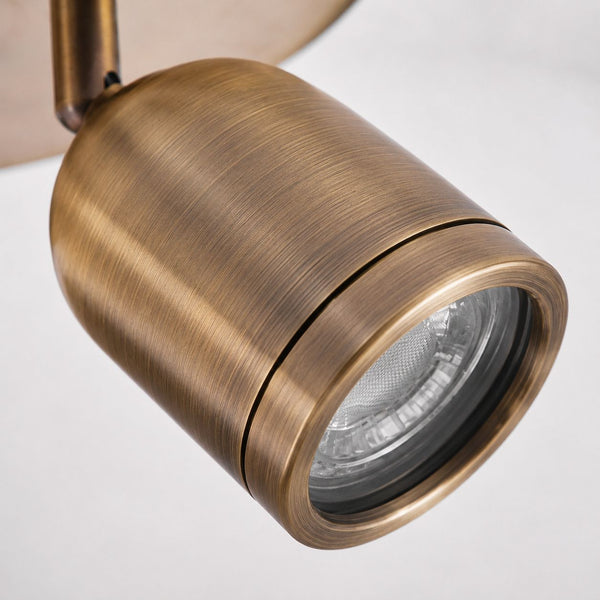
Lucca Triple Spot Bathroom Ceiling Light — Antique Brass, IP44
Antique BrassGU103 lampholders£70Made to orderView product → -
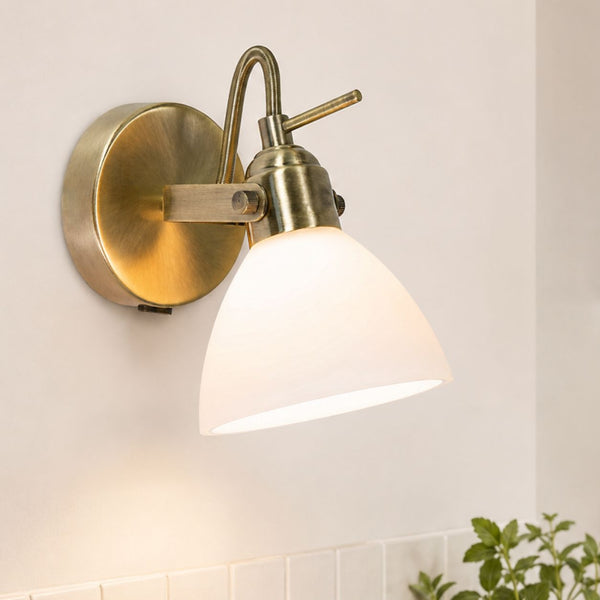
WALL LIGHTS
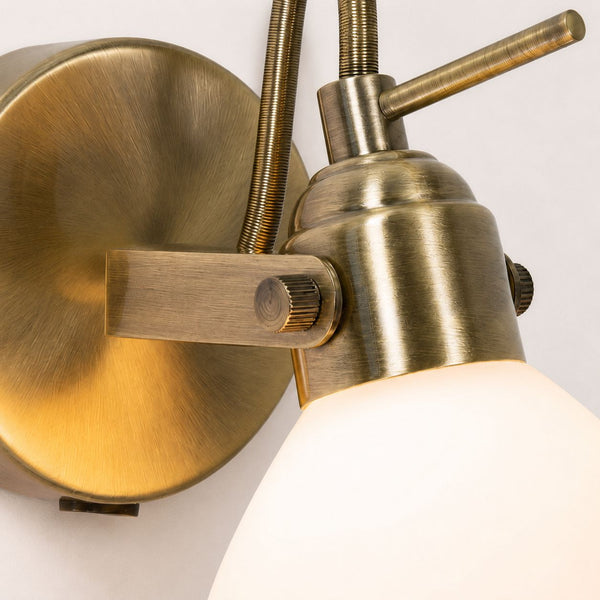
Callas Wall Spot Light — Antique Brass, Opal Glass Shade
Antique BrassG91 lampholder£56In stockView product → -
For your first order
10% off your first light
Leave your email and the code arrives straight away.
Then a short email most weeks. Unsubscribe any time. Privacy policy
Thank you
Your 10% code is on its way to your inbox. Any light, 30 days, no minimum.
-
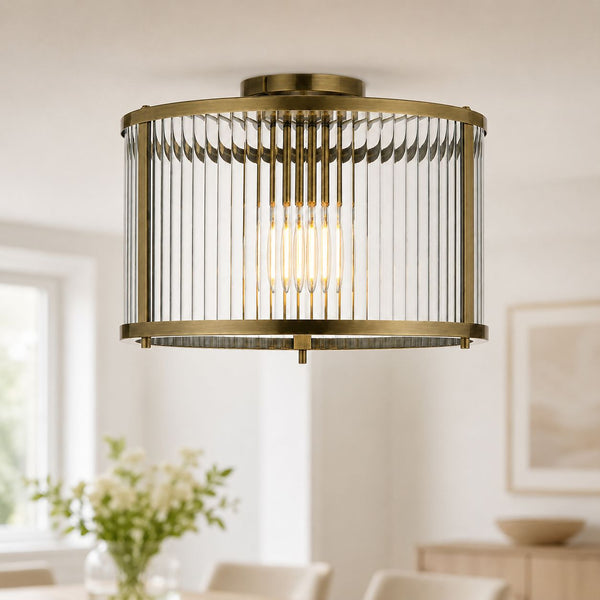
CEILING LIGHTS
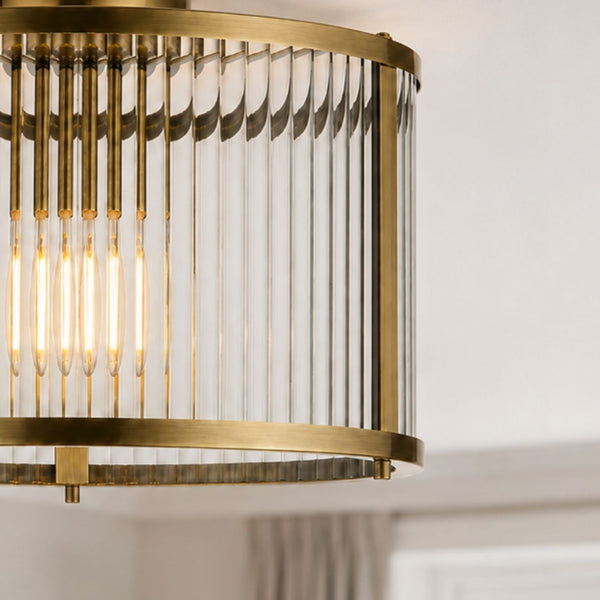
Halo Flush Ribbed Light — Glass, Antique Brass
Antique BrassE27 ES1 lampholder£165In stockView product → -
2 sizes

DOWNLIGHTS
Creo Smart RGB Fire Rated Downlight — Antique Brass, IP65
6 coloursAntique BrassGU101 lampholderFrom £24In stockView product → -
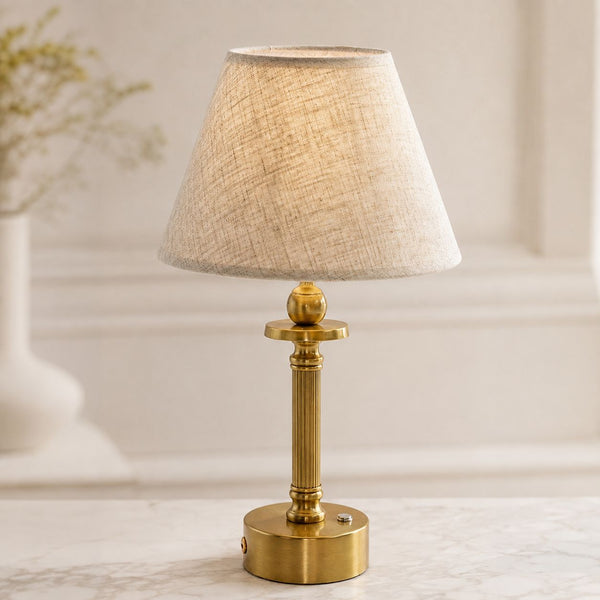
TABLE LAMPS
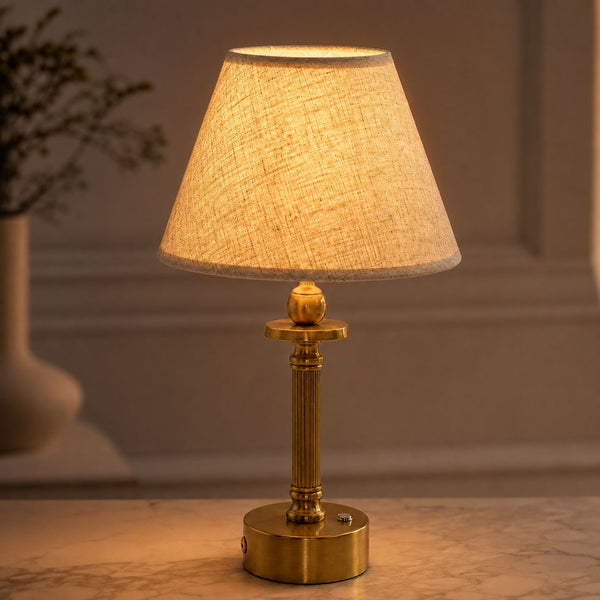
Lira Rechargeable Table Lamp — Brass, Oatmeal Shade
2 coloursBrassE14 SES1 lampholder£80In stockView product → -
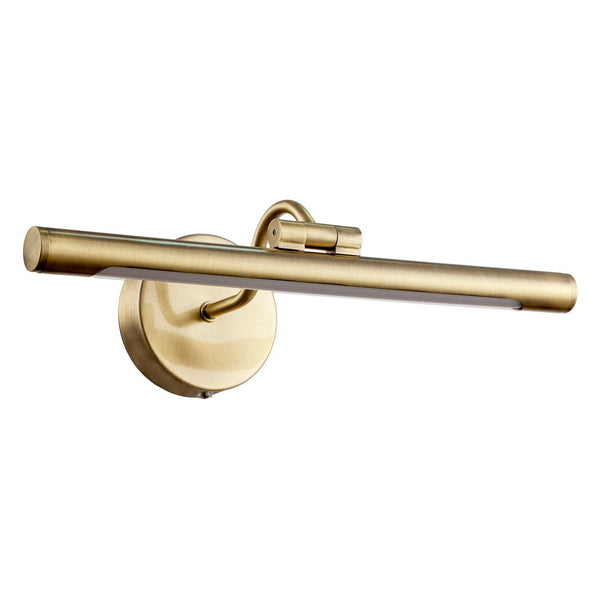
WALL LIGHTS
Arvo Rechargeable Picture Light — Antique Brass, Touch Dimmer
Antique BrassIntegrated LED£80UnavailableView product → -
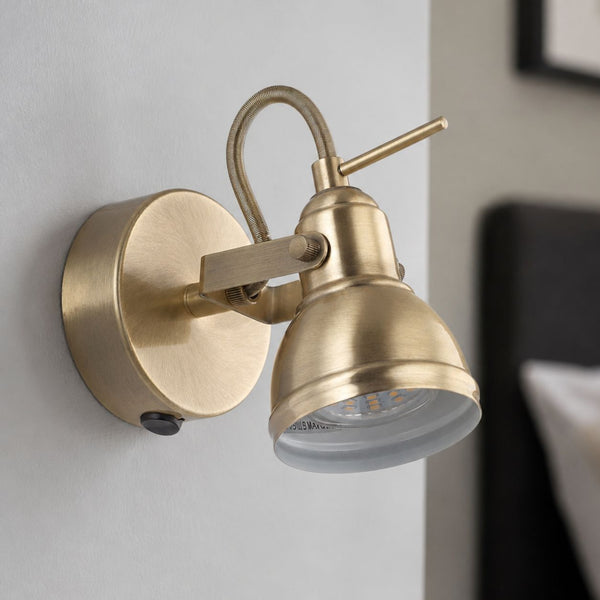
WALL LIGHTS
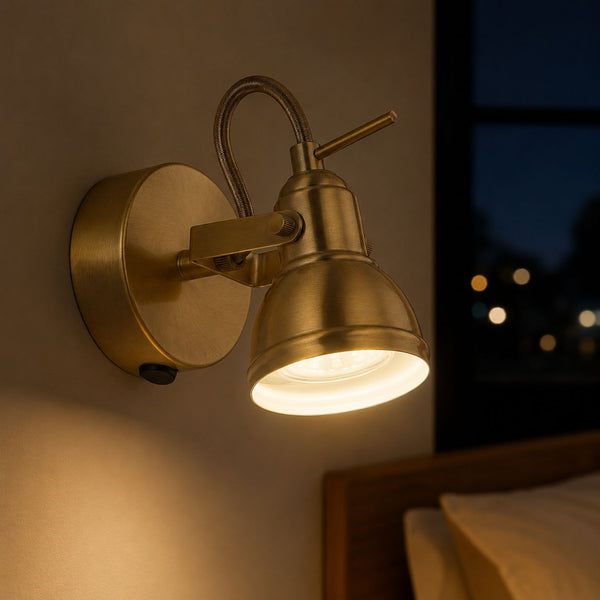
Harlow Industrial Wall Spot Light — Antique Brass, Switched
Antique BrassGU101 lampholder£53In stockView product → -
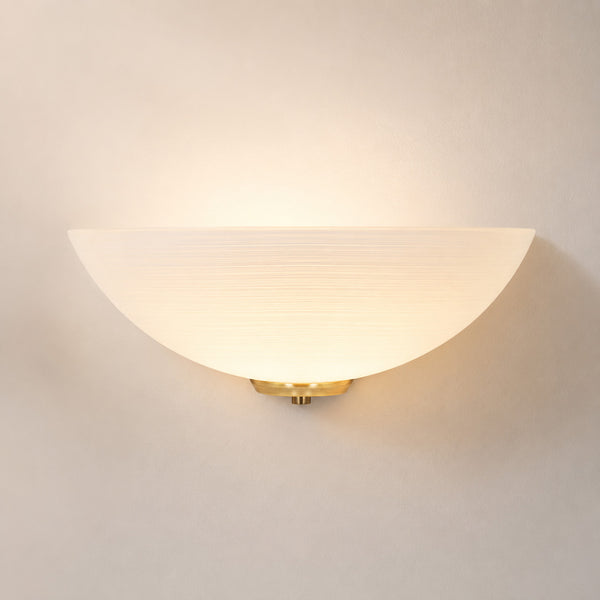
WALL LIGHTS
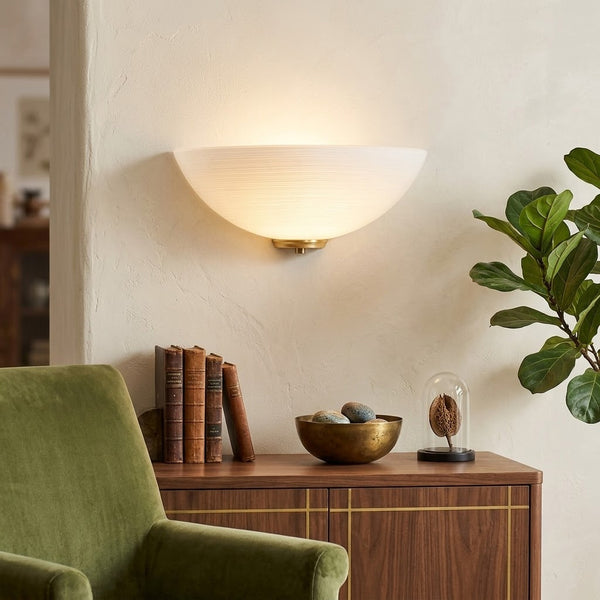
Viena Flush Uplighter Wall Light — Glass, Antique Brass
Antique BrassE27 ES1 lampholder£32In stockView product → -

WALL LIGHTS
Halo 2-Light Ribbed Wall Sconce — Glass, Antique Brass
Antique BrassE14 SES2 lampholders£95UnavailableView product → -
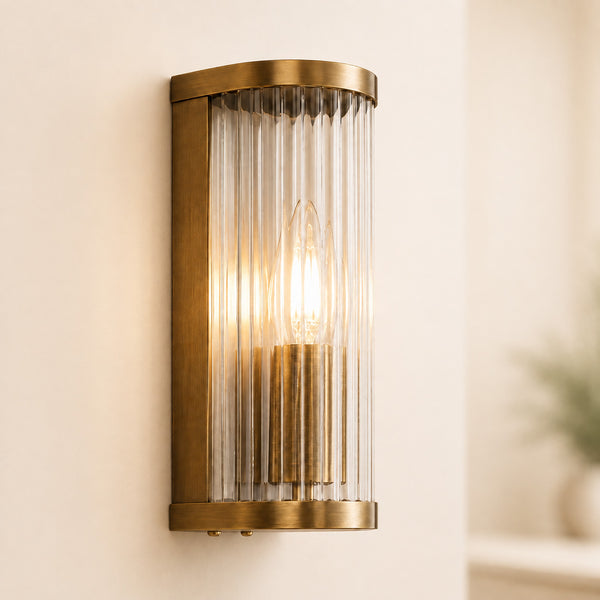
WALL LIGHTS
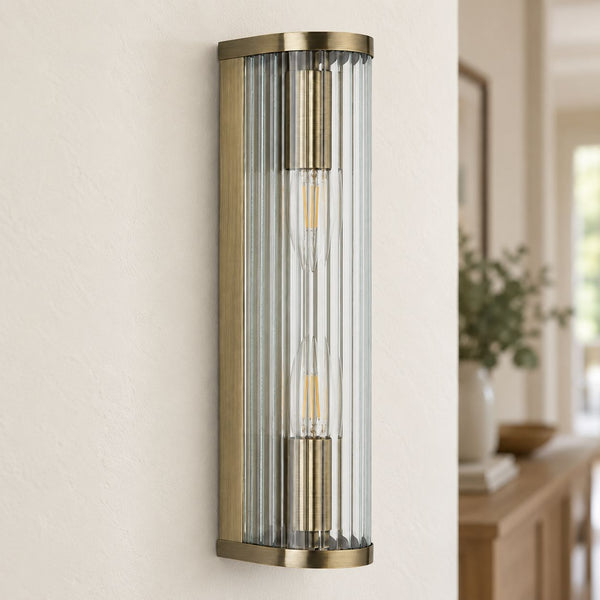
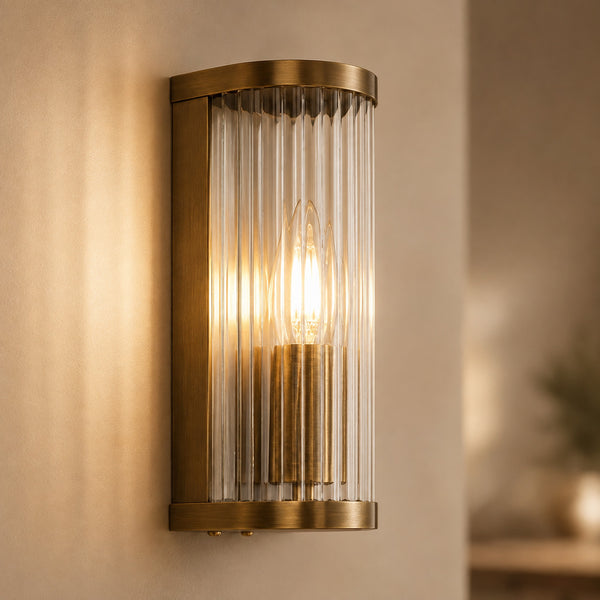
Halo Ribbed Wall Sconce — Glass, Antique Brass
Antique BrassE14 SES1 lampholder£80In stockView product →
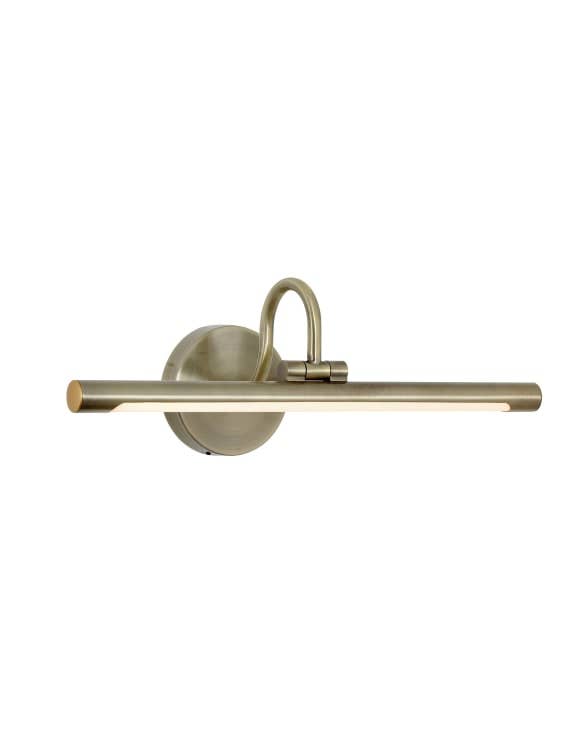
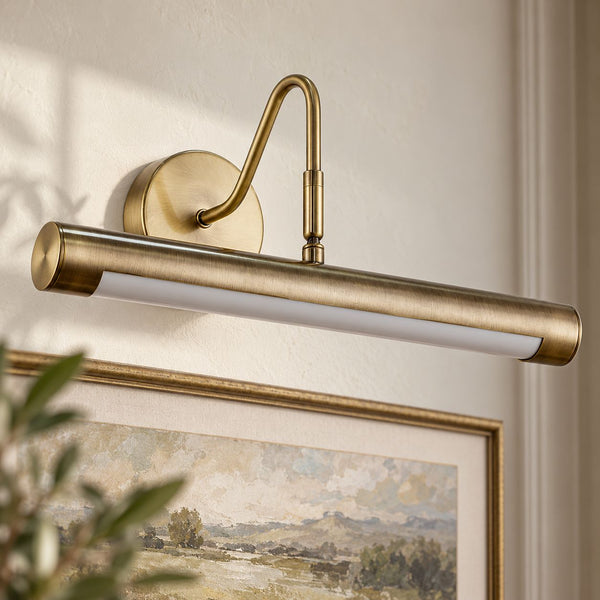



Showing 12 of 56
Buying Guide
Frequently Asked Questions
Does brass lighting tarnish or change colour over time?
Natural unlacquered brass will develop a patina over time, darkening and acquiring character as it oxidises. Many brass fixtures come with a protective lacquer to maintain their original golden shine, though this can wear through high-contact areas. If you prefer the aged look, choose unlacquered brass; for a consistent finish, opt for lacquered or PVD-coated brass which resists tarnishing.
How do I clean and maintain brass light fixtures?
For lacquered brass, simply wipe with a soft, damp cloth and dry immediately to avoid water spots. Unlacquered brass can be cleaned with a mixture of lemon juice and baking soda or a proprietary brass cleaner, then buffed with a soft cloth. Avoid abrasive cleaners on any brass finish as these will scratch the surface and remove protective coatings.
What colours and materials pair well with brass lighting?
Brass complements warm neutrals like cream, taupe, and soft greys, as well as deep colours such as navy, forest green, and charcoal. It pairs beautifully with natural materials including marble, walnut or oak wood, and leather. For a contemporary look, combine brass with matte black fixtures or fittings; for traditional schemes, pair with crystal, glass, or other warm metallics like copper.
Can I use LED bulbs with brass light fittings?
Yes, brass fittings are fully compatible with LED bulbs provided you match the cap type (typically E27 or E14 in the UK) and wattage rating specified by the manufacturer. LED bulbs generate less heat than halogen or incandescent bulbs, which can actually help preserve lacquer finishes. Check that dimmable brass fixtures are paired with dimmable LED bulbs and compatible LED dimmer switches to avoid flickering.
Are brass bathroom lights safe to use in wet areas?
Brass bathroom lights must have appropriate IP ratings for their zone: IP65 or higher for Zone 1 (directly above the bath/shower), IP44 minimum for Zone 2 (within 60cm of water sources). The brass finish itself doesn't affect electrical safety, but ensure all bathroom lighting installation complies with Part P Building Regulations and is carried out by a qualified electrician.
Does brass lighting suit modern or only traditional interiors?
Brass works in both contexts but the fixture design determines the overall effect. Sleek, geometric brass pendants and minimalist wall lights suit contemporary and mid-century modern schemes, whilst ornate chandeliers and picture lights lean traditional. Brushed or antique brass finishes tend towards vintage aesthetics, while polished or satin brass feels more current and versatile.
Will brass lighting work with smart bulbs and home automation?
Brass fixtures are compatible with smart bulbs as long as they accommodate standard E27 or E14 fittings and provide adequate space for the bulb size. Most smart bulbs require the light switch to remain on permanently, so they're best suited to brass table lamps and floor lamps rather than hardwired ceiling fixtures. For hardwired brass lights, consider installing a smart switch or ensure any integrated dimmer is compatible with smart LED technology.