
Outdoor Lighting
Outdoor Wall Lights
Weatherproof wall lights for porches, patios and external walls. From anthracite up-and-downs to stainless steel sensor lights, all rated IP44 or higher.
Filters
31 items
Sort Most relevant
-
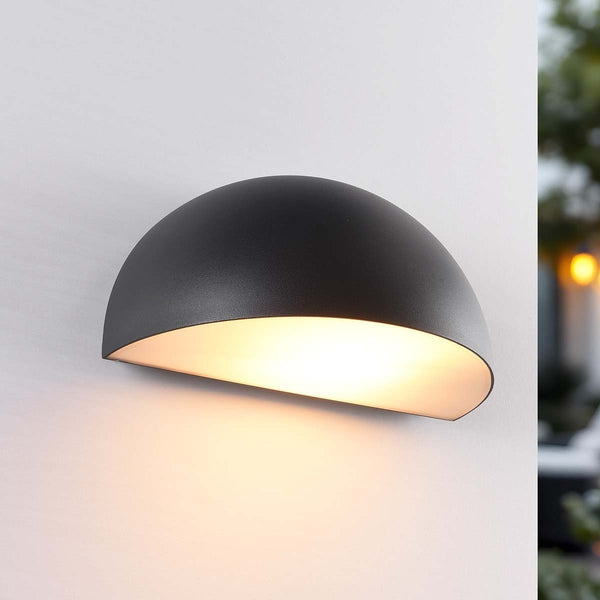
OUTDOOR LIGHTING
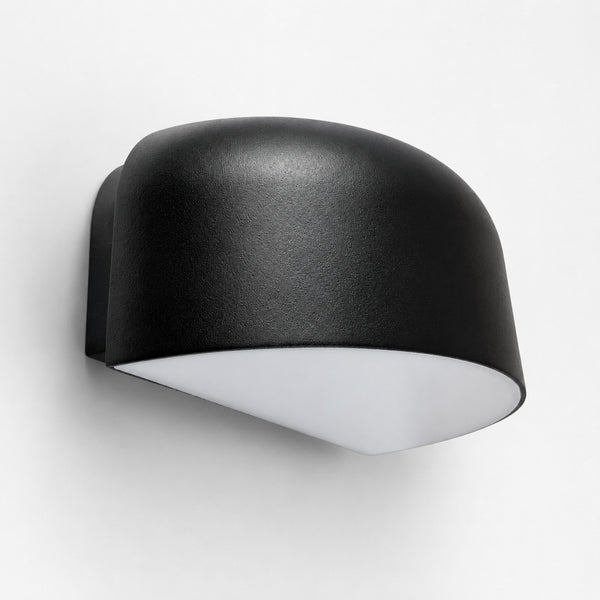
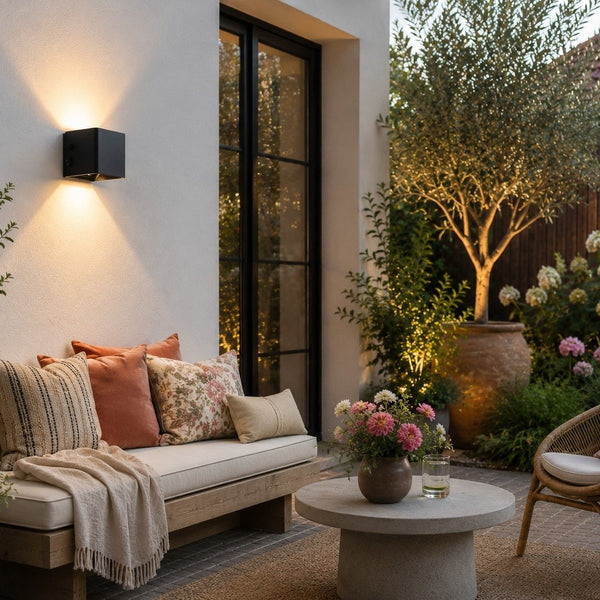
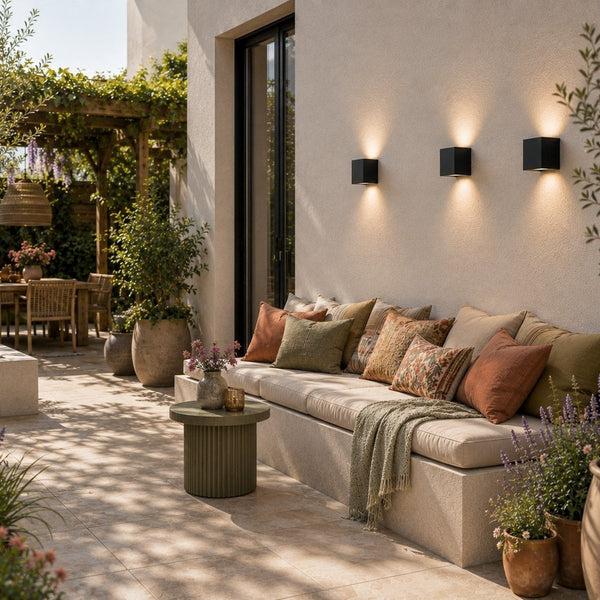
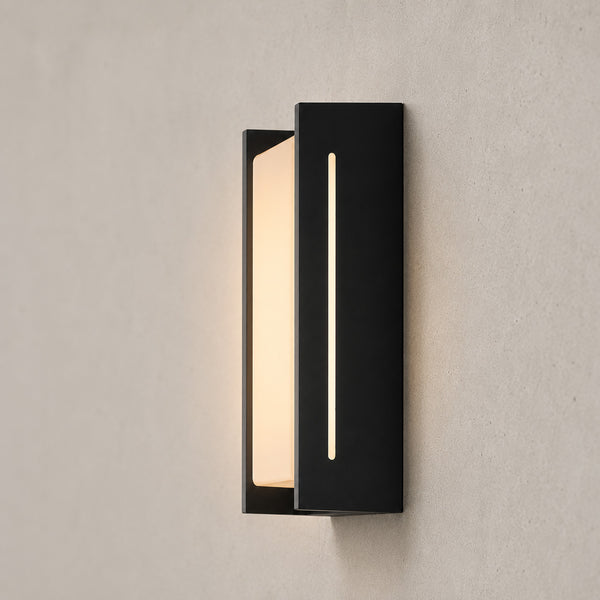
Bay Outdoor Wall Light — Black, 2 Lights
BlackE272 lampholders£60In stockView product → -
Signature Signature Small runs, real materials, made to order. The top of the Enso range.
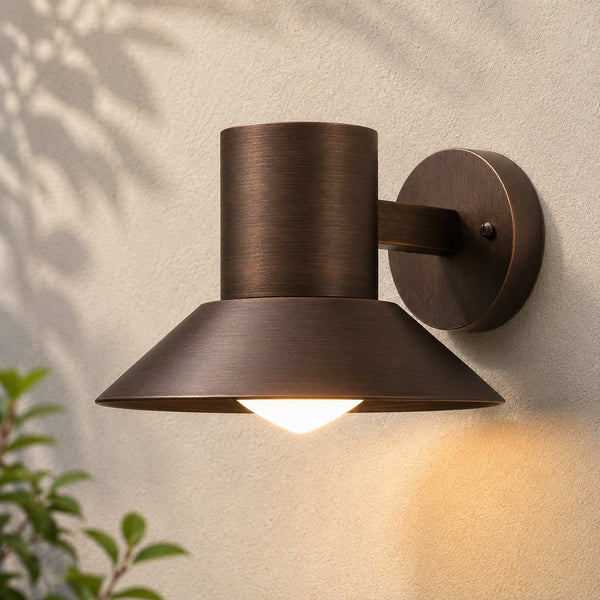
OUTDOOR LIGHTING
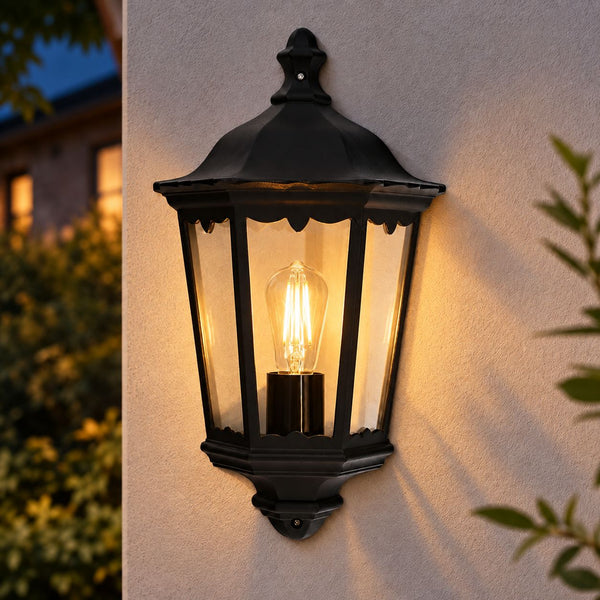
Venice Outdoor Wall Light — Antique Copper Look, IP44
Made in Denmark
Antique CopperE27 ES1 lampholder£85In stockView product → -
Signature Signature Small runs, real materials, made to order. The top of the Enso range.
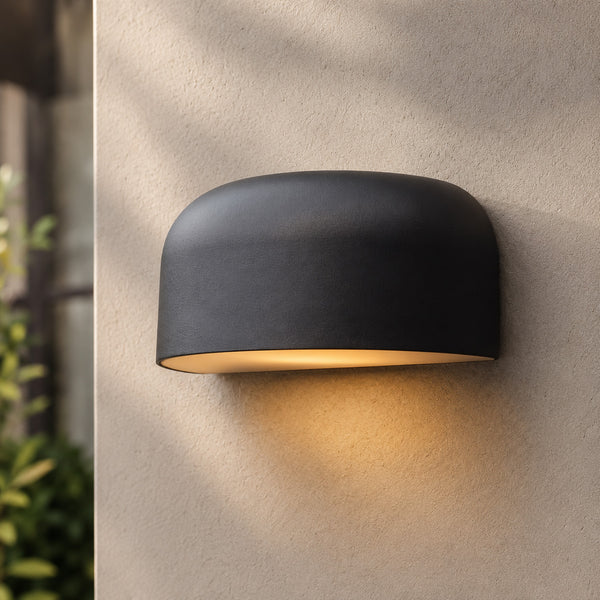
OUTDOOR LIGHTING
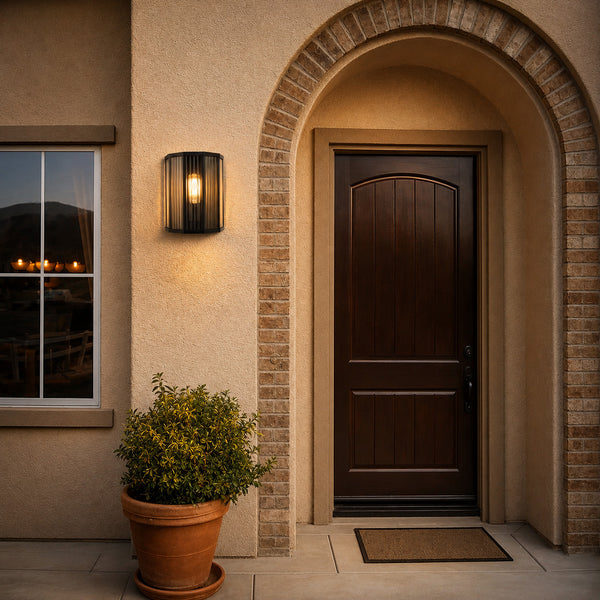
Arcus Outdoor Wall Light — Matt Black, Danish Design
Made in Denmark
Matt BlackE27 ES1 lampholder£78In stockView product → -
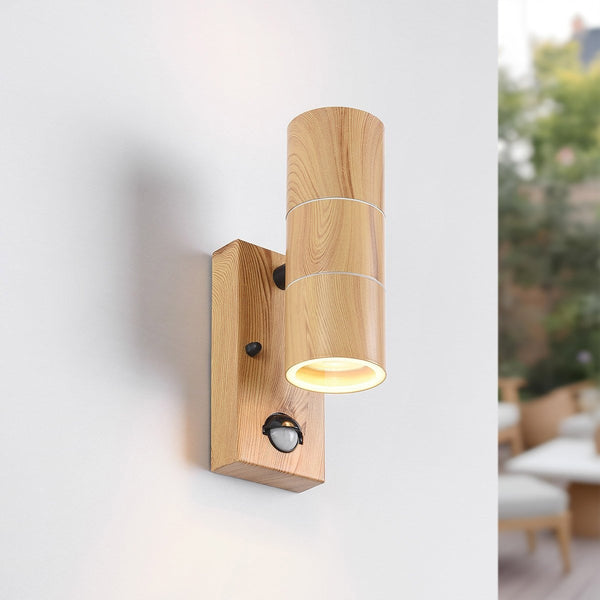
OUTDOOR LIGHTING
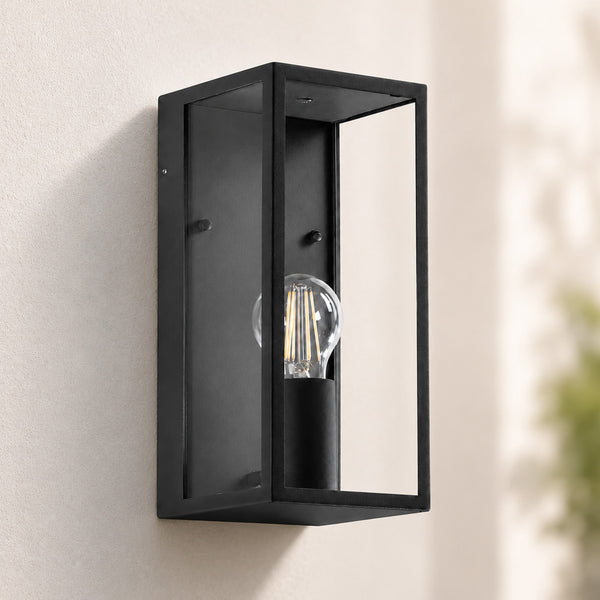
Elm Outdoor Wall Light — Wood Effect, Sensor
Wood effectGU102 lampholders£37In stockView product → -
For your first order
10% off your first light
Leave your email and the code arrives straight away.
Then a short email most weeks. Unsubscribe any time. Privacy policy
Thank you
Your 10% code is on its way to your inbox. Any light, 30 days, no minimum.
-
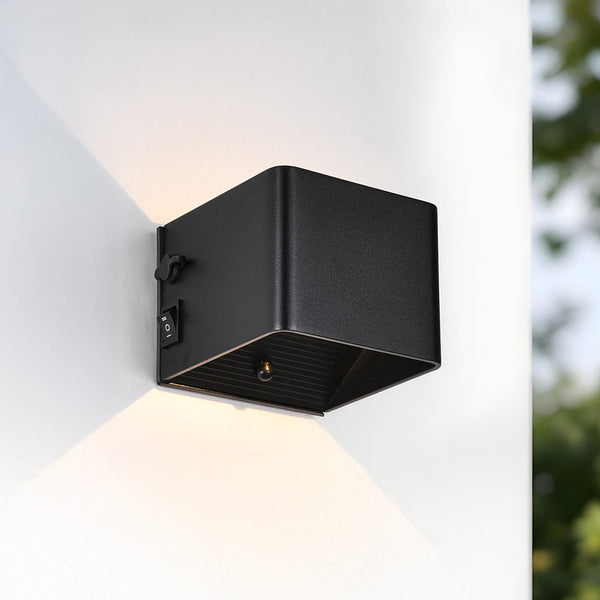
OUTDOOR LIGHTING
Pike Rechargeable Outdoor Wall Light — Black, Sensor
BlackIntegrated LED£65In stockView product → -
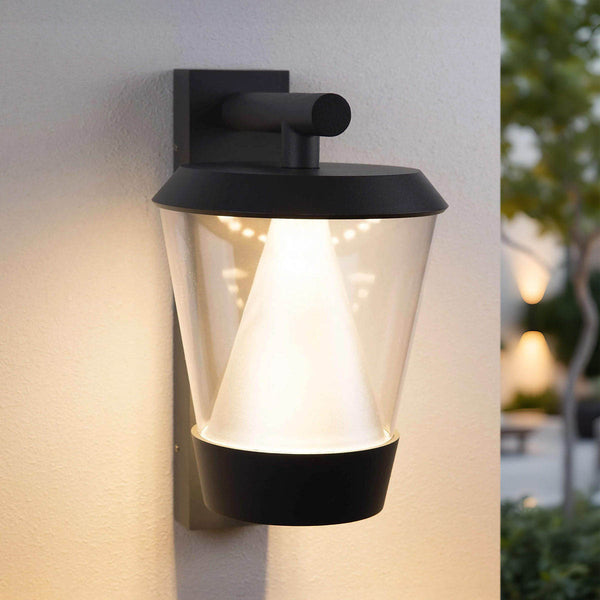
OUTDOOR LIGHTING
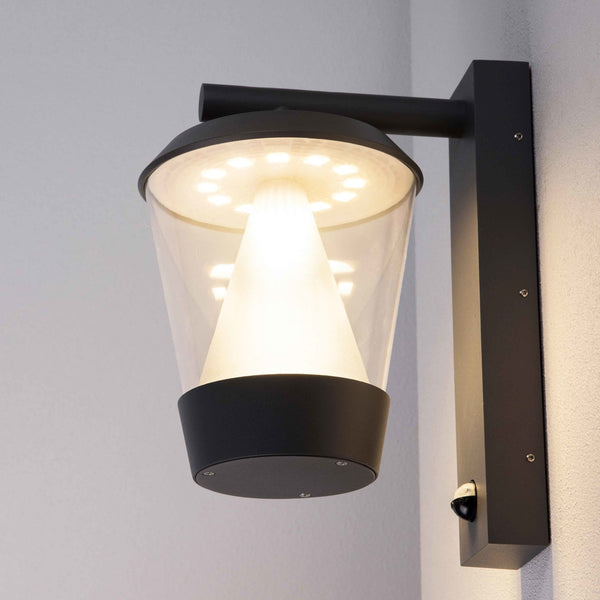
Tarn Outdoor LED Wall Light — Anthracite, Motion Sensor
Dark greyIntegrated LED£85In stockView product → -

OUTDOOR LIGHTING
Ward Outdoor LED Wall Light — Black, Motion & Dusk Sensor
BlackIntegrated LED£65In stockView product → -
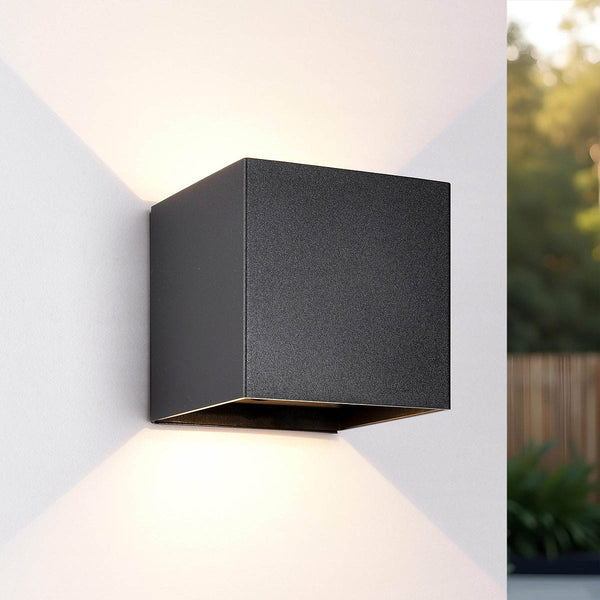
OUTDOOR LIGHTING
Sentry Rechargeable Outdoor Wall Light — Black, Motion Sensor
BlackIntegrated LED£55In stockView product → -
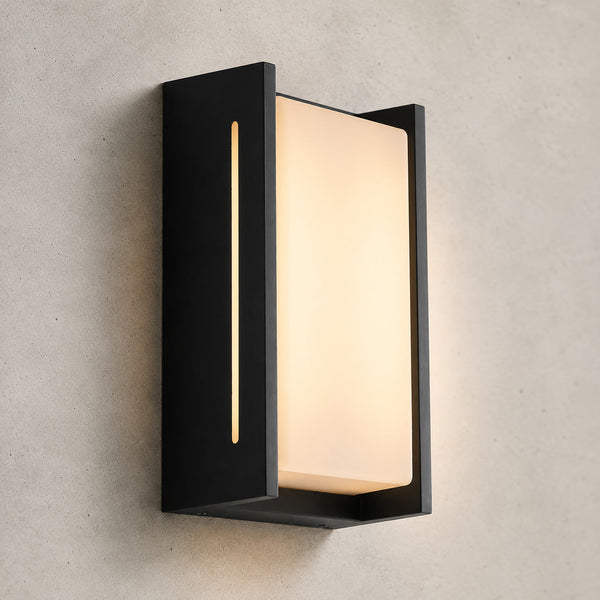
OUTDOOR LIGHTING
Compact LED Outdoor Wall Light — Anthracite, 24cm
AnthraciteIntegrated LED1 lampholder£130In stockView product → -
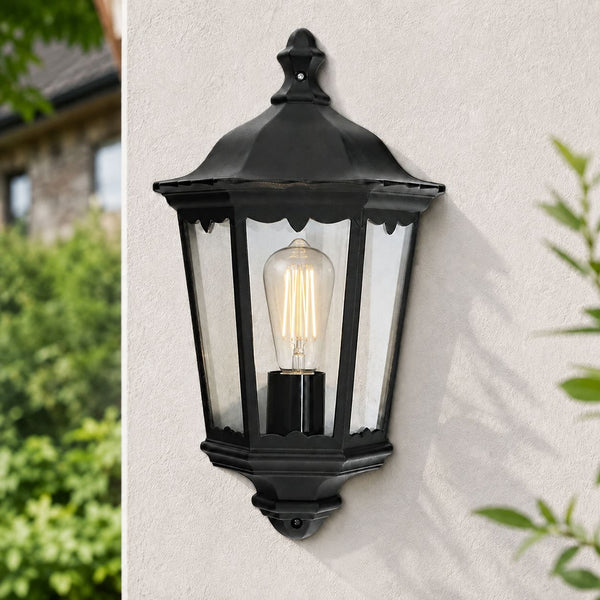
OUTDOOR LIGHTING
Corben Half Lantern Outdoor Wall Light — Matt Black, IP44
Matt BlackE271 lampholder£31In stockView product → -
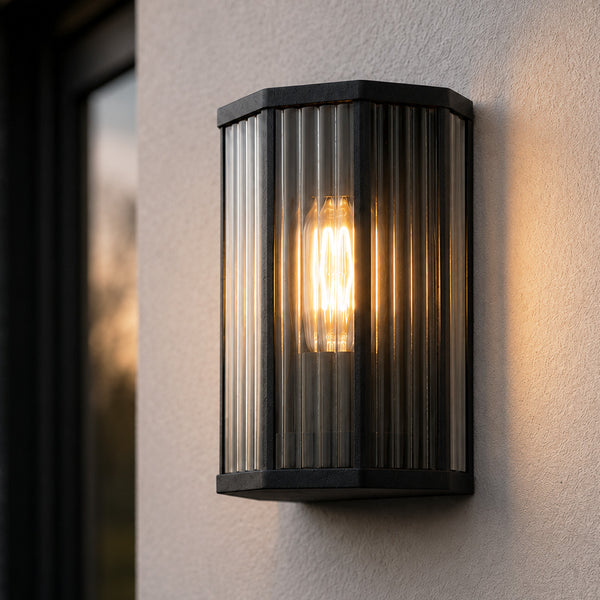
OUTDOOR LIGHTING
Half Lantern Outdoor Wall Light — Matt Black, Clear Ribbed Glass
Matt BlackE27 ES1 lampholder£73UnavailableView product → -
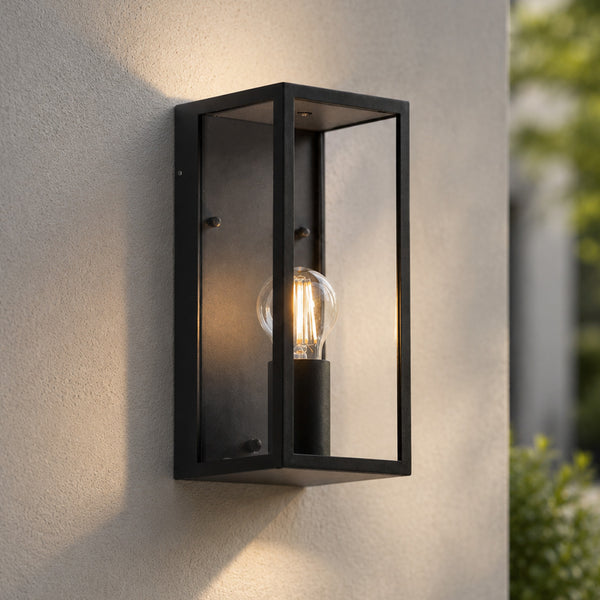
OUTDOOR LIGHTING
Mirage Outdoor Wall Lantern — Anthracite
AnthraciteE27 ES1 lampholder£85In stockView product →

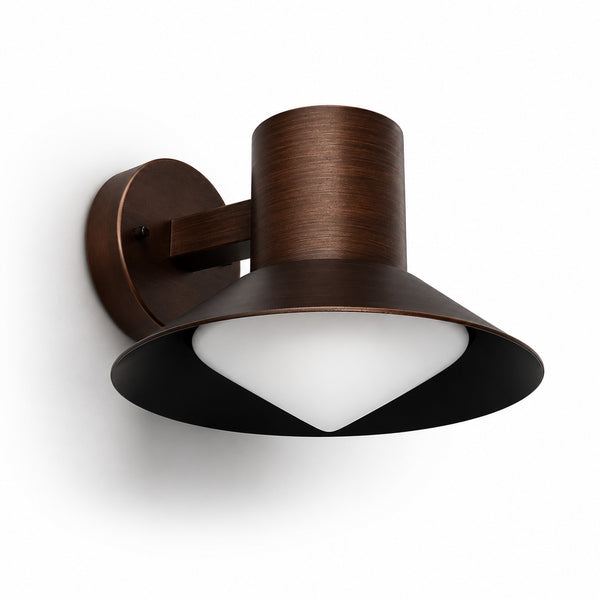



Showing 12 of 31
Buying Guide
Frequently Asked Questions
Do outdoor wall lights need to be installed by a qualified electrician in the UK?
Under Part P of the Building Regulations, installing outdoor lighting is classed as notifiable electrical work in England and Wales, so it must be carried out by a registered competent person or certified by Building Control. A Part P qualified electrician can self-certify the work, saving you the notification fee. If you're simply replacing an existing fitting on a like-for-like basis, this may not require notification, but new installations or circuit alterations always do.
What IP rating do I need for outdoor wall lights in the UK?
For outdoor wall lights, you'll need a minimum IP rating of IP44 for sheltered areas like covered porches, but IP65 is recommended for fully exposed walls that face rain and weather directly. The first digit indicates dust protection and the second indicates water resistance—IP65 means complete dust protection and protection against water jets from any direction. Check the product specifications carefully, as using an inadequate IP rating will void warranties and create safety hazards.
How high should outdoor wall lights be mounted on the house?
Most outdoor wall lights should be mounted between 1.5m and 2m above ground level for pathways and entrances, providing adequate illumination without glare at eye level. For lantern-style lights flanking a front door, aim for about two-thirds the height of the door, typically around 1.5-1.7m to the centre of the fixture. If lighting decking or patios, consider mounting slightly higher at 2-2.5m to cast a wider pool of light.
Can I use smart bulbs in outdoor wall lights?
Yes, you can use smart bulbs in outdoor wall lights provided the fitting accepts standard E27 or B22 bulbs and the bulb's IP rating matches the protection level of the fixture's enclosure. Most smart bulbs are only rated IP20 for indoor use, so they'll only work safely in fully enclosed outdoor fixtures with IP65 rating that protects the bulb itself. Always check the maximum wattage rating of the fixture, as some outdoor lights have lower limits (typically 40-60W) that may not suit all smart bulbs.
What's the difference between up and down outdoor wall lights and which should I choose?
Uplighters direct light upwards to highlight wall texture and architecture, creating ambient lighting with minimal glare, whilst downlighters cast light downwards for practical illumination of paths and doorways. Up-and-down (bidirectional) wall lights provide both effects, offering better visual balance and more even light distribution across your exterior walls. Choose downlighters for entrances and steps where you need functional lighting, uplighters for decorative accent lighting on feature walls, or bidirectional lights for a combination of safety and aesthetics.
Do outdoor wall lights work with dimmer switches?
Outdoor wall lights can work with dimmers only if both the fixture and the bulb are dimmable—check the product specifications before purchasing. LED outdoor lights require a trailing-edge LED-compatible dimmer switch, not an old-style incandescent dimmer, or you'll experience flickering and buzzing. If you're using integrated LED outdoor wall lights, the entire unit must be marked as dimmable, as you cannot swap out the LED module like you would a bulb.
Should outdoor wall lights face up or down either side of a front door?
Downward-facing lights either side of a front door are the most practical choice, as they illuminate the entrance, door handle, and lock without creating glare in visitors' eyes. Mount them at around 1.5-1.7m high and 30-45cm away from each side of the door frame for balanced, shadow-free lighting. Upward-facing or lantern-style lights work better for aesthetic purposes on period properties, but pair them with a separate downlighter or porch light for adequate functional illumination.