
Shop by Finish
Chrome Lighting
Polished and brushed chrome fittings. A bright, reflective finish that suits bathrooms, kitchens and contemporary interiors.
Filters
11 items
Sort Most relevant
-
2 sizes
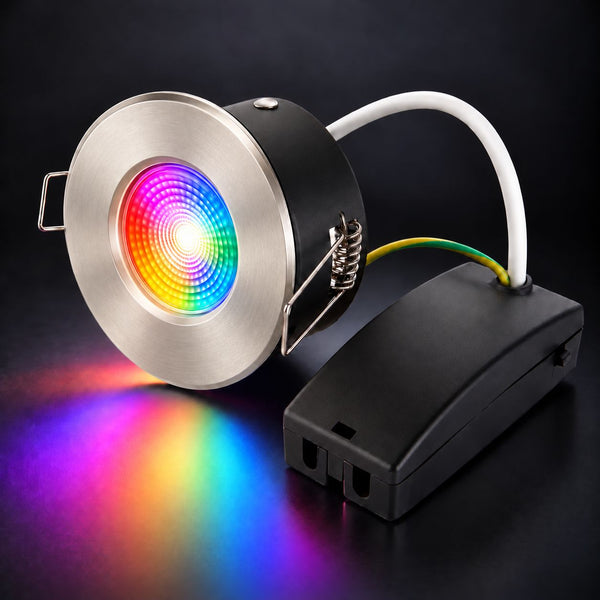
DOWNLIGHTS
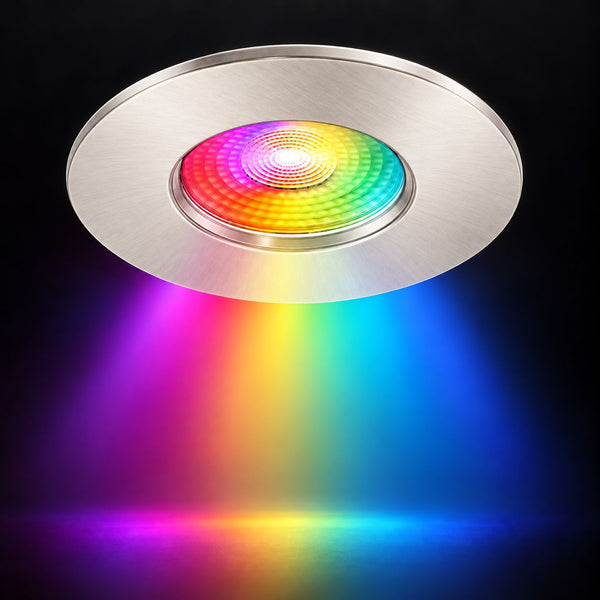
Creo Smart RGB Fire Rated Downlight — Satin Nickel, IP65
6 coloursSatin NickelGU101 lampholderFrom £24In stockView product → -
2 sizes
DOWNLIGHTS
Creo Smart RGB Fire Rated Downlight — Satin Nickel, IP20
6 coloursSatin NickelGU101 lampholderFrom £19In stockView product → -
Signature Signature Small runs, real materials, made to order. The top of the Enso range.
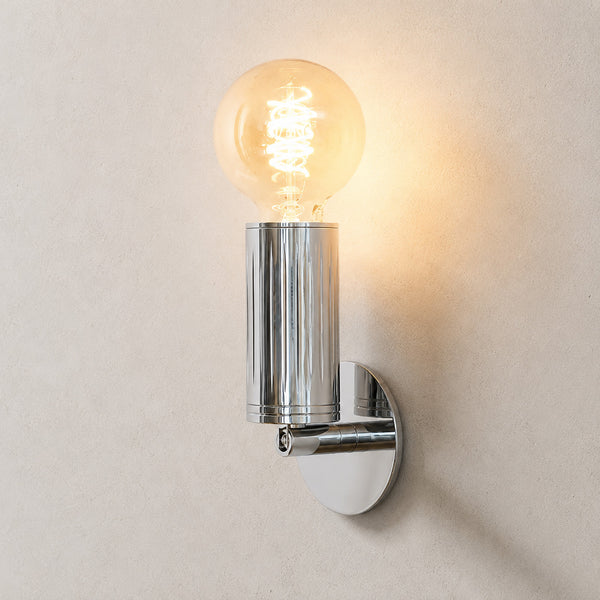
WALL LIGHTS
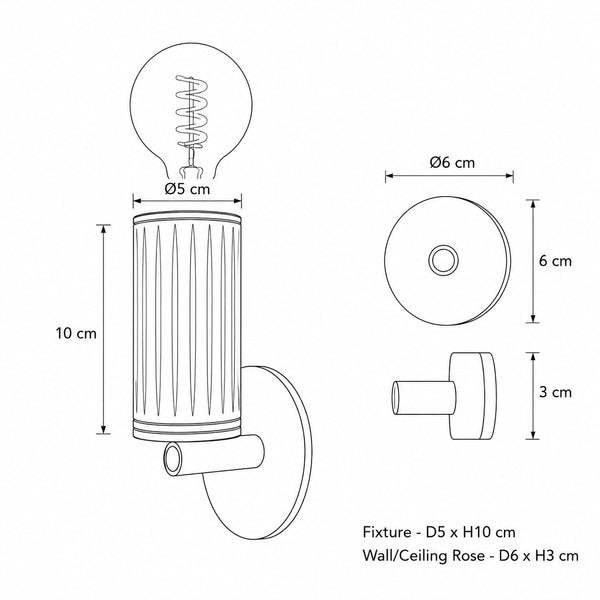
Luminar Box Mount Wall Lamp — Steel, Exposed Bulb
Made in Denmark
4 coloursMatt ChromeE27 ES1 lampholderFrom £429In stockView product → -
Signature Signature Small runs, real materials, made to order. The top of the Enso range.
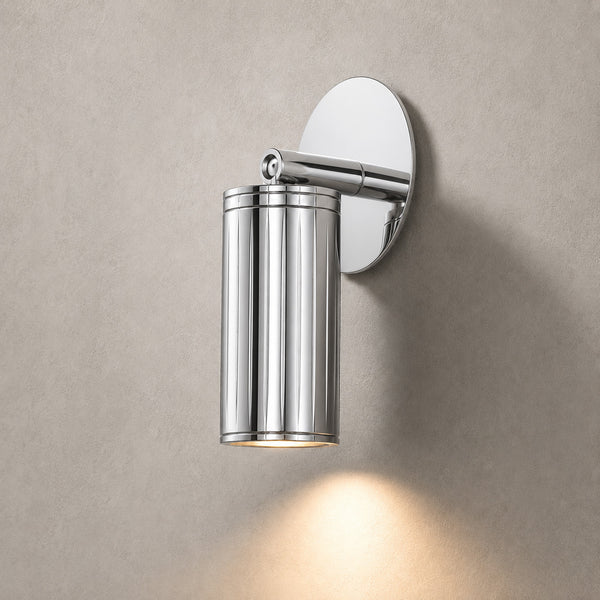
WALL LIGHTS
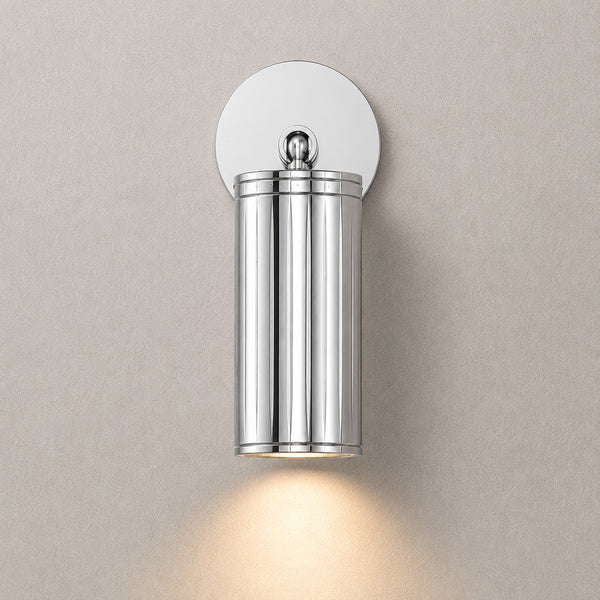
Luminar Box Mount Wall Spotlight — Steel
Made in Denmark
4 coloursMatt ChromeGU101 lampholderFrom £425In stockView product → -
For your first order
10% off your first light
Leave your email and the code arrives straight away.
Then a short email most weeks. Unsubscribe any time. Privacy policy
Thank you
Your 10% code is on its way to your inbox. Any light, 30 days, no minimum.
-
Signature Signature Small runs, real materials, made to order. The top of the Enso range.
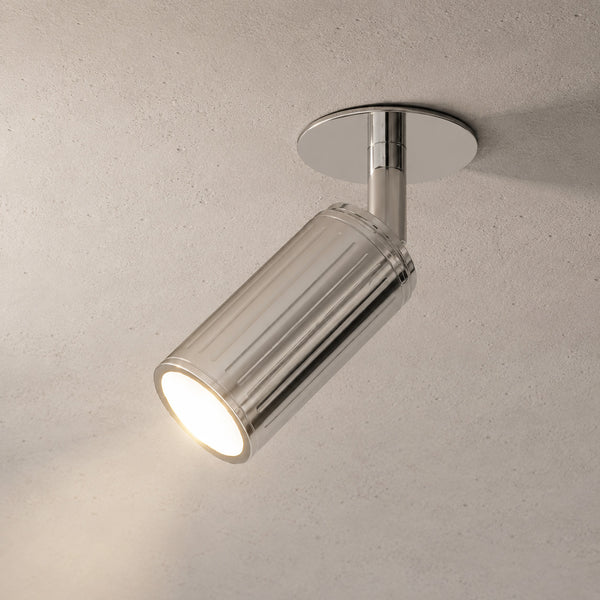
CEILING LIGHTS
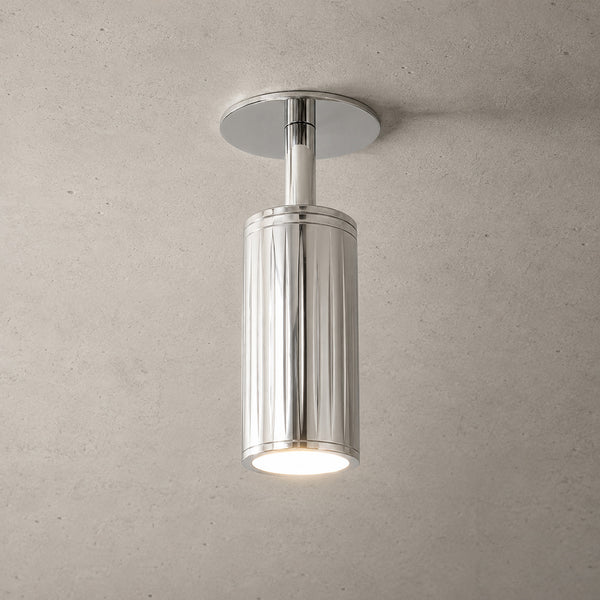
Luminar Box Mount Ceiling Spotlight — Steel
Made in Denmark
4 coloursMatt ChromeGU101 lampholderFrom £425In stockView product → -
Signature Signature Small runs, real materials, made to order. The top of the Enso range.
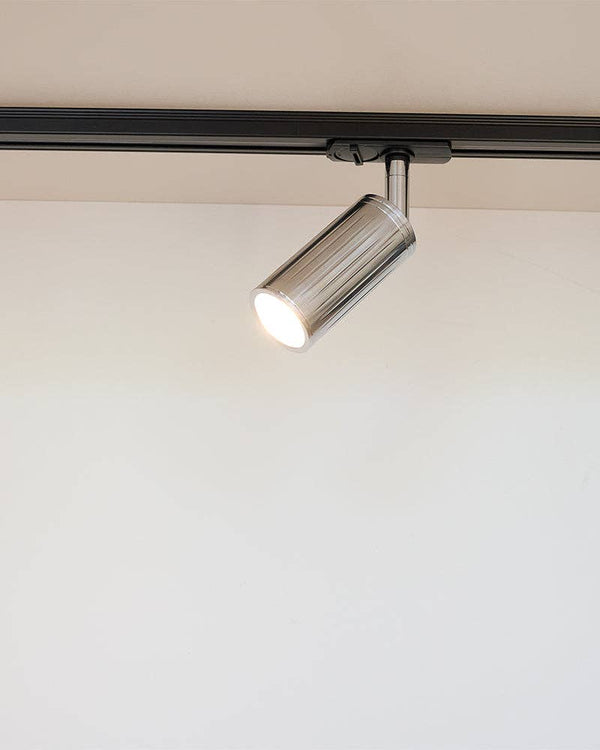
CEILING LIGHTS
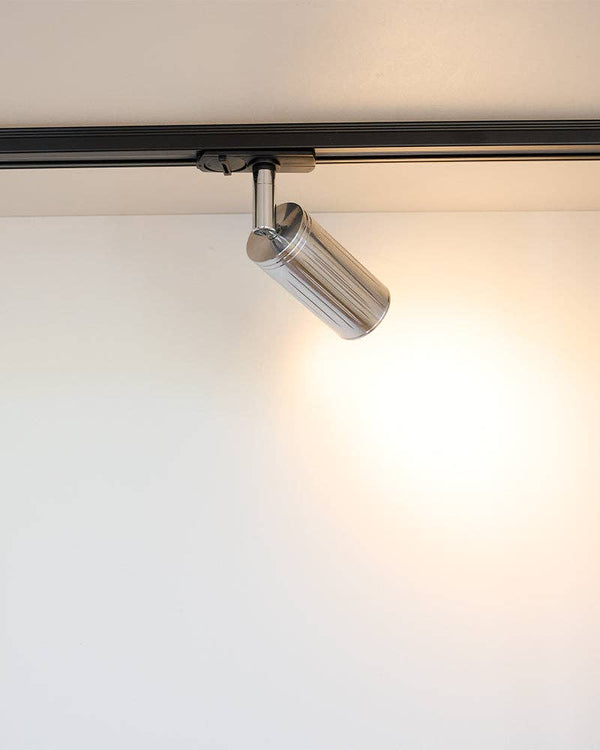
Luminar Track Mount Spotlight — Steel
Made in Denmark
4 coloursMatt ChromeGU101 lampholderFrom £405In stockView product → -
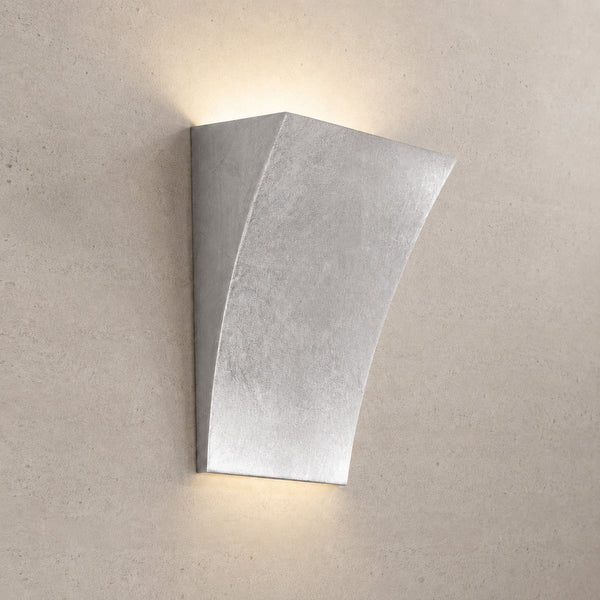
WALL LIGHTS
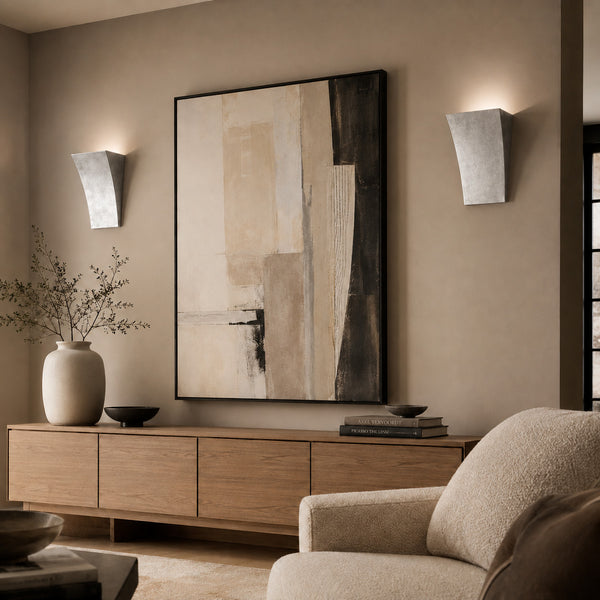
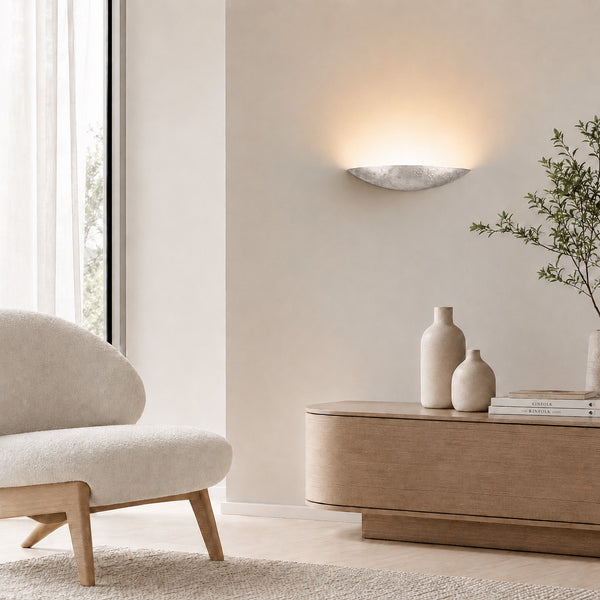
Alma Wall Light — Silver Leaf Plaster
2 coloursSilver LeafG92 lampholdersFrom £85In stockView product → -
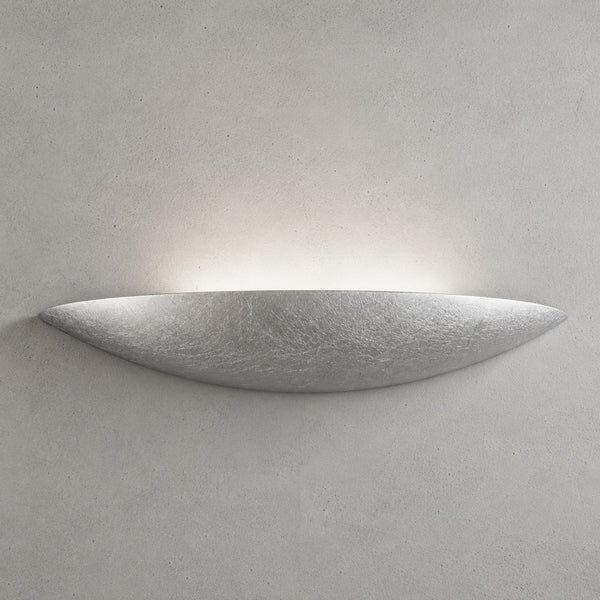
WALL LIGHTS
Livigno Wall Light — Silver Leaf Plaster, Uplight
3 coloursSilver LeafG92 lampholdersFrom £63In stockView product → -
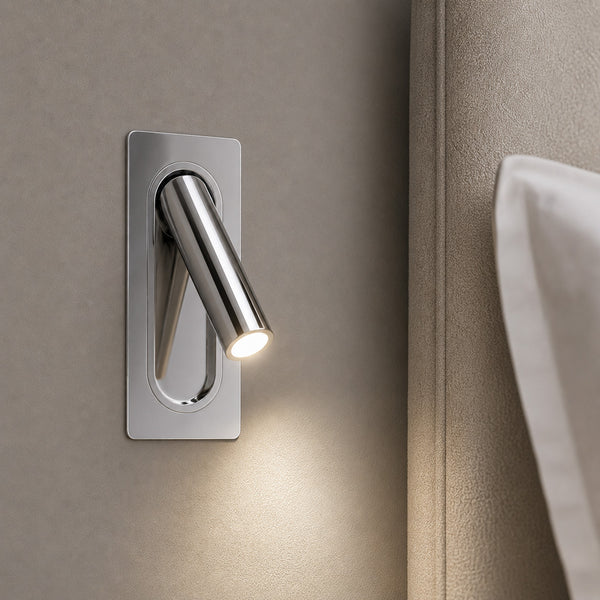
WALL LIGHTS
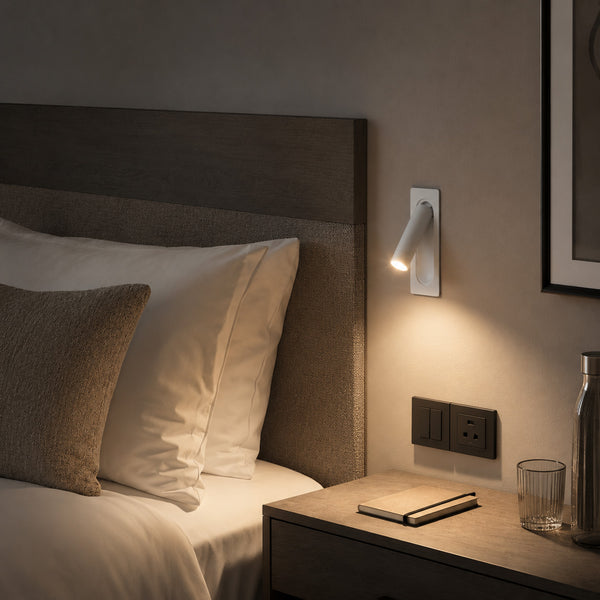
Defoe Recessed LED Wall Light — Nickel, Adjustable Reading Spot
4 coloursNickelIntegrated LED1 lampholderFrom £110In stockView product → -
Signature Signature Small runs, real materials, made to order. The top of the Enso range.
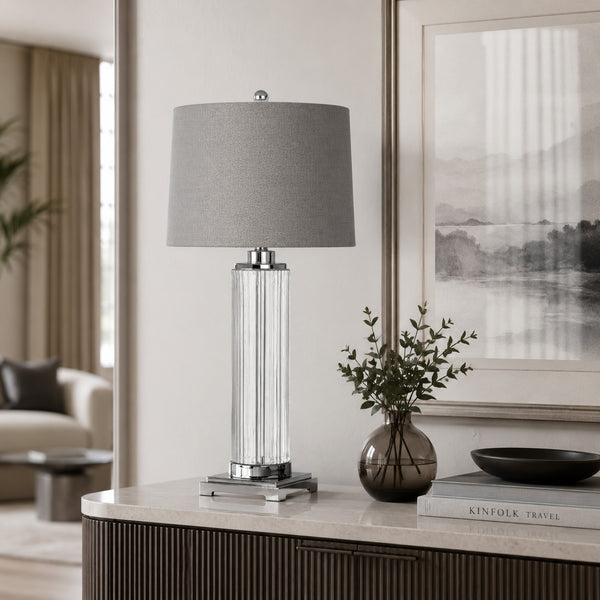
TABLE LAMPS
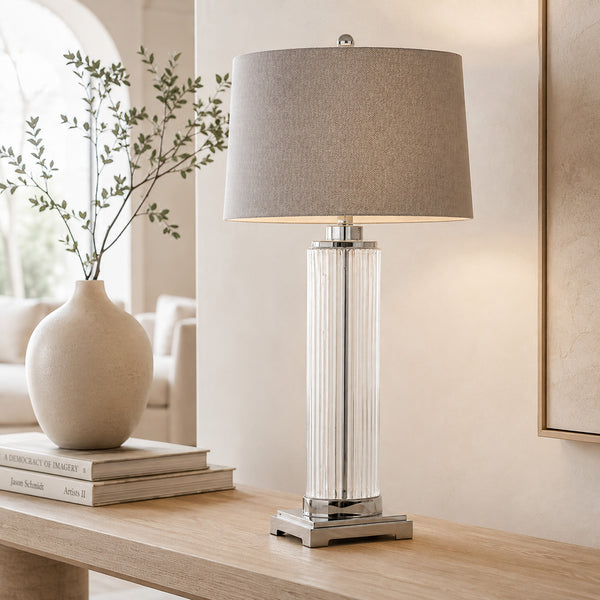
Roma Glass Table Lamp — Fluted Glass & Chrome, Herringbone Shade
Made in United Kingdom
Clear & ChromeE27 ES1 lampholder£260In stockView product → -
Signature Signature Small runs, real materials, made to order. The top of the Enso range.
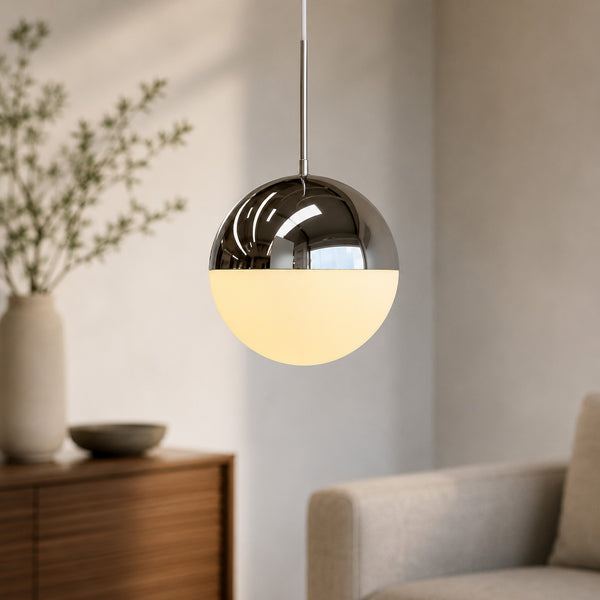
PENDANT LIGHTS
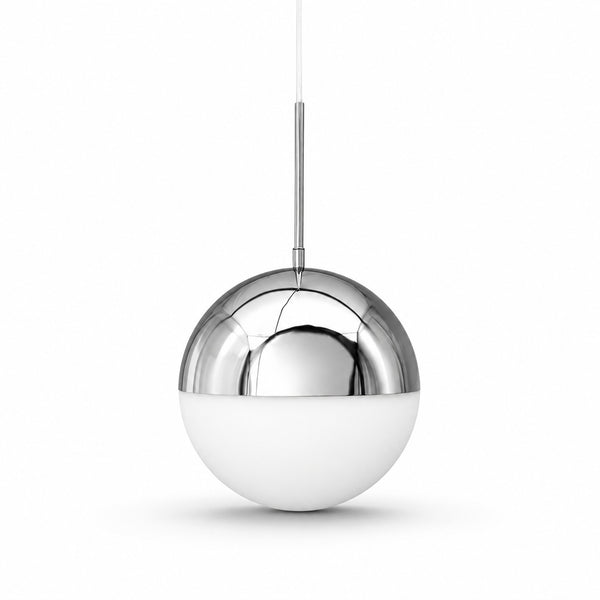
Selene Spherical Pendant Light — Opal Chrome
Made in Denmark
2 coloursChromeE27 ES1 lampholder£135In stockView product →
Buying Guide
Frequently Asked Questions
Does chrome lighting tarnish or require special cleaning?
Chrome-plated finishes are highly resistant to tarnish and corrosion, making them ideal for kitchens and bathrooms where moisture is present. Simply wipe with a damp microfibre cloth and dry immediately to maintain the shine—avoid abrasive cleaners or scouring pads which can scratch the surface. For bathroom installations, look for chrome fittings with an IP44 rating or higher for zones 1 and 2 as required by UK Building Regulations.
What colours and finishes pair well with chrome light fittings?
Chrome works particularly well with cool-toned colour schemes including greys, whites, navy and black, creating a contemporary aesthetic. It also complements other metallic finishes like brushed nickel and stainless steel appliances, though mixing too many metal finishes in one room can look cluttered—limit yourself to two or three maximum. Chrome suits both modern and transitional interiors but can look out of place in traditional country or rustic schemes where brass or bronze would be more appropriate.
Can I use smart bulbs with chrome light fittings?
Yes, chrome fittings accept smart bulbs as long as the bulb cap matches the fitting (typically E27, E14, GU10 or B22 in the UK). However, avoid installing smart bulbs with traditional dimmer switches as this can cause flickering or damage—either use non-dimmable smart bulbs with a standard switch, or dimmable smart bulbs controlled via an app rather than a wall dimmer. Always check the maximum wattage rating on the fitting and ensure your smart bulb doesn't exceed it.
Is chrome or brushed nickel better for bathroom lighting?
Chrome offers a brighter, mirror-like finish that reflects more light and suits ultra-modern bathrooms, whilst brushed nickel has a softer, matte appearance that hides water spots and fingerprints more effectively. For steamy bathrooms, both finishes perform equally well provided the fitting has the appropriate IP rating (IP44 minimum for zones 1 and 2). Chrome typically costs slightly less and is easier to match with existing bathroom fixtures like taps and towel rails.
Do chrome ceiling lights work in period properties?
Chrome fittings generally suit contemporary interiors and can look anachronistic in Victorian, Edwardian or Georgian properties where brass, bronze or aged metal finishes are more historically appropriate. However, industrial-style chrome pendants or Art Deco-inspired chrome fixtures can work in period properties that have been renovated with a modern aesthetic. If your property has listed building status, check with your conservation officer before making significant lighting changes.
Does chrome lighting require an electrician to install under Part P?
Any new lighting circuit or modifications to existing circuits in kitchens, bathrooms or outdoors must be installed by a qualified electrician and certified under Part P of the Building Regulations in England and Wales. Simple like-for-like replacements of existing light fittings (e.g. swapping one chrome pendant for another) don't require Part P certification, but if you're unsure about the wiring or making any changes to the circuit, always use a registered electrician. All bathroom chrome fittings must meet IP rating requirements for their specific zone.
Will chrome light fittings show fingerprints and smudges?
Yes, polished chrome is a highly reflective finish that shows fingerprints, water spots and smudges more readily than matte or brushed finishes. This is particularly noticeable on chrome table lamps, wall lights and any fittings within easy reach. Regular cleaning with a soft cloth keeps them looking pristine, but if low-maintenance is a priority, consider brushed chrome or satin chrome alternatives which disguise marks more effectively whilst maintaining a similar aesthetic.