
Shop by Finish
White Lighting
Plaster, painted metal and matte white finishes. Light fittings that disappear into the ceiling and let form do the talking.
Shop by type


Filters
74 items
Sort Most relevant
-
WALL LIGHTS
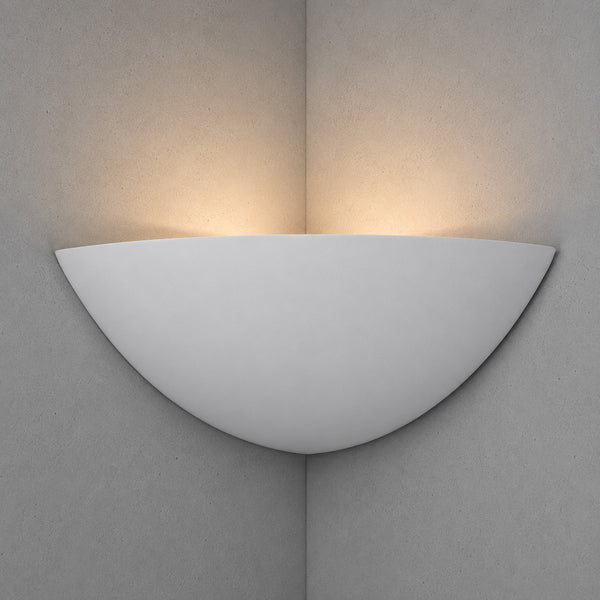
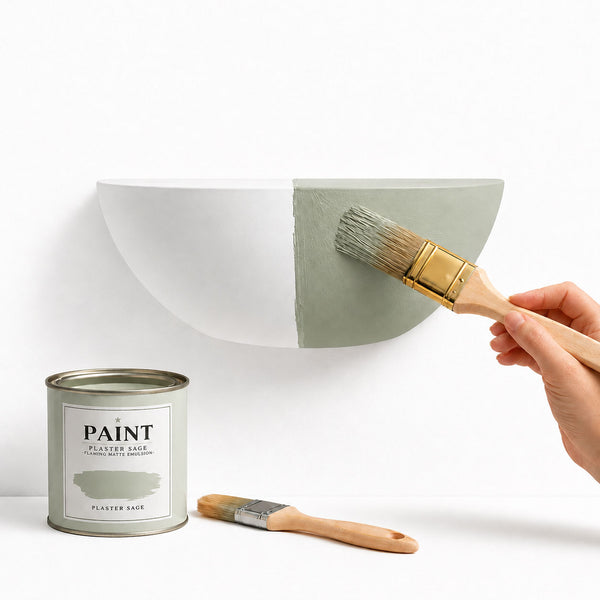
Santorini Corner Wall Light — Paintable White Plaster, Uplight
Paintable WhiteE14 SES1 lampholder£78In stockView product → -
2 sizes

DOWNLIGHTS
Kanto Trimless Plaster-In Downlight — Matt White
2 coloursWhiteGU101 lampholderFrom £18In stockView product → -
CEILING LIGHTS
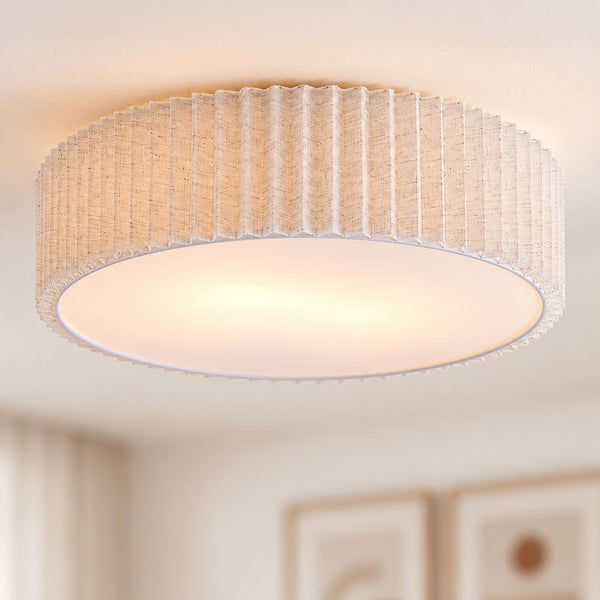
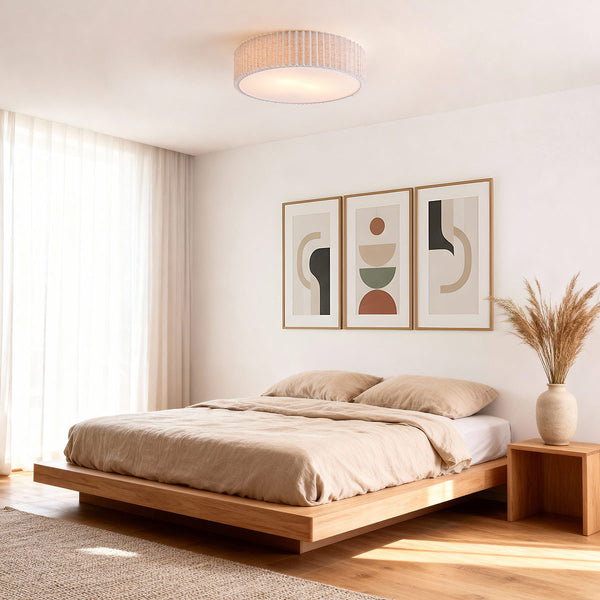
Plisse Pleated Ceiling Light — Off-White, 40 cm
Off-whiteE272 lampholders£95UnavailableView product → -
2 sizes
CEILING LIGHTS
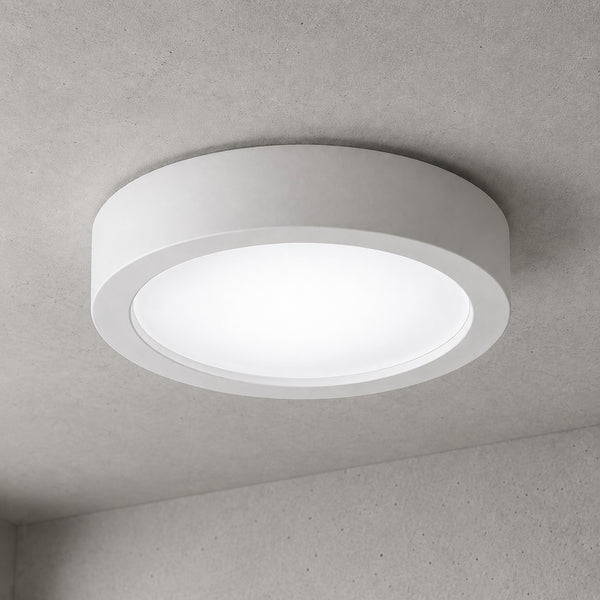
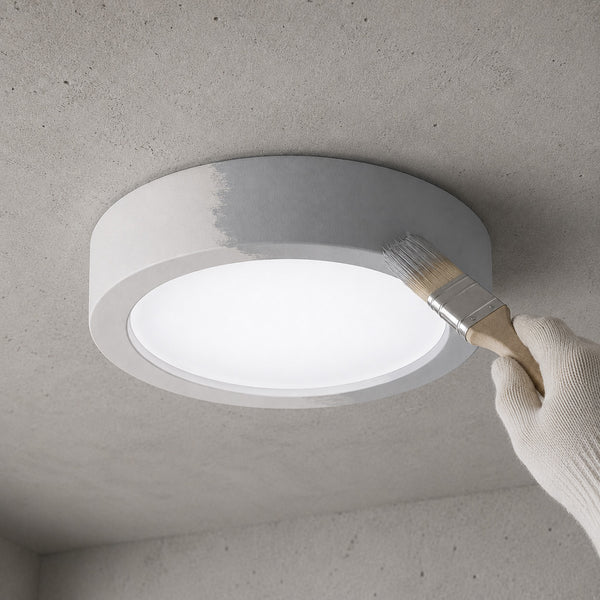
Gabriel Ceiling Light — Paintable White Plaster
Paintable WhiteE27 ES2 lampholdersFrom £70In stockView product → -
For your first order
10% off your first light
Leave your email and the code arrives straight away.
Then a short email most weeks. Unsubscribe any time. Privacy policy
Thank you
Your 10% code is on its way to your inbox. Any light, 30 days, no minimum.
-

WALL LIGHTS
Mykonos Corner Wall Light — Paintable White Plaster, Up & Down
WhiteE14 SES1 lampholder£68In stockView product → -
WALL LIGHTS
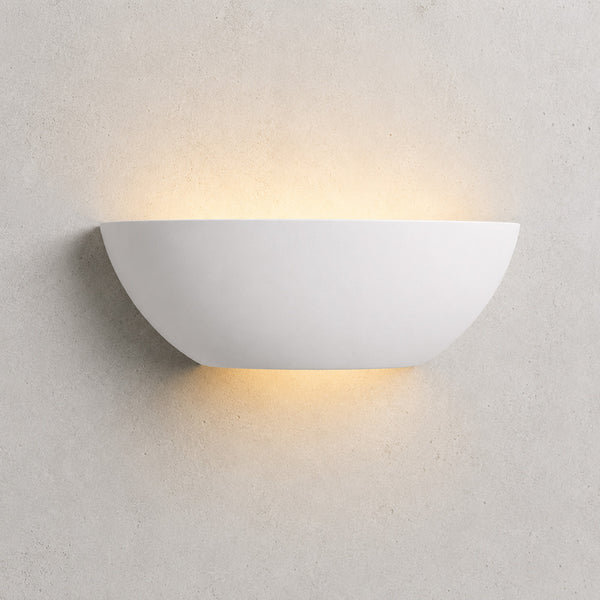
Bianca Paintable Up/Down Wall Light — Plaster, White
WhiteE14 SES1 lampholder£35UnavailableView product → -
2 sizes

DOWNLIGHTS
Creo Smart RGB Fire Rated Downlight — Matt White, IP65, Pack of 4
2 coloursMatt WhiteGU101 lampholderFrom £74In stockView product → -
2 sizes
DOWNLIGHTS
Kanto Trimless Plaster-In Downlight — Matt White, Pack of 10
2 coloursWhiteGU101 lampholderFrom £169In stockView product → -
2 sizes
DOWNLIGHTS
Kanto Trimless Plaster-In Downlight — Matt White, Pack of 6
2 coloursWhiteGU101 lampholderFrom £105In stockView product → -
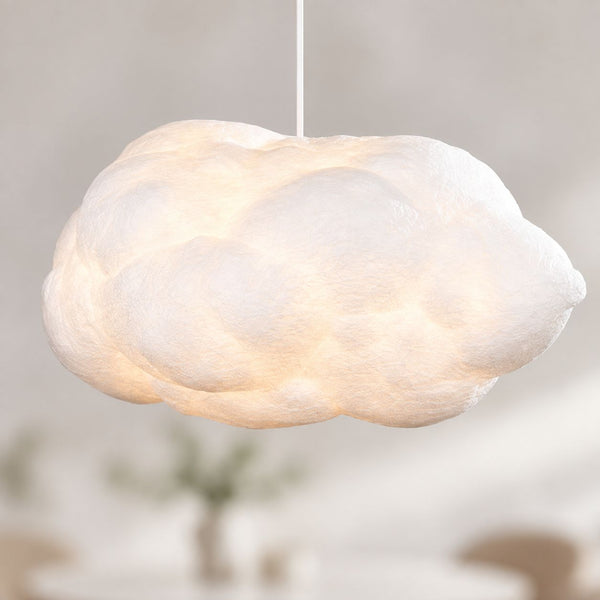
PENDANT LIGHTS
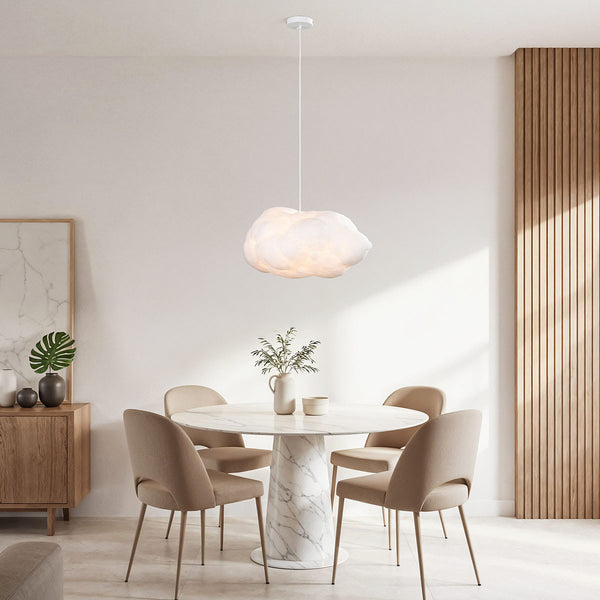
Nuvola Cloud Pendant Light — White, Medium
WhiteE272 lampholders£125In stockView product → -
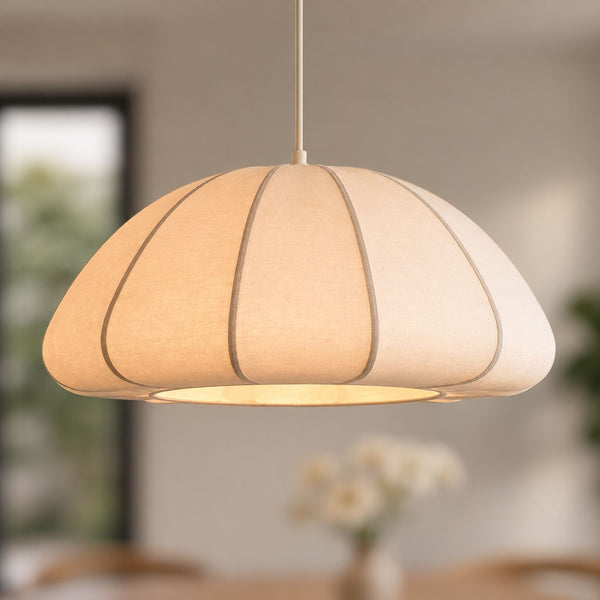
PENDANT LIGHTS
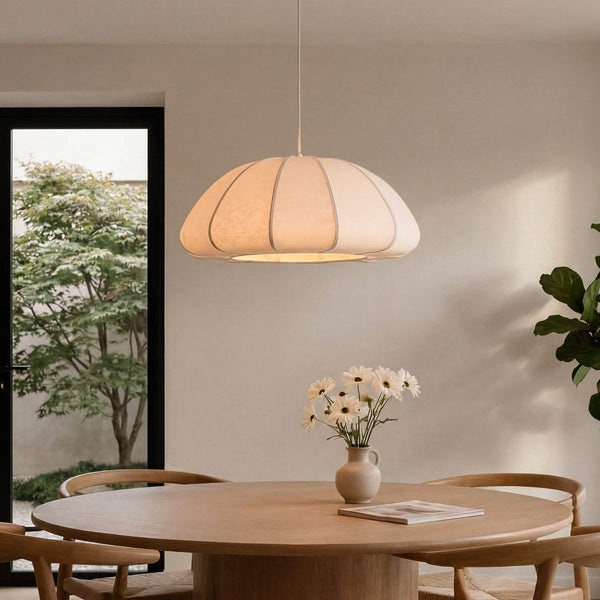
Ines Fabric Pendant Light — Off-White, 60 cm
Off-whiteE271 lampholder£160In stockView product → -
Signature Signature Small runs, real materials, made to order. The top of the Enso range.
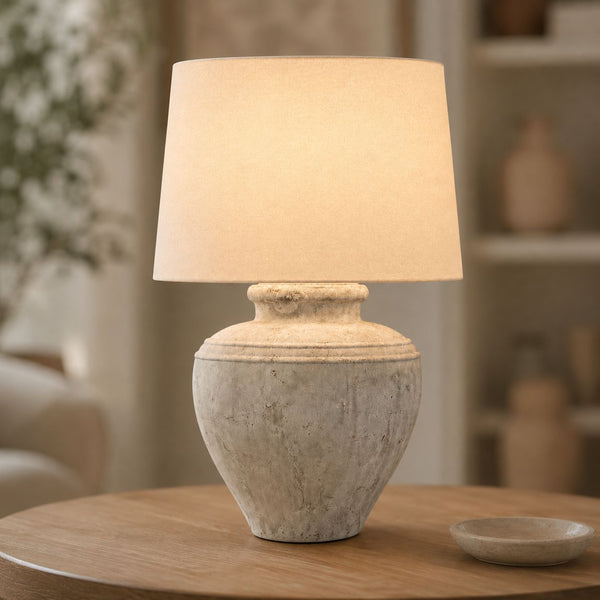
TABLE LAMPS
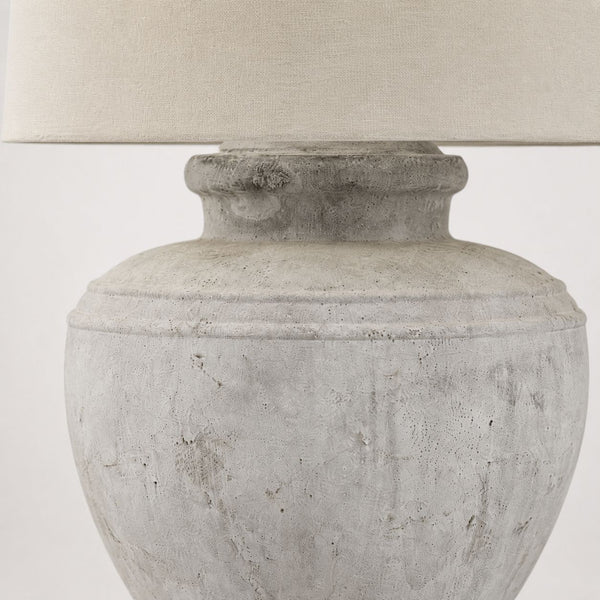
Darcy Chorus Table Lamp — Antique White
Made in United Kingdom
Antique White£205In stockView product →


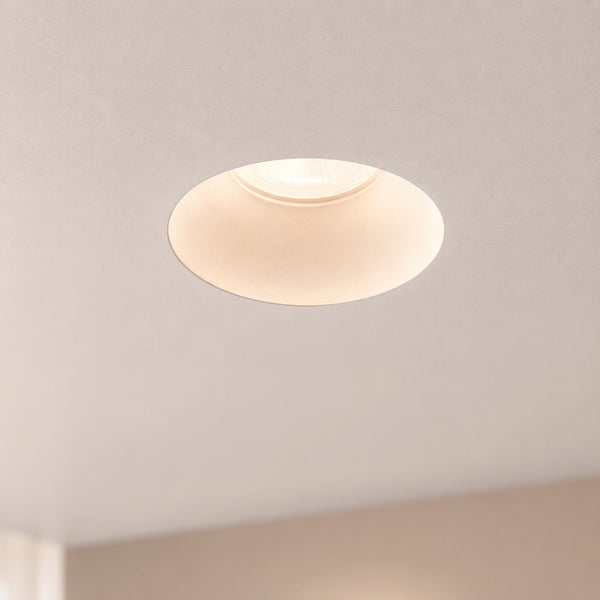




Showing 12 of 74
Buying Guide
Frequently Asked Questions
Does white lighting finish show dirt and fingerprints easily?
White powder-coated or painted finishes do show fingerprints and dust more readily than darker finishes, particularly on smooth glossy surfaces. Matt white finishes tend to disguise marks better than gloss white. Regular dusting with a soft microfibre cloth keeps white fixtures looking fresh, whilst textured or ceramic white finishes are generally more forgiving than smooth metal.
Can white light fittings turn yellow over time?
White finishes can yellow with age, particularly cheaper plastic diffusers or lampshades exposed to heat from traditional incandescent or halogen bulbs. Metal fixtures with quality powder coating resist yellowing better. Using LED bulbs significantly reduces heat exposure and keeps white finishes brighter for longer, whilst keeping fixtures away from cooking grease and cigarette smoke also prevents discolouration.
What colour temperatures work best with white light fittings?
White fixtures are versatile and suit any bulb colour temperature, but the finish itself affects the light output. Warm white bulbs (2700K-3000K) create a softer, creamier glow through white shades, whilst cool white (4000K+) maintains a crisper, more clinical appearance. For living spaces, warm white typically complements white fittings best, whereas bathrooms and kitchens often benefit from neutral white (3500K-4000K).
Do white light fittings work with dimmer switches and smart bulbs?
The white finish itself doesn't affect compatibility—it depends entirely on the bulb and fixture wiring. Most white fixtures with E27, E14, B22 or GU10 fittings accept dimmable LED bulbs, but you'll need a trailing-edge dimmer switch suitable for LED loads. Smart bulbs work perfectly in white fixtures, though any electrical work installing new dimmer switches must comply with Part P Building Regulations and should be done by a qualified electrician.
What interior styles suit white lighting fixtures?
White light fittings are exceptionally versatile and work across Scandinavian, coastal, modern farmhouse, minimalist, and contemporary schemes. They provide a neutral backdrop that won't compete with colourful décor and help smaller rooms feel more spacious. White fixtures also pair beautifully with natural materials like oak, rattan, or linen, and can soften industrial spaces when mixed with exposed brick or concrete.
How do I clean white light fittings without damaging the finish?
Switch off the power and allow bulbs to cool completely before cleaning. Use a soft, slightly damp microfibre cloth with plain water or a gentle solution of washing-up liquid for powder-coated metal or ceramic white fixtures. Avoid abrasive cleaners, bleach, or acetone-based products which can damage the finish or cause yellowing. For fabric white shades, vacuum gently with a brush attachment or follow the manufacturer's specific care instructions.
Are white light fittings suitable for bathrooms and kitchens?
White fixtures work well in bathrooms and kitchens provided they meet the required IP ratings for the zone. Bathroom fixtures within 60cm of a tap or shower require minimum IP44 rating, whilst kitchen fixtures above sinks should ideally be IP44 or higher. White finishes may require more frequent cleaning in kitchens due to cooking grease, so consider wipeable powder-coated metal or ceramic options rather than fabric shades in these areas.