
Shop by Room
Stairs & Stairwell Lighting
Long-drop pendants, cluster lights and wall fittings for double-height stairwells and traditional stair runs.
Filters
12 items
Sort Most relevant
-

PENDANT LIGHTS
Halo 3-Light Ribbed Drum Pendant — Glass, Antique Brass
Antique BrassE14 SES3 lampholders£210In stockView product → -

PENDANT LIGHTS
Solene Ribbed Ceiling Pendant — Glass, Antique Brass
Antique BrassE27 ES1 lampholder£125In stockView product → -
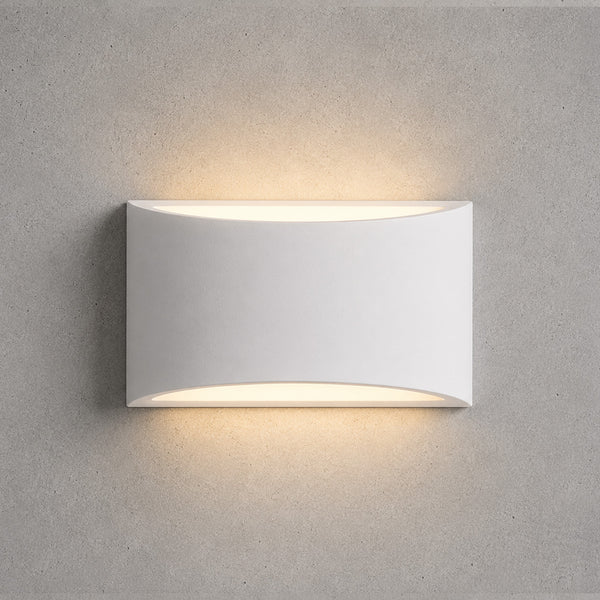
WALL LIGHTS
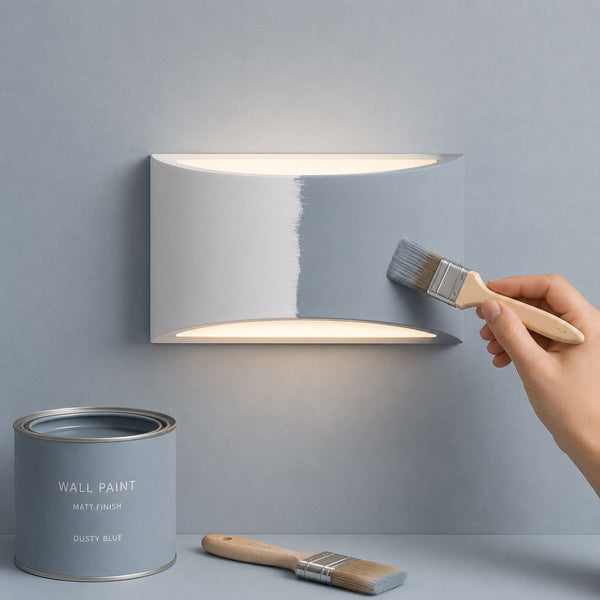
Galea Paintable Up/Down Light — Plaster, White
Smooth WhiteG91 lampholder£32Made to orderView product → -
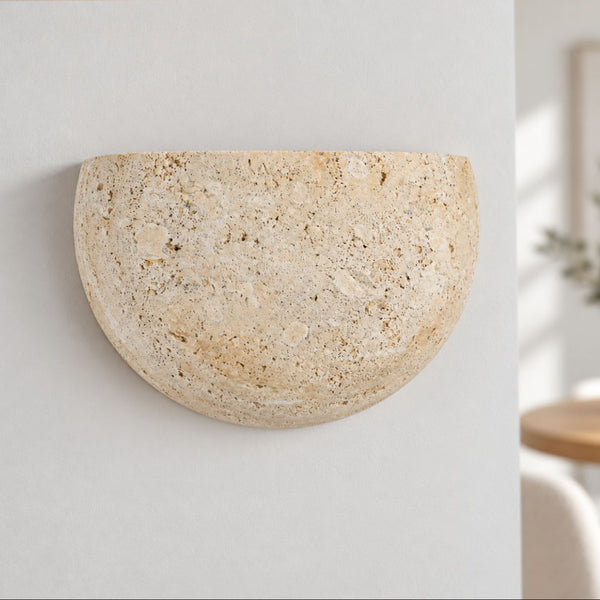
WALL LIGHTS
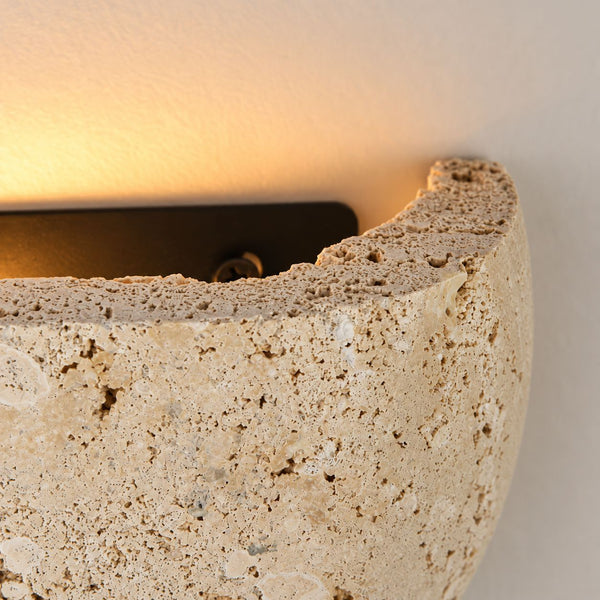
Wara Travertine Wall Light — Semi-Circular, Beige
Travertine BeigeG91 lampholder£105In stockView product → -
For your first order
10% off your first light
Leave your email and the code arrives straight away.
Then a short email most weeks. Unsubscribe any time. Privacy policy
Thank you
Your 10% code is on its way to your inbox. Any light, 30 days, no minimum.
-
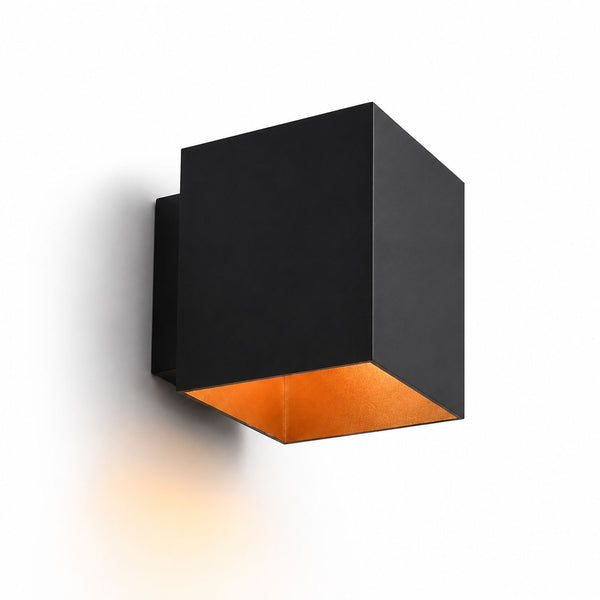
WALL LIGHTS
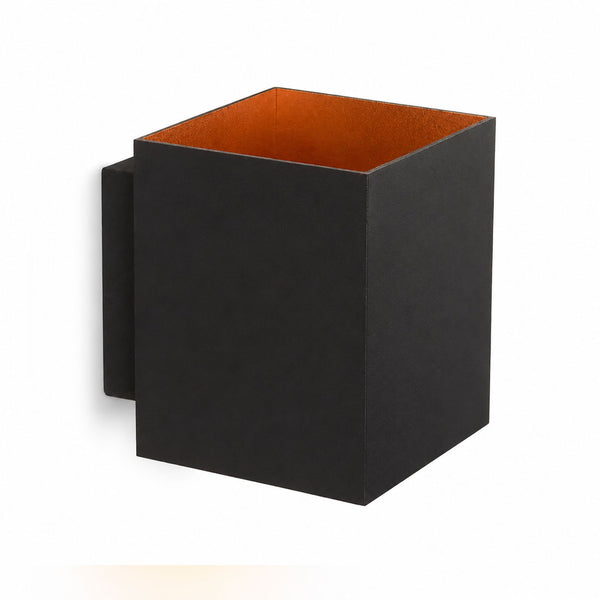
Fay Modern Square Up Down Wall Light — Black with Gold
Black with GoldG91 lampholder£22In stockView product → -
Signature Signature Small runs, real materials, made to order. The top of the Enso range.
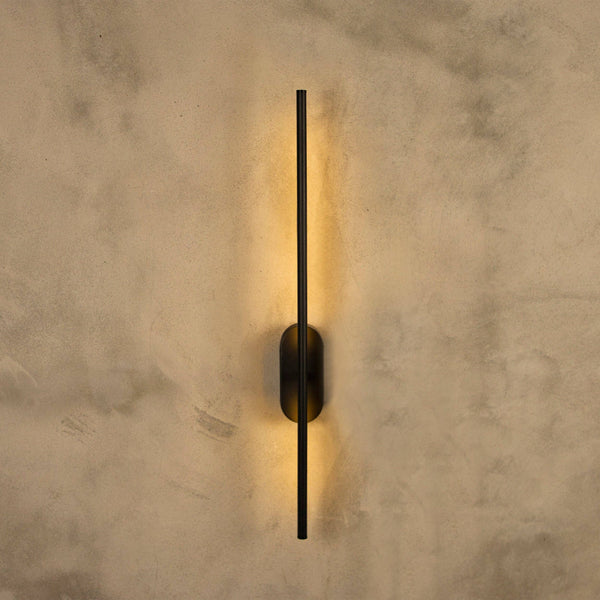
WALL LIGHTS
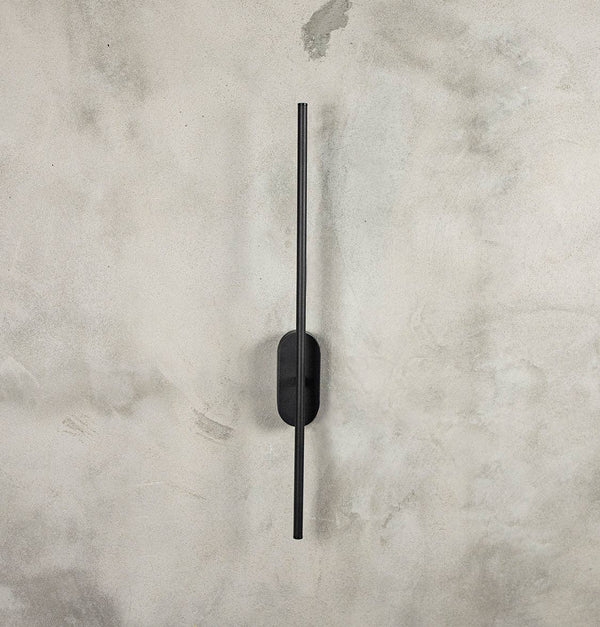
Assos LED Wall Light — Matt Black, 70cm
Made in Turkey
BlackIntegrated LED£385In stockView product → -
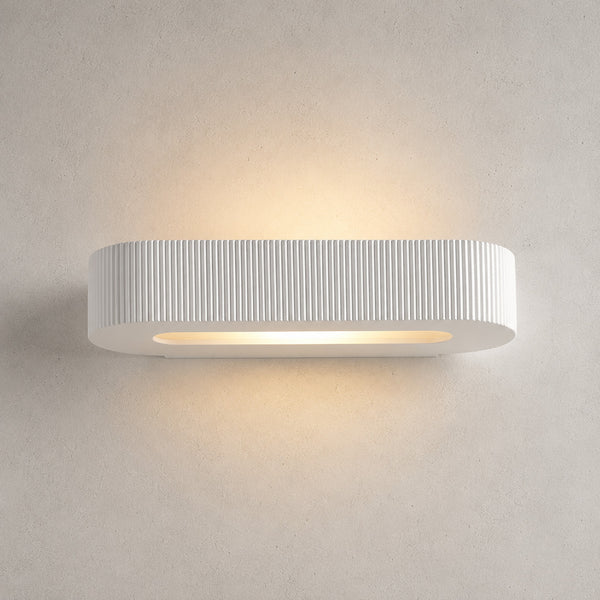
WALL LIGHTS
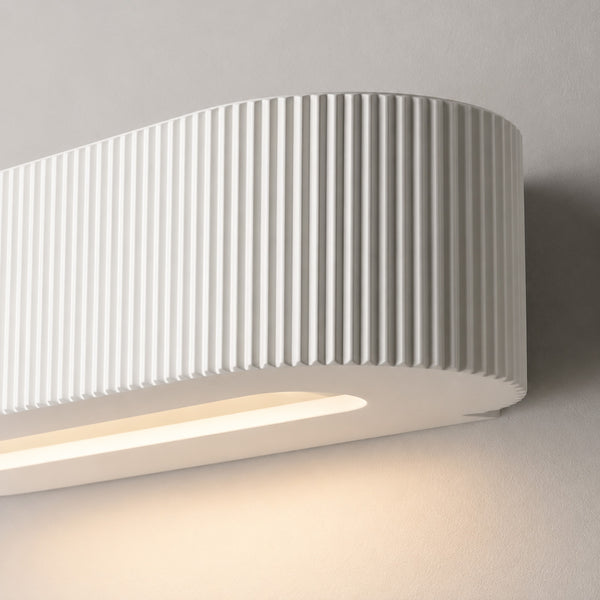
Bellona Ribbed Plaster Wall Light — Paintable White
Paintable WhiteE14 SES2 lampholders£78In stockView product → -
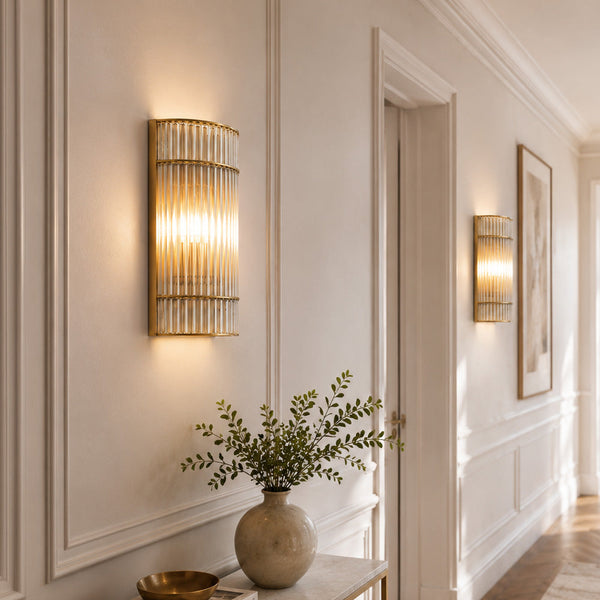
WALL LIGHTS
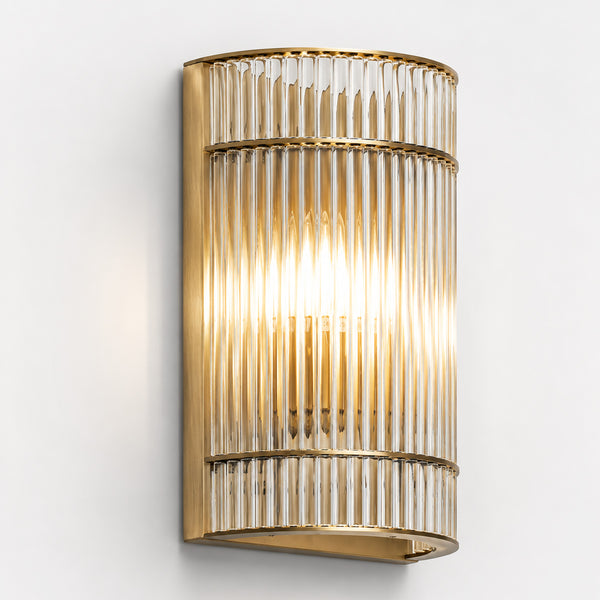
Gatsby Art Deco Wall Light — Glass, Champagne
Brushed ChampagneE14 SES1 lampholder£310In stockView product → -

WALL LIGHTS
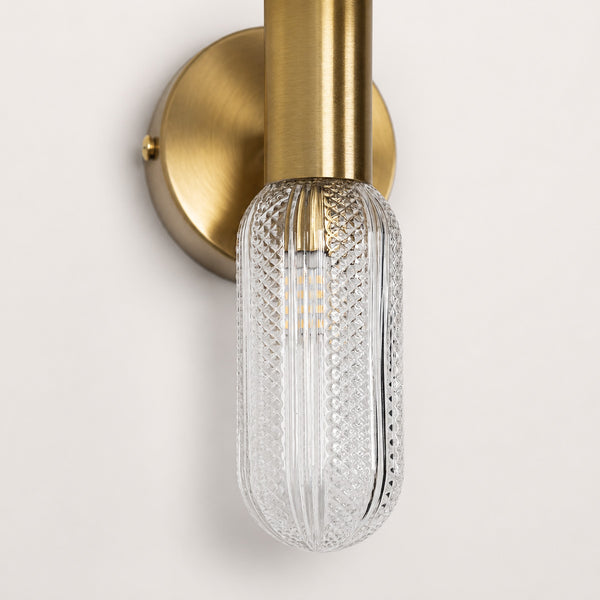
Verona Up Down Wall Sconce — Glass, Antique Brass
Antique BrassG92 lampholders£390In stockView product → -

PENDANT LIGHTS
Halo 5-Light Ribbed Drum Pendant — Glass, Antique Brass
Antique BrassE14 SES5 lampholders£240In stockView product → -

PENDANT LIGHTS
Halo Petite Pendant — Glass, Antique Brass
Antique BrassE27 ES1 lampholder£110In stockView product → -

OUTDOOR LIGHTING
Talia Up Down Wall Light — Aluminium, Wood Effect
Wood effectGU102 lampholders£58In stockView product →





Buying Guide
Frequently Asked Questions
What are the UK Building Regulations requirements for stairs lighting?
Under UK Building Regulations Part M and Part K, stairways must have adequate artificial lighting that illuminates all treads and landings. Any fixed electrical work for stair lighting requires compliance with Part P, meaning installation by a qualified electrician or notification to Building Control if you're DIY-ing. A two-way switching system (switches at both top and bottom of stairs) is required for safety, and lights should provide minimum 100 lux at tread level.
Should I use wall lights or recessed downlights for staircase lighting?
Wall-mounted step lights or low-level recessed lights positioned every 2-3 steps are generally safer than overhead downlights alone, as they eliminate shadows on treads and reduce trip hazards. If using ceiling downlights, fit them directly above the stairs (not to the side) and space them to avoid creating dark patches between treads. Many UK homes combine both: overhead lighting for general illumination and low-level lights for night-time safety.
What IP rating do I need for stair lights in different locations?
For standard indoor staircases, IP20-rated fittings are sufficient. If your stairs are near an entrance with moisture exposure or in a basement with potential dampness, opt for IP44 or higher. Recessed stair lights installed into walls may need IP65 rating if there's any risk of moisture penetration from external walls or poor cavity insulation.
Can I install LED stair lights on a dimmer switch?
Yes, but you must use dimmable LED bulbs or fittings paired with an LED-compatible trailing edge dimmer switch—standard old-style dimmers cause flickering and damage. Check the manufacturer's specifications, as not all LED stair lights are dimmable, particularly cheaper integrated LED versions. If installing smart bulbs, avoid dimmer switches entirely and control brightness through the bulb's app or smart home system instead.
How bright should staircase lighting be for safety?
Aim for 150-200 lumens per step for safe navigation, which typically means 400-600 lumen bulbs in overhead fittings or 50-100 lumens for individual step lights. The lighting should eliminate all shadows on tread edges while avoiding glare—consider warm white (2700-3000K) for residential stairs as it's less harsh on eyes when walking between floors at night. Use multiple lower-wattage fixtures rather than one bright source to distribute light evenly.
What's the best placement height for wall lights on a staircase?
Install wall lights 1.5-1.8 metres above each step (measured from tread to light centre) to avoid head-height hazards while providing effective illumination. For recessed step lights, fit them 15-20cm above each tread, ideally aligned on the same vertical line down the staircase. Ensure fixtures don't protrude more than 10cm from the wall to prevent catching on clothing or bags.
Do stair lights need to be on all the time or can they be motion-activated?
Motion-activated or PIR sensor stair lighting is increasingly popular in UK homes for energy efficiency and convenience, especially for night-time use. However, Building Regulations require manual override capability, so your system must include standard two-way switches as backup. Many homeowners use manual switching during the day and enable motion sensors for evening hours through smart controls or timers.