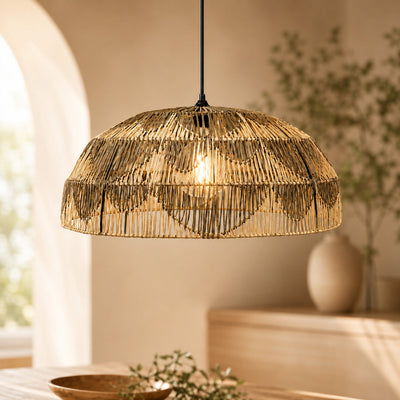
Shop by Style
Japandi Lighting
Travertine, oak, linen, rattan and matt ceramic in quiet, balanced shapes — Japanese restraint with Scandinavian warmth. Lighting for rooms that breathe.
Filters
91 items
Sort Most relevant
-
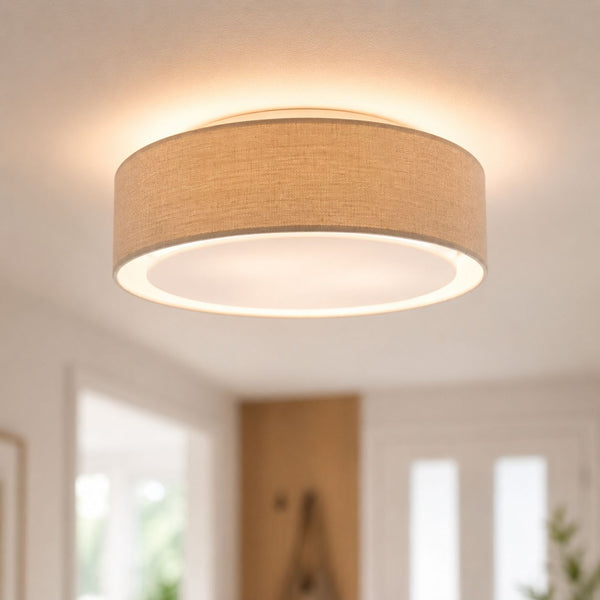
CEILING LIGHTS
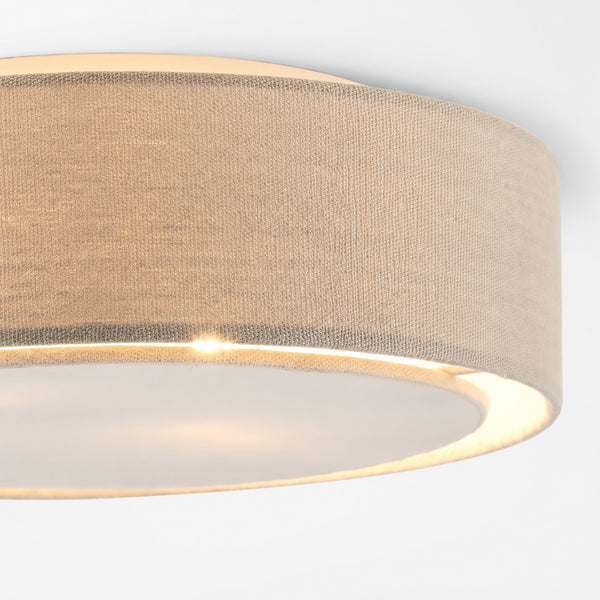
Senna Round Linen Flush Ceiling Light — Dove Grey
LinenE14 SES2 lampholders£50In stockView product → -
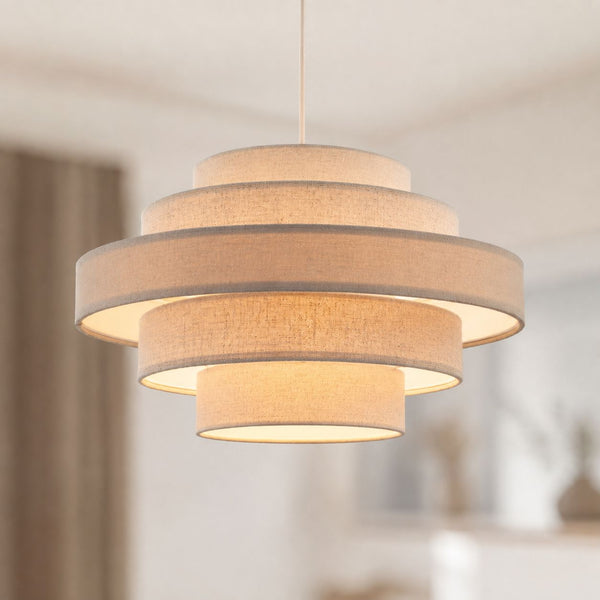
PENDANT LIGHTS
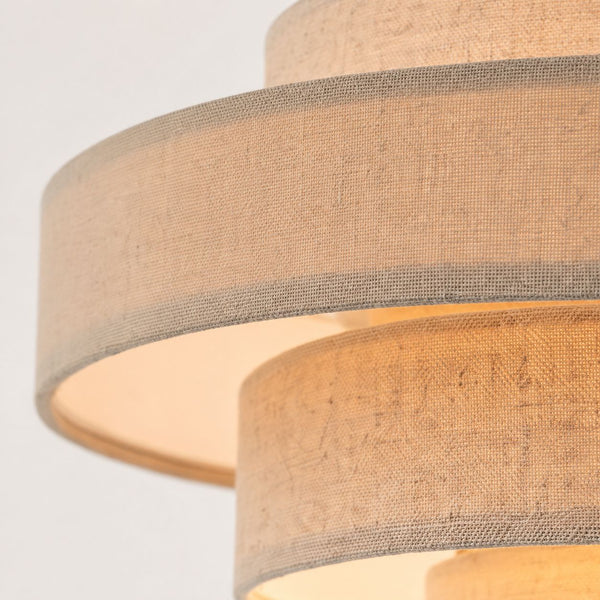
Linna Five-Tier Easy-Fit Pendant Shade — Oatmeal Linen
Oatmeal£38In stockView product → -

PENDANT LIGHTS
Lantana Triple Fabric Lantern Pendant Light — Warm Beige
Warm beige with a pink undertoneE273 lampholders£160In stockView product → -
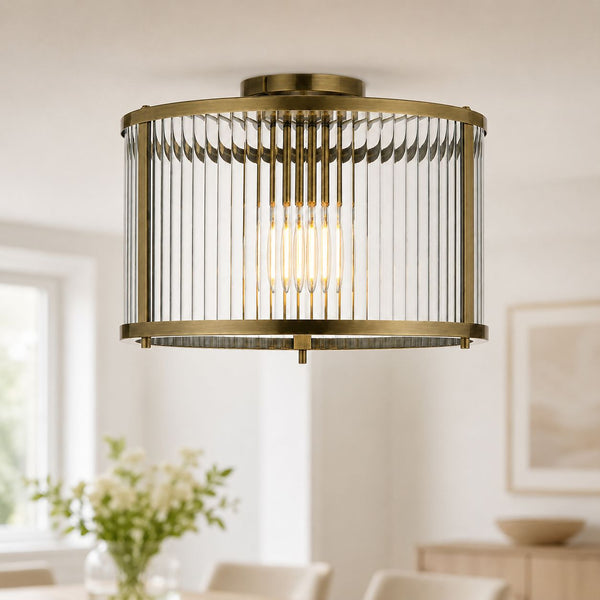
CEILING LIGHTS
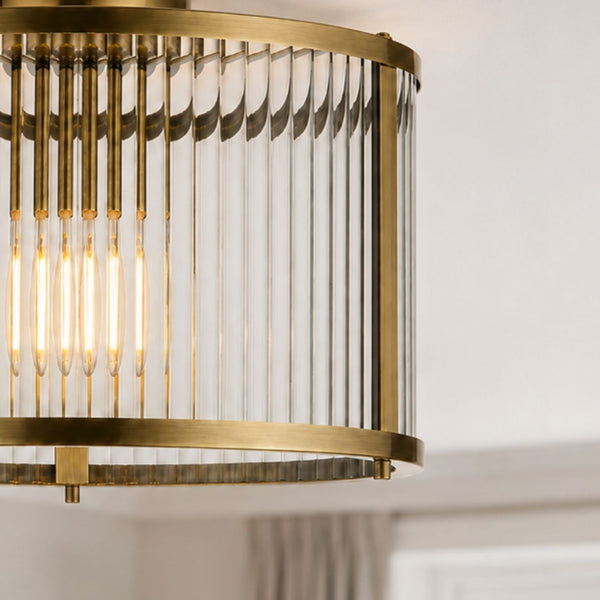
Halo Flush Ribbed Light — Glass, Antique Brass
Antique BrassE27 ES1 lampholder£165In stockView product → -
For your first order
10% off your first light
Leave your email and the code arrives straight away.
Then a short email most weeks. Unsubscribe any time. Privacy policy
Thank you
Your 10% code is on its way to your inbox. Any light, 30 days, no minimum.
-
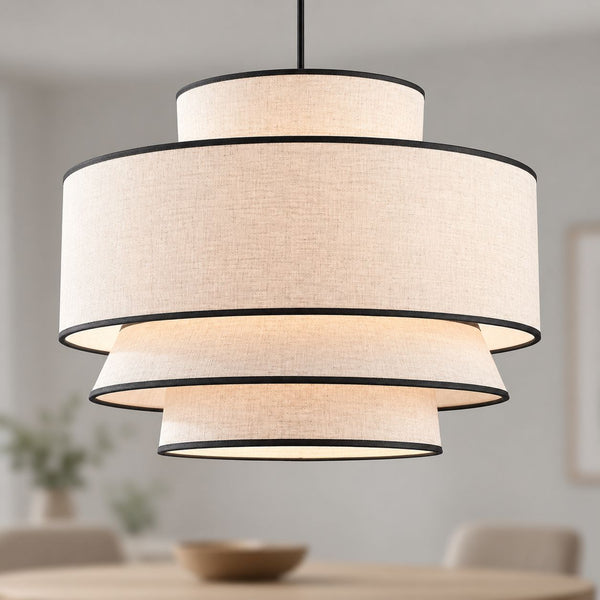
PENDANT LIGHTS
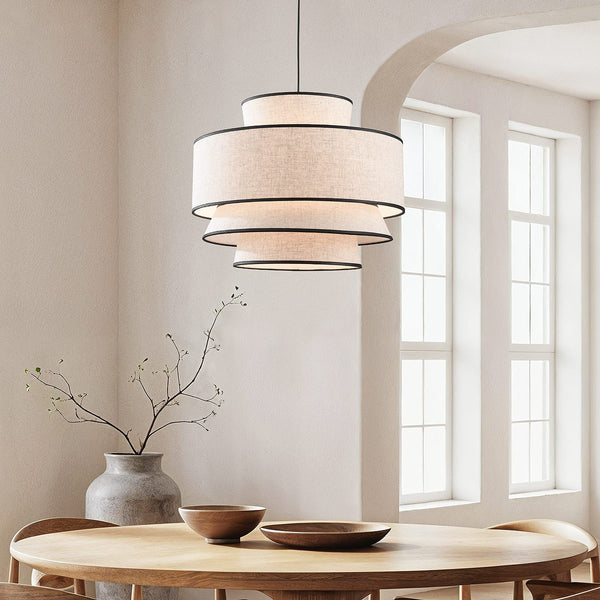
Nori Linen Pendant Light — Natural & Black, 50 cm
Black and WhiteE271 lampholder£110In stockView product → -
5 sizes
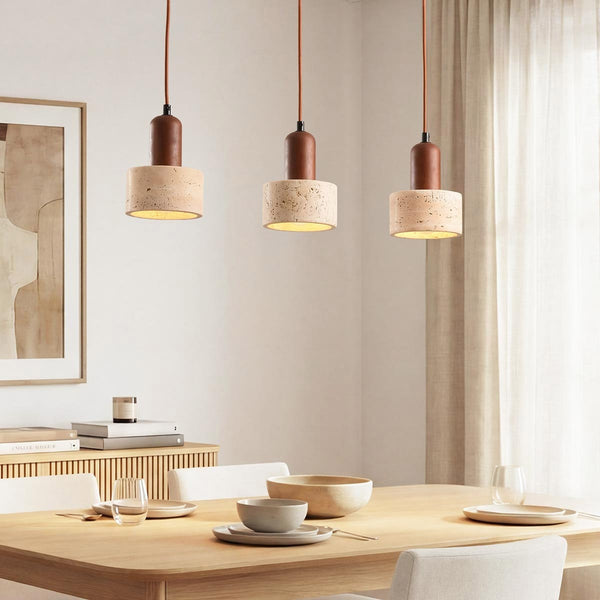
PENDANT LIGHTS
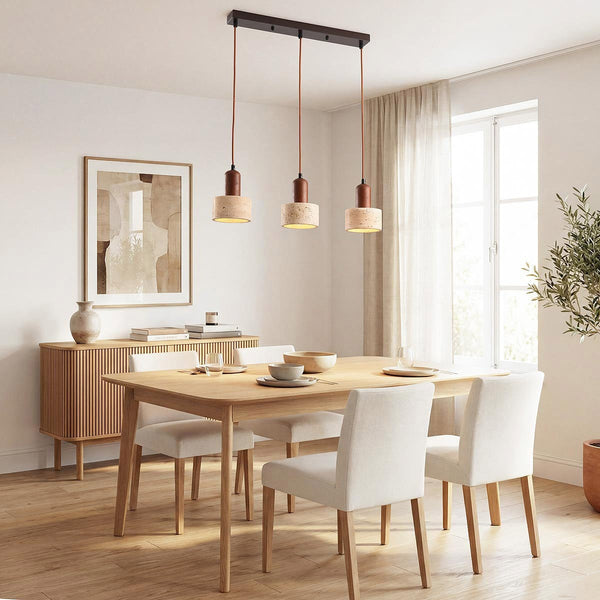
Taoka Travertine & Wood Pendant Light — 3 Lights, Linear
Dark brown and travertine beigeE273 lampholdersFrom £75In stockView product → -

CEILING LIGHTS
Nami Wavy Metal Ceiling Light — Walnut Look
2 coloursDark brownE271 lampholder£110In stockView product → -
5 sizes
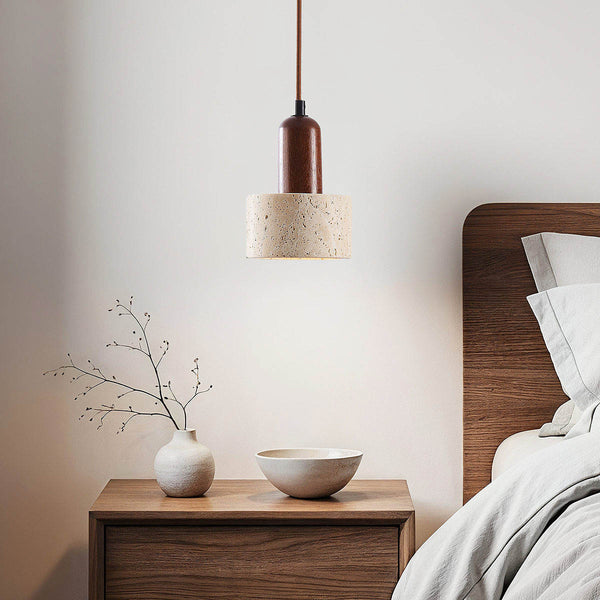
PENDANT LIGHTS
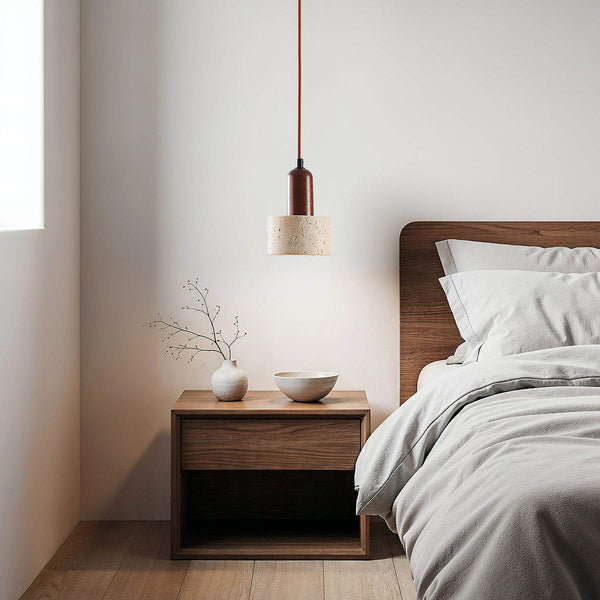
Taoka Travertine & Wood Pendant Light — Single
Travertine BeigeE271 lampholderFrom £75In stockView product → -
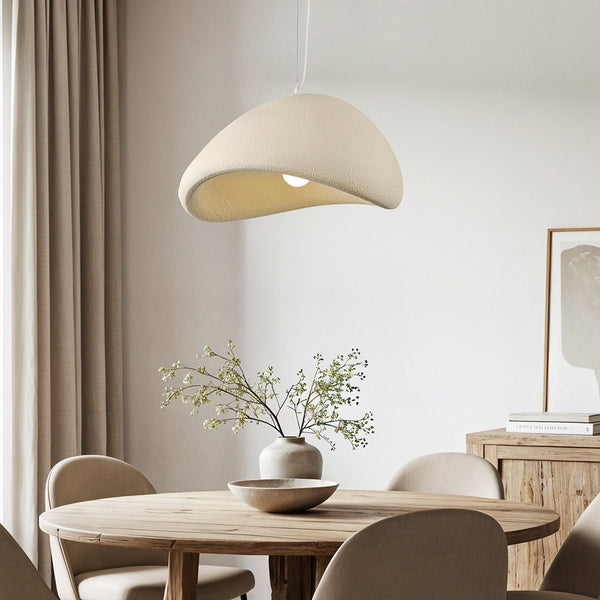
PENDANT LIGHTS
Kara Organic Stone-Effect Pendant Light — Sand Beige
2 coloursSand BeigeE271 lampholder£175In stockView product → -
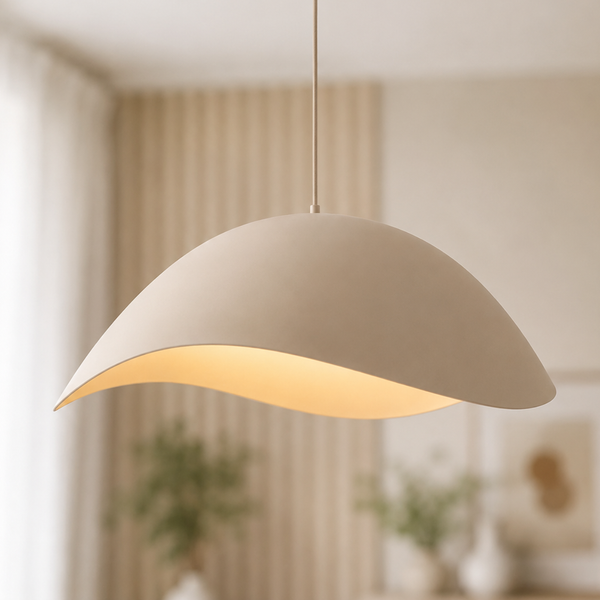
PENDANT LIGHTS
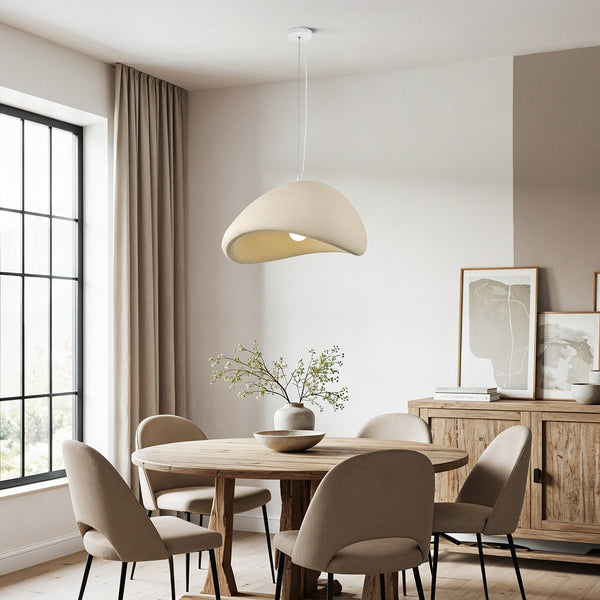
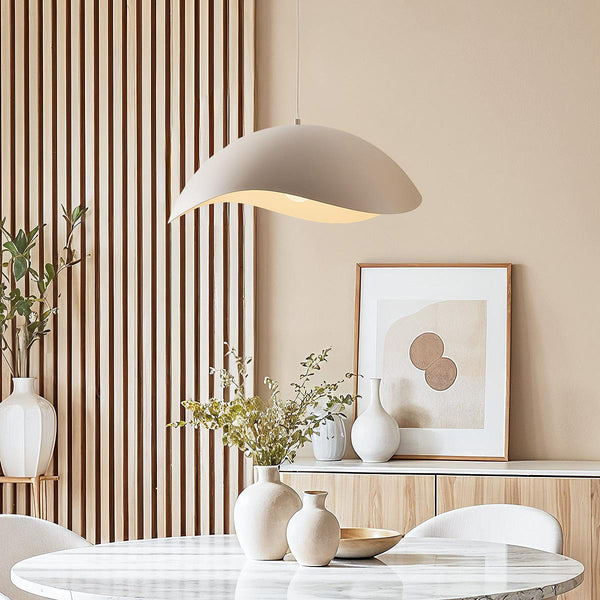
Nami Wavy Metal Pendant Light — Sand Taupe
Sand TaupeE271 lampholder£145In stockView product → -

WALL LIGHTS
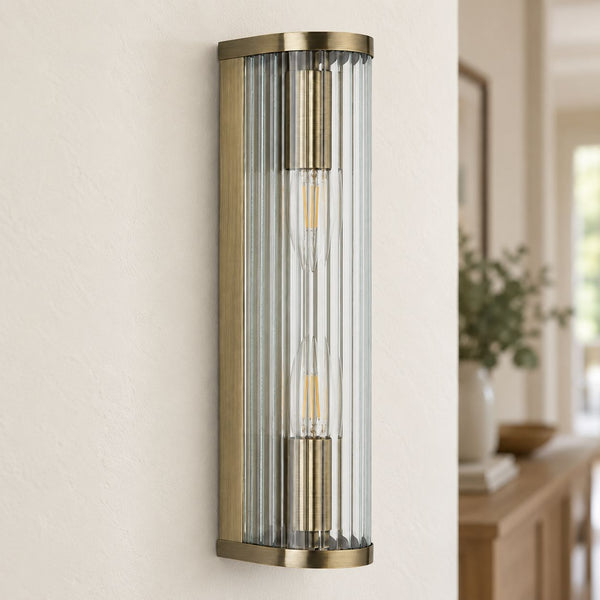
Halo 2-Light Ribbed Wall Sconce — Glass, Antique Brass
Antique BrassE14 SES2 lampholders£95UnavailableView product → -
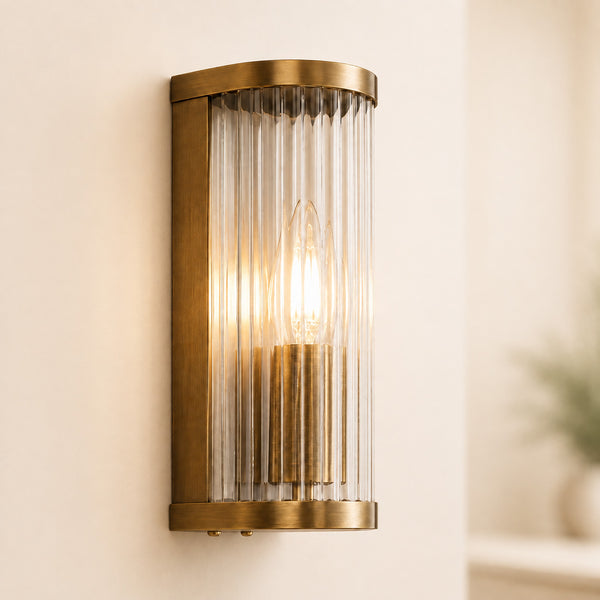
WALL LIGHTS
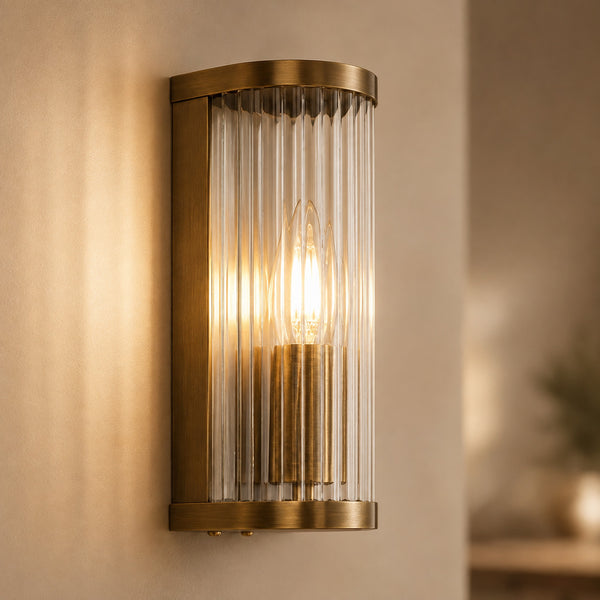
Halo Ribbed Wall Sconce — Glass, Antique Brass
Antique BrassE14 SES1 lampholder£80In stockView product →





Showing 12 of 91
Buying Guide
Frequently Asked Questions
What is Japandi lighting?
Japandi lighting blends Japanese minimalism with Scandinavian warmth: simple, balanced shapes in natural, matt materials such as travertine, oak, linen, rattan, ceramic and plaster, in a muted palette of sand, chalk, clay and charcoal. Brass appears only as a warm accent. The aim is a calm, uncluttered room where the light feels soft and the fittings feel like part of the architecture.
What is the difference between Japandi and wabi-sabi lighting?
Japandi is the broader style — restraint, balance and natural materials, including refined pieces like ribbed glass on antique brass. Wabi-sabi is a narrower, more tactile edit within it: raw, imperfect, hand-made materials such as concrete, rough stone and hand-glazed ceramic. Most wabi-sabi pieces also appear here; the reverse is not true.
How many lights does a Japandi room need?
Fewer than you think — usually three sources: one overhead piece to set the tone, one or two wall or table lights at eye level for warmth, and a task light only where there is a task. Avoid grids of downlights and multiple statement pieces. A single well-placed pendant with the rest of the room lit low is far closer to the style.
Which bulb colour suits Japandi interiors?
2700K warm white, with a colour rendering index of 90 or higher so that oak, linen and stone keep their true tones. Cooler 3000K or 4000K lamps turn the warm neutrals grey. Choose dimmable bulbs with a trailing-edge LED dimmer, because the style depends on being able to bring a room down to a soft evening glow.
What size pendant should I hang over a Japandi dining table?
Size the shade at about a third of the table's width — a 120cm table takes a shade around 40cm — and hang its base 75 to 90cm above the surface. Rattan and other open-weave shades can go larger without feeling heavy. Over a long table, two or three matched smaller pendants read as more balanced than one large one.
Do natural-material lights give enough light?
Linen, paper-style and alabaster shades diffuse well and will carry a room. Travertine, stone and ceramic are opaque and mostly direct light downward, so they are ideal over tables and islands but should be paired with low-level wall or table lights elsewhere. Rattan scatters light widely but softly, so treat it as ambient rather than task lighting.
Can I mix brass with Japandi lighting?
Yes, as long as it is warm and unpolished — antique, satin or unlacquered brass sits naturally beside oak, linen and stone. Keep it consistent across the room and use it as an accent (a stem, a lamp holder, a small back plate) rather than the main event. Polished chrome and bright nickel fight the palette and are best avoided.
How do I look after travertine, rattan and linen light fittings?
Dust with a dry cloth or soft brush. Travertine and unsealed stone should not be wet-cleaned, as moisture marks them; rattan should be brushed along the weave and never soaked; linen shades can be vacuumed on low suction. Expect natural variation in stone grain and weave from piece to piece — it is the character of the material, not a fault.