Shop by Style
Wabi Sabi Lighting
Concrete, travertine, raw plaster, hand-glazed ceramic and alabaster — lighting made from materials that show their own nature. Beauty in the imperfect.
Filters
52 items
Sort Most relevant
-
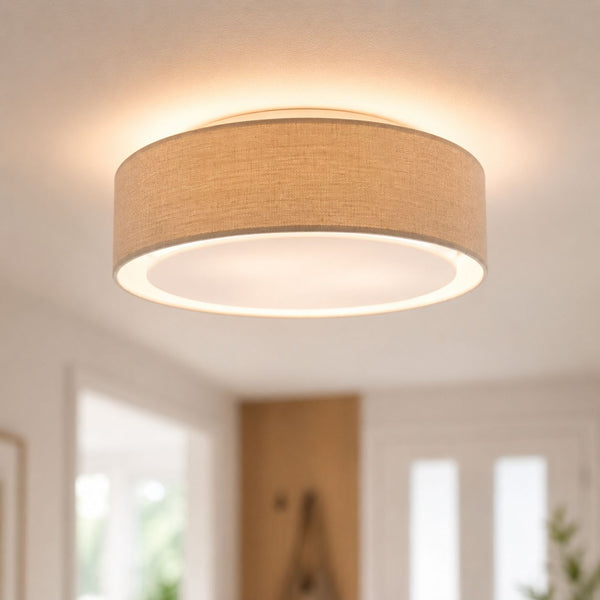
CEILING LIGHTS
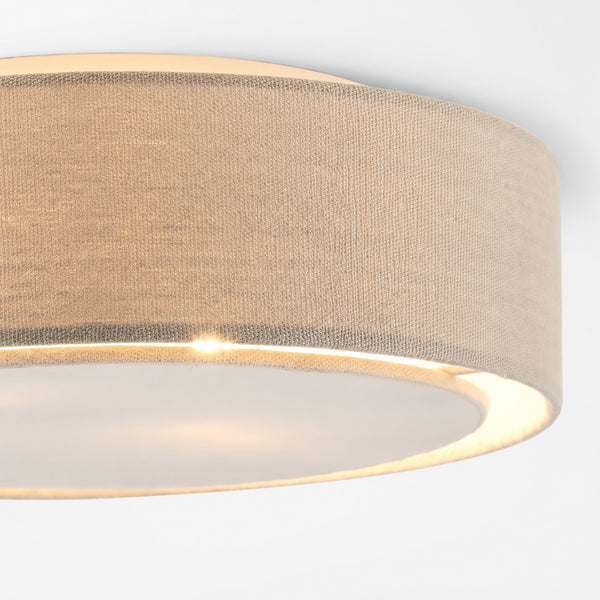
Senna Round Linen Flush Ceiling Light — Dove Grey
LinenE14 SES2 lampholders£50In stockView product → -
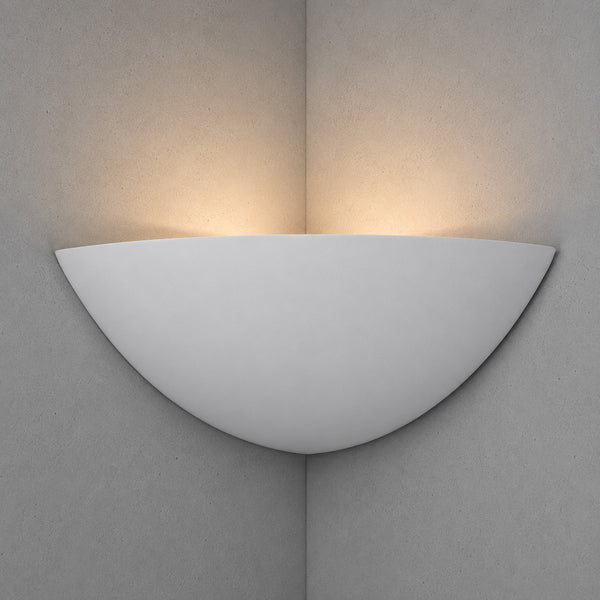
WALL LIGHTS
Santorini Corner Wall Light — Paintable White Plaster, Uplight
Paintable WhiteE14 SES1 lampholder£78In stockView product → -
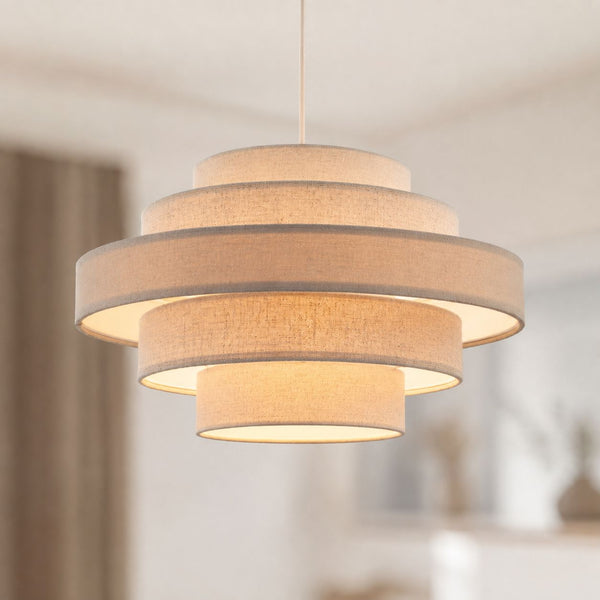
PENDANT LIGHTS
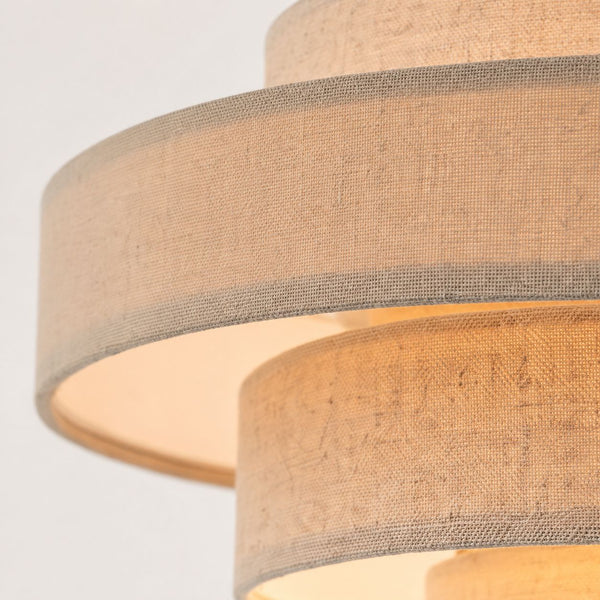
Linna Five-Tier Easy-Fit Pendant Shade — Oatmeal Linen
Oatmeal£38In stockView product → -
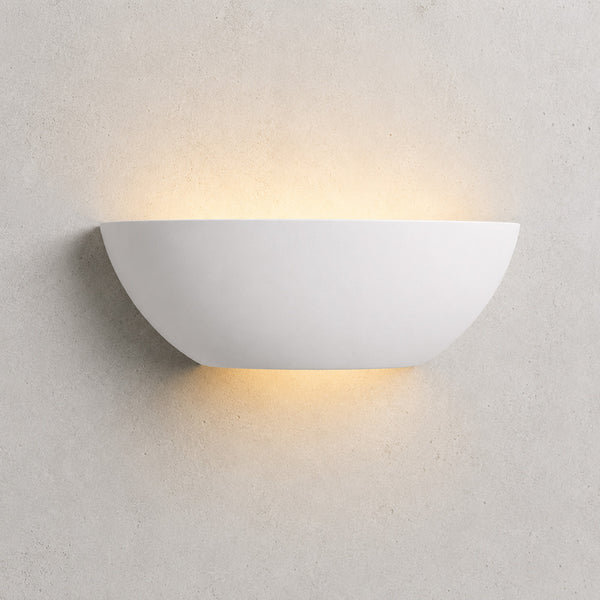
WALL LIGHTS
Bianca Paintable Up/Down Wall Light — Plaster, White
WhiteE14 SES1 lampholder£35UnavailableView product → -
For your first order
10% off your first light
Leave your email and the code arrives straight away.
Then a short email most weeks. Unsubscribe any time. Privacy policy
Thank you
Your 10% code is on its way to your inbox. Any light, 30 days, no minimum.
-

WALL LIGHTS
Mykonos Corner Wall Light — Paintable White Plaster, Up & Down
WhiteE14 SES1 lampholder£68In stockView product → -
3 sizes
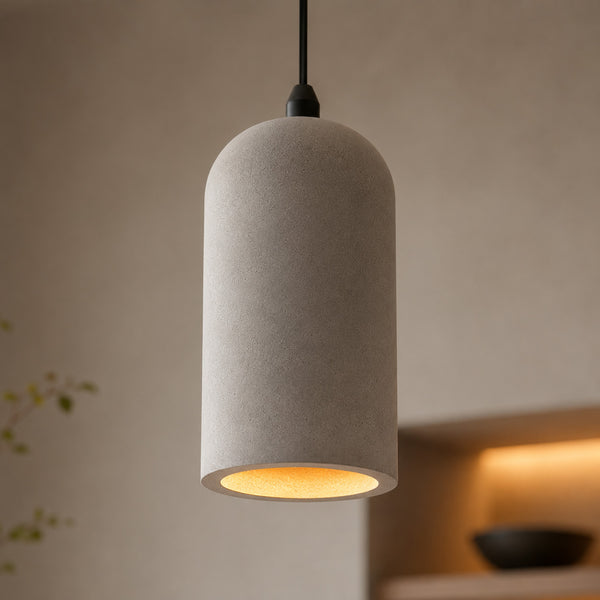
PENDANT LIGHTS
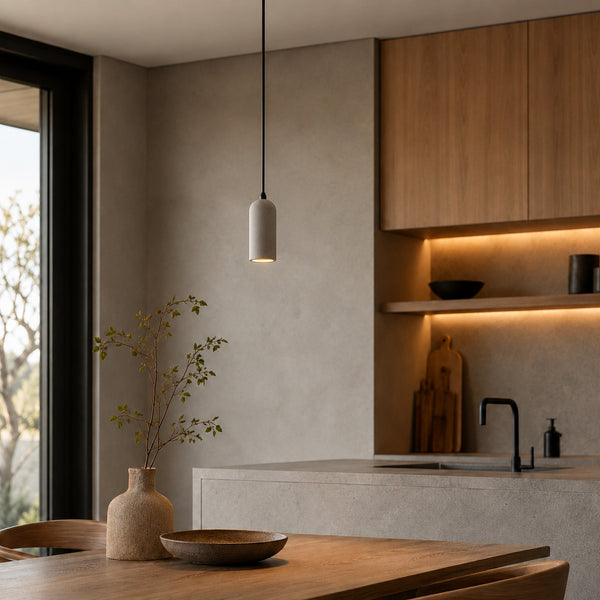
Ando Concrete Pendant Light — Natural Grey, Cylinder
Natural ConcreteE27 ES1 lampholderFrom £83In stockView product → -
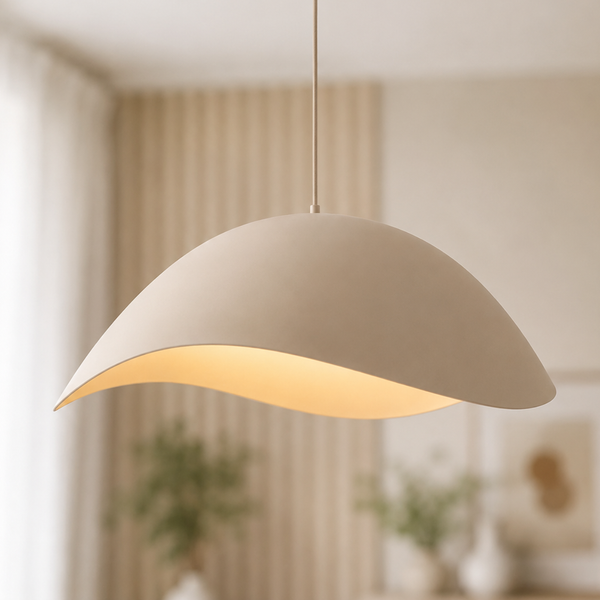
PENDANT LIGHTS
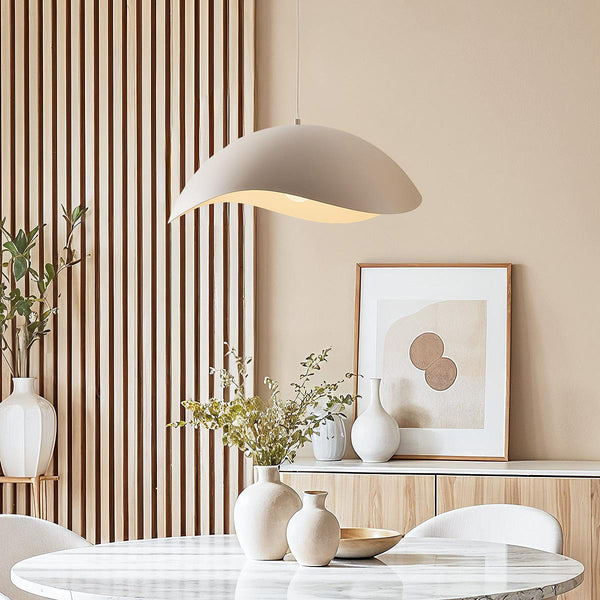
Nami Wavy Metal Pendant Light — Sand Taupe
Sand TaupeE271 lampholder£145In stockView product → -
5 sizes
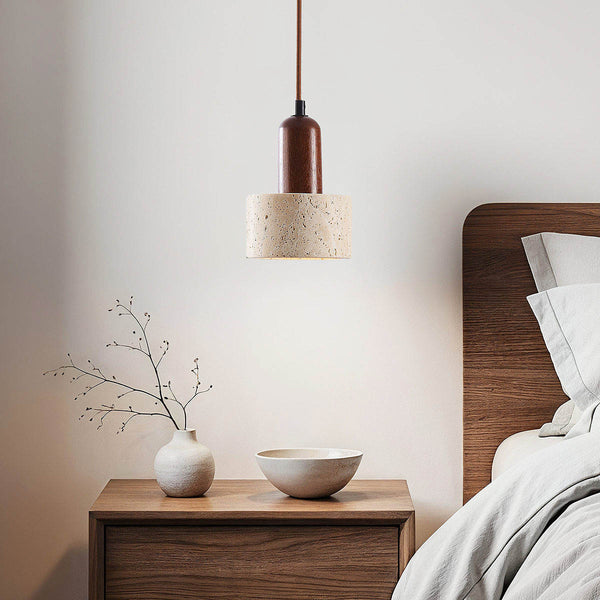
PENDANT LIGHTS
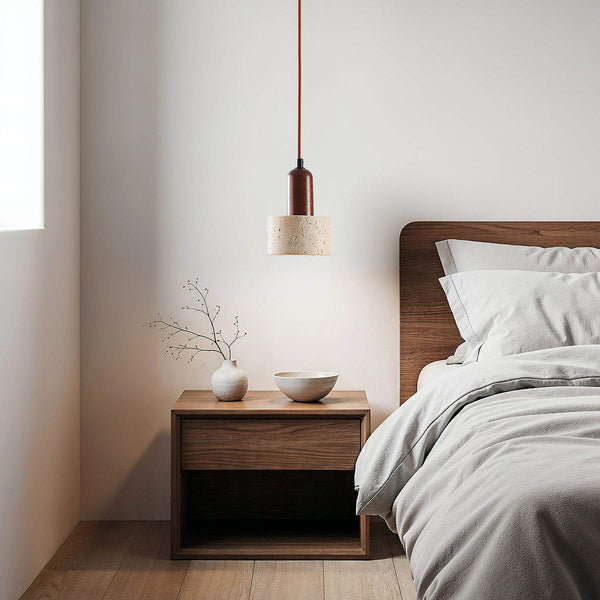
Taoka Travertine & Wood Pendant Light — Single
Travertine BeigeE271 lampholderFrom £75In stockView product → -
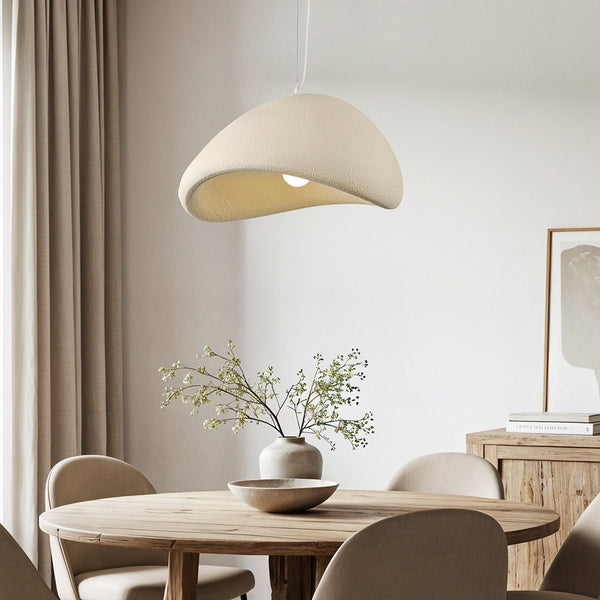
PENDANT LIGHTS
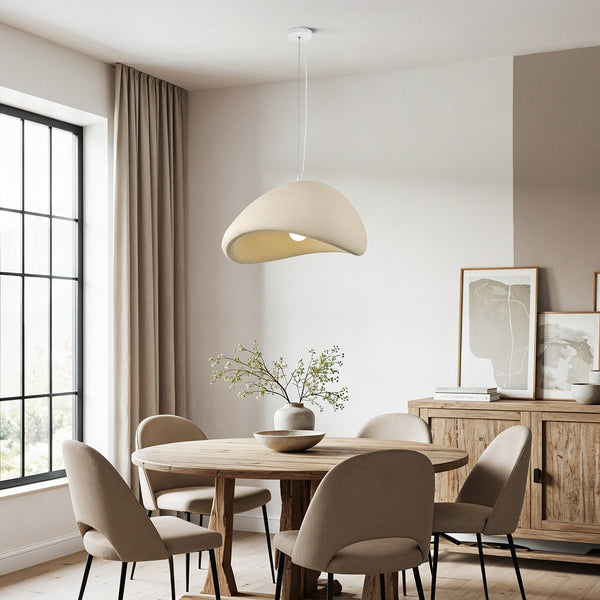
Kara Organic Stone-Effect Pendant Light — Sand Beige
2 coloursSand BeigeE271 lampholder£175In stockView product → -
Signature Signature Small runs, real materials, made to order. The top of the Enso range.
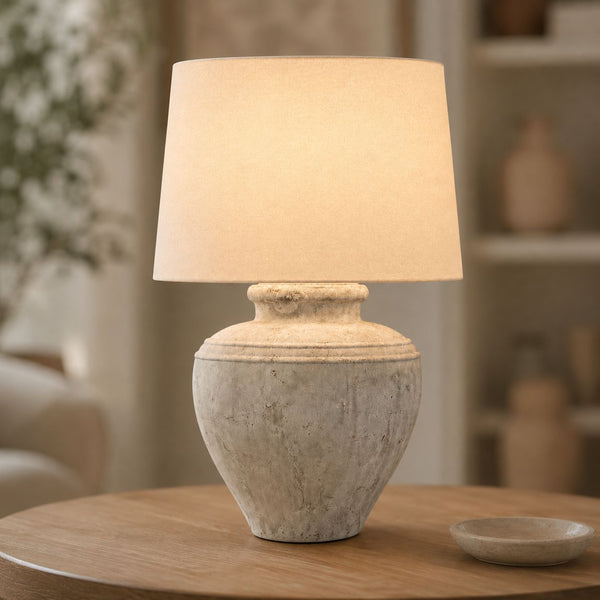
TABLE LAMPS
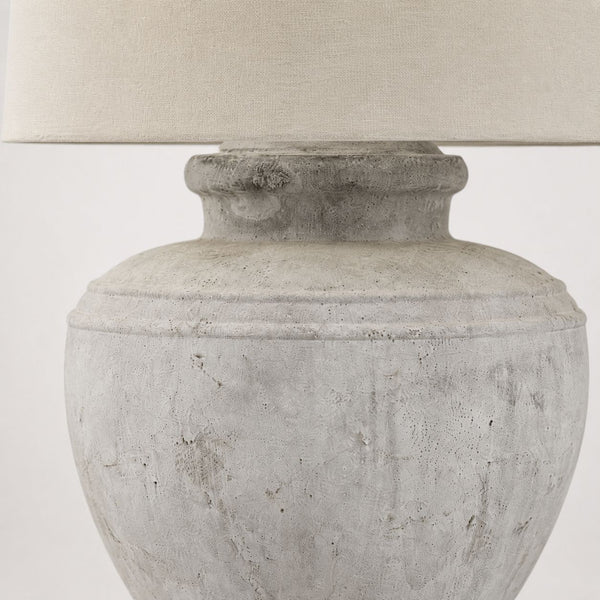
Darcy Chorus Table Lamp — Antique White
Made in United Kingdom
Antique White£205In stockView product → -
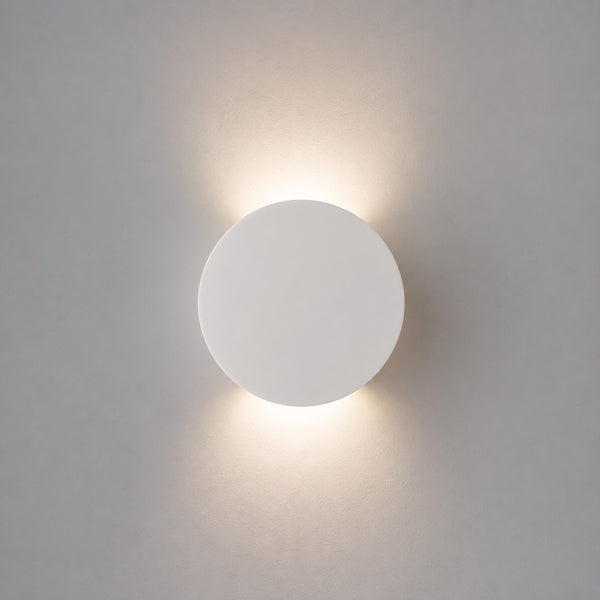
WALL LIGHTS
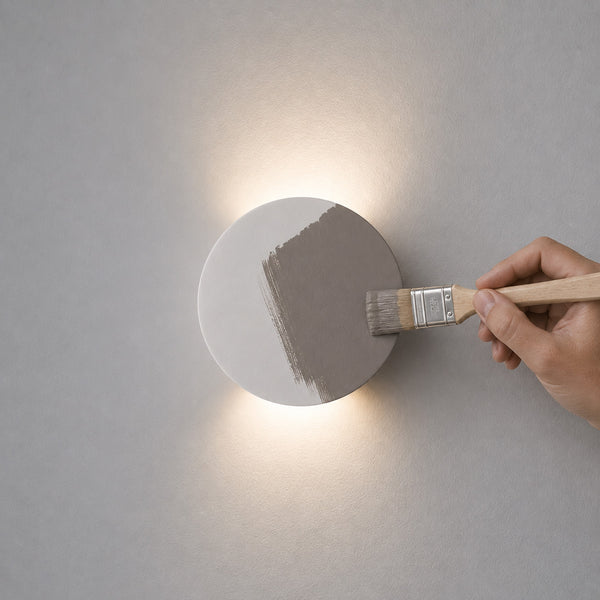
Leiron Round Wall Light — Paintable White Plaster, Up & Down
Paintable WhiteG91 lampholder£58In stockView product → -
Signature Signature Small runs, real materials, made to order. The top of the Enso range.
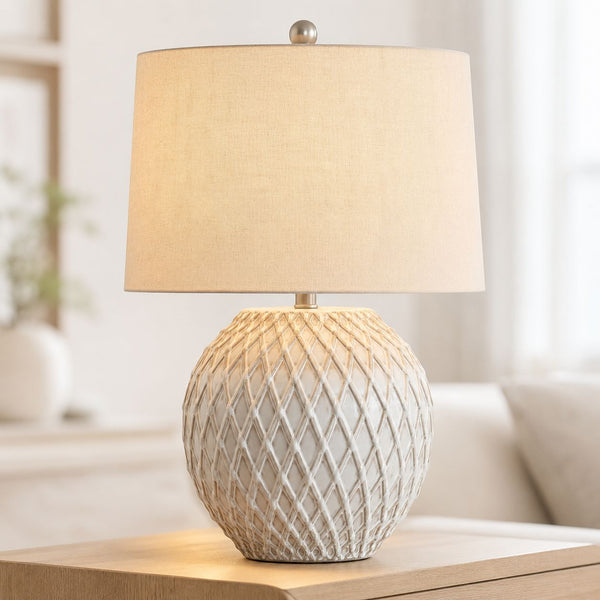
TABLE LAMPS
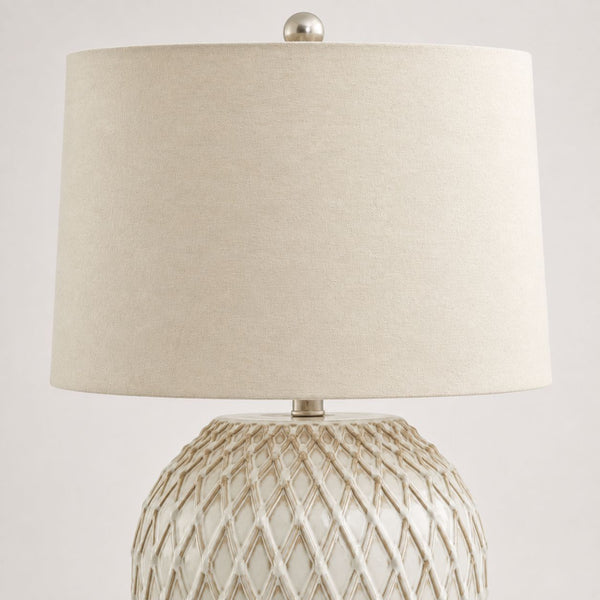
Lattice Ceramic Table Lamp — Cream, Linen Shade
Made in United Kingdom
CreamE27 ES1 lampholder£195In stockView product →



Showing 12 of 52
Buying Guide
Frequently Asked Questions
What is wabi-sabi lighting?
Wabi-sabi lighting uses natural materials that show their own character — concrete, stone, travertine, raw plaster, hand-glazed ceramic, alabaster, rattan and linen — in simple, unornamented shapes. The finish is deliberately imperfect: variation in tone, visible making marks and open grain are part of the design rather than flaws. The light these pieces give is soft, warm and directional rather than bright and even.
How is wabi-sabi different from Japandi lighting?
They overlap heavily and are often shopped together, but Japandi is a broader style built on restraint and balance, and will include ribbed glass, brass and paper. Wabi-sabi is narrower and more tactile — it is specifically about raw, imperfect materials you could identify by touch. Most wabi-sabi pieces are also Japandi; not every Japandi piece is wabi-sabi.
Which bulb should I use in stone, concrete or plaster lights?
Always 2700K warm white, ideally with a colour rendering index of 90 or higher. Cooler lamps make stone, clay and plaster look grey and lifeless, which defeats the purpose of the material. Where the bulb is visible, choose a warm filament LED; where it is hidden inside plaster or ceramic, a frosted LED is fine. Check the maximum wattage on each product page.
Do wabi-sabi fittings give enough light?
Stone, concrete and ceramic are opaque, so these fittings direct light rather than spreading it — a concrete pendant lights the table beneath it well but will not light a whole room. Plan them as part of a layered scheme with a second source, or choose alabaster or linen pieces, which diffuse in every direction, where one fitting has to carry the room.
Will my light look exactly like the photograph?
Close, but not identical. Concrete and stone vary in tone from piece to piece, hand-glazed ceramic carries small kiln marks, and travertine has natural pitting that differs across every cut. Product photographs show a representative piece. This variation is the nature of the material and is not treated as a defect.
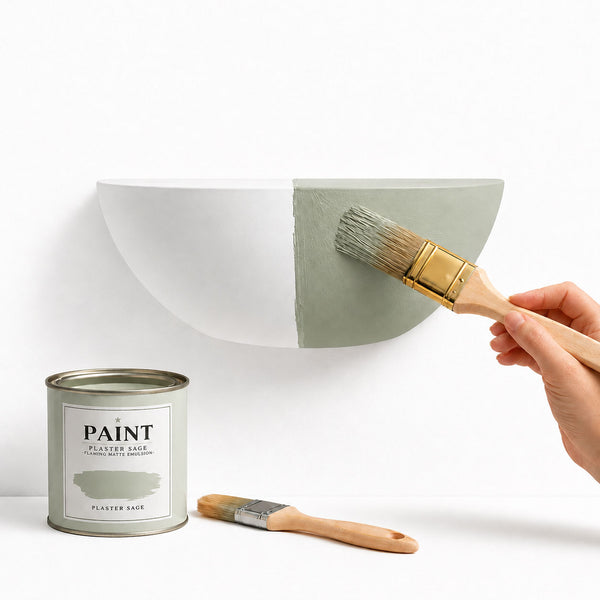
How do I paint a plaster wall light?
Use any standard matt emulsion in your wall colour, applied in two thin coats with a small roller or brush before the fitting is wired in, and leave the inside of the light aperture unpainted. Once painted, the fitting reads as part of the wall and only reveals itself when lit. Do not use gloss or oil-based paint, and never wet-clean raw plaster.
Are concrete and stone pendants heavy to hang?
Heavier than they look. A cast-concrete or stone pendant can weigh several kilograms, so fix into a ceiling joist or use a proper load-rated ceiling fixing rather than relying on plasterboard alone. Each product page lists the weight. Installation of any hardwired fitting should be carried out by a qualified electrician in line with Part P of the Building Regulations.
How do I clean natural-material light fittings?
Dust with a dry microfibre cloth or a soft brush. Raw plaster, unsealed stone and concrete must not be wet-cleaned — moisture marks them permanently. Glazed ceramic can take a barely damp cloth. Rattan should be brushed along the weave and never soaked. In kitchens, dust more often, as grease holds dust in open-textured surfaces.