Shop by Material
Alabaster Lighting
Wall lights, pendants and ring chandeliers in natural alabaster with satin and antique brass. Stone that turns electric light into something closer to candlelight — and no two pieces veined alike.
Filters
6 items
Sort Best selling
-
Signature Signature Small runs, real materials, made to order. The top of the Enso range.
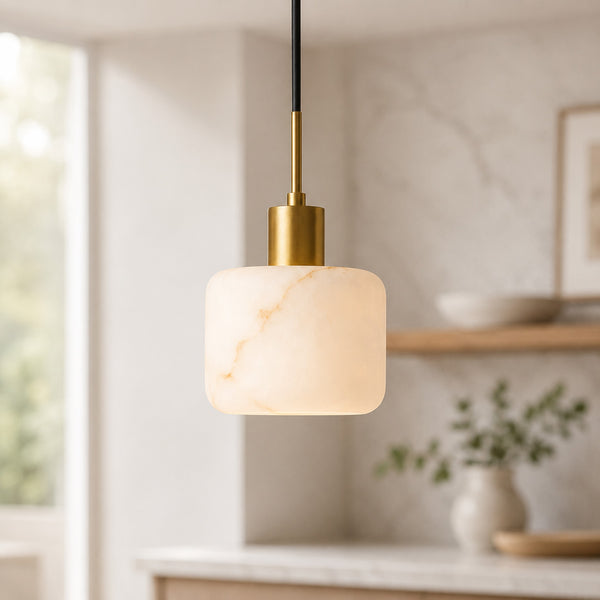
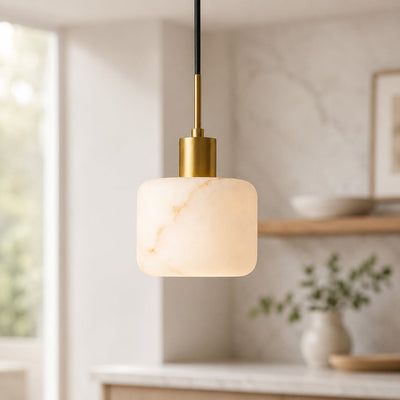
PENDANT LIGHTS
Vela Alabaster Pendant Light — Satin Brass
Made in United Kingdom
Solid BrassE27 ES1 lampholder£270Made to orderView product → -
Signature Signature Small runs, real materials, made to order. The top of the Enso range.
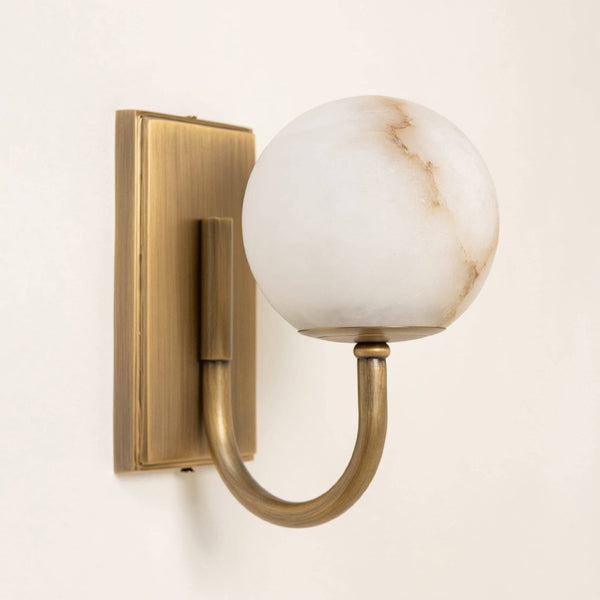
WALL LIGHTS
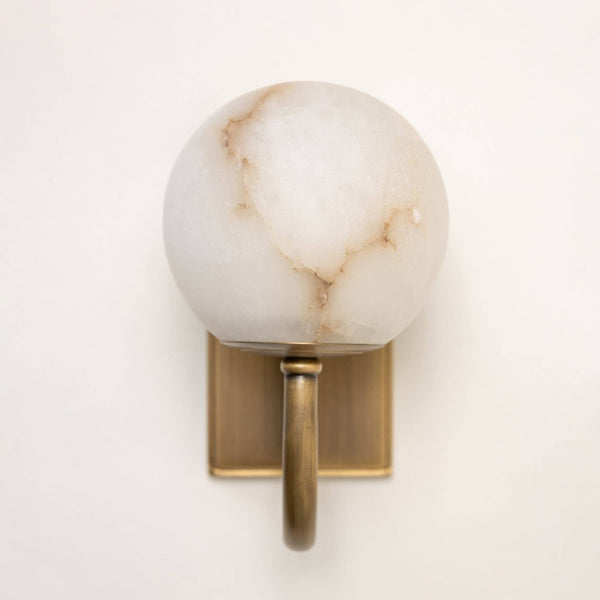
Alabaster Globe Wall Light — Antique Brass
Made in United Kingdom
2 coloursAntique BrassG91 lampholder£185In stockView product → -
Signature Signature Small runs, real materials, made to order. The top of the Enso range.

WALL LIGHTS
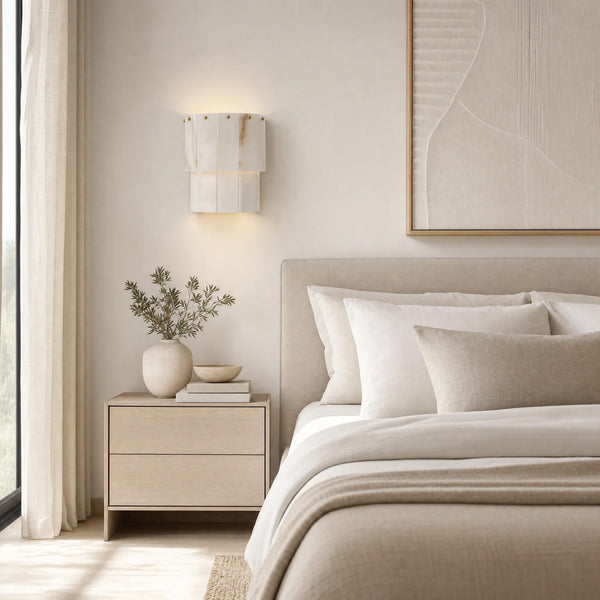
Solara Alabaster Wall Sconce — Satin Brass
Made in United Kingdom
Satin BrassE14 SES2 lampholders£225In stockView product → -
Signature Signature Small runs, real materials, made to order. The top of the Enso range.
WALL LIGHTS
Solara Alabaster Wall Sconce — Antique Brass
Made in United Kingdom
Antique BrassE14 SES2 lampholders£225In stockView product → -
For your first order
10% off your first light
Leave your email and the code arrives straight away.
Then a short email most weeks. Unsubscribe any time. Privacy policy
Thank you
Your 10% code is on its way to your inbox. Any light, 30 days, no minimum.
-
Signature Signature Small runs, real materials, made to order. The top of the Enso range.

CHANDELIERS
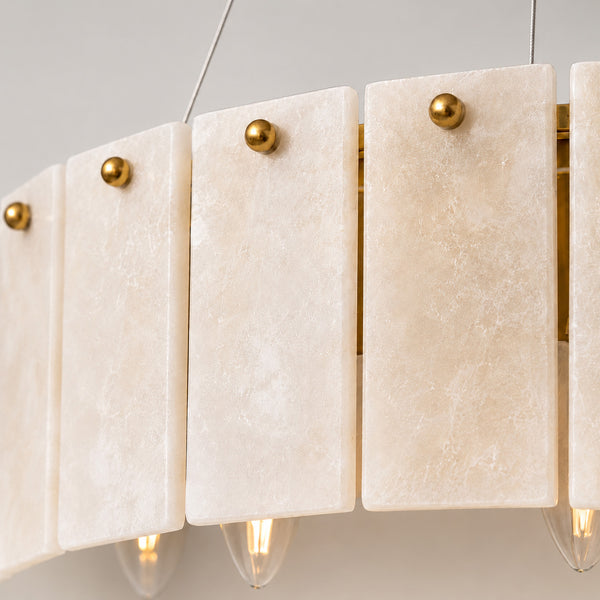
Solara Alabaster Ring Chandelier — Antique Brass
Made in United Kingdom
Antique BrassE14 SES12 lampholders£920In stockView product → -
Signature Signature Small runs, real materials, made to order. The top of the Enso range.

CHANDELIERS
Solara Alabaster Ring Chandelier — Satin Brass
Made in United Kingdom
BrassE14 SES12 lampholders£920In stockView product →
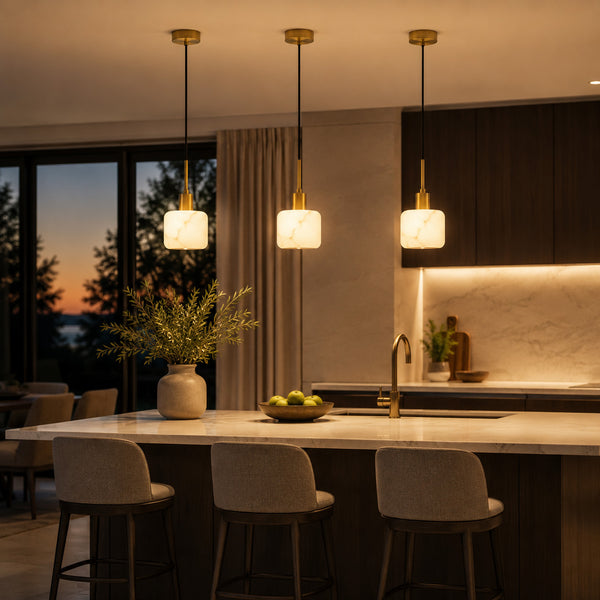



Buying Guide
Frequently Asked Questions
What is alabaster and why is it used for lighting?
Alabaster is a translucent form of gypsum, quarried in slabs and turned or carved into lamp shades. Light passing through it scatters internally before reaching the room, producing a warm glow with no visible source and no glare. It is the closest electric light comes to candlelight, which is why it suits bedrooms, dining tables and any position where a fitting sits in your eyeline.
Will two alabaster wall lights match each other?
Not exactly. Alabaster carries natural cream and honey veining that becomes visible when lit, and no two pieces are identical. If you want a closely matched pair for either side of a bed or a chimney breast, order them at the same time so they come from adjacent stock. Expect them to look like siblings rather than twins — the variation is the reason people choose the material.
What bulb should I use in an alabaster light?
Use 2700K warm white, or 2400K if you can source a good one, with a CRI of 90 or above. Alabaster's own colour is warm cream, so a cooler bulb fights the stone and produces a flat, greyish result. Never exceed the stated maximum wattage: sustained heat against a natural material with internal veining is how hairline cracks begin. LED lamps run cool enough that this is rarely a problem.
How do you clean alabaster light fittings?
Dry only. Use a soft brush or a dry microfibre cloth. Alabaster is softer than marble and porous, so a damp cloth or any cleaning product will stain it permanently. Dust it regularly rather than letting a film build up — dust sitting on a translucent shade is clearly visible the moment the light is switched on.
Is alabaster bright enough to light a room?
Alabaster is an atmosphere material rather than a task one. The stone absorbs a meaningful proportion of the light output, so a single alabaster fitting will not light a kitchen worktop or a desk adequately. Use it as the layer that makes a room feel good and pair it with something more direct — downlights, a task lamp, or a spotlight — where you actually need to see.
Why is alabaster lighting more expensive than glass?
Each shade is machined from quarried stone rather than moulded, to a wall thickness thin enough to transmit light but thick enough not to crack, and the yield from a slab is low because veining and flaws rule out much of the material. The weight also increases shipping and packing costs. You are buying a natural material worked by hand, not a repeatable manufactured part.
Do alabaster pendants and chandeliers need special ceiling fixings?
Yes. A stone shade weighs several times more than its glass equivalent, so alabaster pendants and chandeliers must be fixed into a joist or into a noggin added between joists — plasterboard fixings alone are not adequate. The weight of each fitting is listed in its specification; pass that figure to your electrician before the light arrives so the ceiling can be prepared.
Does alabaster look good when the light is off?
Yes, and this is one of its advantages over glass. Unlit, alabaster reads as a pale chalky stone with a faint depth to it, rather than turning black and reflective the way clear or smoked glass does. That makes it a good choice in a room where the fitting is on show through the day as well as at night.
You might also like