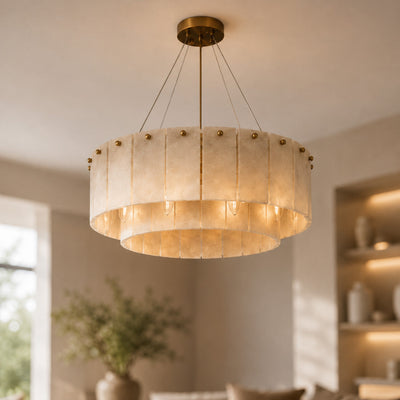
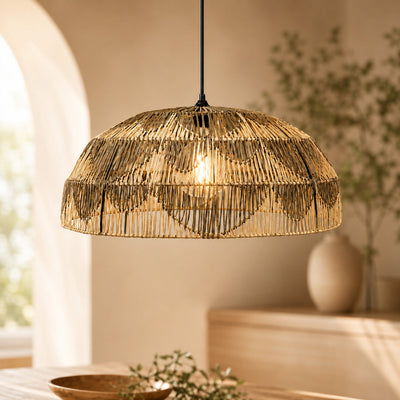
Shop by Finish
Brass Pendant Lights
Antique and satin brass pendants for kitchen islands, dining tables and hallways — ribbed glass, alabaster and antiqued metal, in single drops, drums and linear bars.
Filters
8 items
Sort Best selling
-

PENDANT LIGHTS
Halo 3-Light Ribbed Drum Pendant — Glass, Antique Brass
Antique BrassE14 SES3 lampholders£210In stockView product → -

PENDANT LIGHTS
Solene Ribbed Ceiling Pendant — Glass, Antique Brass
Antique BrassE27 ES1 lampholder£125In stockView product → -
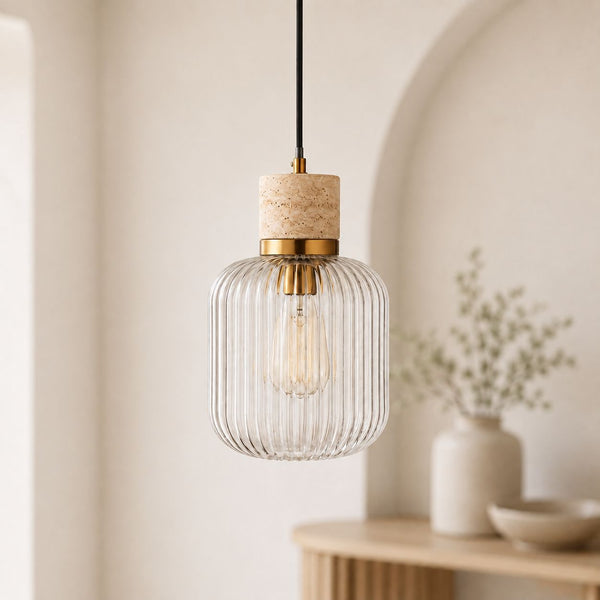
PENDANT LIGHTS
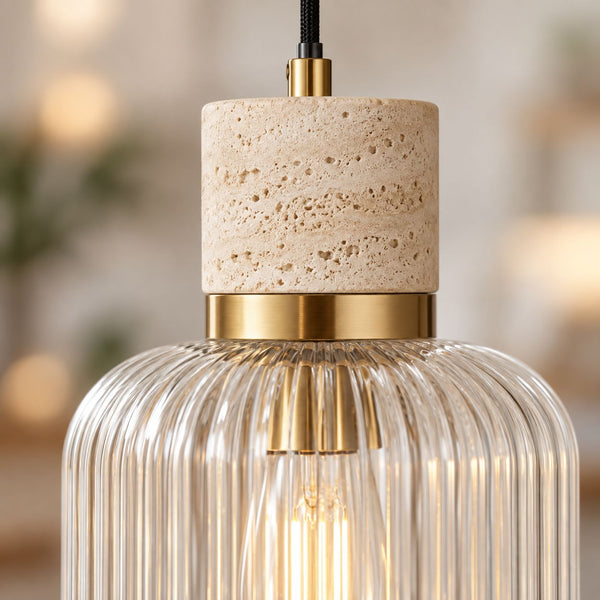
Taverna Ribbed Glass Pendant Light — Travertine & Vintage Brass
Vintage BrassE271 lampholder£145Made to orderView product → -
Signature Signature Small runs, real materials, made to order. The top of the Enso range.
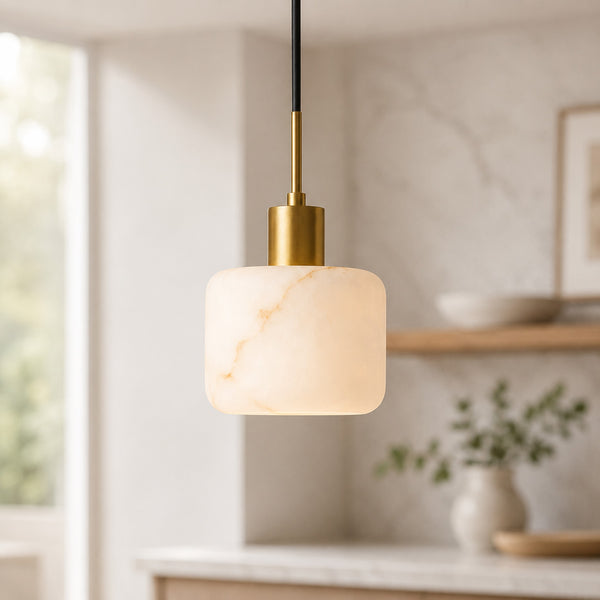
PENDANT LIGHTS
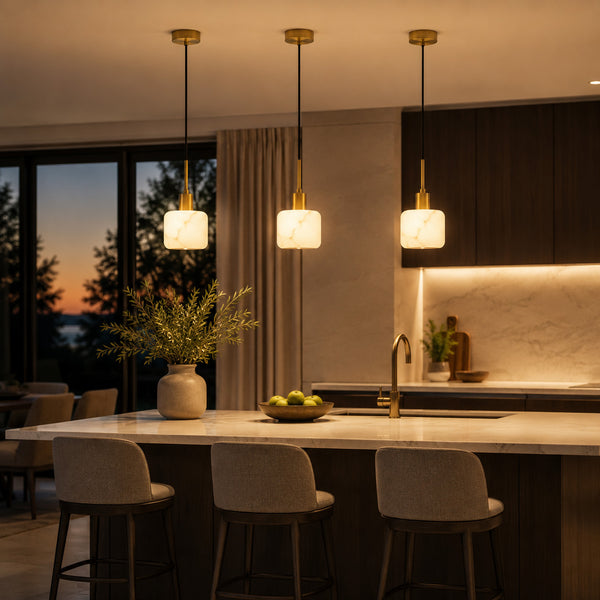
Vela Alabaster Pendant Light — Satin Brass
Made in United Kingdom
Solid BrassE27 ES1 lampholder£270Made to orderView product → -
For your first order
10% off your first light
Leave your email and the code arrives straight away.
Then a short email most weeks. Unsubscribe any time. Privacy policy
Thank you
Your 10% code is on its way to your inbox. Any light, 30 days, no minimum.
-
Signature Signature Small runs, real materials, made to order. The top of the Enso range.
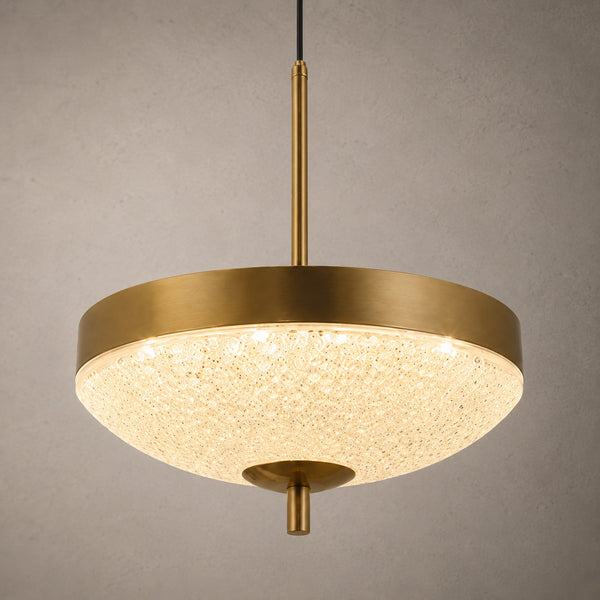
PENDANT LIGHTS
Burkina Antique Glass Pendant Light — Antiqued Metal, 20cm
Made in Turkey
Antiqued MetalIntegrated LED£280In stockView product → -

PENDANT LIGHTS
Halo 4-Light Linear Ribbed Pendant — Glass, Antique Brass
Antique BrassE14 SES4 lampholders£260In stockView product → -

PENDANT LIGHTS
Halo 5-Light Ribbed Drum Pendant — Glass, Antique Brass
Antique BrassE14 SES5 lampholders£240In stockView product → -

PENDANT LIGHTS
Halo Petite Pendant — Glass, Antique Brass
Antique BrassE27 ES1 lampholder£110In stockView product →




Buying Guide
Frequently Asked Questions
How high should a brass pendant hang over a dining table?
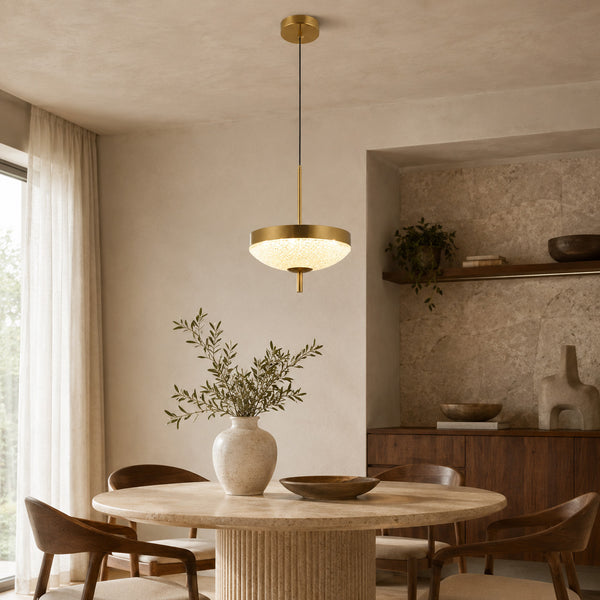
Hang the bottom of the pendant 75 to 90cm above the table top, assuming a standard 2.4m UK ceiling. This clears sight lines across the table while keeping the light on the food rather than the ceiling. For every additional 30cm of ceiling height, add roughly 8cm to the drop. Over a kitchen island, go slightly higher at 75 to 85cm above the worktop, because people stand rather than sit.
How many pendants do I need over a kitchen island?
Allow one pendant per 75 to 90cm of island length: a 1.8m island suits two, a 2.4m island suits three. Space them evenly and leave at least 15cm between the outer pendants and the ends of the island. Odd numbers tend to look more relaxed than even ones. Over a round or square dining table, a single larger pendant is usually better than several small ones.
What size pendant do I need for my dining table?
For a single pendant over a round or square table, choose a shade roughly one third of the table's width — a 120cm table suits a shade around 40cm across. Over a long rectangular table, either use two or three matched pendants spaced evenly, or a single linear bar fitting, which reads calmer in a busy room.
Does brass pendant lighting suit modern kitchens?
Yes, though the finish choice matters. Satin and brushed brass are cooler and more even, and sit comfortably in contemporary kitchens alongside matt black or dark cabinetry. Antique and aged brass lean traditional and work best with oak, painted timber and older houses. Brass pairs particularly well with deep blues and greens, which dominate current British kitchen schemes.
Will a brass pendant light tarnish above a hob or cooker?
Lacquered and plated brass resists tarnishing and needs only a dry cloth, though grease from cooking should be wiped off promptly rather than left to build up. Unlacquered brass will patina faster in a kitchen due to heat and humidity. Avoid hanging any decorative pendant directly above a hob, where extraction airflow and grease make maintenance a constant chore.
What bulb should I use in a brass pendant light?
Use a 2700K warm white bulb with a CRI of 90 or above. Anything cooler than 3000K makes brass read grey and gives the room a clinical feel. Where the bulb is visible through clear glass, a decorative filament LED is worth the small extra cost; behind ribbed, opal or alabaster shades a standard LED is fine as the shade does the diffusing.
Can I shorten the cable on a pendant light?
Most pendant lights ship with an adjustable fabric cable or chain that an electrician can shorten on site to achieve the correct drop. Rod-suspended fittings have a fixed adjustment range, usually achieved by removing sections of rod, so check the stated minimum and maximum drop on the product page before ordering if your ceiling is unusually low or high.
Do heavy pendant lights need special ceiling fixings?
Multi-light pendants and linear bar fittings can weigh several kilograms and must be fixed into a joist or a noggin added between joists — plasterboard fixings alone are not sufficient. The weight is listed in the specification on each product page. If in doubt, ask your electrician to check the ceiling structure before the fitting arrives.