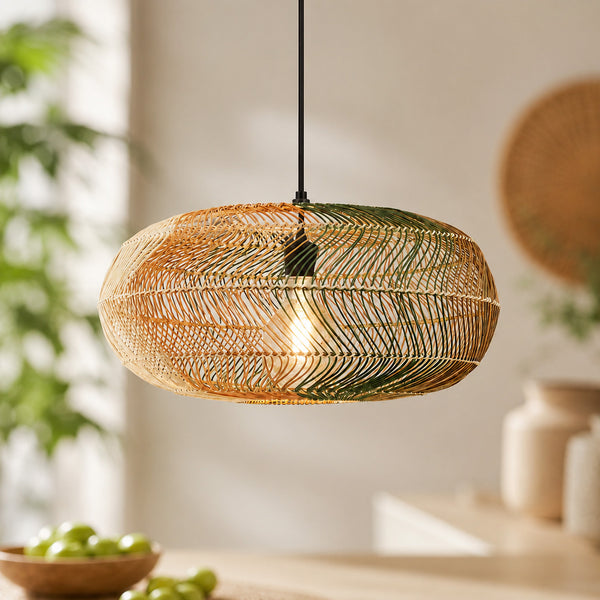
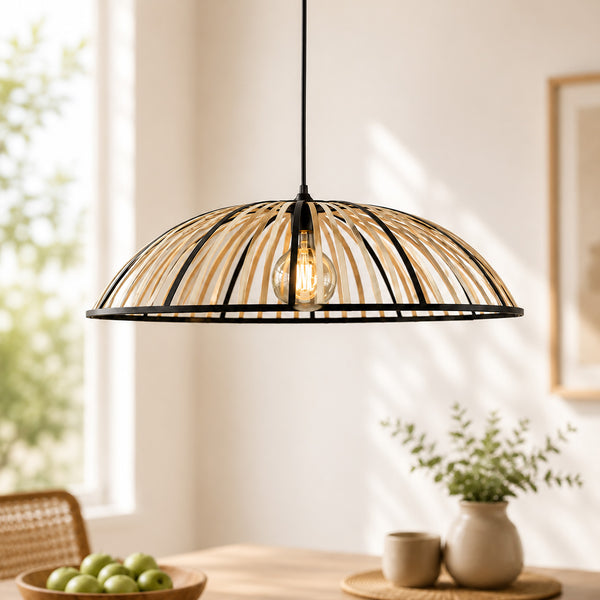
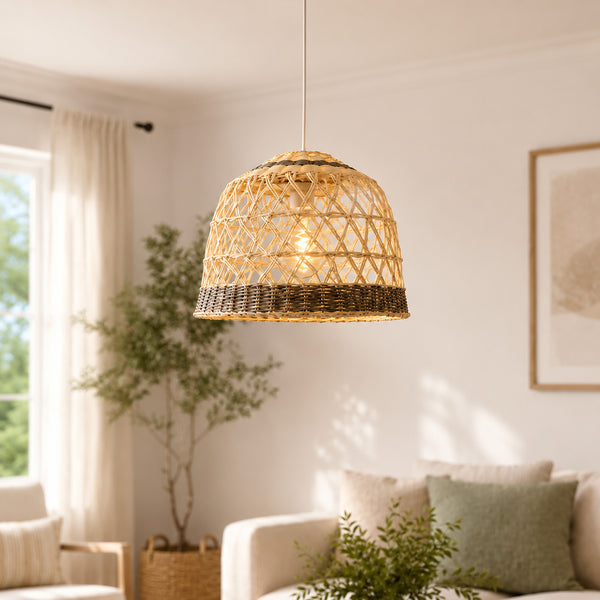
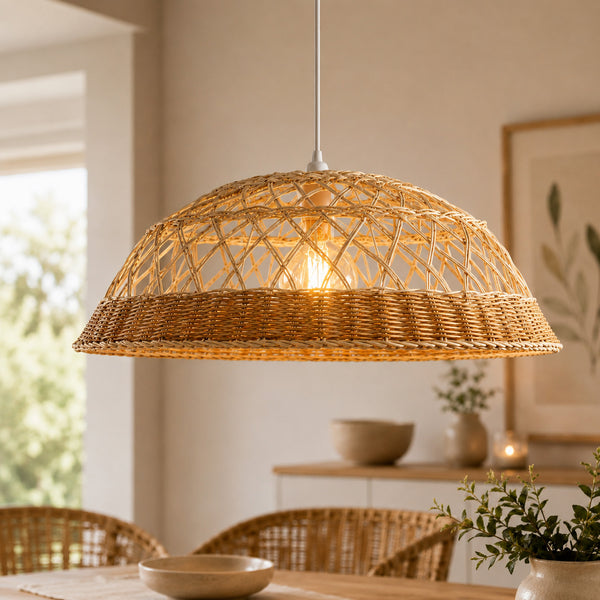
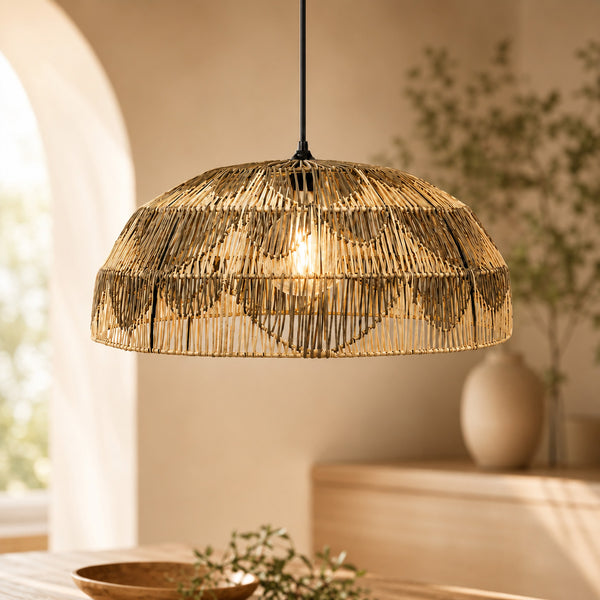
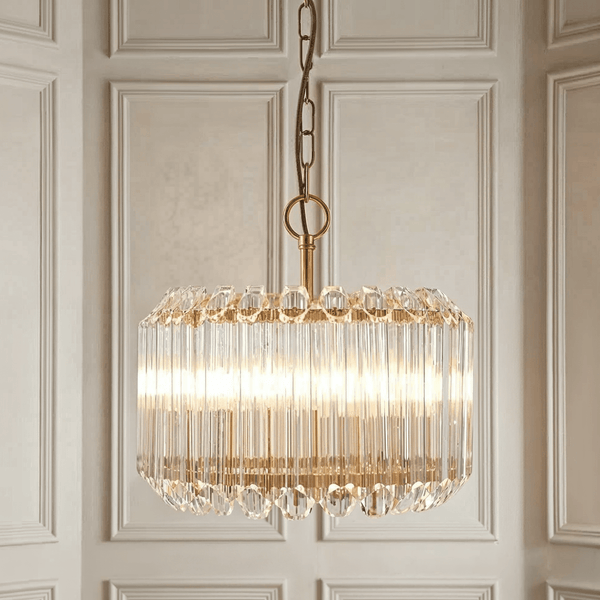
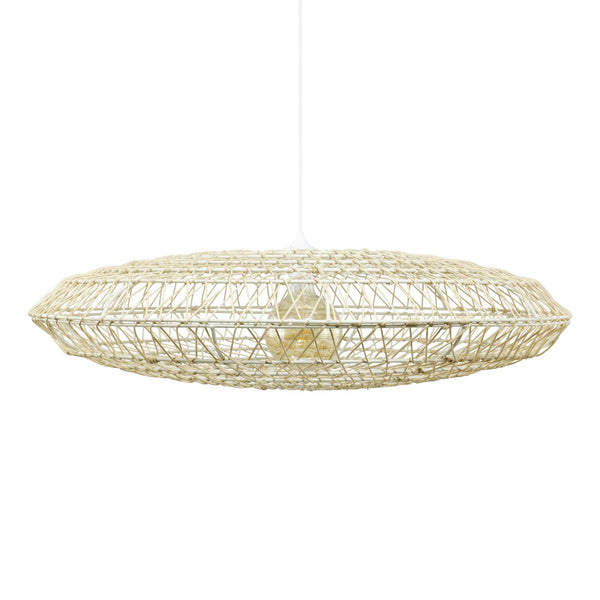
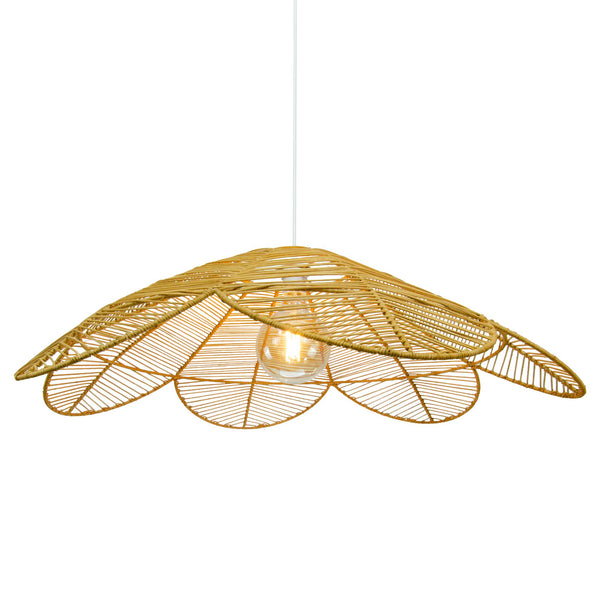
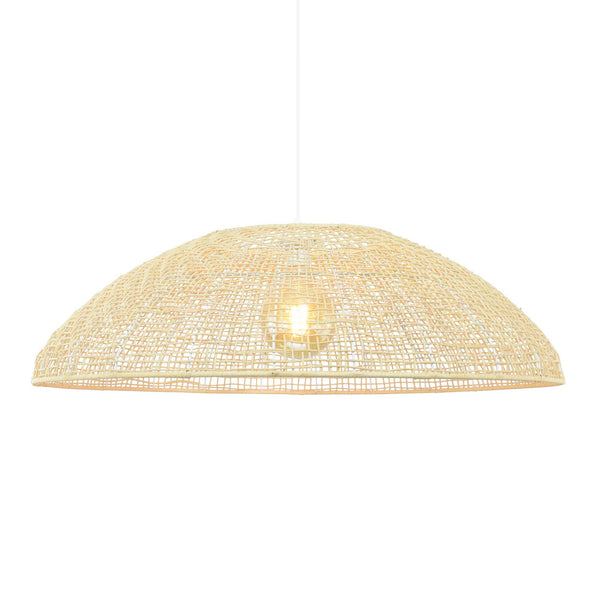
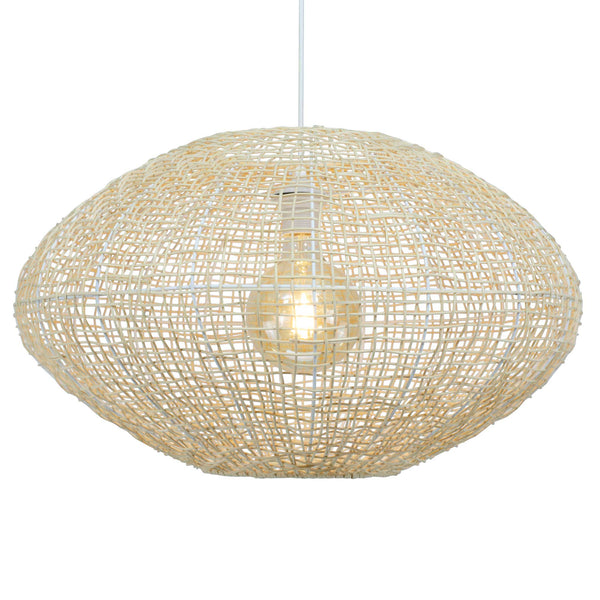
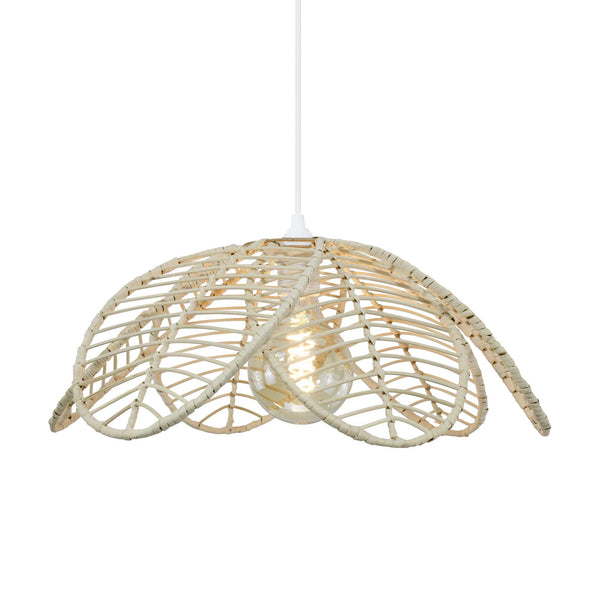
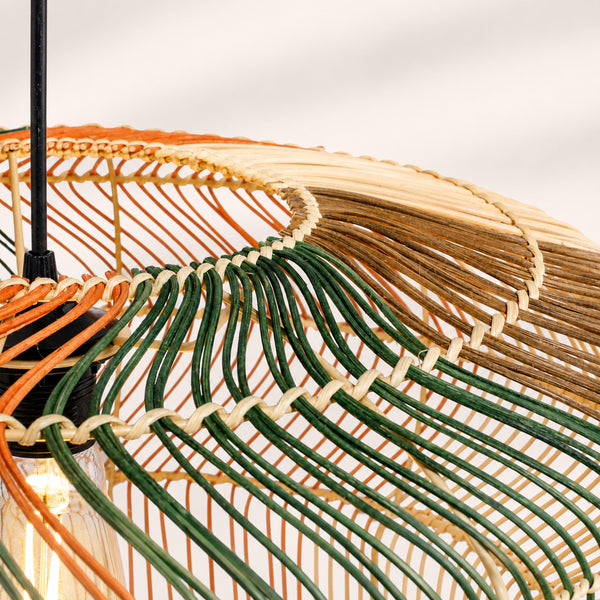
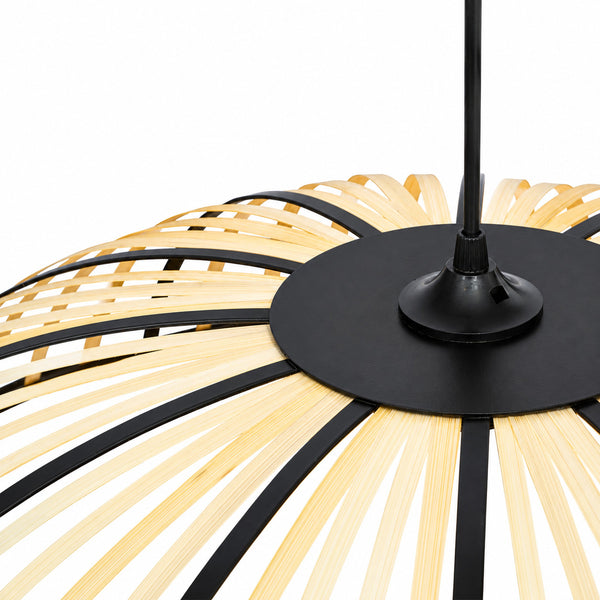
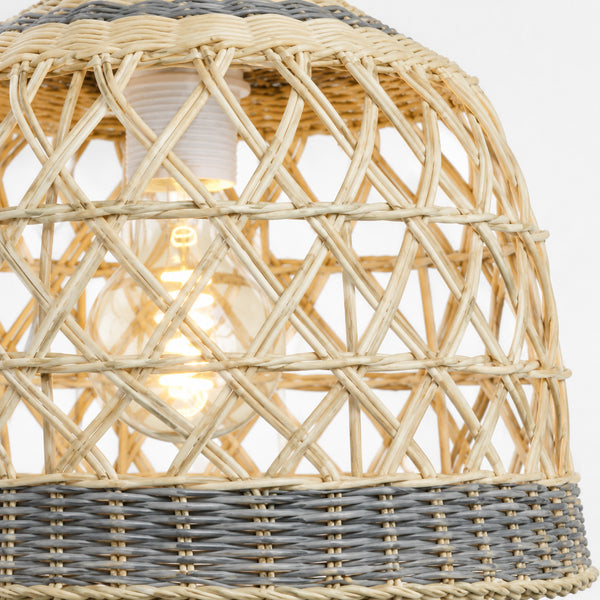
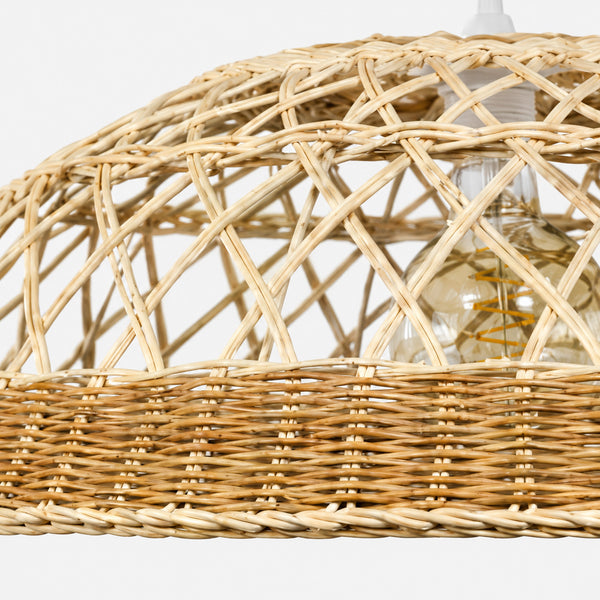
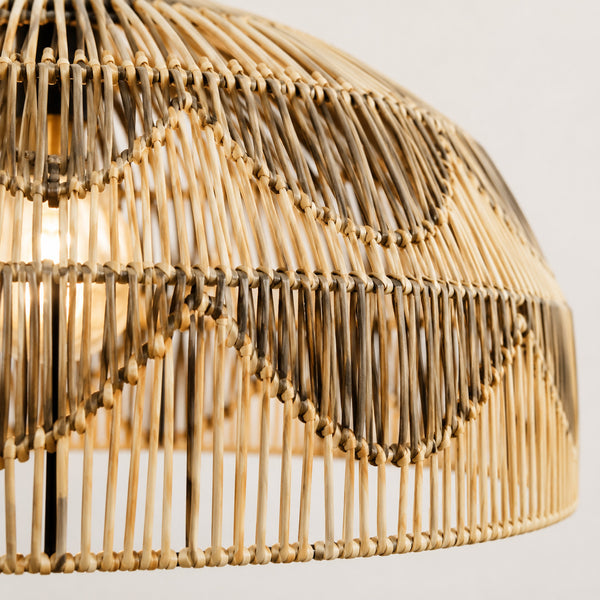
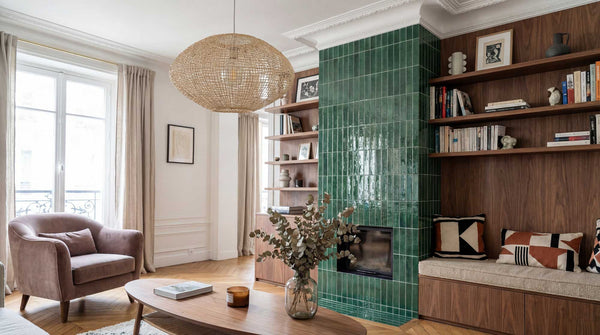
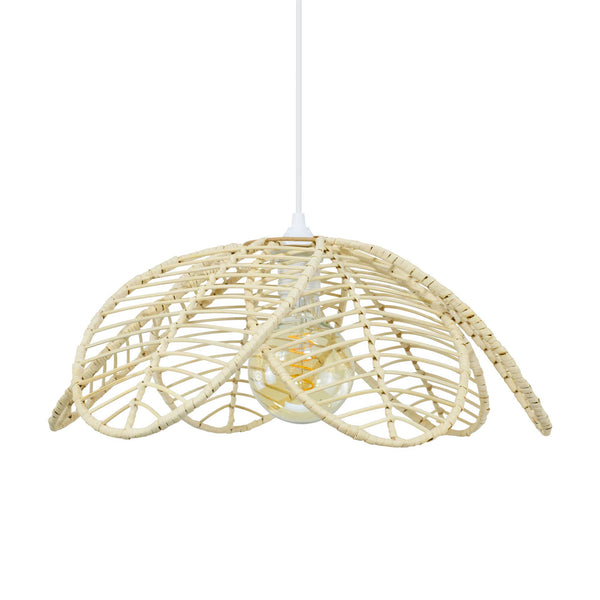
Pendant lights are perhaps the most versatile fixture in home lighting, bridging the gap between purely functional illumination and sculptural statement piece. Suspended from the ceiling by a cord, chain, or rod, they draw the eye downward and create focal points in ways that flush or recessed lighting simply cannot. Whether you're lighting a dining table, kitchen island, bedside, or hallway, pendants offer both task lighting and decorative impact. Getting them right, however, requires careful thought about height, scale, and placement—the difference between a perfectly judged installation and one that feels awkward is often just a matter of centimetres.
Getting the Height Right
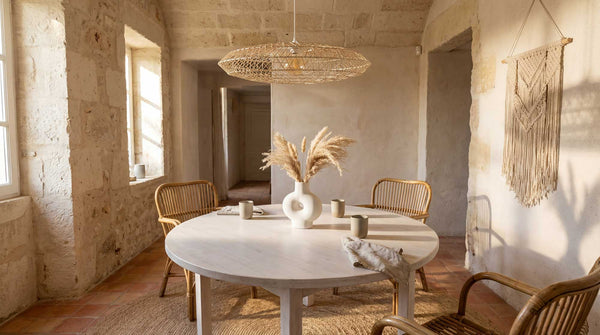
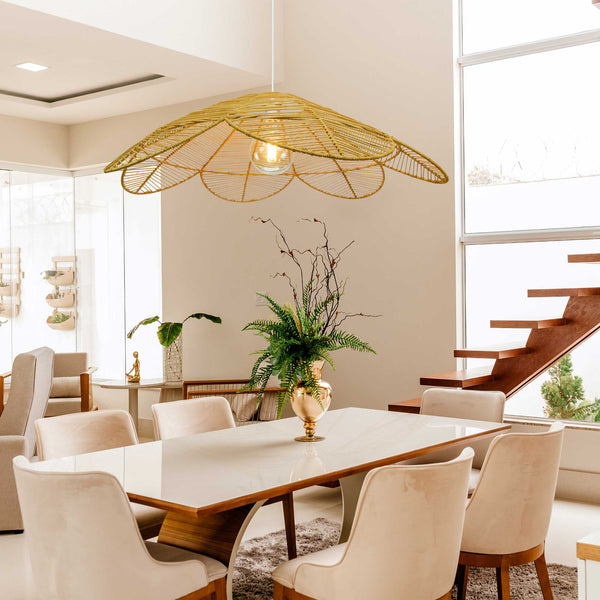
The most common pendant lighting mistake is hanging them too high. When a pendant sits too close to the ceiling, it loses its defining characteristic—that sense of suspension and presence in the room. Over a dining table, aim for 75-85cm above the table surface. This keeps the light source low enough to illuminate faces and food without creating glare or obstructing sightlines across the table. For kitchen islands, 70-80cm above the worktop is the sweet spot, providing task lighting without pendants becoming obstacles as you work.
In living spaces without furniture underneath—say, a pendant in the centre of a room or over a stairwell—you need to think about head clearance. The bottom of the shade should sit no lower than 2.1 metres from the floor in circulation areas. For double-height spaces or above staircases, pendants can hang much lower to fill the vertical volume, but ensure they're still high enough that they don't visually cut the space in half.
Adjustable cable or chain gives you flexibility during installation, but it's worth measuring carefully before you start drilling. Mock up the position with a cardboard cutout or have someone hold the pendant at different heights while you assess from various angles in the room.
Sizing and Scale
A pendant that's too small will get lost in the room. Too large and it dominates in a way that feels oppressive rather than impressive. For dining tables, a good rule is to choose a pendant (or cluster) that's roughly one-third to one-half the width of the table. A 150cm table works well with pendants between 50-75cm in diameter. Kitchen islands often suit either a row of smaller pendants—typically three in a line, spaced 60-80cm apart—or one long linear pendant that runs about two-thirds the island's length.
Ceiling height matters enormously. Standard 2.4-metre ceilings suit compact pendants, generally under 30cm in height. Higher ceilings can accommodate more generous proportions; in a room with 3-metre ceilings, you can comfortably use pendants up to 50cm tall without them feeling oversized. The key is maintaining that relationship between the fixture's visual weight and the volume of space around it.
In terms of light output, consider the room size and purpose. A 3x4-metre dining room needs roughly 1,500-2,000 lumens total. If your pendant takes a single bulb, that's asking a lot from one source. Multiple pendants or a multi-bulb fixture distributes light more evenly and reduces harsh shadows.
Where Pendant Lights Work Best
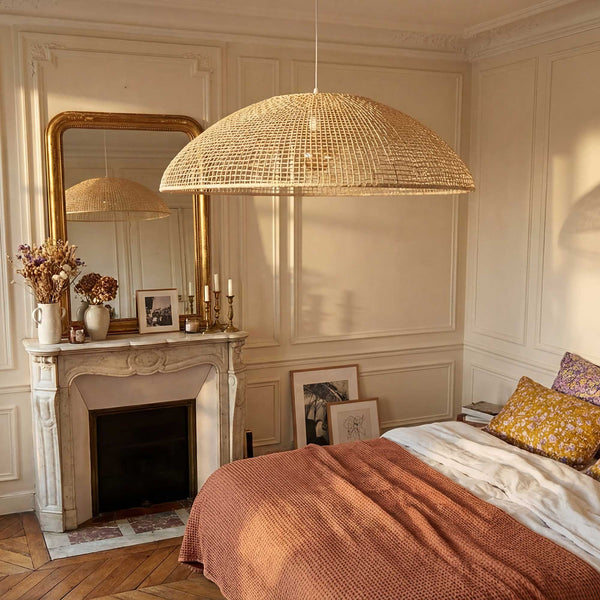
Pendant lights excel anywhere you want to define a zone or provide targeted illumination. Dining rooms are classic territory—the pendant anchors the table and creates intimate lighting for meals. Kitchen islands benefit from the combination of task light and visual rhythm that a row of pendants provides. In bedrooms, pendants flanking the bed replace traditional bedside lamps and free up surface space, though you'll want dimmers fitted for reading versus ambient light.
Hallways and landings suit pendants beautifully, particularly in period homes where a central ceiling rose calls for something more decorative than a flush fitting. Bathrooms require IP-rated pendants if you're hanging them in zones 1 or 2 (above the bath or shower), but they work well over freestanding baths outside these zones. Even in living rooms, a pendant can replace or supplement floor and table lamps, especially over a coffee table or reading nook.
Less successful: very low-ceilinged spaces under 2.2 metres, where a flush or semi-flush mount makes more sense, and rooms where you need broad, even illumination across the entire space—pendants create pools of light rather than overall brightness.
Bulbs, Dimming, and Installation
Most modern pendants accept standard Edison screw (E27) or bayonet (B22) bulbs, giving you flexibility with LED, halogen, or decorative filament bulbs. Check whether the shade is open or closed—exposed bulbs in metal or glass shades look best with filament-style LEDs that have visual appeal, while closed shades suit standard frosted LEDs. Always fit a dimmer switch if possible; the ability to adjust light levels transforms how you use the space throughout the day.
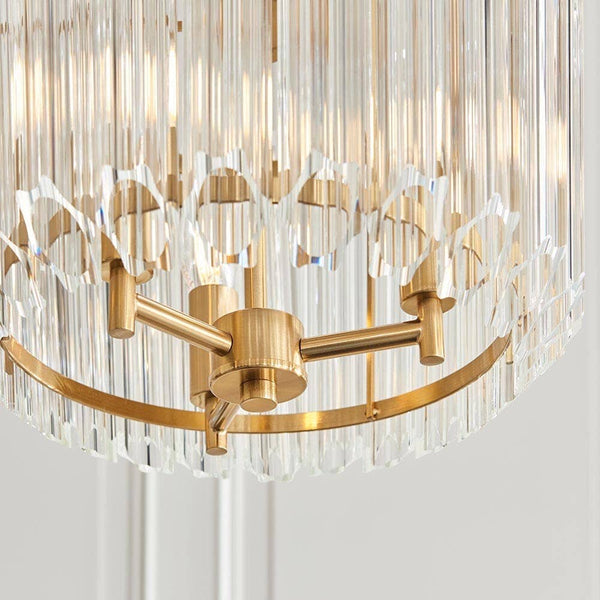
Installation requires basic electrical knowledge or a qualified electrician. The weight of larger pendants may need additional ceiling support beyond a standard lighting rose, particularly for heavy glass or multi-arm designs. If you're replacing an existing ceiling light, it's usually straightforward, but new positions mean chasing cables through ceilings—factor this into your budget.