
Shop by Room
Bedroom Lighting
Bedrooms want less light than people think. The biggest mistake is a bright overhead — it works against everything a bedroom is meant to do. The pieces here favour bedside lamps, low wall sconces, and softer pendants on dimmers. Warmer bulbs (2700K, sometimes warmer), kept low in the evening, help signal to the body that the day is winding down.
Filters
3 items
Sort Most relevant
-
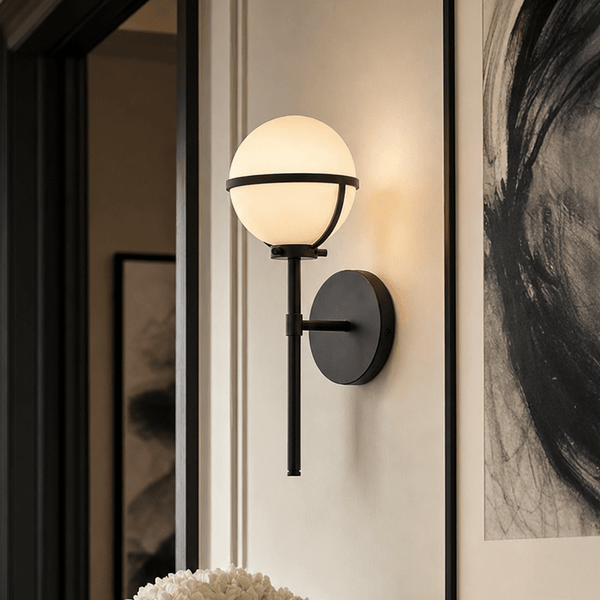
WALL LIGHTS
Nancy Orb Bathroom Wall Light — Black, Frosted Glass
Sculptural elegance for steamy sanctuaries
Matt BlackE14 SES1 lampholder£149In stockView product → -
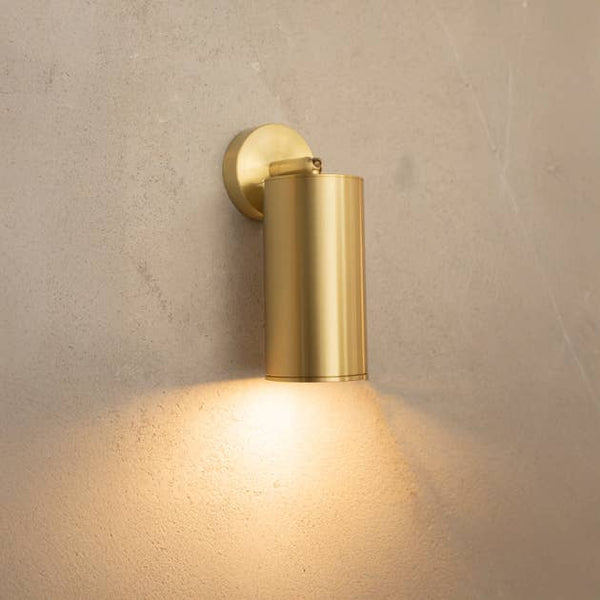
WALL LIGHTS
Ravenna Single Adjustable Wall Sconce — Antique Brass
Timeless brass for hallways and nooks
Antique BrassGU101 lampholder£129In stockView product → -
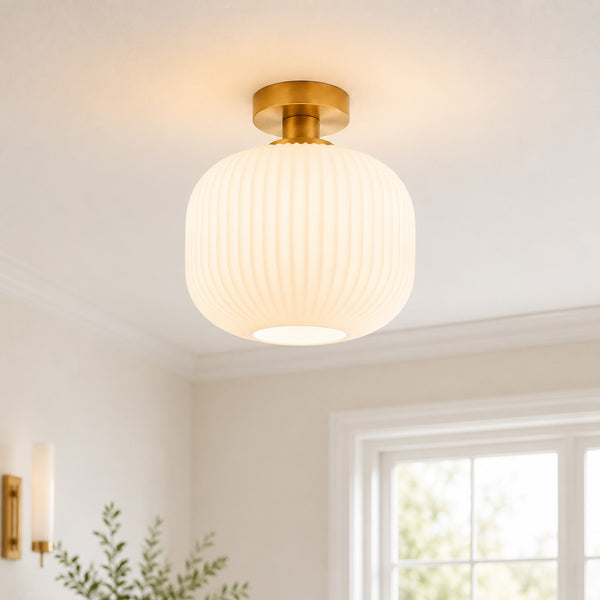
BATHROOM LIGHTING
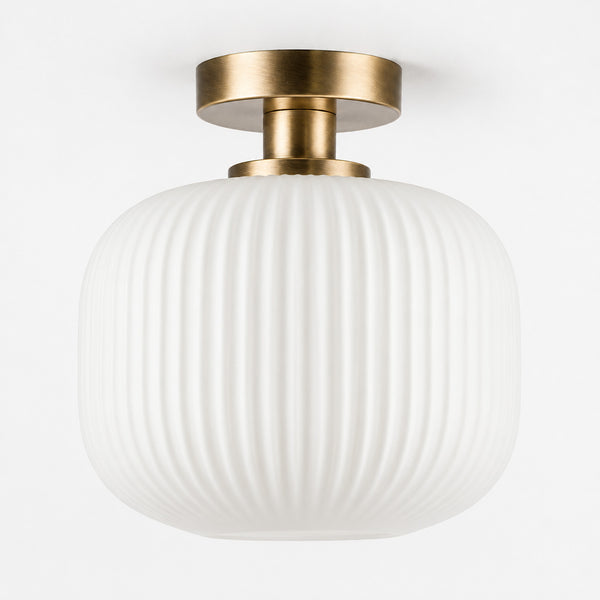
Rivoli Ribbed Ceiling Light — Glass, Antique Brass
Ribbed glass warmth for steamy sanctuaries
BrassE27 ES1 lampholder£60In stockView product →
Buying Guide
Frequently Asked Questions
What are the three types of bedroom lighting I should layer together?
A proper bedroom lighting scheme combines ambient lighting (ceiling pendants or flush mounts for general illumination), task lighting (bedside table lamps or wall-mounted reading lights, ideally 400-700 lumens per side), and accent lighting (picture lights or subtle LED strips). This layering approach allows you to adjust lighting for different activities like dressing, reading, or relaxing. Aim for all circuits to be dimmable for maximum flexibility.
Do I need an electrician to install bedroom ceiling lights under UK Building Regulations?
Under Part P of the Building Regulations in England and Wales, replacing an existing ceiling light on a like-for-like basis is generally non-notifiable and can be done by a competent person. However, installing new circuits, adding additional lights, or work in rooms with special locations requires either a registered Part P electrician or notification to Building Control. In Scotland, almost all electrical work must be done by a registered electrician.
What height should bedside wall lights be mounted for reading in bed?
Bedside wall lights should typically be mounted 120-150cm from the floor (approximately 40-60cm above your mattress height) with the bottom of the shade at roughly shoulder height when sitting up in bed. This positions the light source correctly for reading without causing glare. Adjustable swing-arm wall lights offer the most flexibility if ceiling heights or bed sizes vary.
Can I use smart bulbs in bedroom lights or do I need special fittings?
Most bedroom lights with standard E27 (Edison screw) or B22 (bayonet) fittings work perfectly with smart bulbs from Philips Hue, LIFX, or other brands. The main consideration is ensuring any existing dimmer switches are removed or replaced with standard switches, as traditional dimmers conflict with smart bulb technology. For GU10 spotlights or E14 (small screw) fittings, check smart bulb availability is more limited but options do exist.
What IP rating do bedroom lights need in the UK?
Standard bedrooms require no minimum IP rating, so IP20 (basic protection against solid objects only) is perfectly adequate for ceiling lights, pendants, and bedside lamps. The only exception is if you have an en-suite bathroom within the bedroom where zones may extend into the bedroom space, in which case lights within 60cm of a bath or shower require IP44 minimum.
Should bedroom ceiling lights be on the ceiling rose or connected directly to the mains?
Most UK homes have ceiling roses with loop-in wiring and a BESA box for mounting, which is the standard for bedroom ceiling lights under 5kg. Heavier chandeliers or multi-arm fixtures may require the ceiling rose to be replaced with a reinforced mounting block anchored to a joist. Always check the manufacturer's weight specification and ensure your ceiling can support it, particularly in older properties with lath and plaster ceilings.
What colour temperature works best for bedroom lighting?
Bedrooms benefit from warm white bulbs between 2700K-3000K, which create a relaxing atmosphere and don't interfere with melatonin production before sleep. Avoid cool white (4000K+) in bedrooms as the blue-toned light can disrupt sleep patterns. If you want flexibility, consider tuneable smart bulbs that let you shift from energising cooler tones for morning dressing to warm tones for evening wind-down.