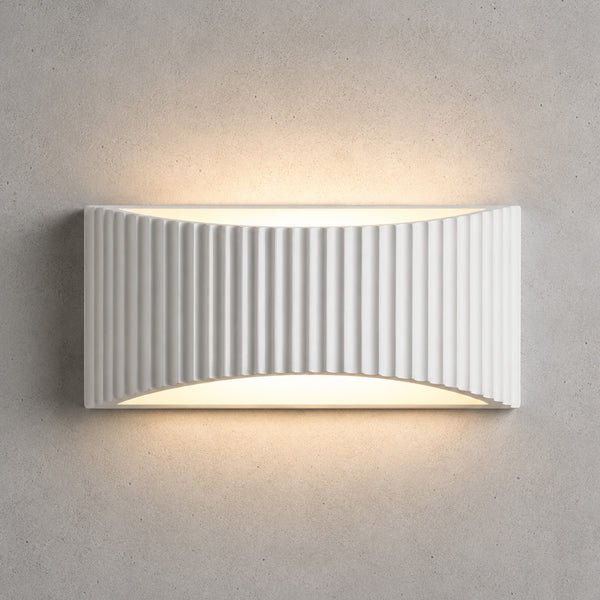
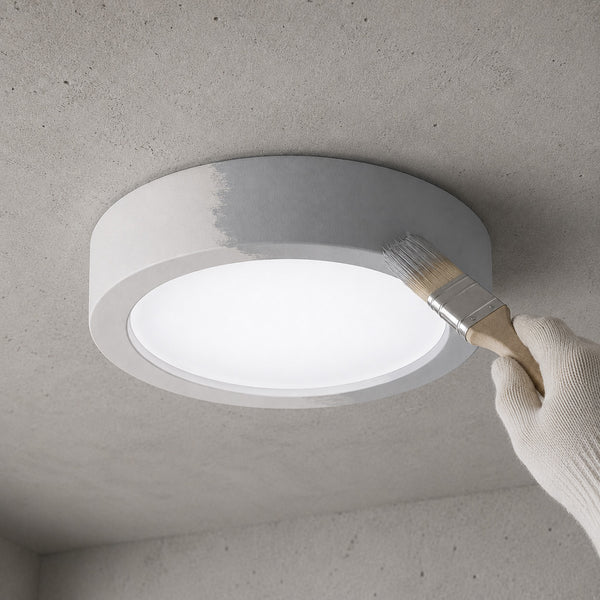
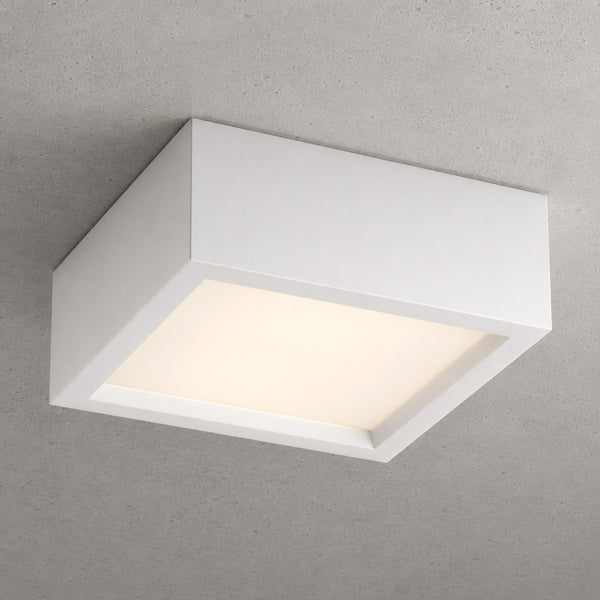
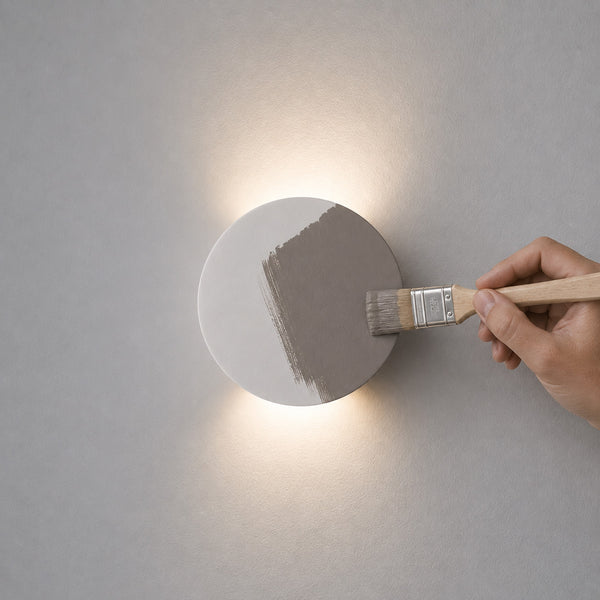
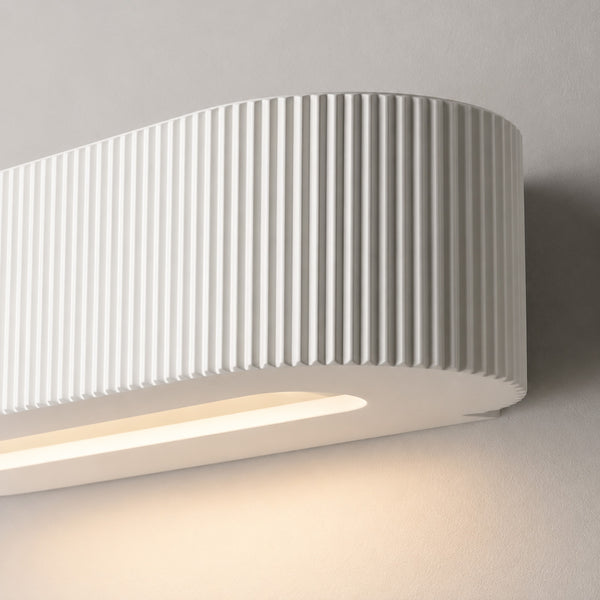
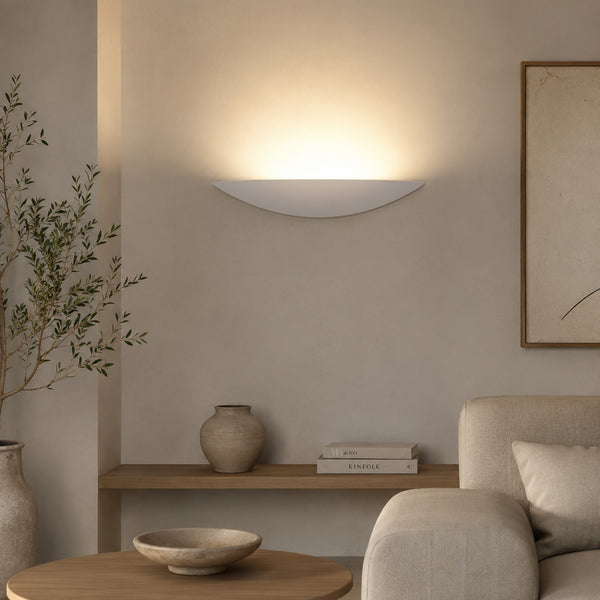
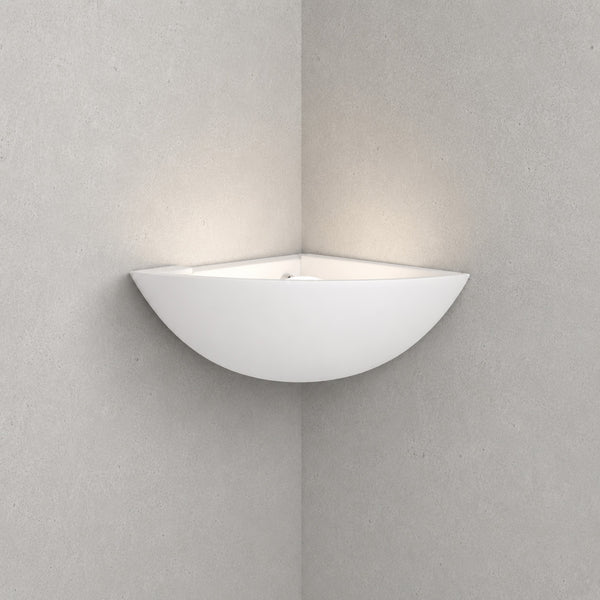
Bedroom lighting is about more than visibility—it's about creating a space that supports rest, intimacy, and calm. Unlike kitchens or bathrooms where task lighting dominates, bedrooms need a carefully balanced mix of ambient, accent, and functional light that can shift from energising mornings to restful evenings. The fixtures you choose set the mood as much as your bedding or wall colour, and getting the balance right makes the difference between a room that feels like a sanctuary and one that never quite settles.
Layering Light for Different Bedroom Activities
The single biggest mistake in bedroom lighting is relying on one central ceiling light. Bedrooms are multi-functional spaces—you're getting dressed, reading, winding down, sometimes working—and each activity needs different light levels and direction. A proper lighting scheme includes at least three layers:
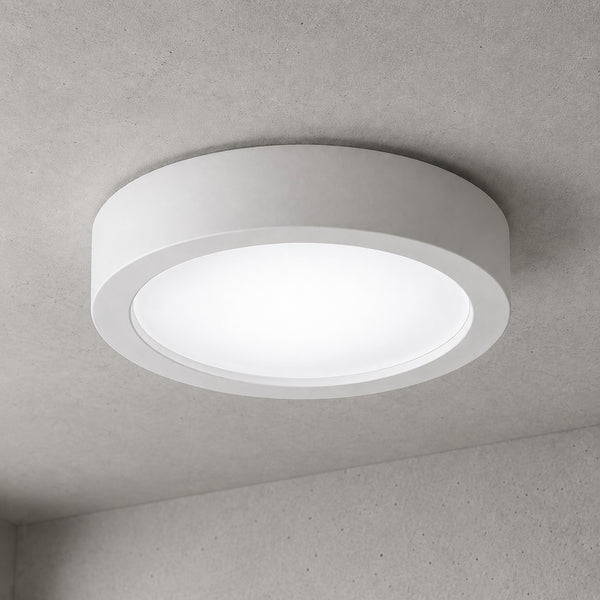
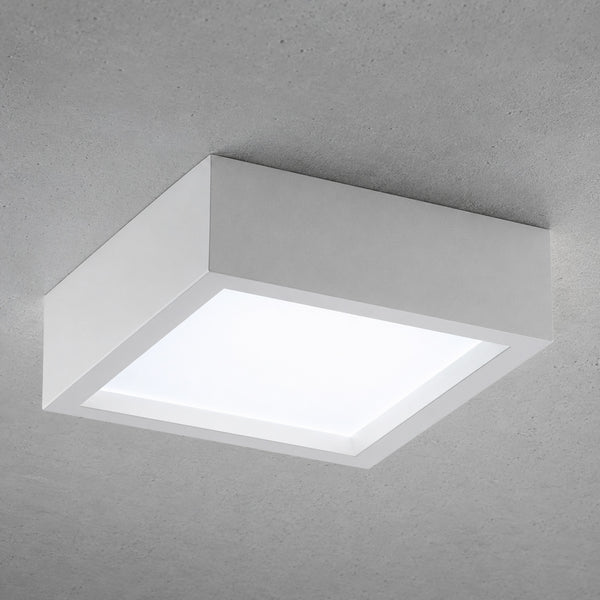
- Ambient lighting from a ceiling fixture (pendant, chandelier, or flush mount) provides overall illumination. In bedrooms with ceilings above 2.4m, a pendant works beautifully. Below that, choose a flush or semi-flush to avoid head clearance issues.
- Task lighting for reading and getting ready. Bedside lamps or wall-mounted reading lights should be positioned so the bottom of the shade sits roughly 60-70cm above the mattress—high enough to direct light onto your book without glare in your eyes.
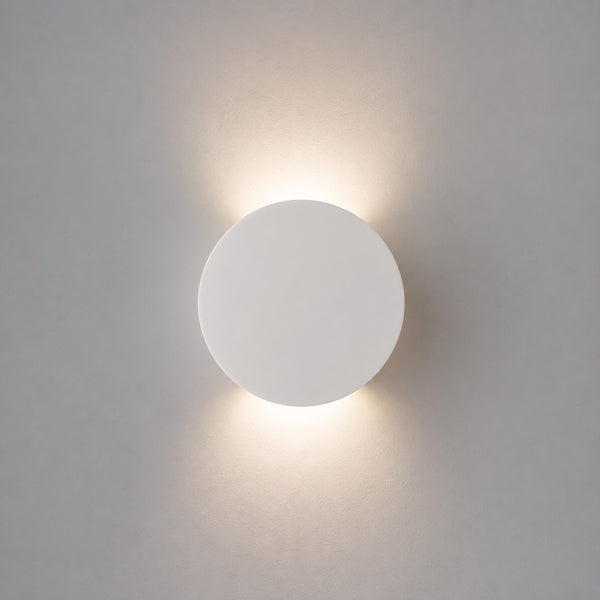
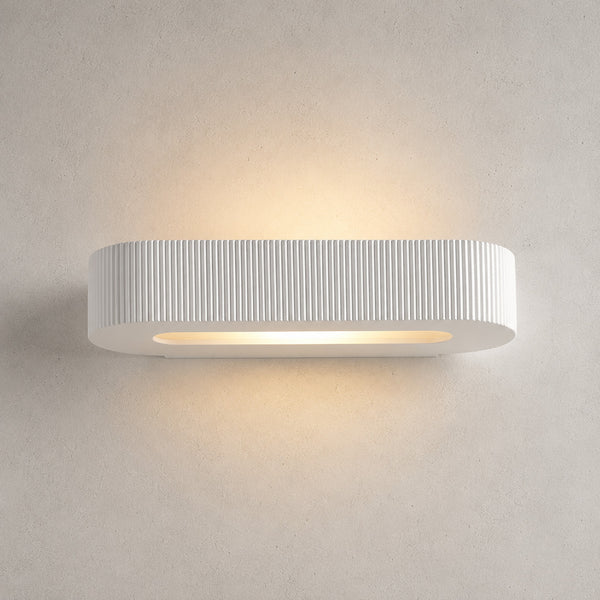
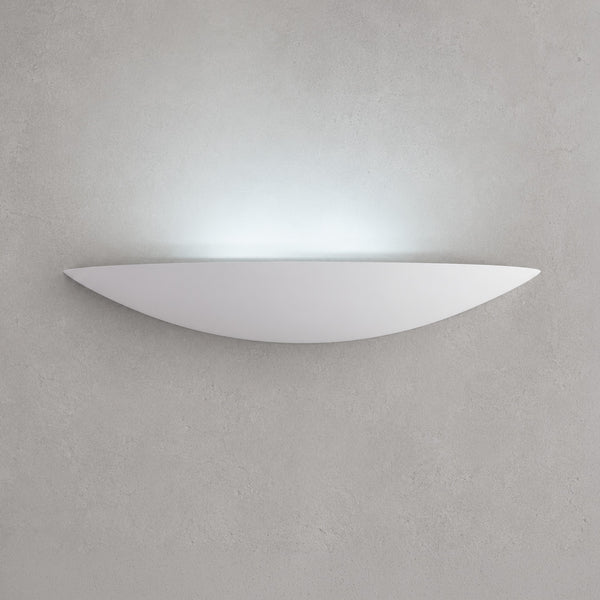
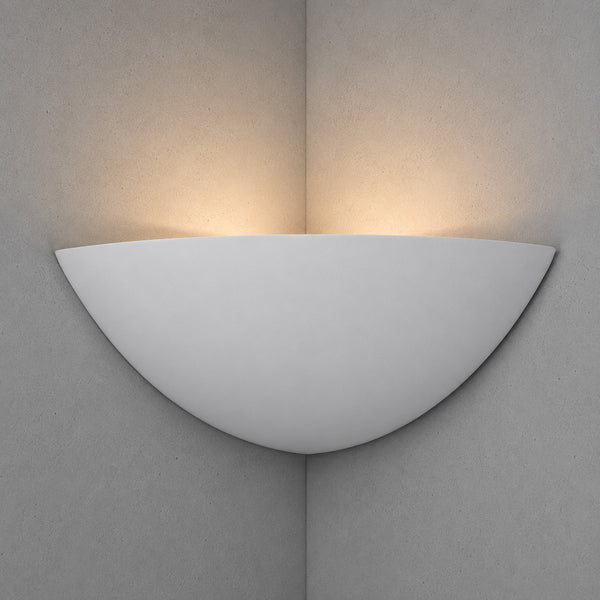
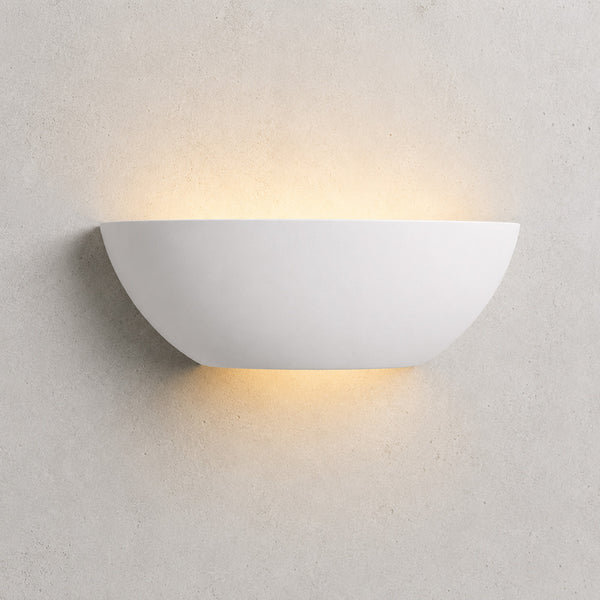
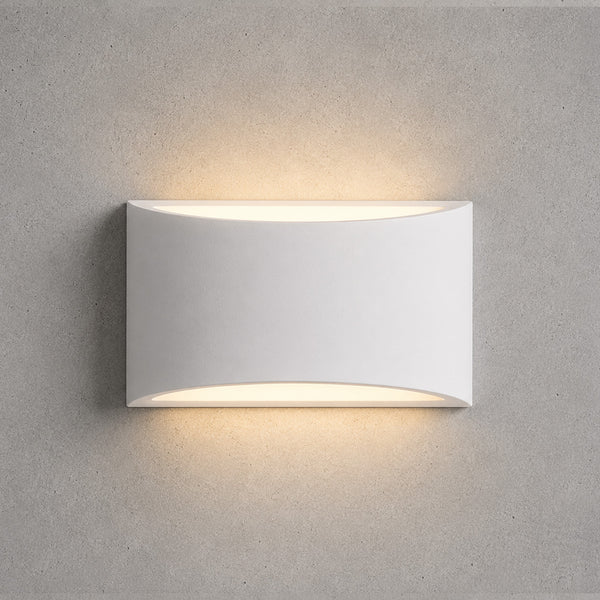
- Accent lighting to add depth and atmosphere. Picture lights, LED strips behind headboards, or low-level floor lamps create visual interest and allow you to keep the room softly lit without reaching for the main switch.
All three layers should be on separate circuits or switches. The ability to control each independently is what transforms functional lighting into something that actually supports how you live. Adding dimmers to every circuit is non-negotiable—it costs little during installation but changes everything about how the room feels at different times of day.
Choosing the Right Bedroom Fixtures
For central ceiling lights, scale matters. In a small bedroom (under 12 square metres), a pendant or flush mount around 30-40cm in diameter works well. Medium bedrooms (12-18 square metres) can handle 40-50cm fixtures, while larger master bedrooms accommodate statement pieces up to 60cm or even chandeliers with multiple arms. If you're hanging a pendant over a king-size bed, position it centrally in the room rather than directly over the bed itself—it creates better visual balance and avoids the claustrophobic feeling of something looming overhead.
Bedside lighting is where personality enters. Table lamps offer flexibility and are easy to swap out, but they consume valuable bedside table space. Wall-mounted swing-arm lamps or hardwired reading lights free up surface area and look increasingly popular in contemporary bedrooms. If you're renovating, consider running cables for wall lights even if you start with table lamps—retrofitting later means chasing walls or visible cable management.
For pendant height above bedside tables (replacing traditional lamps), hang the fixture so the bottom sits 40-50cm above the table surface. Any lower and it obstructs views across the bed; any higher and the light becomes less useful for reading.
Avoiding Common Bedroom Lighting Mistakes
Colour temperature deserves careful thought in bedrooms. Cool white bulbs (4000K+) might feel crisp and modern, but they suppress melatonin production and make winding down harder. Stick to warm white (2700-3000K) for all bedroom fixtures. The slight amber cast feels restful and flattering—particularly important if you have a dressing area or vanity in the bedroom.
Placement of mirrors and reflective surfaces interacts directly with your lighting. A mirror opposite a bright ceiling fixture doubles the glare. Position mirrors where they'll catch and spread softer light sources instead—a table lamp's glow or natural daylight from a window.
Don't ignore the inside of wardrobes and cupboards. Battery-powered LED strips or automatic sensor lights cost very little but make getting dressed significantly easier, especially during darker months when you're choosing clothes before sunrise.
Bulb Choice and Dimming
LED bulbs have matured significantly, but not all dim smoothly. If you're installing dimmers, check compatibility between your dimmer switch and bulb type—mismatched combinations cause flickering or limited dimming range. Look for bulbs specifically marked as dimmable, and where possible, choose trailing-edge dimmers rather than leading-edge for smoother, quieter performance with LEDs. For bedrooms, 400-600 lumens per bedside light and 1500-2500 lumens for central ambient fixtures provides adequate light without harshness.