
Shop by Room
Garden & Outdoor Lighting
Wall lights, lanterns and post lights designed for the elements. IP44, IP65 and made to weather a British winter.
Filters
4 items
Sort Most relevant
-
OUTDOOR LIGHTING
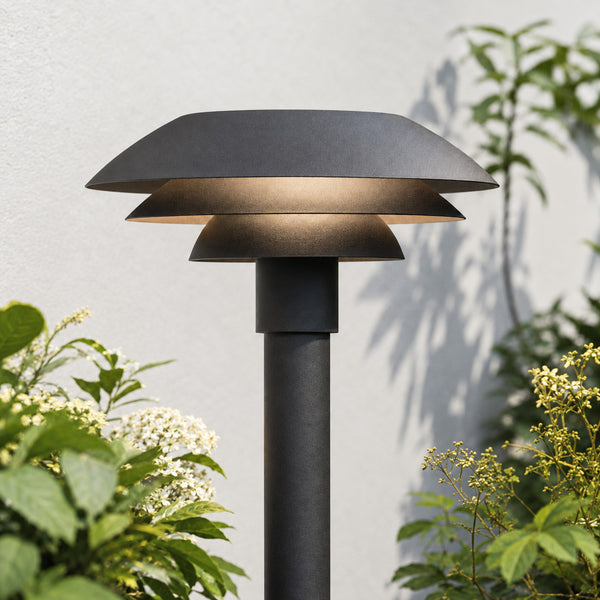
DL20 Outdoor Path Light — Matt Black, 80cm
Guide the way through evening gardens
Matt BlackG91 lampholder£81 £93In stockView product → -
OUTDOOR LIGHTING
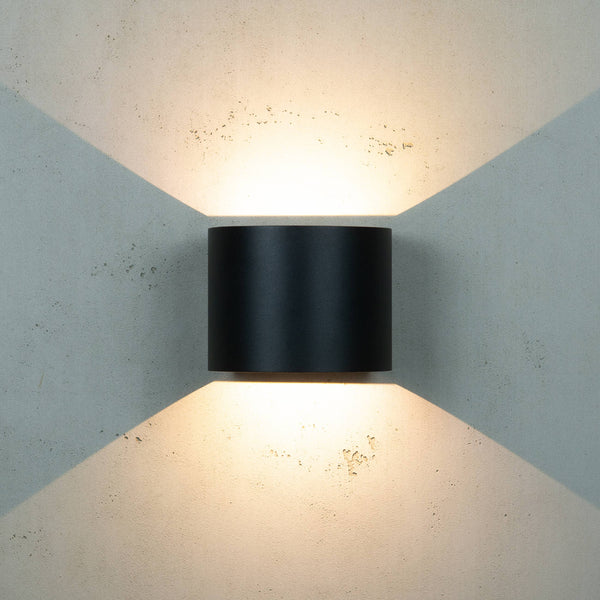
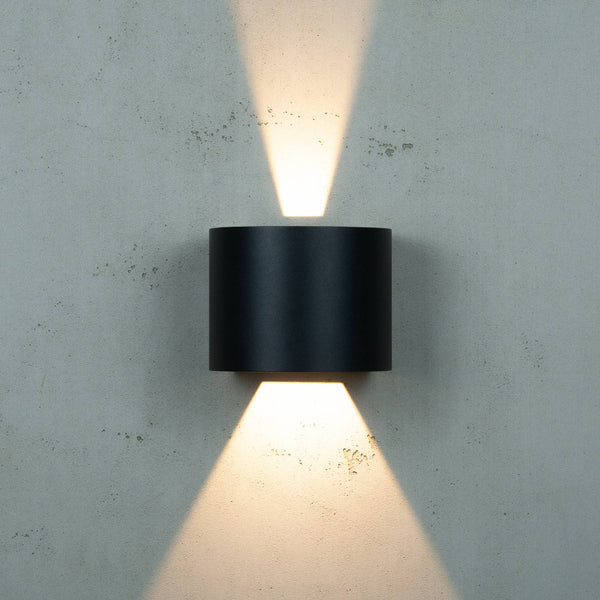
Mars Outdoor Wall Light — Matt Black, Up & Down LED
Bold lines that frame your entryway
Matt BlackIntegrated LED1 lampholder£59 £67In stockView product → -
OUTDOOR LIGHTING
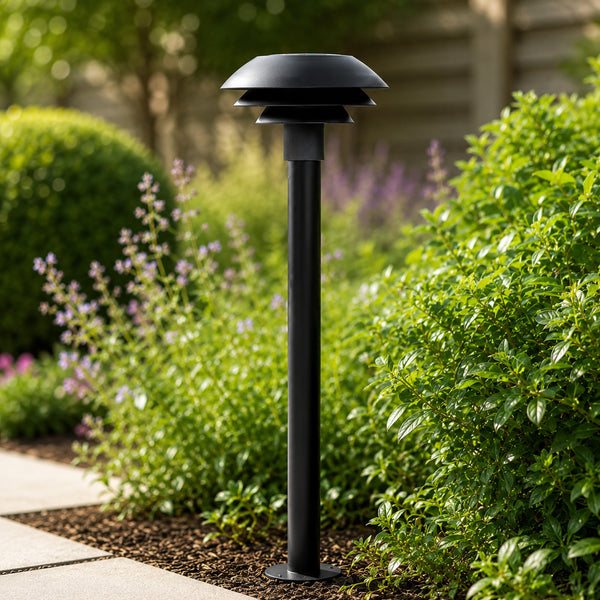
DL31 Outdoor Path Light — Matt Black, 100cm
Guide the way through evening gardens
Matt BlackE27 ES1 lampholder£103 £119In stockView product → -
OUTDOOR LIGHTING
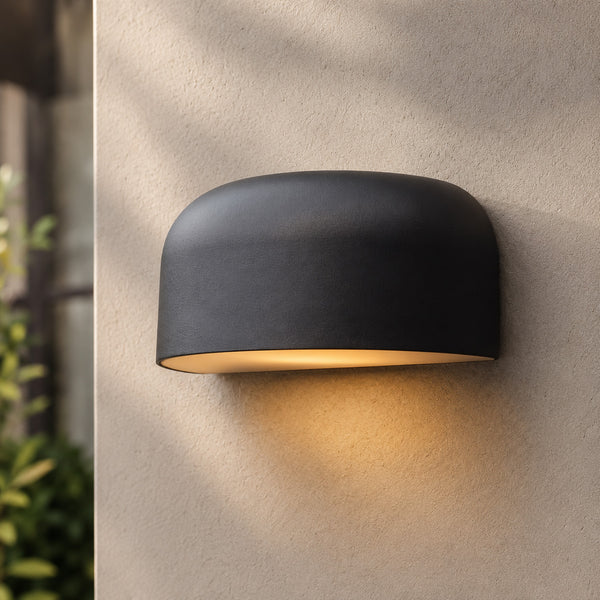
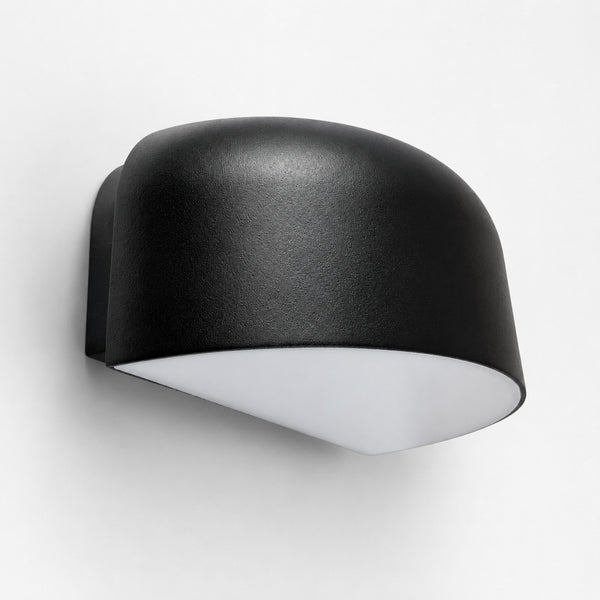
Arcus Outdoor Wall Light — Matt Black, Danish Design
Where Scandinavian simplicity meets the outdoors
Matt BlackE27 ES1 lampholder£51 £59In stockView product →
Buying Guide
Frequently Asked Questions
What IP rating do I need for garden lighting in the UK?
For most outdoor garden applications, look for IP65 or higher, which protects against water jets and dust ingress. Lights positioned under eaves or covered areas can use IP44, whilst anything near ponds, fountains or exposed to direct rainfall should be IP67 or IP68. Always check the manufacturer's specifications match your specific installation location.
Do I need an electrician to install garden lights or can I do it myself?
Under Part P of UK Building Regulations, outdoor electrical installations must be notified to Building Control and generally require a qualified electrician. Low-voltage systems (12V or 24V) powered by a plug-in transformer inside your home offer a DIY-friendly alternative, though mains voltage garden lighting (230V) should always be installed by a Part P registered electrician with appropriate outdoor wiring and RCD protection.
How do I create layered lighting in my garden?
Combine three types: task lighting for pathways and steps (bollards or ground spikes), ambient lighting for general illumination (wall lights or post lights), and accent lighting to highlight features like trees or sculptures (spotlights or uplighters). Aim for warm white (2700K-3000K) to create a welcoming atmosphere, and use timers or smart controls to manage different zones independently.
Can I use smart bulbs in outdoor garden lights?
Yes, provided the smart bulb has an appropriate IP rating and the fixture accepts standard E27 or B22 fittings with sufficient space for the bulb. Many garden lights use GU10 or integrated LED modules which aren't smart-bulb compatible, so check the lamp type before purchasing. Alternatively, use smart outdoor plugs or switches to control non-smart garden lights.
What's the best way to light a garden path without glare?
Use low-level bollard lights (40-80cm tall) spaced 2-3 metres apart, or flush ground lights alongside the path rather than directly in it. Choose fixtures with downward-facing shields or frosted diffusers to prevent glare, and opt for 3W-5W LED equivalents rather than overpowering spotlights. Warm white (2700K) at around 100-200 lumens per fitting provides adequate visibility without light pollution.
How deep should I bury garden lighting cable?
Outdoor electrical cable should be buried at least 450mm deep in open ground, or 750mm where vehicle traffic may pass over. Use steel wire armoured (SWA) cable suitable for direct burial, run it through protective conduit where it rises to fixtures, and mark the cable route on a plan for future reference. All connections must be in weatherproof junction boxes rated IP65 or higher.
Will stainless steel or powder-coated aluminium last longer in UK weather?
Both materials perform well in the UK climate when properly manufactured. Marine-grade 316 stainless steel offers superior corrosion resistance in coastal areas, whilst powder-coated aluminium provides excellent durability at a lower price point for most inland gardens. Avoid cheap plated finishes which deteriorate quickly; instead look for warranties of 3-5 years as an indicator of quality construction.