
Shop by Room
Living Room Lighting
The room where every lighting decision counts. Living rooms work in two modes — daytime social, evening unwind — and the lighting has to flex between them without effort. Our edit favours three sources at three heights: an ambient ceiling fitting, a table lamp for the side, a floor lamp for the corner. Warm bulbs, ideally 2700K, ideally on a dimmer.
Filters
31 items
Sort Most relevant
-
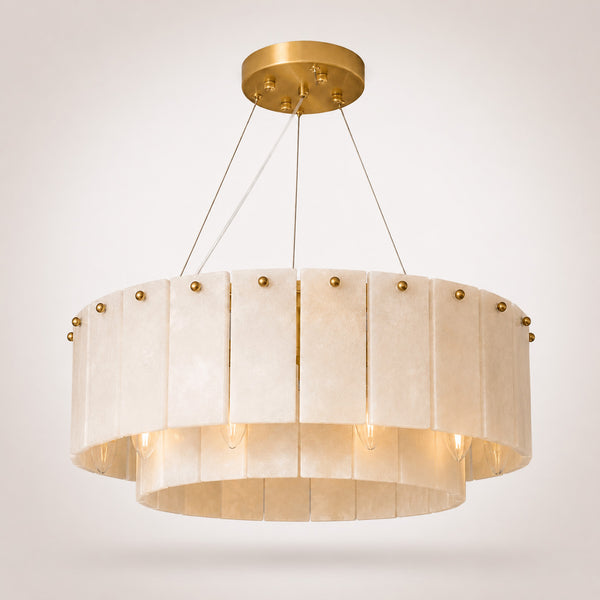
CHANDELIERS
Solara Alabaster Ring Chandelier — Satin Brass
Radiant brass for elevated interiors
BrassE14 SES12 lampholders£690In stockView product → -
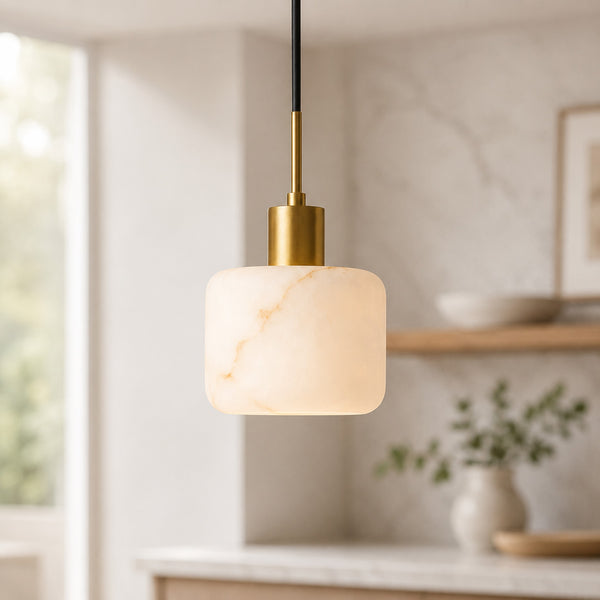
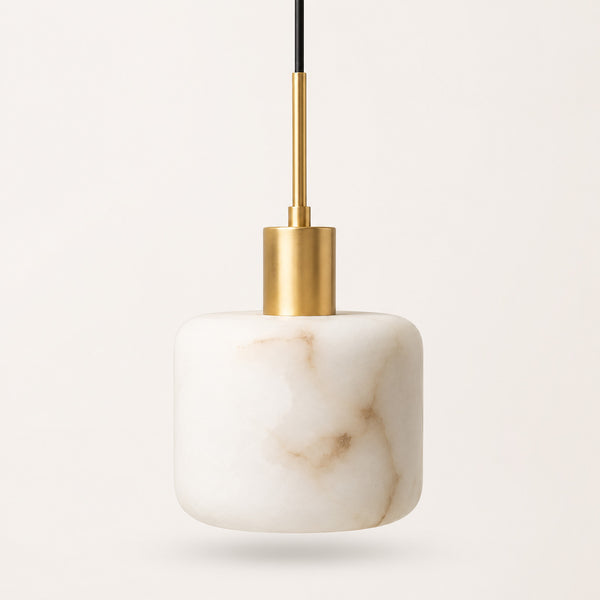
PENDANT LIGHTS
Vela Alabaster Pendant Light — Satin Brass
Sculptural warmth for gathered moments
BrassE27 ES1 lampholder£230In stockView product → -
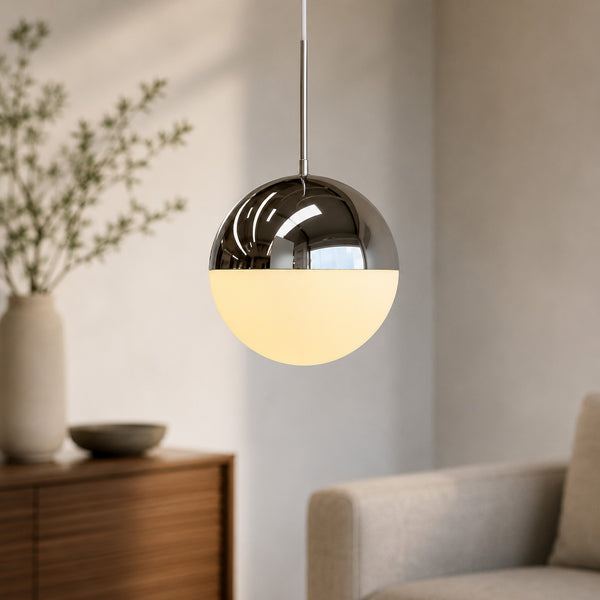
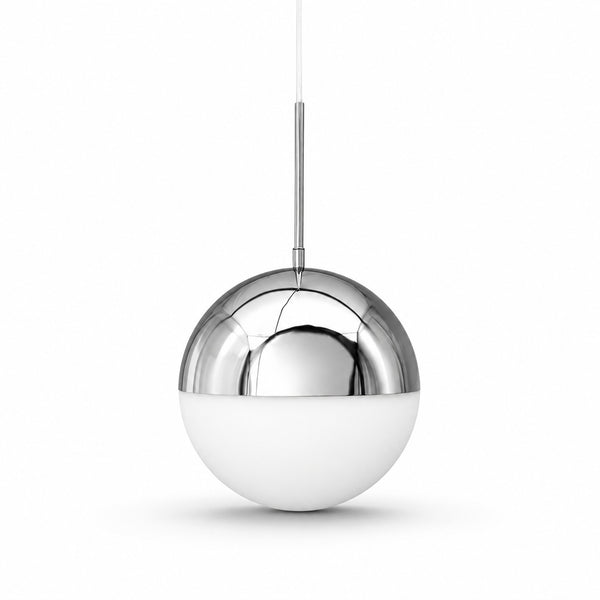
PENDANT LIGHTS
Selene Spherical Pendant Light — Opal Chrome
Moonlit elegance suspended in chrome
ChromeE27 ES1 lampholder£120In stockView product → -
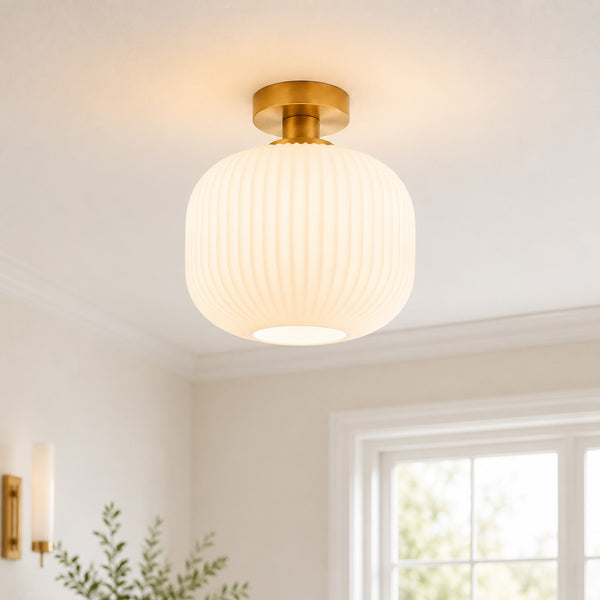
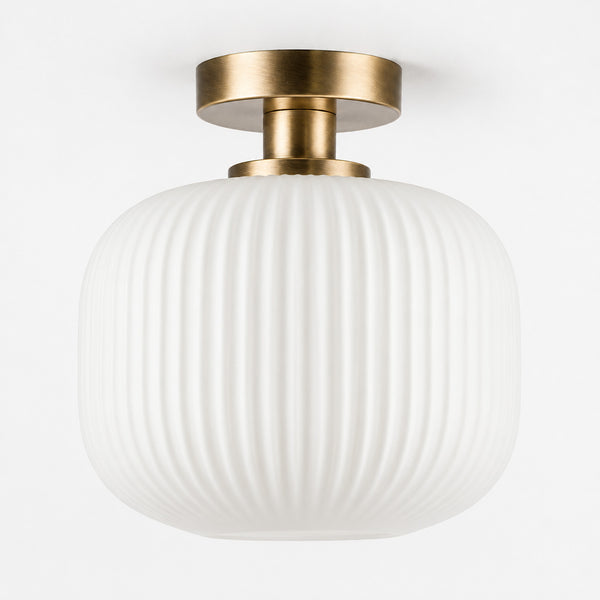
BATHROOM LIGHTING
Rivoli Ribbed Ceiling Light — Glass, Antique Brass
Ribbed glass warmth for steamy sanctuaries
BrassE27 ES1 lampholder£60In stockView product → -
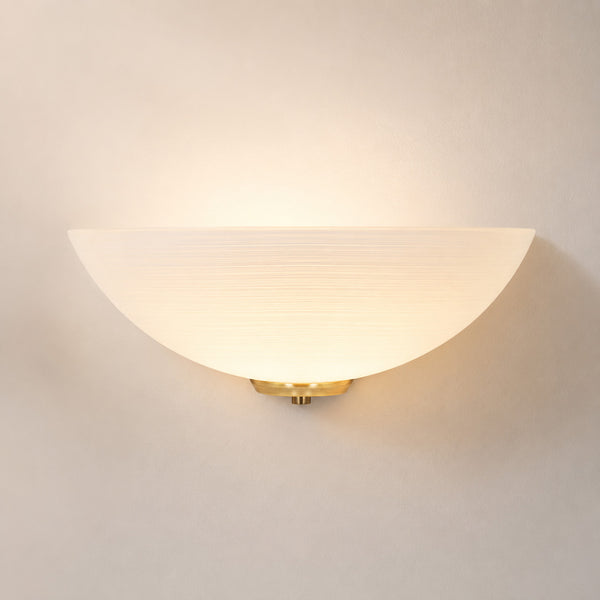
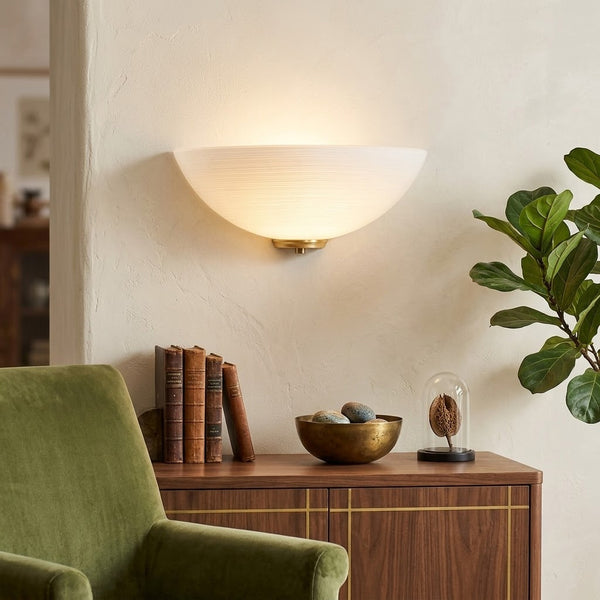
WALL LIGHTS
Viena Flush Uplighter Wall Light — Glass, Antique Brass
Soft uplighting wrapped in timeless brass
Antique BrassE27 ES1 lampholder£35In stockView product → -
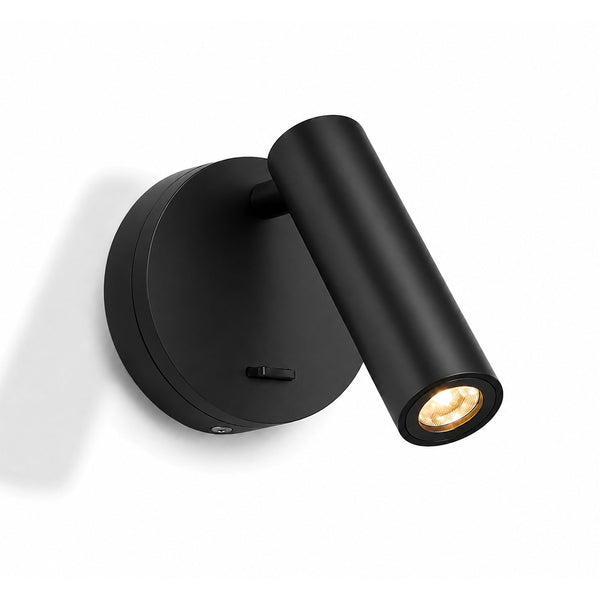
WALL LIGHTS
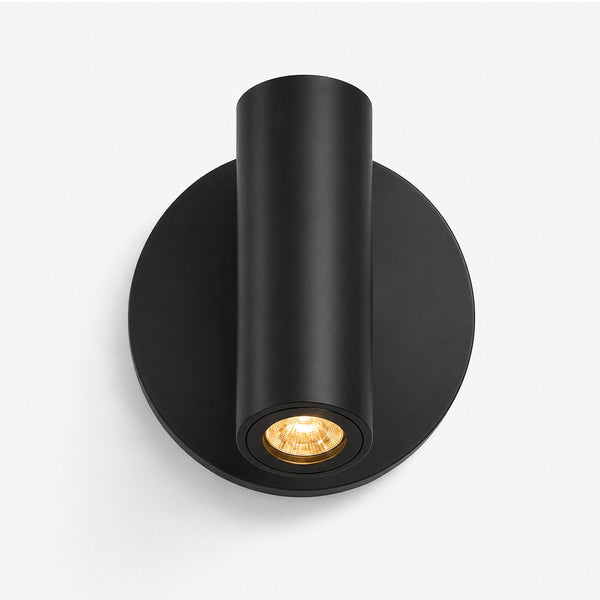
Vega Rotatable 320° LED Reading Wall Light — Aluminum, Black
Direct light exactly where you need it
BlackIntegrated LED£50In stockView product → -
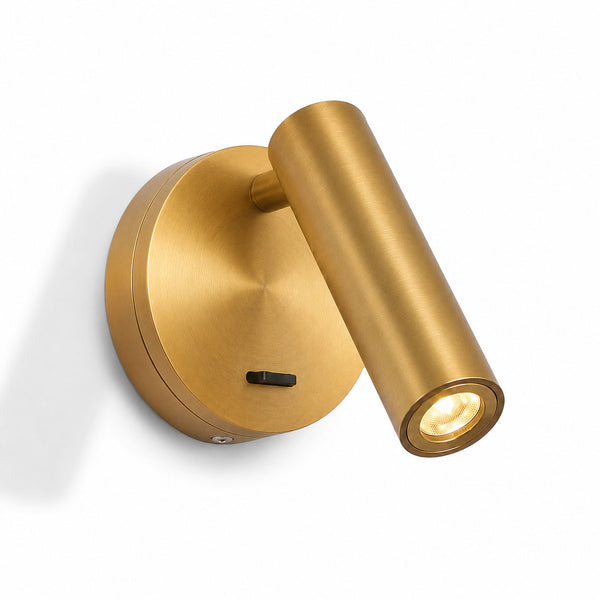
WALL LIGHTS
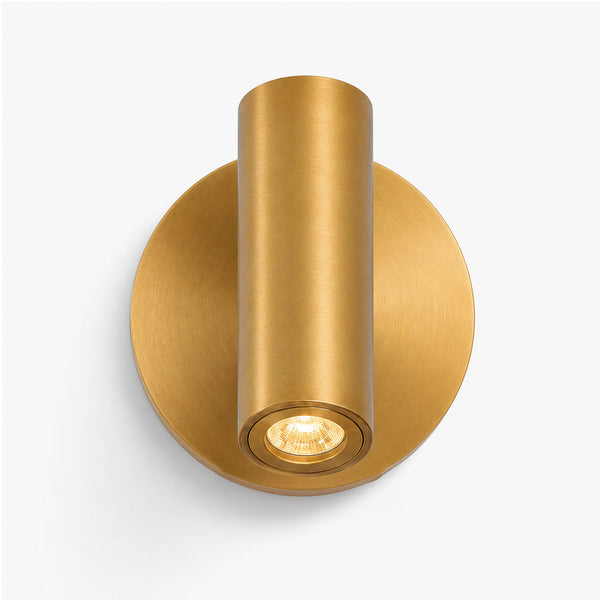
Vega Rotatable 320° LED Reading Wall Light — Aluminum, Brass
Direct your light exactly where needed
Brushed BrassIntegrated LED£50In stockView product →
Buying Guide
Frequently Asked Questions
How many light sources do I need in a living room?
A well-lit living room typically requires 3-5 different light sources to create proper layering. This usually includes at least one ceiling light (pendant or flush fitting), 1-2 table or floor lamps for task lighting, and accent lighting such as wall lights or picture lights. For a standard 4m x 5m living room, aim for around 1,500-3,000 lumens total, distributed across these different layers rather than relying on a single central fitting.
Can I install a ceiling pendant in my living room myself or do I need an electrician?
Under Part P Building Regulations in England and Wales, replacing an existing light fitting on a like-for-like basis is permitted DIY work, but installing new circuits or additional lighting points must be carried out by a registered electrician or certified under Building Control. If you're simply swapping an old pendant for a new one using the existing ceiling rose or BESA box, this is generally considered non-notifiable work, but you must still be competent and turn off the power at the consumer unit. Any work involving new cable runs, moving light positions, or work in bathrooms requires a qualified Part P electrician.
What height should I hang a pendant light over a coffee table?
Pendant lights above coffee tables should hang 75-90cm above the table surface to avoid head obstructions while seated and standing. If you don't have a coffee table, allow at least 2.1 metres clearance from the floor to the bottom of the shade to ensure safe head height. For low-profile living rooms with sub-2.4m ceilings, consider semi-flush or flush fittings instead of drop pendants.
Are LED living room lights compatible with dimmer switches?
Most LED fixtures work with dimmers, but you must use an LED-compatible dimmer switch – older trailing-edge dimmers designed for incandescent bulbs often cause flickering or buzzing. Check that both your LED bulbs and the dimmer are compatible; look for dimmers rated for the lower wattages of LEDs (typically 5-10W per bulb rather than 40-60W). If you're experiencing issues, ensure your total LED load exceeds the dimmer's minimum load requirement, usually around 10W.
Should living room wall lights be on the same circuit as the ceiling light?
Wall lights can be on the same lighting circuit as your ceiling lights or on a separate circuit, depending on your preference for control and flexibility. Having them on separate switches (which may share the same circuit but use different switch lines) allows you to create different moods and lighting layers. This doesn't require separate circuits from the consumer unit – your electrician can run both from the same lighting circuit but wire them to independent switches for separate control.
What's the difference between task, ambient, and accent lighting in a living room?
Ambient lighting is your general illumination from ceiling fixtures providing overall light; task lighting comes from reading lamps, floor lamps, or desk lights for specific activities; and accent lighting includes wall lights, picture lights, or uplighters that highlight features or create atmosphere. A functional living room needs all three types: ambient for basic visibility, task for reading or hobbies, and accent to add depth and avoid a flat, one-dimensional feel.
Can I use smart bulbs in living room light fittings with existing wall switches?
Yes, but the wall switch must remain in the 'on' position for smart bulbs to stay powered and respond to app or voice control. Turning off the wall switch cuts power completely, making the smart bulb unresponsive until switched back on. For the best experience, either replace your wall switches with smart switches, use switch covers to prevent accidental switching off, or choose fittings with integrated smart control rather than relying solely on smart bulbs.