
Shop by Room
Hallway Lighting
First impressions. Slim wall lights, flush fittings, lanterns and pendant lights for hallways — shallow enough for a narrow corridor, and warm enough to arrive home to.
Filters
152 items
Sort Most relevant
-

WALL LIGHTS
Mykonos Corner Wall Light — Paintable White Plaster, Up & Down
WhiteE14 SES1 lampholder£68In stockView product → -
3 sizes
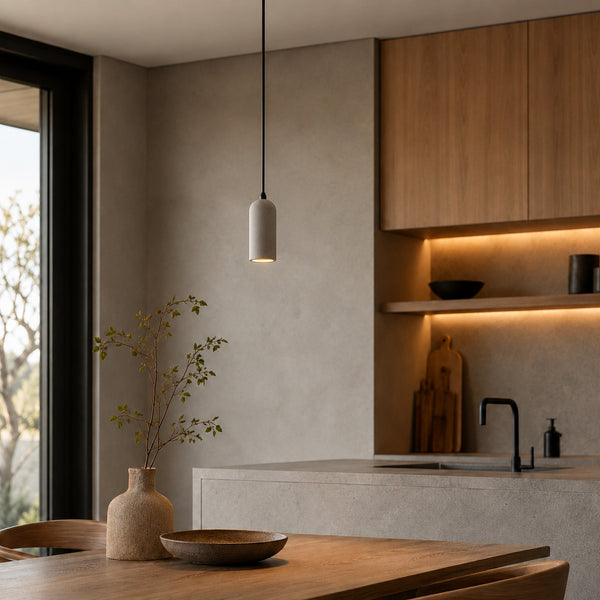
PENDANT LIGHTS
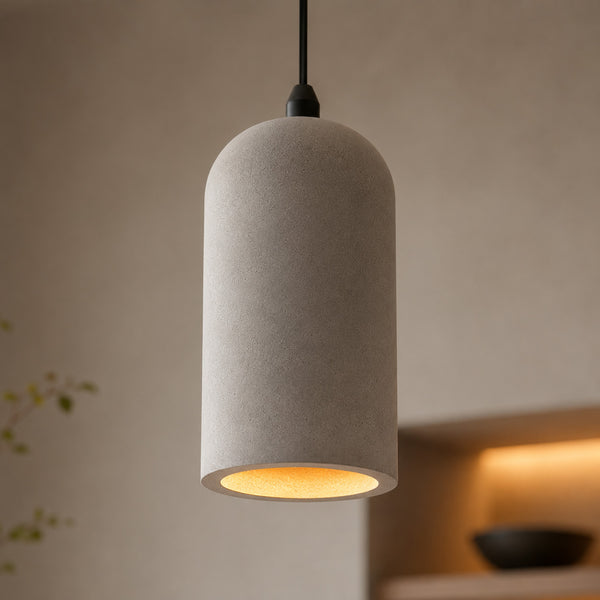
Ando Concrete Pendant Light — Natural Grey, Cylinder
Natural ConcreteE27 ES1 lampholderFrom £83In stockView product → -
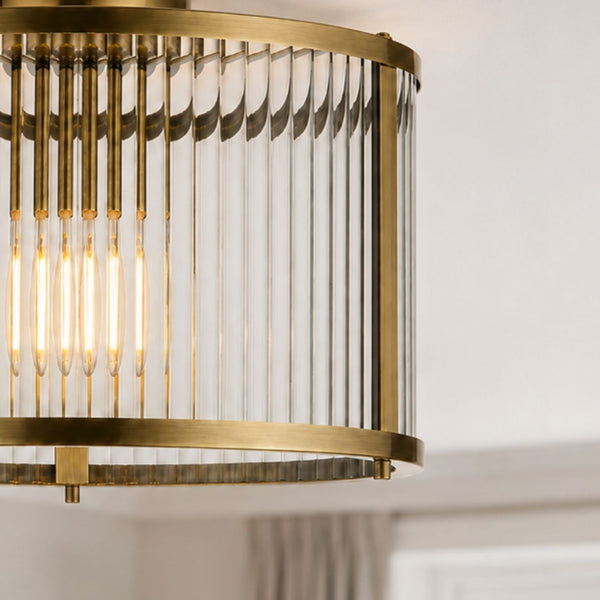
CEILING LIGHTS
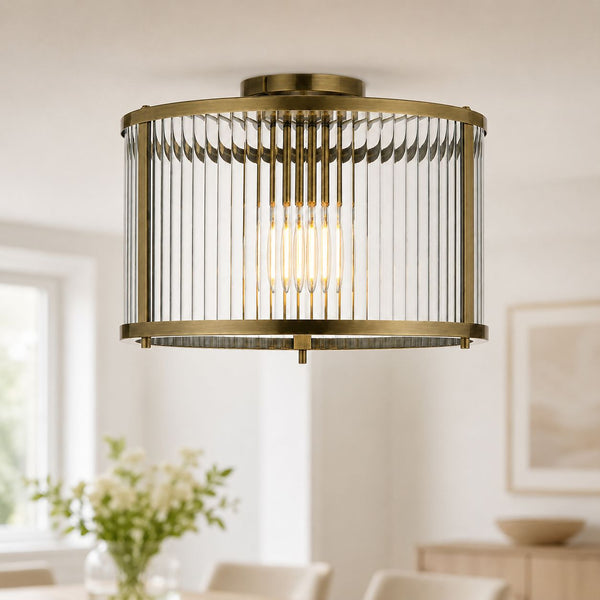
Halo Flush Ribbed Light — Glass, Antique Brass
Antique BrassE27 ES1 lampholder£165In stockView product → -
WALL LIGHTS
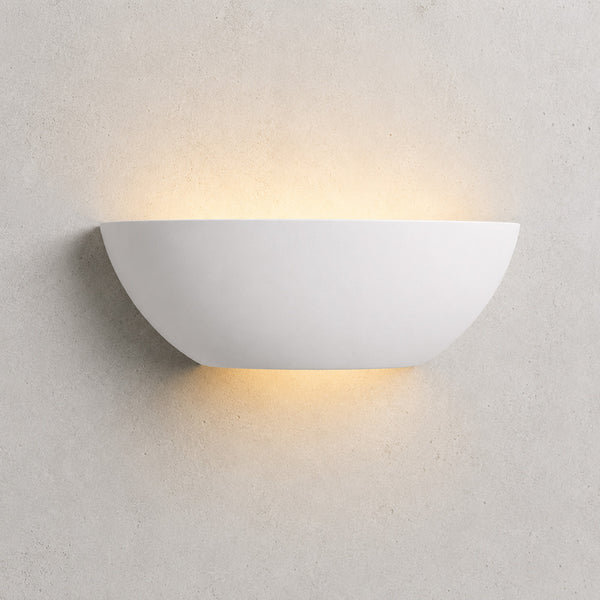
Bianca Paintable Up/Down Wall Light — Plaster, White
WhiteE14 SES1 lampholder£35UnavailableView product → -
2 sizes
DOWNLIGHTS
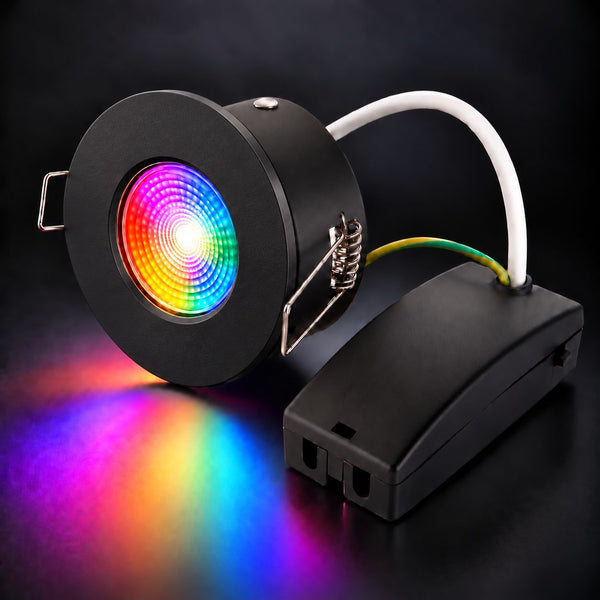
Creo Smart RGB Fire Rated Downlight — Matt Black, IP65
6 coloursMatt BlackGU101 lampholderFrom £24In stockView product → -
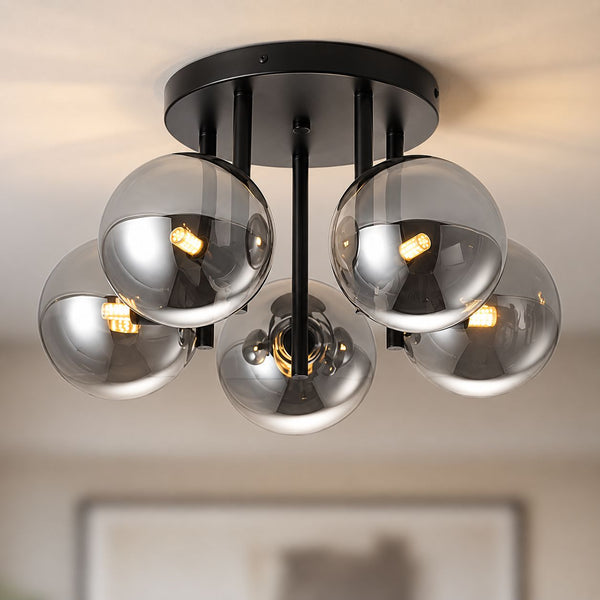
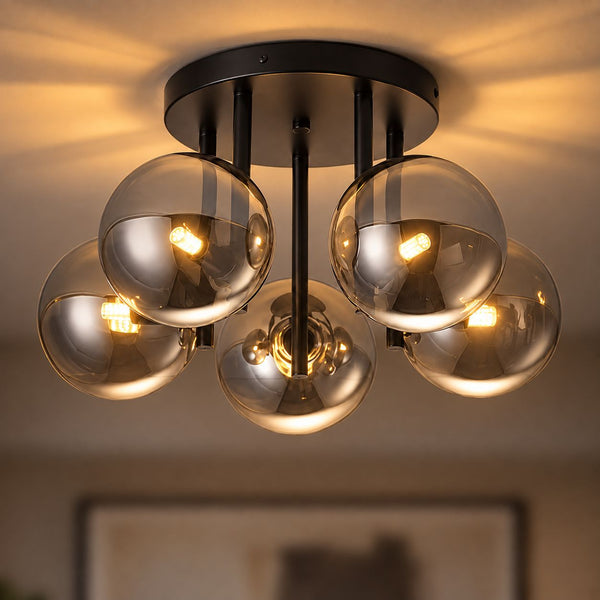
CEILING LIGHTS
Noir Five-Light Ceiling Light — Black & Smoked Glass
BlackG95 lampholders£175In stockView product → -
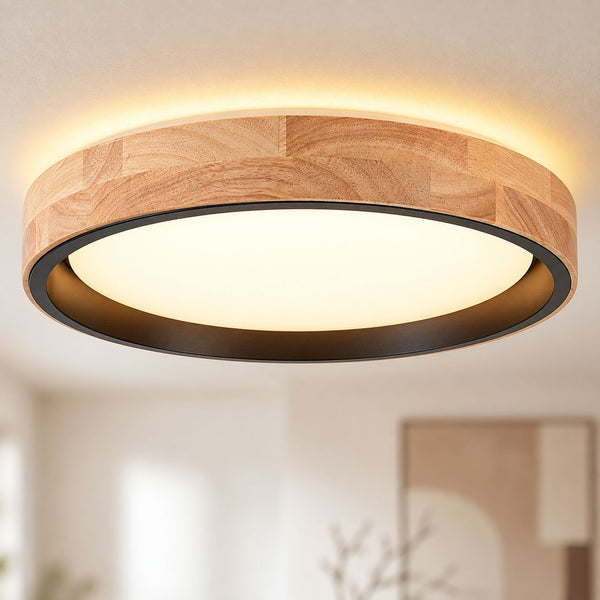
CEILING LIGHTS
Oda LED Ceiling Light — Black & Oak Look, 41 cm
Black with oak wood lookIntegrated LED£85In stockView product → -
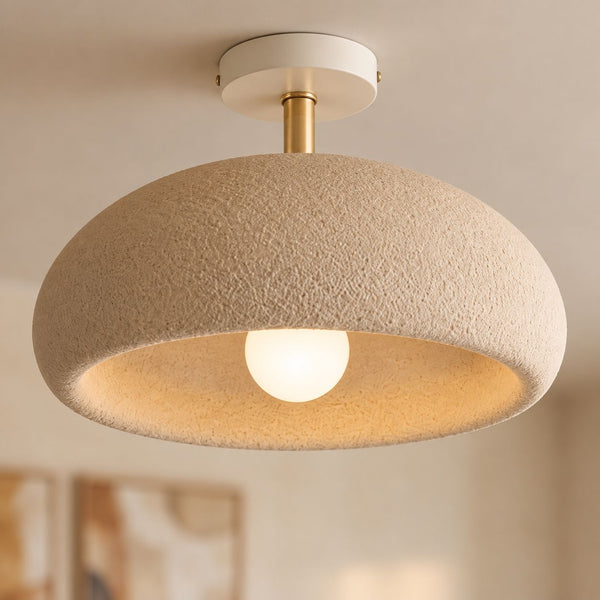
CEILING LIGHTS
Zola Terrazzo-Effect Ceiling Light — Sand Beige & Rose Gold
2 coloursSand beige and rose goldE271 lampholder£105In stockView product → -

WALL LIGHTS
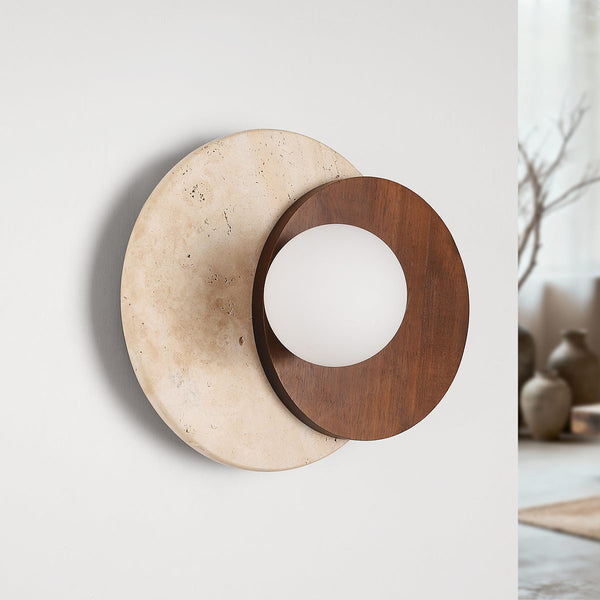
Yori Travertine & Wood Wall Light — Sand Beige
Dark wood and sand-coloured travertineG91 lampholder£110In stockView product → -
5 sizes
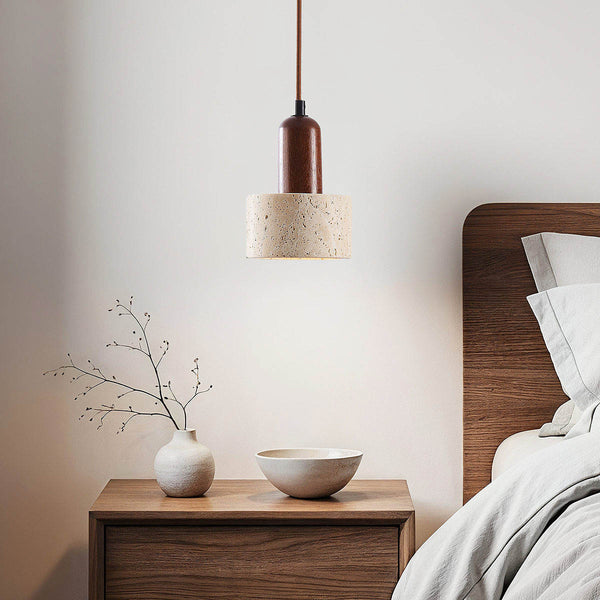
PENDANT LIGHTS
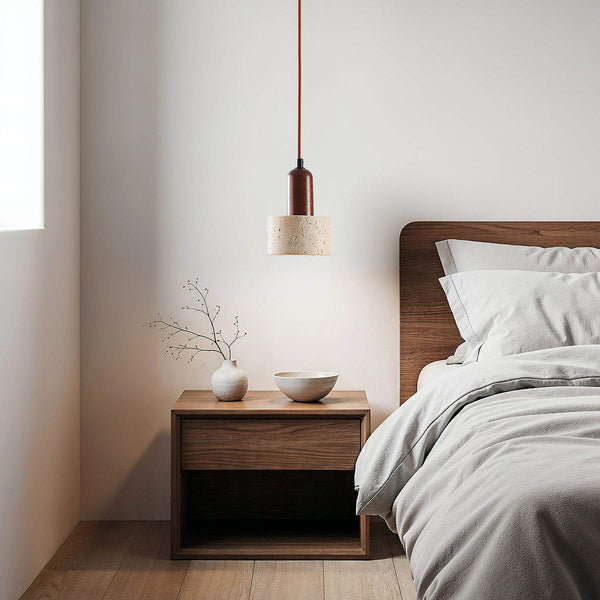
Taoka Travertine & Wood Pendant Light — Single
Travertine BeigeE271 lampholderFrom £75In stockView product → -
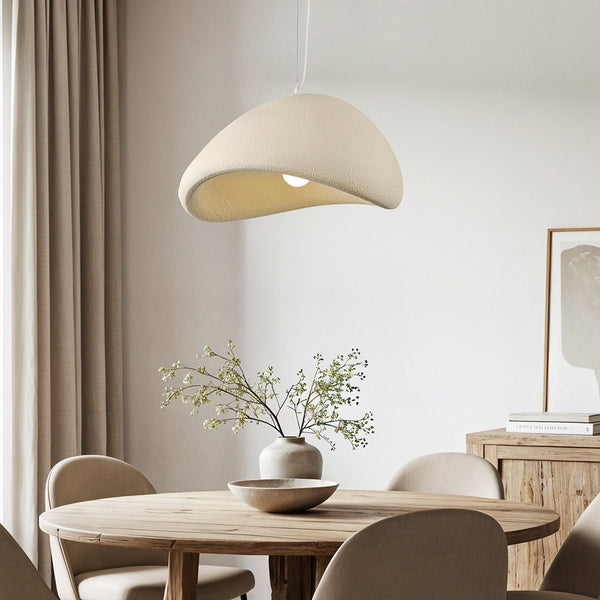
PENDANT LIGHTS
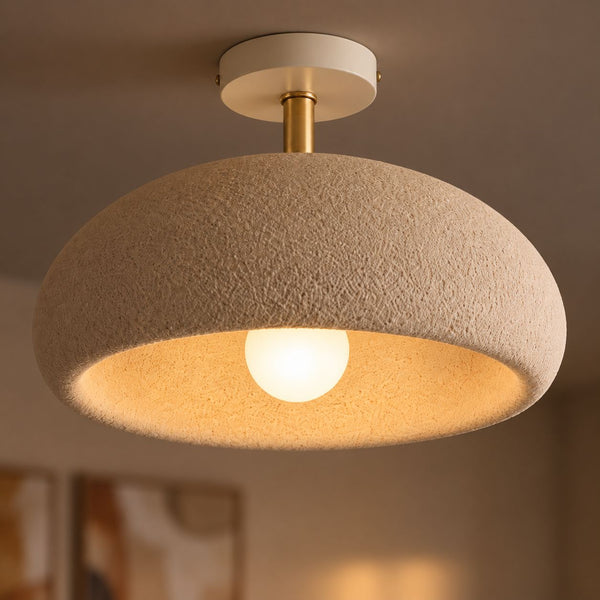
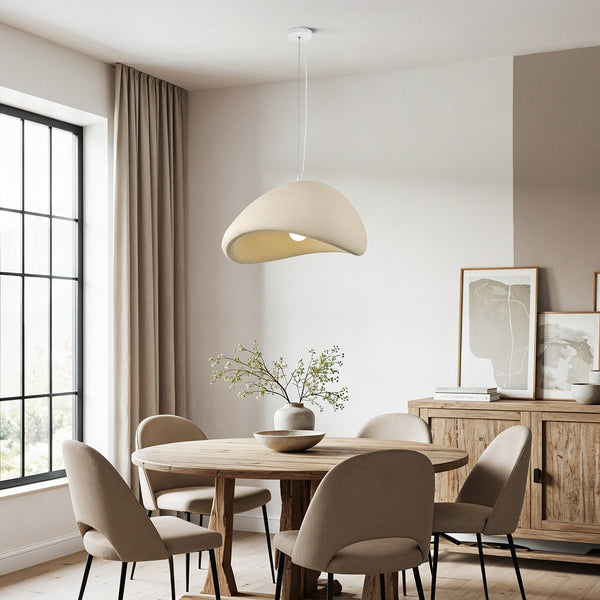
Kara Organic Stone-Effect Pendant Light — Sand Beige
2 coloursSand BeigeE271 lampholder£175In stockView product →






Showing 24 of 152
Buying Guide
Frequently Asked Questions
How many lights do I need for a hallway?
For a standard 2.4m wide hallway, position ceiling lights every 1.8-2.4m along the length to avoid dark patches. A 6m hallway typically needs 3-4 downlights or 2 pendants/flush fittings. Wider hallways over 1.5m benefit from a central row, whilst narrow corridors under 1m work well with evenly-spaced wall lights instead of ceiling fixtures.
What IP rating do I need for hallway lights?
Hallways require a minimum IP20 rating as they're considered non-moisture areas under UK regulations. If your hallway contains an understairs bathroom door or is directly exposed to external doors that let in rain, consider IP44 for those specific positions. Standard ceiling and wall lights rated IP20 are suitable for all other hallway locations.
Can I install hallway lighting myself or do I need an electrician?
Under Part P Building Regulations, you can replace existing hallway light fittings yourself on a like-for-like basis without notifying Building Control. However, adding new lighting circuits, moving light positions, or installing new switches requires either a registered Part P electrician or notification to your local authority. Any work on two-way switching for stairs must comply with Part P and BS 7671 wiring regulations.
Should hallway lights be dimmable?
Dimmable hallway lighting is highly recommended as it allows you to reduce brightness during night-time trips to the bathroom without full glare. Ensure your light fittings accommodate dimmable LED bulbs (check for 'dimmable' on E27/E14/GU10 specifications) and install a compatible trailing or leading-edge dimmer switch. Most smart bulbs are dimmable by default through their apps, eliminating the need for special dimmer switches.
What's the best height for hallway wall lights?
Position hallway wall lights between 1.5-1.8m from the floor to the centre of the fixture, which sits roughly at eye level and prevents glare. For staircases, stagger wall lights every 3-4 steps at consistent 1.5m height measured from each tread. Avoid placing wall lights lower than 1.4m in narrow hallways to prevent head collisions and damage.
How do I light a hallway with no ceiling rose or wiring?
Battery-operated LED wall lights or plug-in picture lights offer immediate solutions for hallways lacking ceiling wiring, though brightness is limited. For permanent installation without existing wiring, a qualified electrician can run new cables from the nearest ceiling void or socket circuit, but this requires Part P compliance and Building Regulation notification. Surface-mounted trunking is an alternative that avoids lifting floorboards, though it's less visually discreet.
What colour temperature works best for hallways?
Warm white (2700-3000K) is ideal for residential hallways as it creates a welcoming entrance and matches living space lighting. Cool white (4000K+) suits modern commercial-style hallways but can feel clinical in homes. If your hallway connects to rooms with different lighting, choose 3000K as a neutral middle ground that transitions well between spaces.