
Shop by Finish
Matt Black Lighting
Sharp, architectural and quiet. Black light fittings that punctuate a room without dominating it — and pair as comfortably with warm wood and natural materials as they do with white walls and concrete. The finish reads modern without trying too hard, and ages better than most.
Shop by type


Filters
82 items
Sort Most relevant
-

WALL LIGHTS
Maison Picture Light — Matt Black, Swan Neck
3 coloursMatt BlackE141 lampholder£56Made to orderView product → -
2 sizes
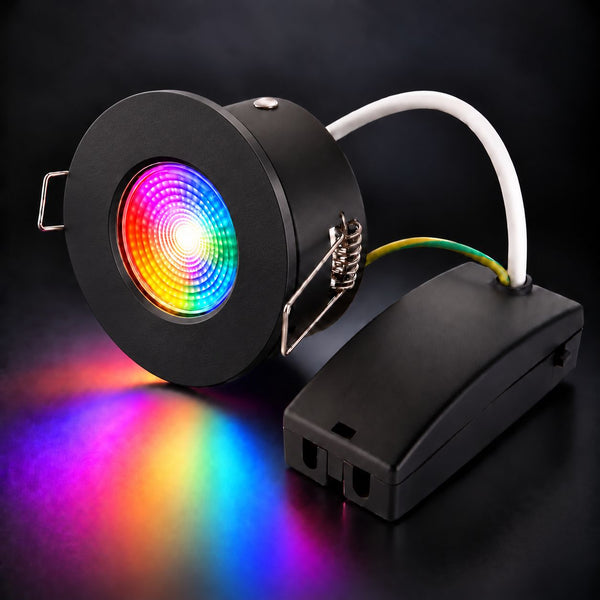
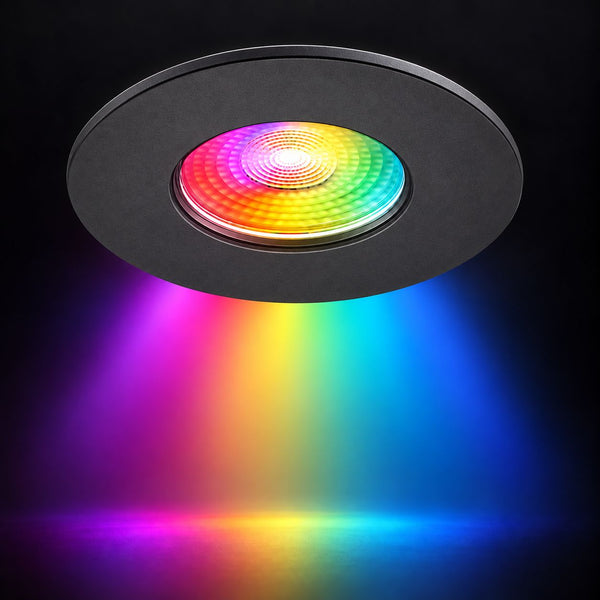
DOWNLIGHTS
Creo Smart RGB Fire Rated Downlight — Matt Black, IP20
6 coloursMatt BlackGU101 lampholderFrom £19In stockView product → -
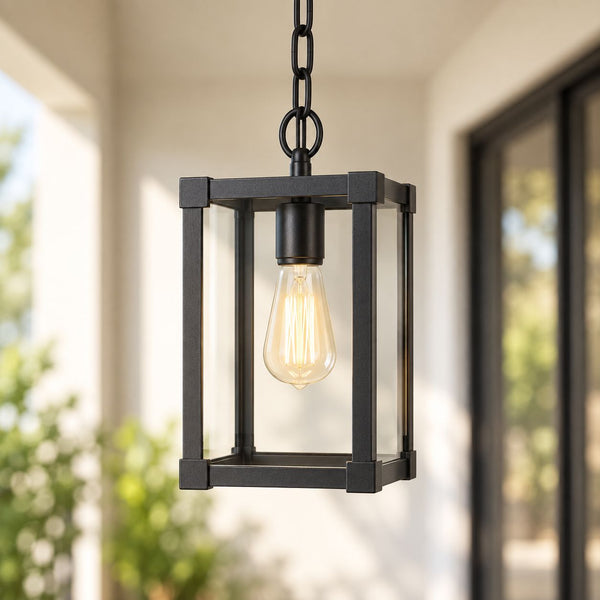
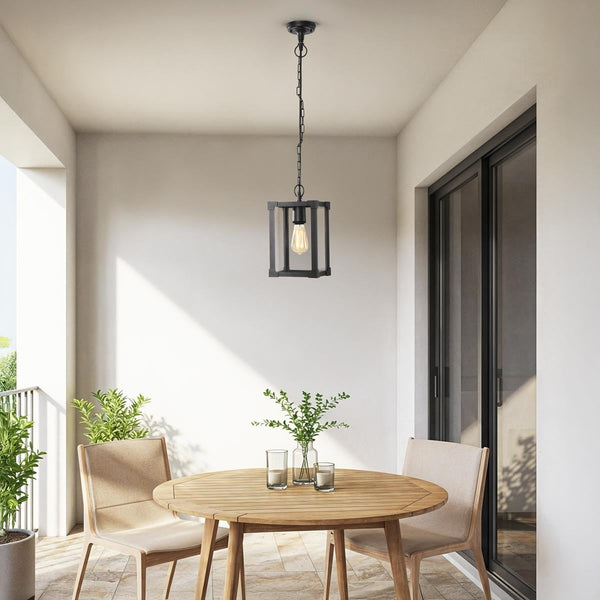
OUTDOOR LIGHTING
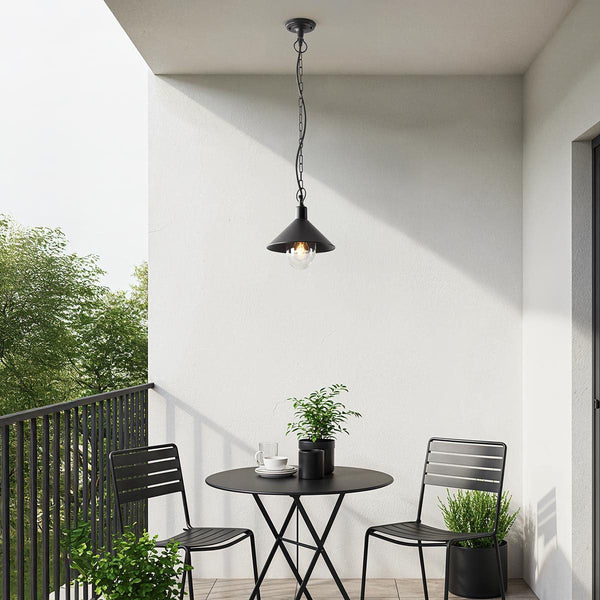
Holt Industrial Outdoor Pendant Light — Black, Glass Panels
BlackE27 ES1 lampholder£45In stockView product → -
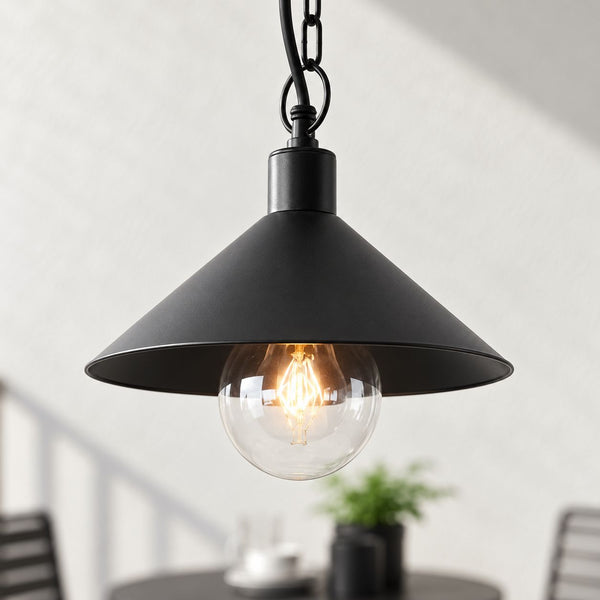
OUTDOOR LIGHTING
Linden Traditional Outdoor Pendant Light — Black, Clear Glass Globe
BlackE27 ES1 lampholder£65In stockView product → -

OUTDOOR LIGHTING
Heath Up & Down Outdoor Pendant Light — Black, LED
BlackIntegrated LED£55In stockView product → -
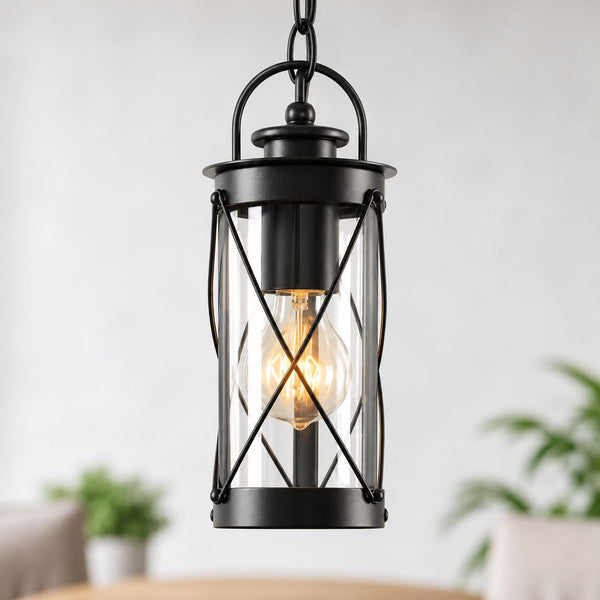
OUTDOOR LIGHTING
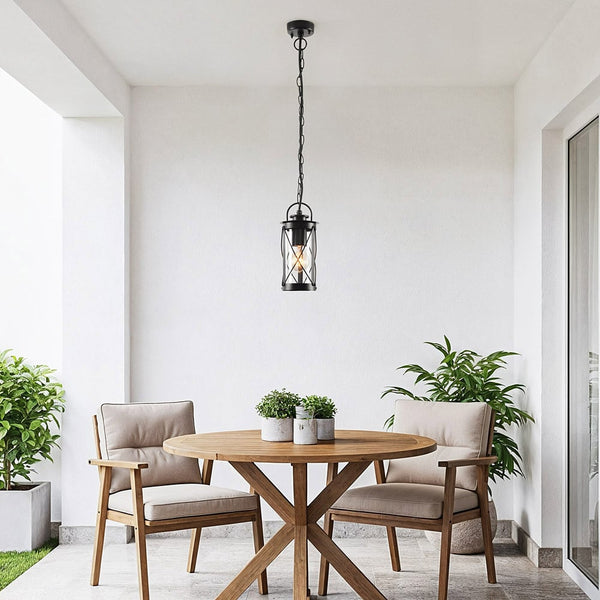
Malmo Lantern Outdoor Pendant Light — Black
BlackE27 ES1 lampholder£85In stockView product → -
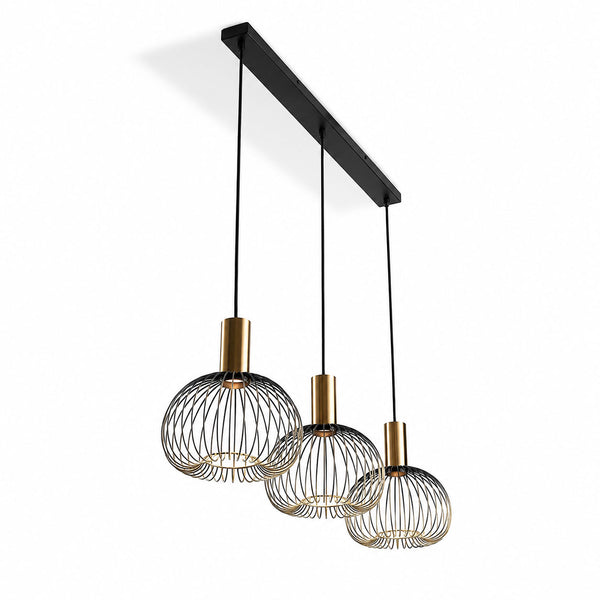
PENDANT LIGHTS
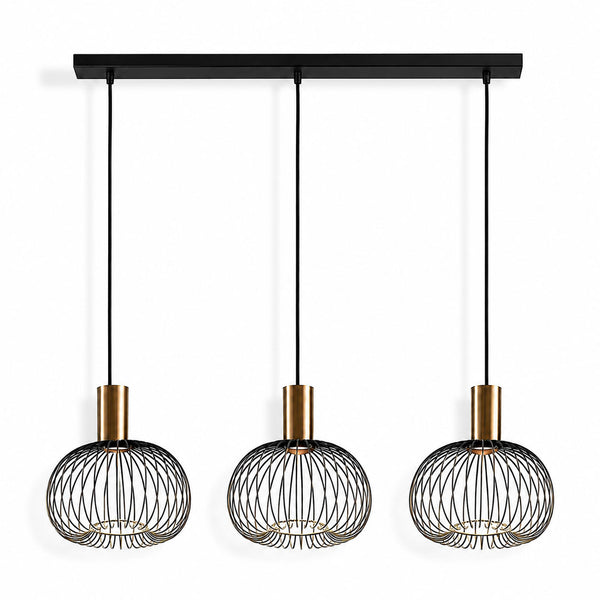
Velia 3-Light Cage Pendant Light — Black and Gold
Black and goldGU103 lampholders£210In stockView product → -
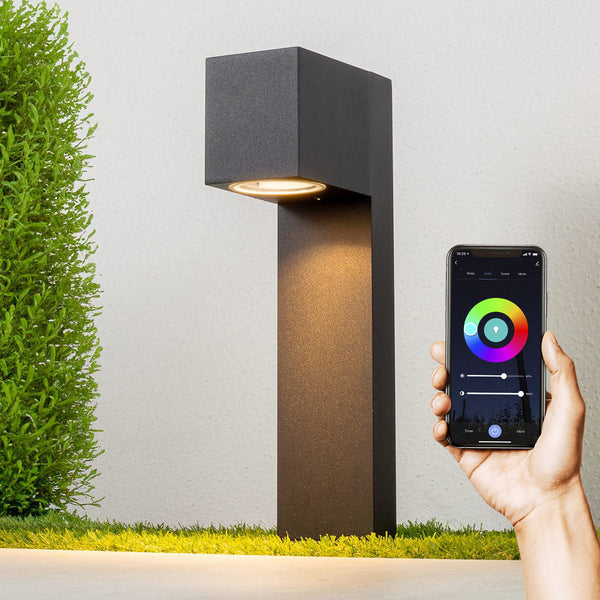
OUTDOOR LIGHTING
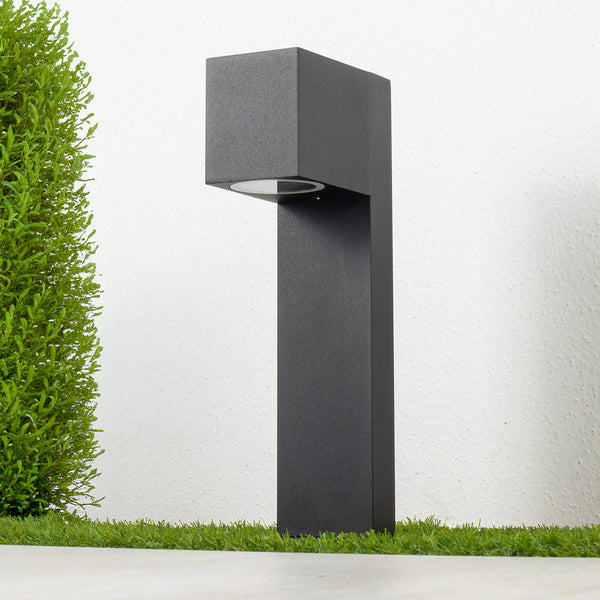
Sky Smart Outdoor Post Light — Black, 30 cm, Wi-Fi Bulb Included
BlackGU101 lampholder£85In stockView product → -
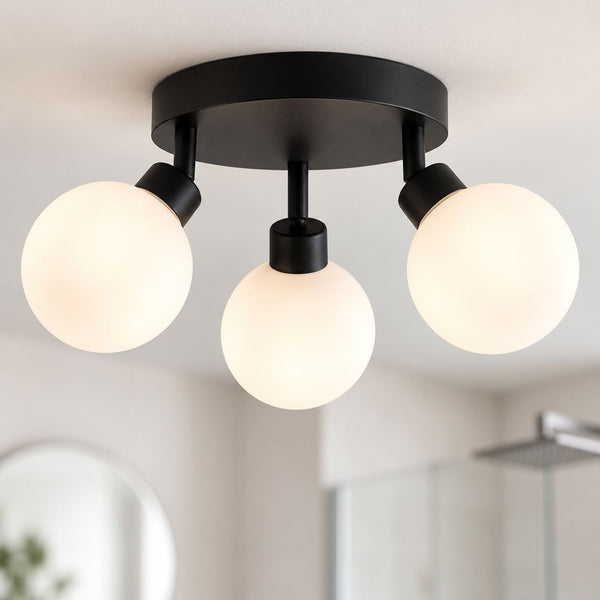
CEILING LIGHTS
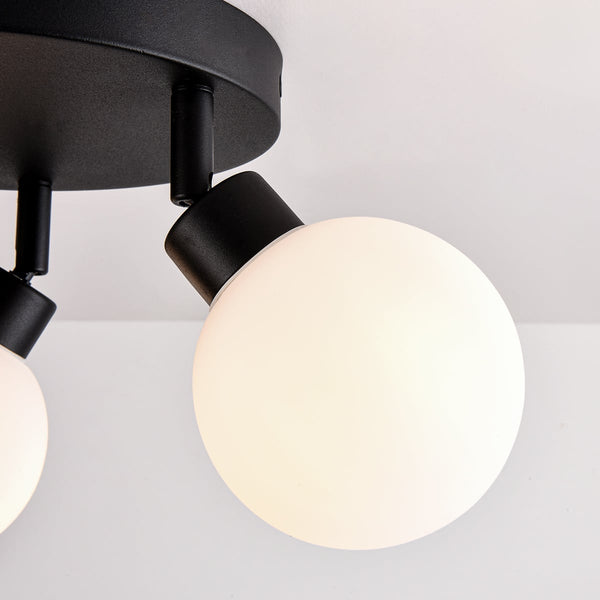
Otto Adjustable Triple Spot Ceiling Light — Black & Opal Glass, IP44
Black with opal white glassG93 lampholders£90In stockView product → -
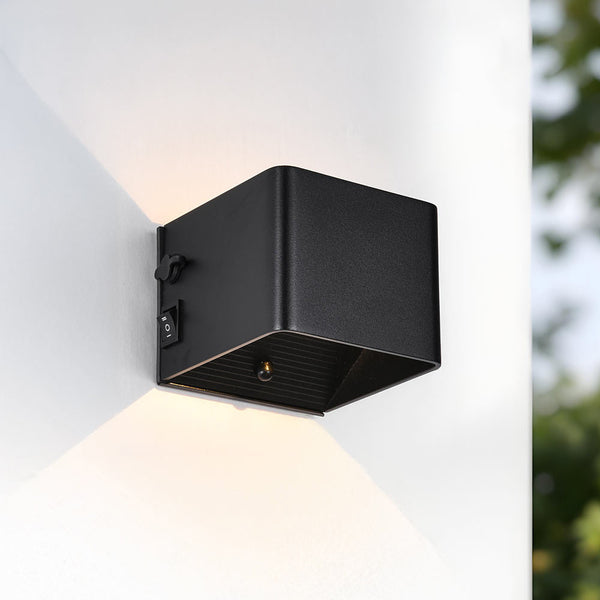
OUTDOOR LIGHTING
Pike Rechargeable Outdoor Wall Light — Black, Sensor
BlackIntegrated LED£65In stockView product → -
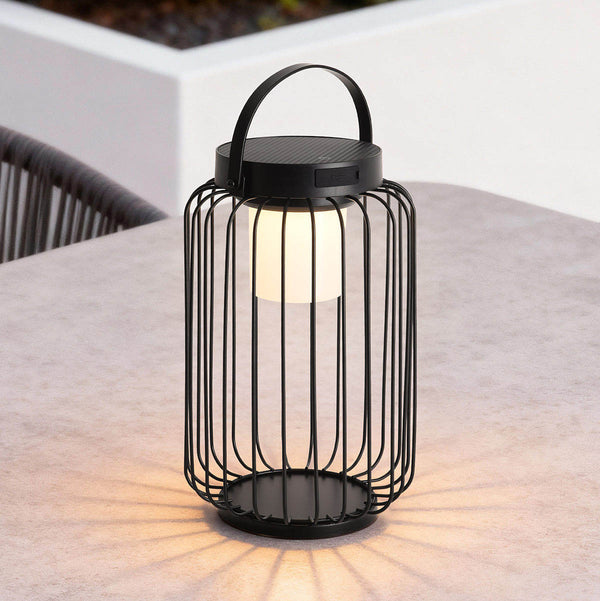
OUTDOOR LIGHTING
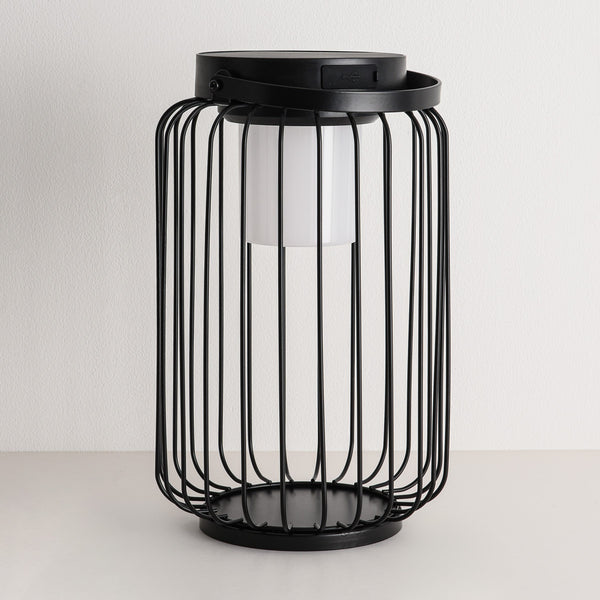
Glow Solar Lantern — Black
Integrated LED£60In stockView product → -
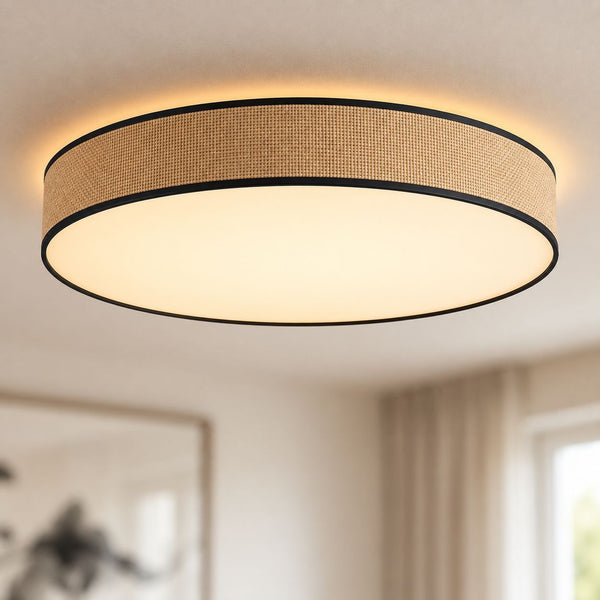
CEILING LIGHTS
Seto Woven Seagrass LED Ceiling Light — Natural & Black, 50 cm
Natural and blackIntegrated LED£115In stockView product →






Showing 36 of 82
Buying Guide
Frequently Asked Questions
Does black light fixture finish show fingerprints and smudges easily?
Matte black finishes are generally excellent at hiding fingerprints and everyday marks, whilst gloss black shows them more readily. Textured or powder-coated black finishes are the most forgiving and require minimal maintenance. For high-traffic areas or homes with children, matte or textured black is the most practical choice.
Will black ceiling lights make my room darker or feel smaller?
Black fixtures themselves don't significantly reduce light output—that depends on your bulb choice and shade design. In rooms with white or light ceilings, black creates striking contrast and can actually make ceilings appear higher by drawing the eye upward. The key is ensuring adequate lumen output from your bulbs (aim for 300-400 lumens per square metre for living spaces).
What colours and finishes pair well with black lighting fixtures?
Black is exceptionally versatile and works with warm metals (brass, copper, gold) for an industrial or art deco look, or with chrome and nickel for contemporary schemes. It pairs beautifully with white, grey, and natural wood tones, and provides grounding contrast in all-white or pastel interiors. Avoid mixing black with dark bronze or oil-rubbed bronze in the same sightline as they can look mismatched.
Do black light fittings work with smart bulbs and dimmer switches?
The black finish itself doesn't affect bulb compatibility—what matters is the lamp holder type (usually E27 or E14 in the UK) and the fixture's maximum wattage rating. Most black fixtures accept smart bulbs without issue, but if installing a dimmer switch, ensure it's LED-compatible and check the fixture specifications allow dimming, as some LED drivers aren't dimmable.
Does black metal lighting rust or corrode over time?
Quality black lighting typically uses powder-coated steel, aluminium, or treated iron which resists corrosion when used indoors. For bathrooms or outdoor areas, check the IP rating—you'll need IP44 minimum for bathrooms (zones 2-3) and IP65 for exposed outdoor locations. Cheaper painted finishes may chip over time, so look for powder-coated or anodised black finishes for longevity.
Can I install black ceiling lights myself or do I need an electrician?
Under Part P Building Regulations in England and Wales, you can replace an existing light fitting on a like-for-like basis yourself, but any new circuits or bathroom lighting must be installed by a qualified electrician or certified under Building Control. In Scotland, almost all fixed electrical work requires a certified electrician. Always isolate the mains before attempting any work and ensure your ceiling has a BESA box or suitable mounting point.
How do I clean and maintain black light fixtures without damaging the finish?
Use a soft, dry microfibre cloth for regular dusting—this is sufficient for most matte and powder-coated black finishes. For stubborn marks, lightly dampen the cloth with water or a gentle pH-neutral cleaner, then dry immediately. Avoid abrasive cleaners, scouring pads, or acetone-based products which can damage the finish, and always switch off and allow the fixture to cool before cleaning.