Shop by Finish
Black Wall Lights
Matt black sconces, adjustable spots, up-down fittings and box mounts. The finish that reads as deliberate against a pale wall — and the one that hides fingerprints best.
Filters
7 items
Sort Best selling
-
WALL LIGHTS
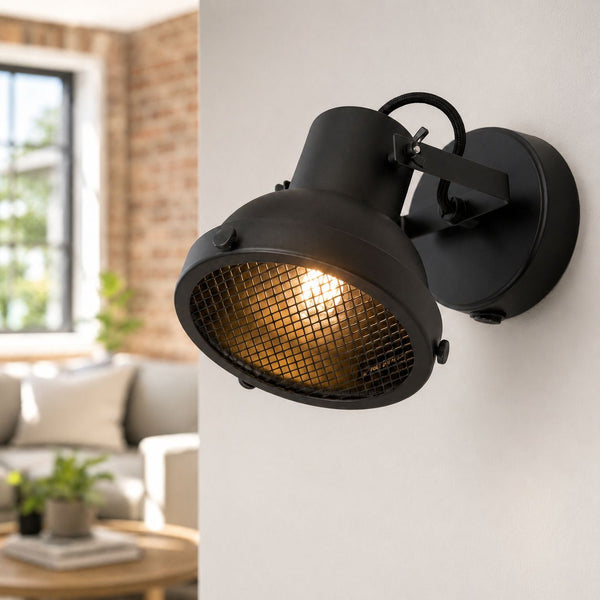
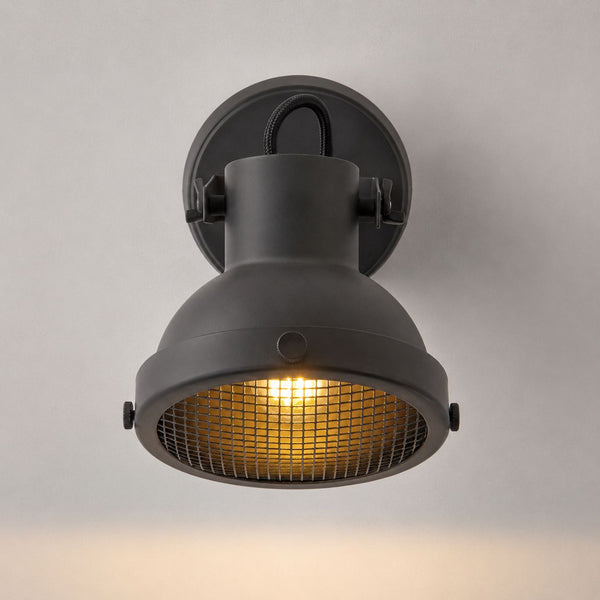
Forge Caged Wall Spot Light — Matt Black, Switched
Matt BlackE141 lampholder£28In stockView product → -
Signature Signature Small runs, real materials, made to order. The top of the Enso range.
WALL LIGHTS
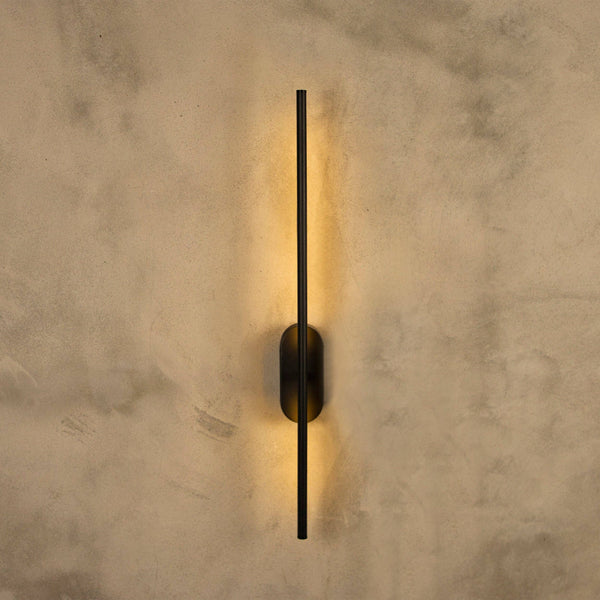
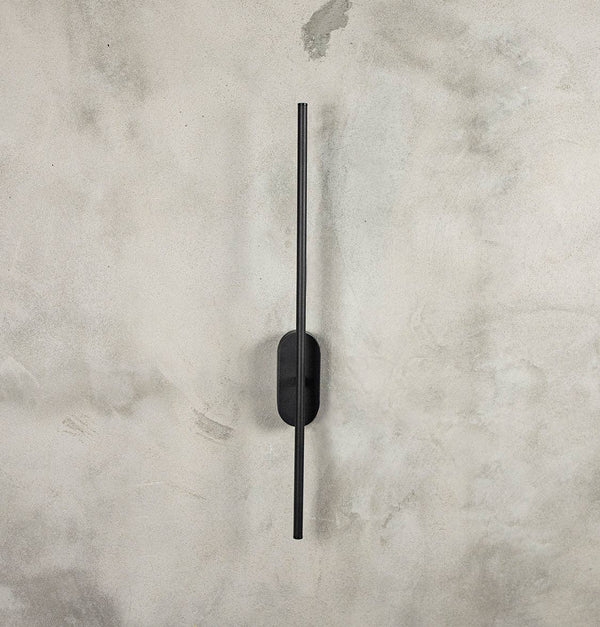
Assos LED Wall Light — Matt Black, 70cm
Made in Turkey
BlackIntegrated LED£385In stockView product → -
Signature Signature Small runs, real materials, made to order. The top of the Enso range.
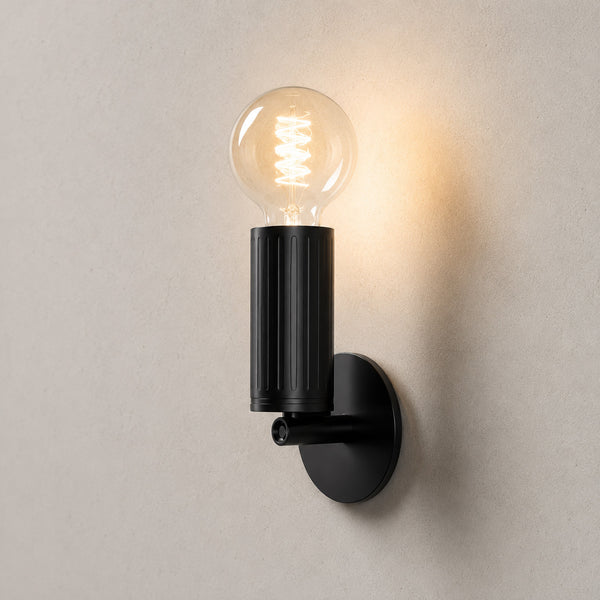
WALL LIGHTS
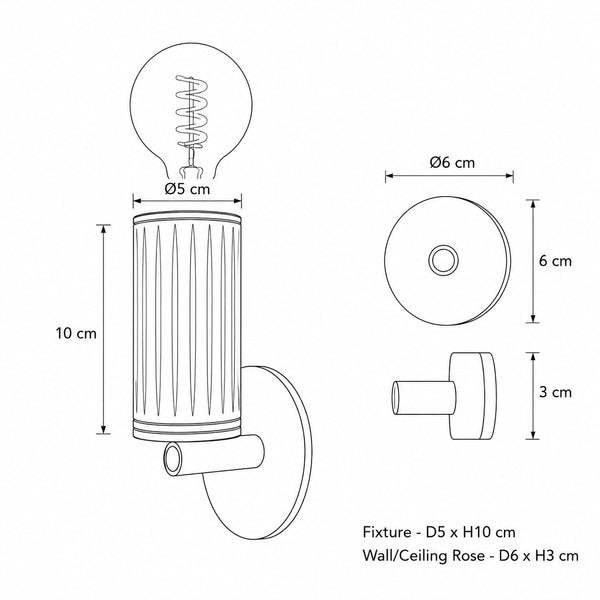
Luminar Box Mount Wall Lamp — Black, Exposed Bulb
Made in Denmark
4 coloursMatt BlackE27 ES1 lampholderFrom £429In stockView product → -
Signature Signature Small runs, real materials, made to order. The top of the Enso range.
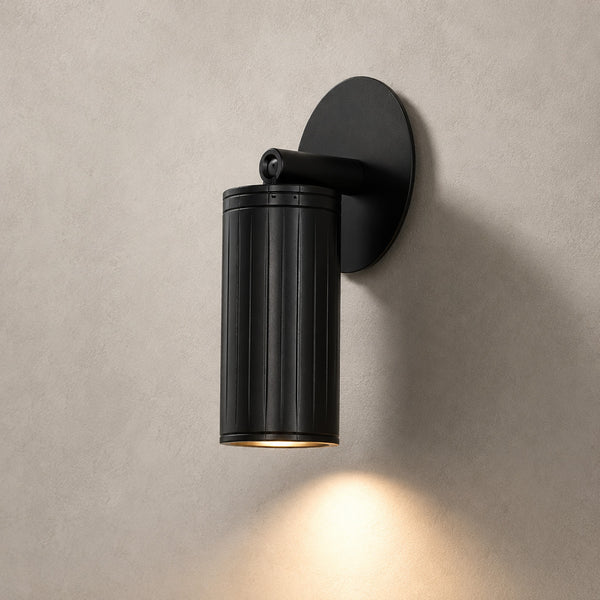
WALL LIGHTS
Luminar Box Mount Wall Spotlight — Black
Made in Denmark
4 coloursMatt BlackGU101 lampholderFrom £425In stockView product → -
For your first order
10% off your first light
Leave your email and the code arrives straight away.
Then a short email most weeks. Unsubscribe any time. Privacy policy
Thank you
Your 10% code is on its way to your inbox. Any light, 30 days, no minimum.
-
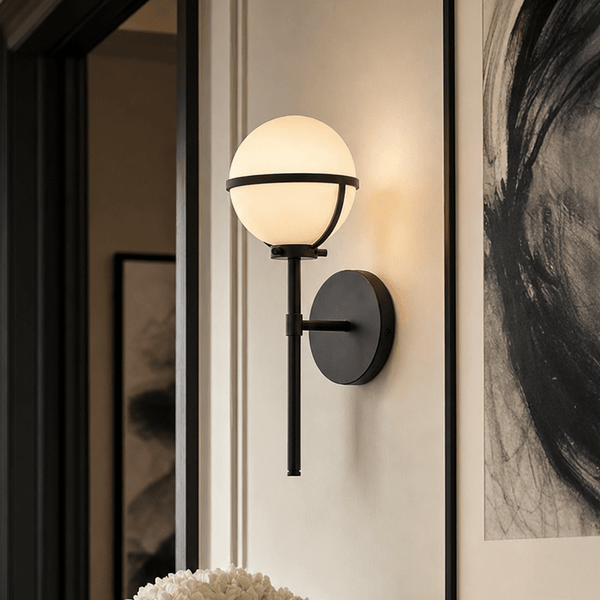
WALL LIGHTS
Nancy Orb Bathroom Wall Light — Black, Frosted Glass
Matt BlackE14 SES1 lampholder£195In stockView product → -
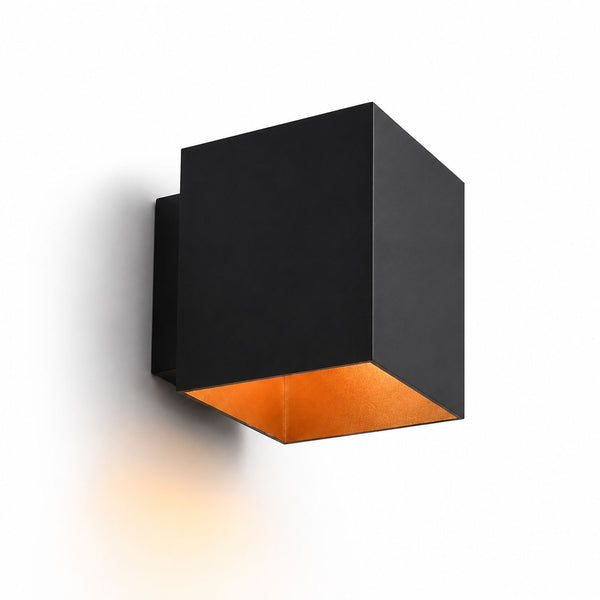
WALL LIGHTS
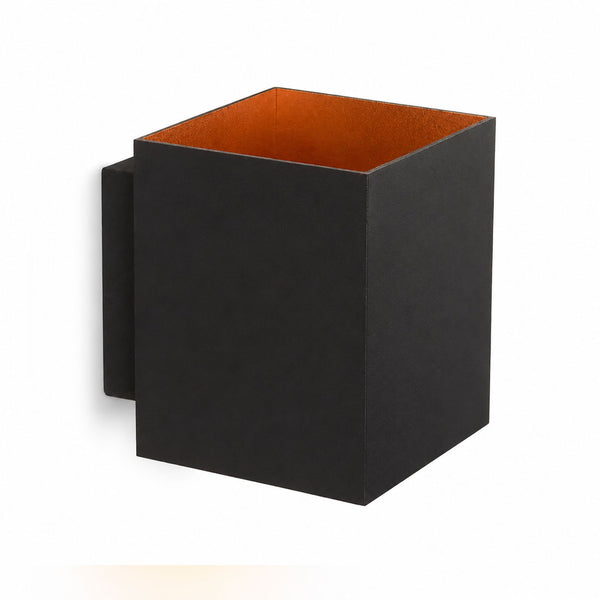
Fay Modern Square Up Down Wall Light — Black with Gold
Black with GoldG91 lampholder£22In stockView product → -
WALL LIGHTS
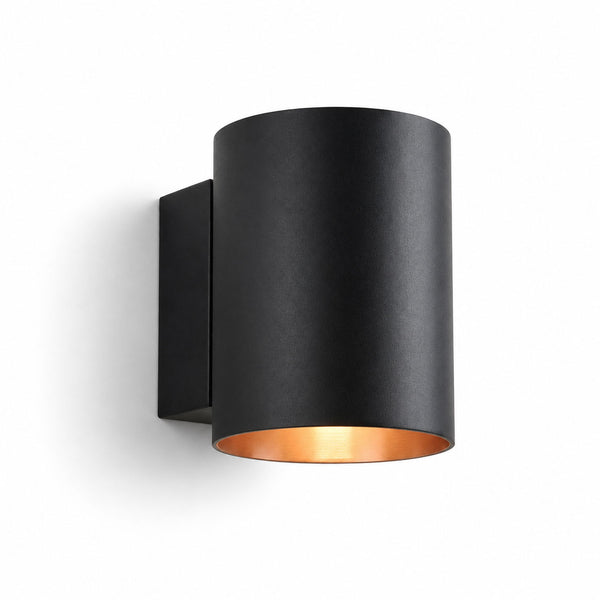
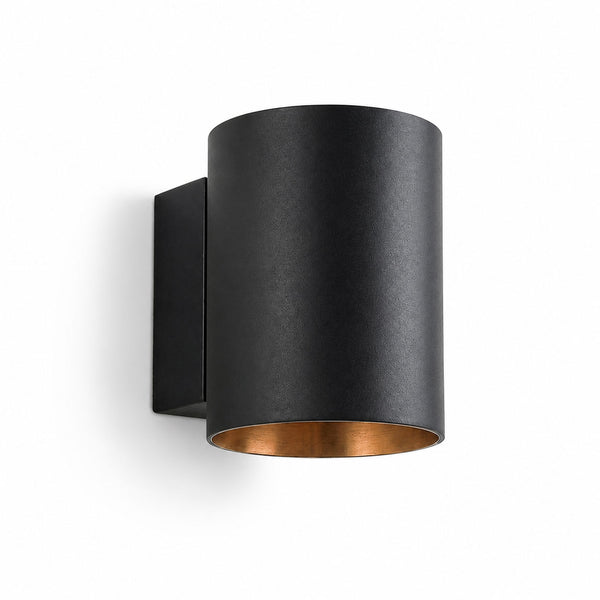
Jen Modern Round Up Down Wall Light — Black with Gold
black with GoldG91 lampholder£22In stockView product →

Buying Guide
Frequently Asked Questions
Do black wall lights make a room look smaller or darker?
The fitting itself is dark, but the light it gives is not. What matters is where the light goes: an up-down or uplighter washes the wall and makes a room read larger, regardless of the fitting's colour. A black fitting on a pale wall reads as a deliberate accent. Black fittings on dark walls do disappear, so in that case choose one that lights the wall rather than one meant to be looked at.
What is the difference between matt, satin and antiqued black?
Matt black absorbs light and reads as a clean silhouette, which suits contemporary rooms and hides marks best. Satin and gloss black catch highlights along their edges, flattering curved forms but showing dust sooner. Antiqued black carries a bronze or grey cast in its recesses and sits more comfortably in period properties, where a flat modern black can look out of place.
Can you mix black and brass light fittings?
Yes, and it is one of the most reliable pairings in British interiors — the black provides structure and the brass provides warmth. Keep the ratio uneven, roughly seventy-thirty one way or the other, rather than splitting a room evenly between the two. Several fittings combine both in a single piece, with a black body and gold or brass detailing.
Are black wall lights suitable for bathrooms?
They work well against white sanitaryware and tile, but the fitting must carry an IP rating appropriate to its zone. In UK bathrooms, Zone 1 and Zone 2 both require IP44 as a minimum. Bathroom-rated pieces state their IP figure on the product page. Powder-coated black is a durable finish in a humid room and will not tarnish the way an unlacquered metal can.
What bulb should I use with a black wall light?
2700K warm white, with a CRI of 90 or above. The common mistake is choosing a cool bulb because the black finish already feels modern — the result is a hard grey light that makes the room feel severe. Where the bulb is visible through a cage or open shade, a decorative filament LED is worth it, as the filament becomes the only bright element against a dark fitting.
Do black light fittings show dust and fingerprints?
Matt black is the most forgiving finish in the range for fingerprints and the marks that gather near switches, which is why it suits hallways and children's rooms. Gloss and satin black show dust more readily, particularly on horizontal surfaces. Neither tarnishes or patinas, so unlike unlacquered brass there is no maintenance beyond an occasional dry wipe.
What height should black wall lights be mounted at?
Mount decorative wall lights 1.5 to 1.7 metres from the finished floor, which is around eye level for a standing adult. Beside a bed, 1.5 metres puts the light at reading height when you are sitting up. Along a corridor, space fittings every 2 to 2.5 metres rather than relying on a single central point.
Are black wall lights better for outdoors?
Black is the most common outdoor finish because powder coating protects the metal beneath and the colour does not fade or streak the way lighter finishes can. Any fitting used outside needs an IP rating — IP44 minimum for a sheltered wall, IP65 for exposed positions. Our outdoor wall lights range is predominantly black and anthracite for this reason.