
Shop by Room
Kitchen Lighting
Kitchens are working spaces in the morning and gathering spaces in the evening, which makes them the hardest room to light well. Our kitchen edit covers both registers — pendants over islands and tables for atmosphere, ceiling fittings for ambient fill, sconces for the moments in between. We default to 3000K bulbs in kitchens, clean enough for prep and warm enough for an evening at the table.
Filters
67 items
Sort Most relevant
-
2 sizes
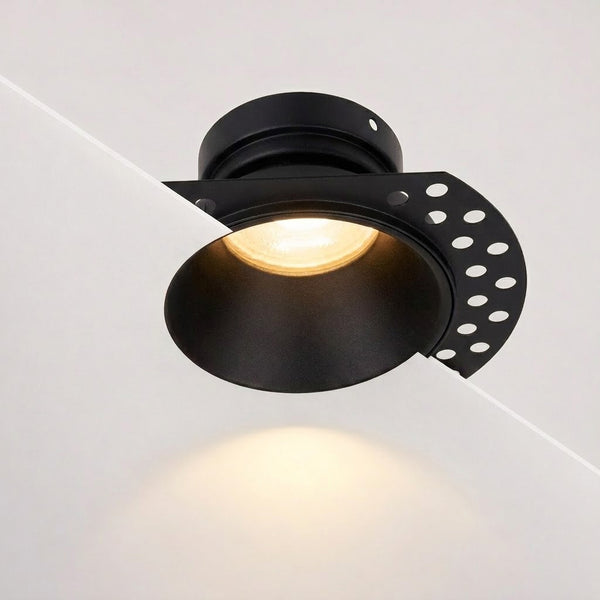
DOWNLIGHTS
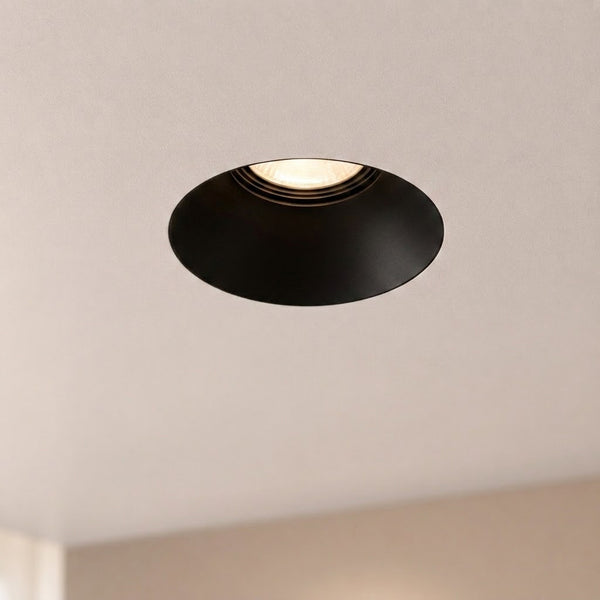
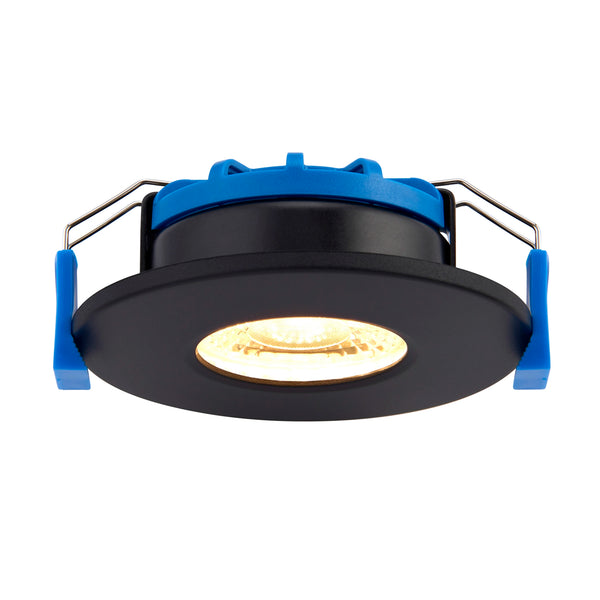
Kanto Trimless Plaster-In Downlight — Matt Black
2 coloursBlackGU101 lampholderFrom £17In stockView product → -
2 sizes

DOWNLIGHTS
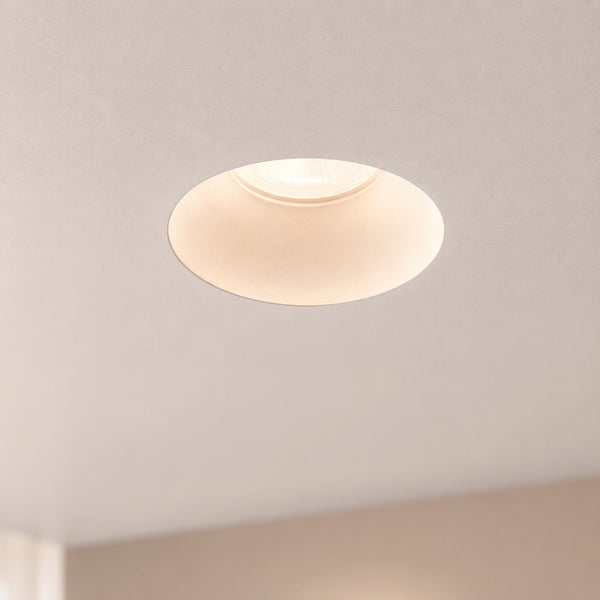
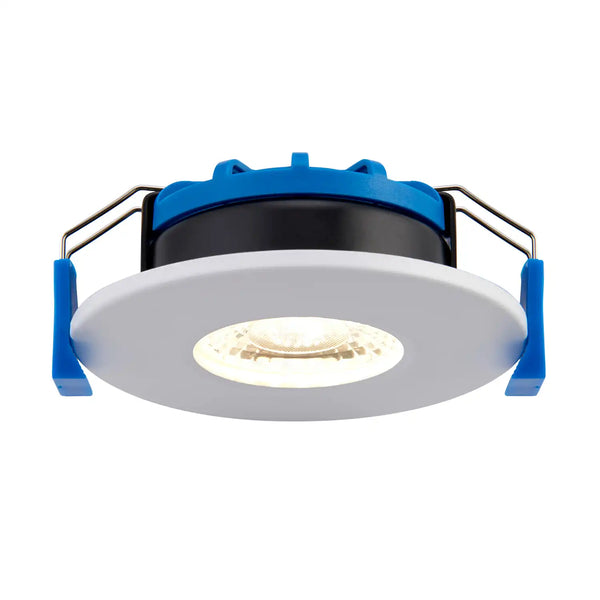
Kanto Trimless Plaster-In Downlight — Matt White
2 coloursWhiteGU101 lampholderFrom £17In stockView product → -
DOWNLIGHTS
Kanto Mini Trimless Plaster-In Downlight — Matt Black
2 coloursBlackLED module1 lampholderFrom £12In stockView product → -
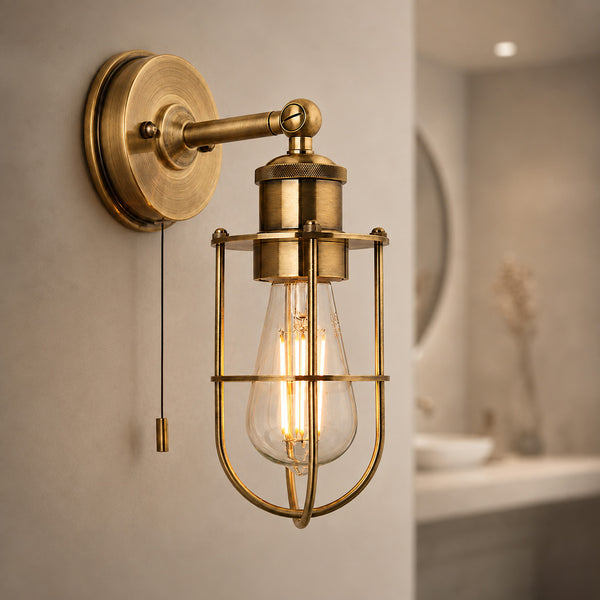
BATHROOM LIGHTING
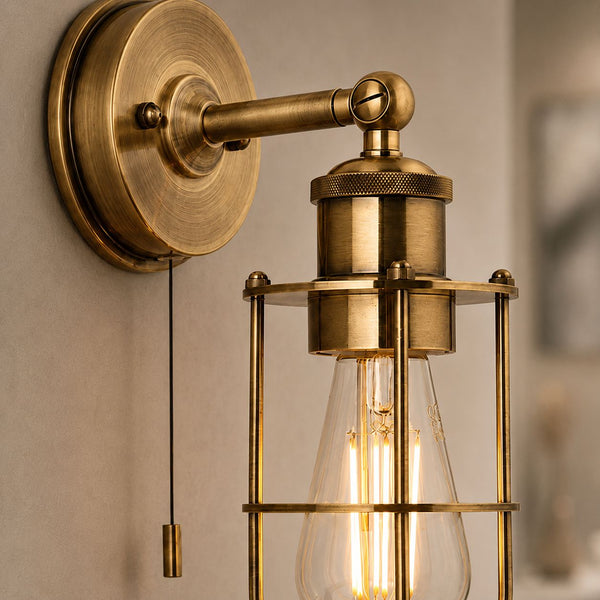
Visby Caged Bathroom Wall Light — Antique Brass, IP44
Antique BrassE27 ES1 lampholder£115In stockView product → -
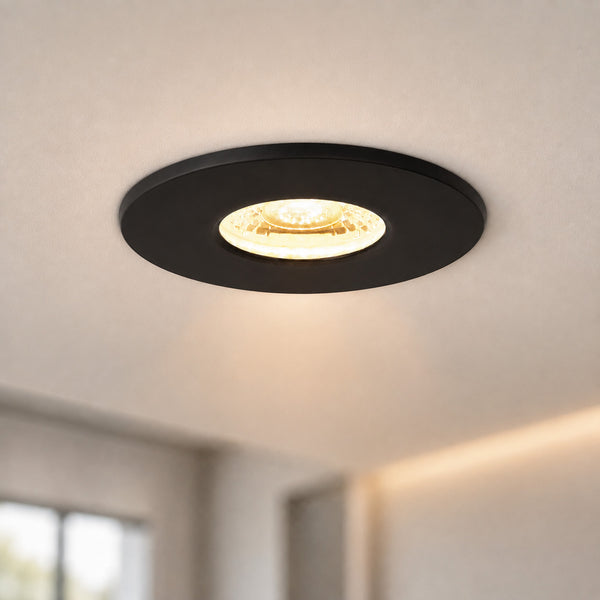
CEILING LIGHTS
Valtari Slim Fire Rated Downlight — Matt Black
4 coloursMatt BlackIntegrated LEDFrom £24In stockView product → -
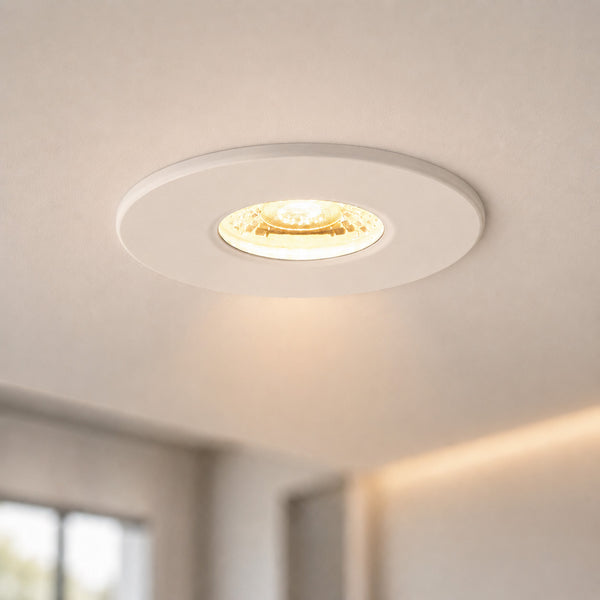
CEILING LIGHTS
Valtari Slim Fire Rated Downlight — Matt White
4 coloursMatt WhiteIntegrated LEDFrom £24In stockView product → -
Signature Signature Made or designed by Europe’s independent ateliers — small runs, real materials, hand-finished. The top of the Enso range.
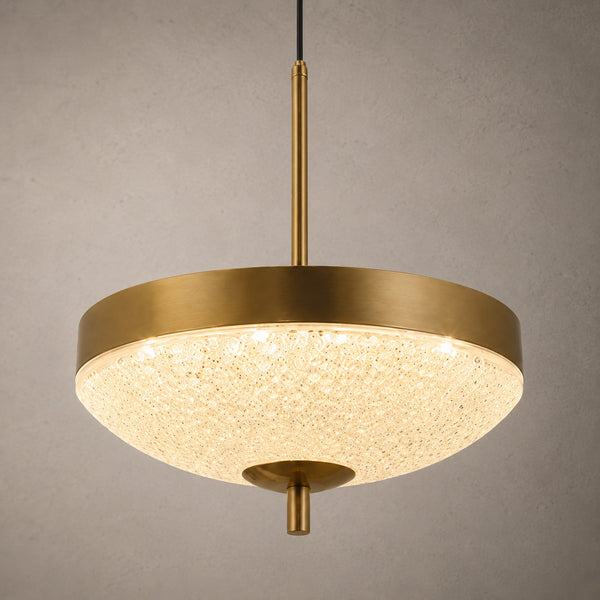
PENDANT LIGHTS
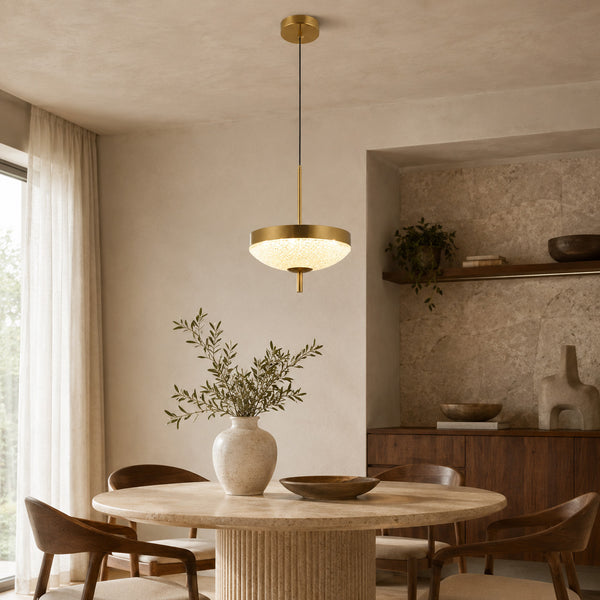
Burkina Antique Glass Pendant Light — Antiqued Metal, 20cm
Made in Turkey
Antiqued MetalIntegrated LED£260In stockView product → -
Signature Signature Made or designed by Europe’s independent ateliers — small runs, real materials, hand-finished. The top of the Enso range.
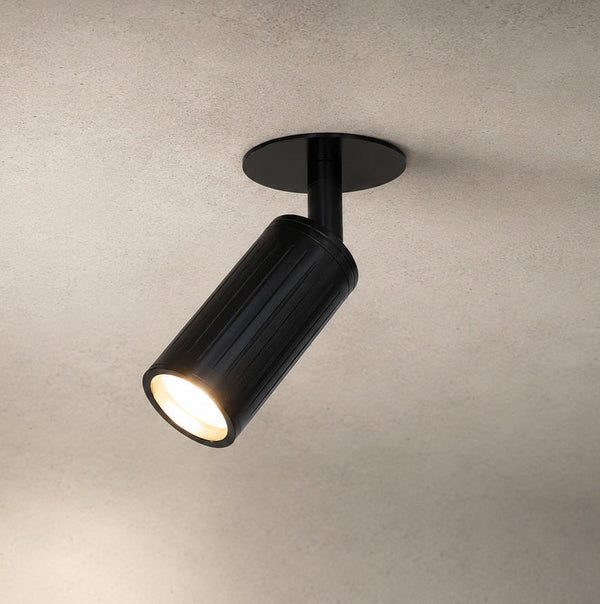
CEILING LIGHTS
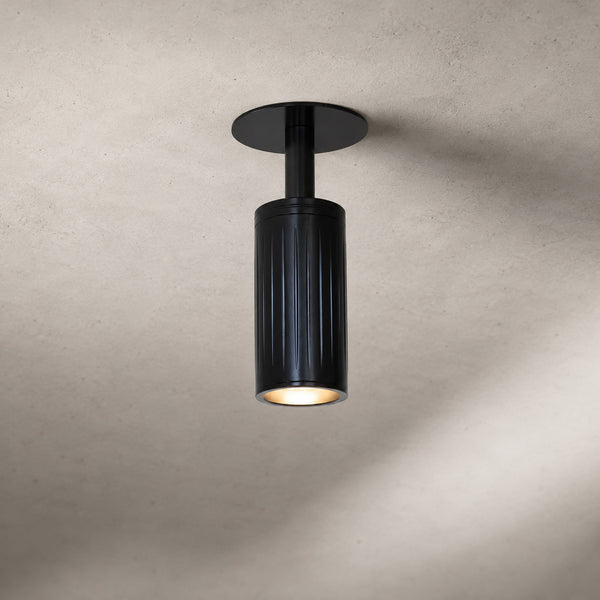
Luminar Box Mount Ceiling Spotlight — Black
Made in Denmark
4 coloursMatt BlackGU101 lampholderFrom £395In stockView product → -
Signature Signature Made or designed by Europe’s independent ateliers — small runs, real materials, hand-finished. The top of the Enso range.
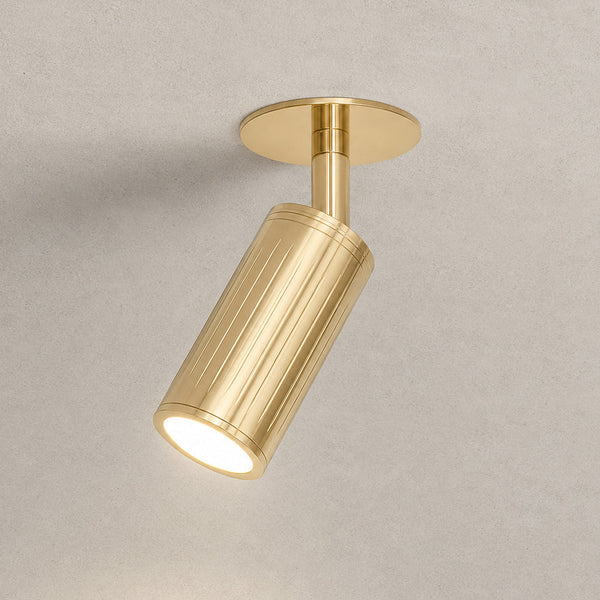
CEILING LIGHTS
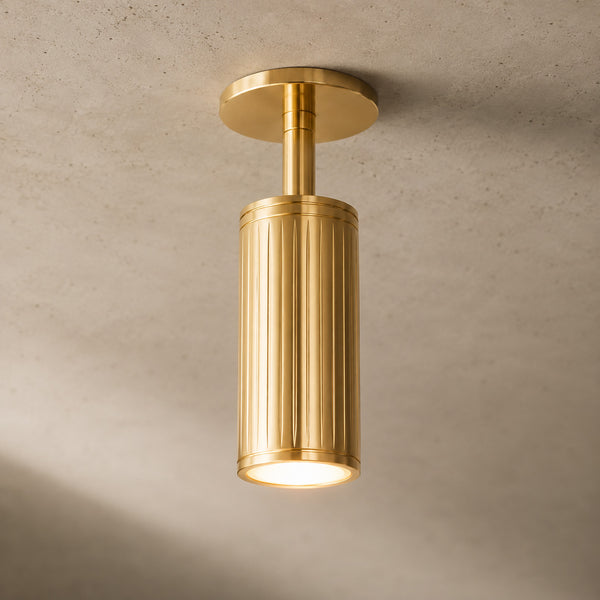
Luminar Box Mount Ceiling Spotlight — Brass
Made in Denmark
4 coloursBrushed BrassGU101 lampholderFrom £395In stockView product → -
Signature Signature Made or designed by Europe’s independent ateliers — small runs, real materials, hand-finished. The top of the Enso range.
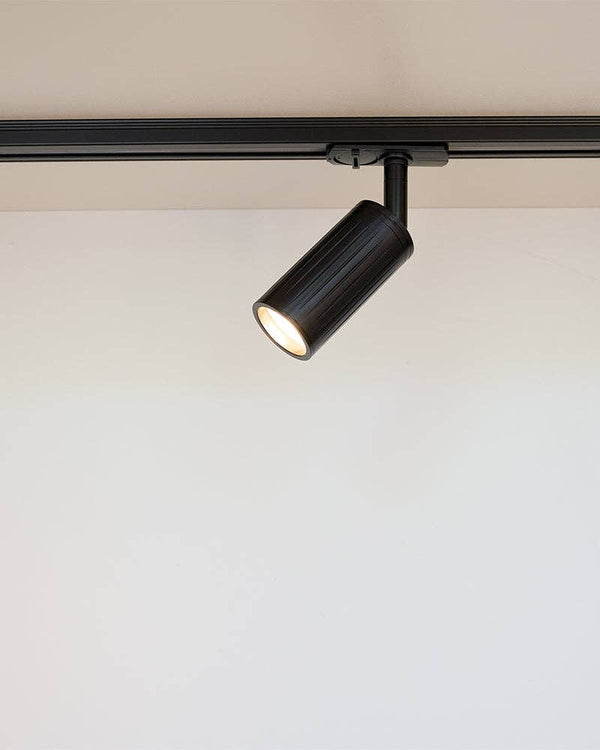
CEILING LIGHTS
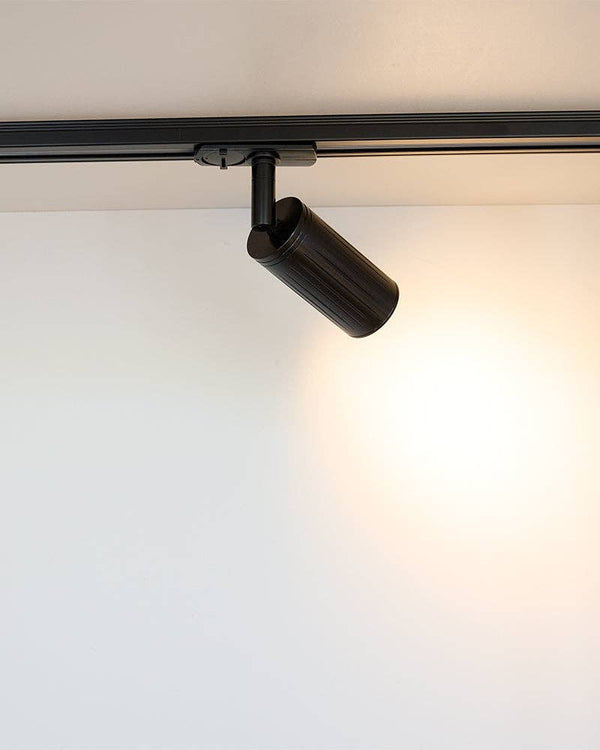
Luminar Track Mount Spotlight — Black
Made in Denmark
4 coloursMatt BlackGU101 lampholderFrom £375In stockView product → -
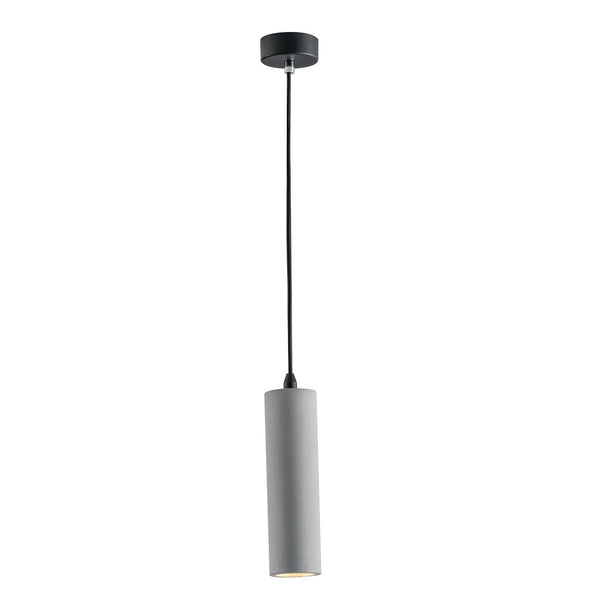
PENDANT LIGHTS
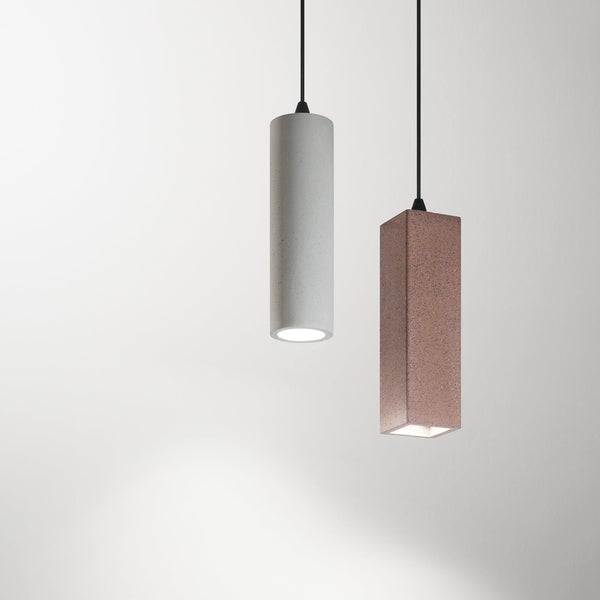
Kruk Concrete Pendant Light — Natural Grey, Tube
2 coloursNatural GreyGU101 lampholder£75In stockView product →

Showing 36 of 67
Buying Guide
Frequently Asked Questions
What are the three types of lighting I need in a kitchen?
A well-lit kitchen requires three layers: ambient lighting (usually ceiling-mounted fixtures or downlights for overall illumination), task lighting (under-cabinet strips or pendants over worktops and islands for food prep), and accent lighting (optional decorative elements like wall lights or plinth lighting). Most kitchen lighting schemes need 300-400 lumens per square metre for general lighting, with task areas requiring 700-800 lumens per square metre.
What height should pendant lights hang over a kitchen island?
Kitchen island pendants should typically hang 70-75cm above the worktop surface, or approximately 150-160cm from the floor for standard-height islands. For longer islands over 2 metres, use multiple pendants spaced 60-80cm apart rather than a single large fixture, ensuring you maintain at least 30cm clearance from the edge of the island to avoid head collisions.
Do I need an electrician to install kitchen lighting or can I DIY?
Under Part P of UK Building Regulations, you can replace existing light fittings yourself on a like-for-like basis, but any new circuits or modifications to kitchen lighting circuits must be installed by a qualified electrician or certified under Building Control. Kitchen lighting also requires IP ratings of at least IP44 within zones near sinks and hobs, and all installation work must comply with BS 7671 wiring regulations.
Can I use smart bulbs and dimmers with all kitchen light fittings?
Most kitchen fittings with standard E27, E14, GU10, or B22 lamp holders are compatible with smart bulbs, but always check the maximum wattage rating on the fixture. If installing dimmer switches, ensure they're compatible with LED bulbs (look for 'trailing edge' or 'LED-compatible' dimmers), and note that you cannot use a dimmer switch with smart bulbs that have built-in dimming functions as this causes flickering and connectivity issues.
What IP rating do I need for lights near the kitchen sink and hob?
Lights installed within 60cm of a kitchen sink or tap require a minimum rating of IP44 (protection against water splashes), whilst lights directly above hobs should be IP20 at minimum but positioned with adequate heat clearance as per manufacturer guidelines. Standard kitchen ceiling lights away from water sources can be IP20, though IP44-rated fittings throughout are recommended in kitchens due to steam and condensation.
How many downlights do I need for a 4x3 metre kitchen?
For a 12 square metre kitchen, you'll typically need 6-8 downlights (approximately one per 1.5-2 square metres) with each producing 400-600 lumens if using them as the sole ambient lighting. Space them evenly in a grid pattern approximately 1-1.5 metres apart, keeping at least 60cm away from walls and cupboards, and ensure they're fire-rated if your kitchen ceiling is below another floor.
Should I choose warm or cool white bulbs for kitchen lighting?
Most kitchens benefit from layering different colour temperatures: 4000K cool white (neutral) for task lighting over worktops and islands where you need clarity for food preparation, and 2700-3000K warm white for ambient and dining areas to create a more inviting atmosphere. Alternatively, use tuneable white smart bulbs that allow you to adjust the colour temperature throughout the day, ranging from energising 4000K during cooking to relaxing 2700K for evening meals.