
Shop by Type · Indoor Lighting
Ceiling Lights
Flush, semi-flush, and decorative ceiling fittings for living rooms, kitchens, hallways and bedrooms. The pieces in this edit do the unglamorous, essential job — they fill a room with light without dominating it, and quietly hold the rest of the lighting together.
Filters
42 items
Sort Best selling
-
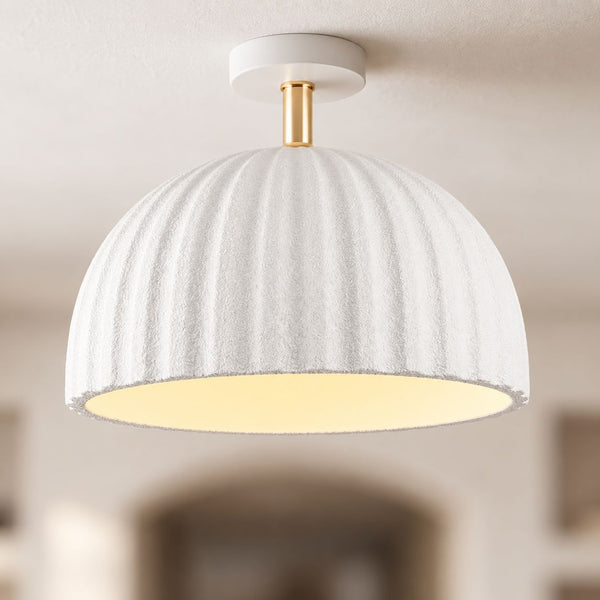
CEILING LIGHTS
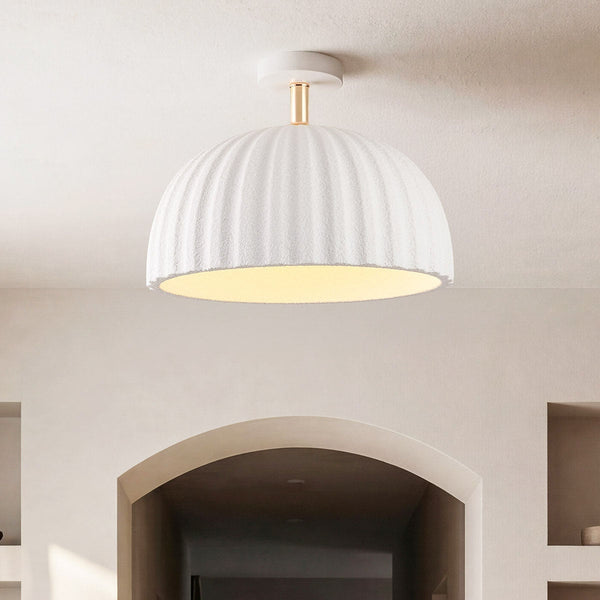
Riba Ribbed Ceiling Light — White, 40 cm
WhiteE271 lampholder£115In stockView product → -
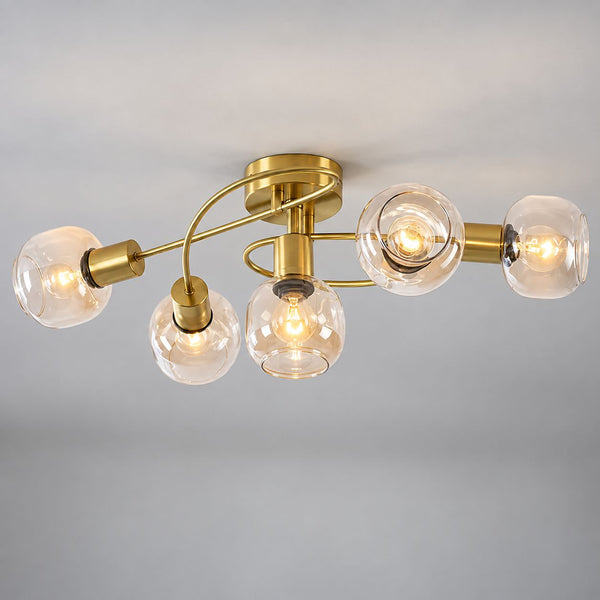
CEILING LIGHTS
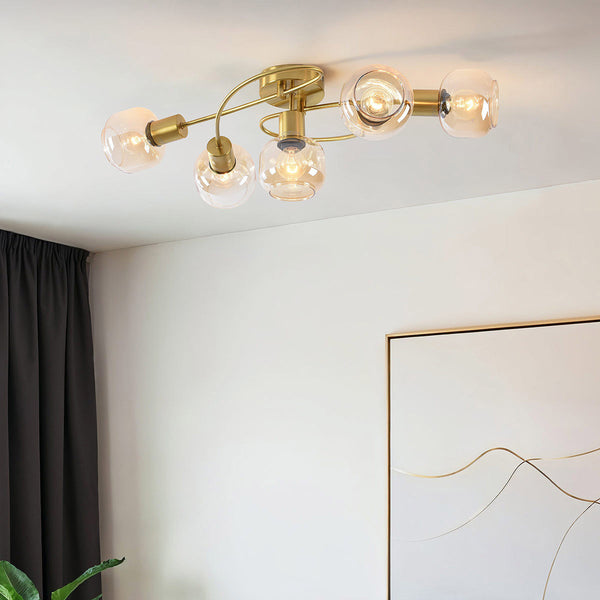
Aurum Five-Light Ceiling Light — Gold & Amber Glass
GoldE14 SES5 lampholders£130In stockView product → -
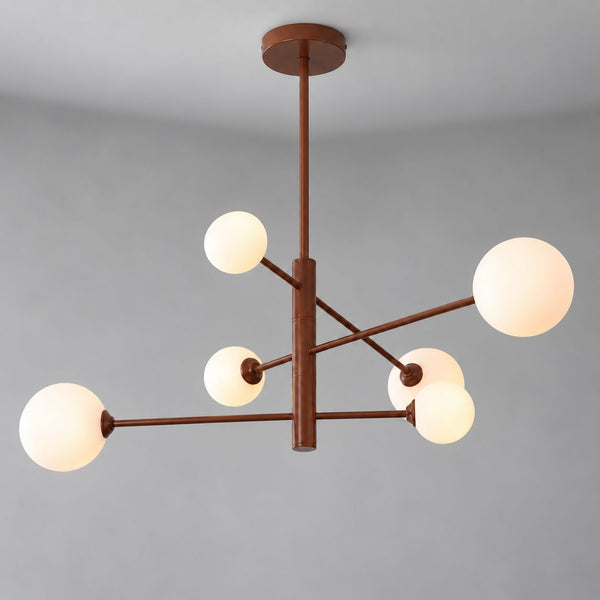
CEILING LIGHTS
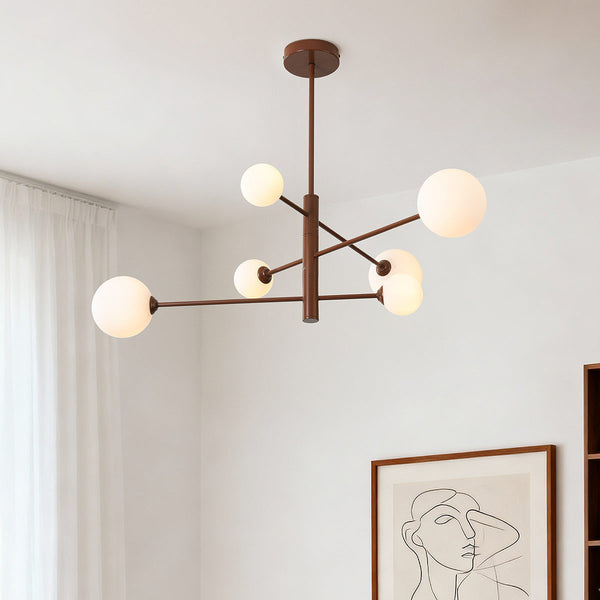
Sesto Six-Light Ceiling Light — Brown & Opal Glass
Brown with opal white glassG96 lampholders£130In stockView product → -
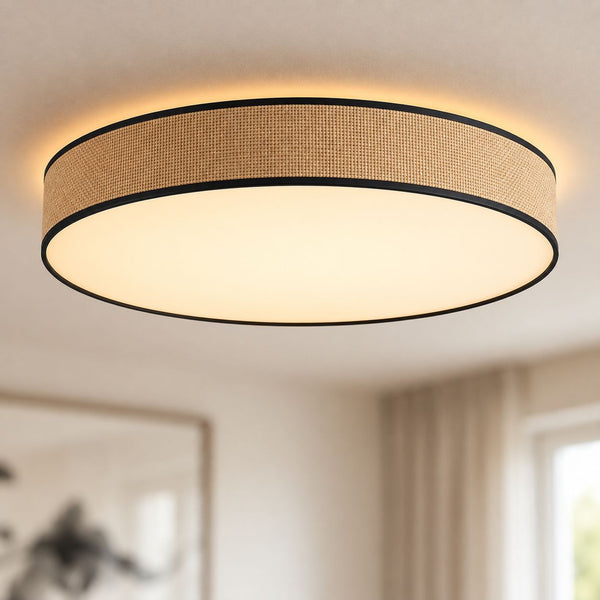
CEILING LIGHTS
Seto Woven Seagrass LED Ceiling Light — Natural & Black, 50 cm
Natural and blackIntegrated LED£115In stockView product → -

CEILING LIGHTS
Hana Fabric Ceiling Light — Beige, 3 Lights
BeigeE273 lampholders£160In stockView product → -
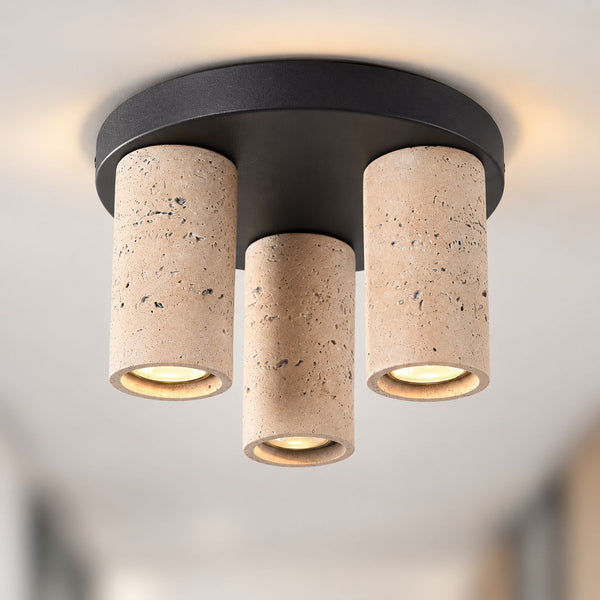
CEILING LIGHTS
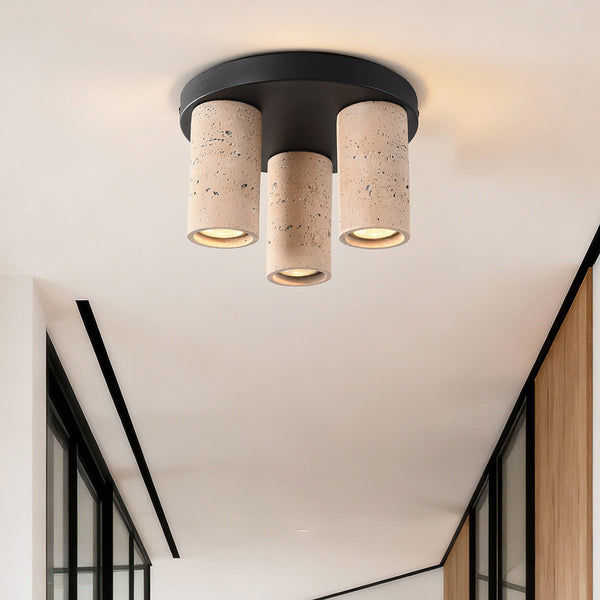
Tavo Triple Spot Ceiling Light — Travertine Look
Black with beigeGU103 lampholders£95In stockView product → -
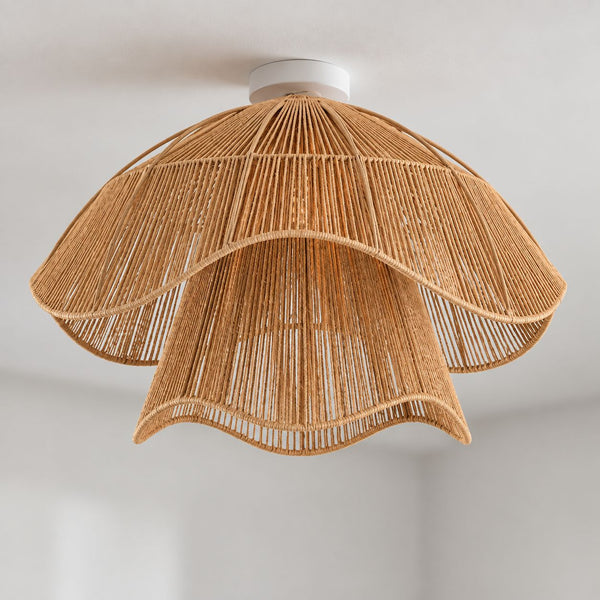
CEILING LIGHTS
Ravel Woven Paper Cord Ceiling Light — White & Natural
White with natural brownE271 lampholder£130In stockView product → -

CEILING LIGHTS
Ludo Wood & Opal Glass Ceiling Light — Light Wood
Light brownG91 lampholder£110In stockView product → -

CEILING LIGHTS
Amaro Fabric Ceiling Light — Light Beige, 50 cm
2 coloursLight beigeE271 lampholder£160In stockView product → -

CEILING LIGHTS
Amaro Fabric Ceiling Light — Terracotta Pink, 50 cm
2 coloursTerracotta pink with copper-coloured detailsE271 lampholder£160In stockView product → -
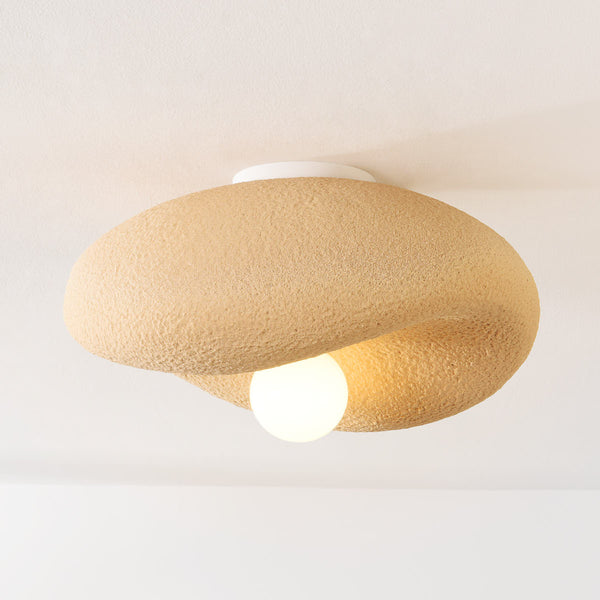
CEILING LIGHTS
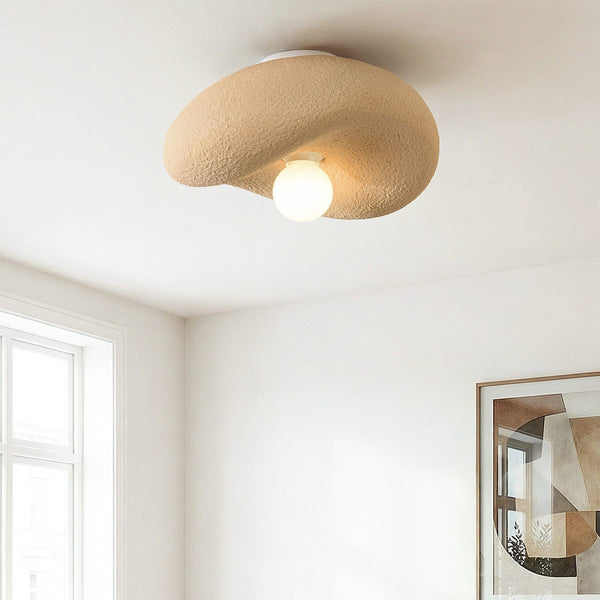
Kaia Curved Stone-Effect Ceiling Light — Light Caramel, 41 cm
2 coloursLight caramelE271 lampholderFrom £115In stockView product → -
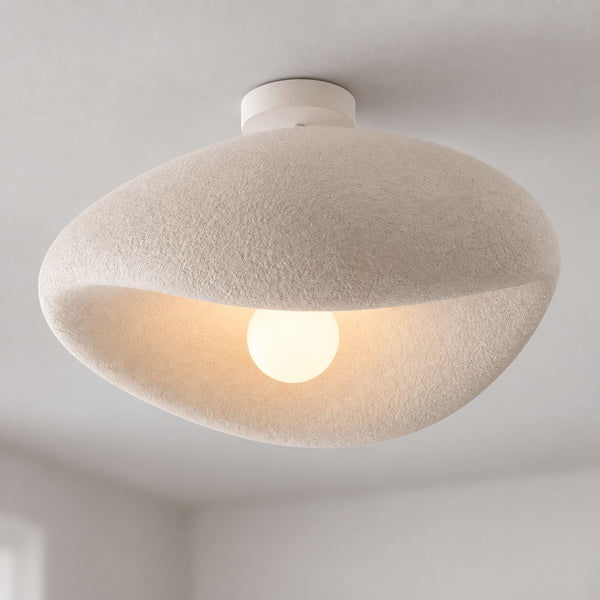
CEILING LIGHTS
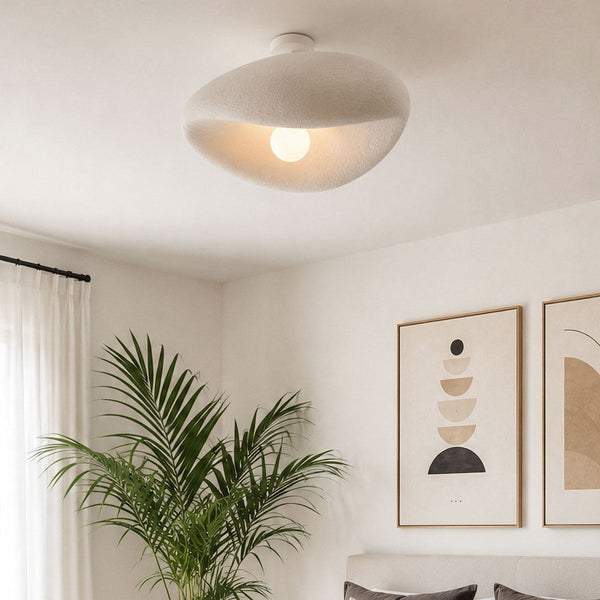
Kaia Curved Stone-Effect Ceiling Light — White, 60 cm
2 coloursWhiteE271 lampholderFrom £115In stockView product →




Showing 24 of 42
Buying Guide