
Shop by Room
Dining Room Lighting
Statement pendants and chandeliers that anchor the dining table. Sized and shaped to gather a room around.
Filters
109 items
Sort Most relevant
-
2 sizes
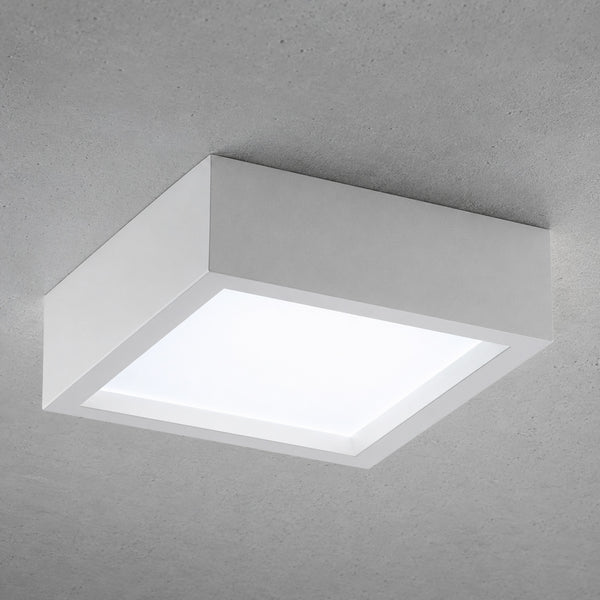
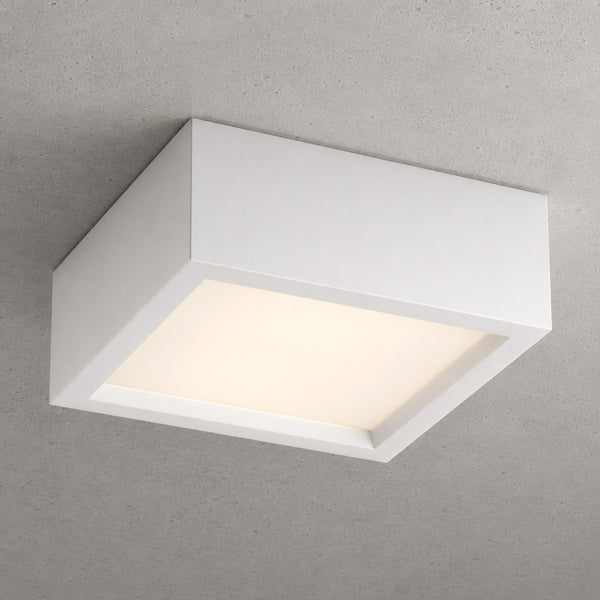
CEILING LIGHTS
Gabriel Ceiling Light — Paintable White Plaster
Paintable WhiteE27 ES2 lampholdersFrom £65In stockView product → -
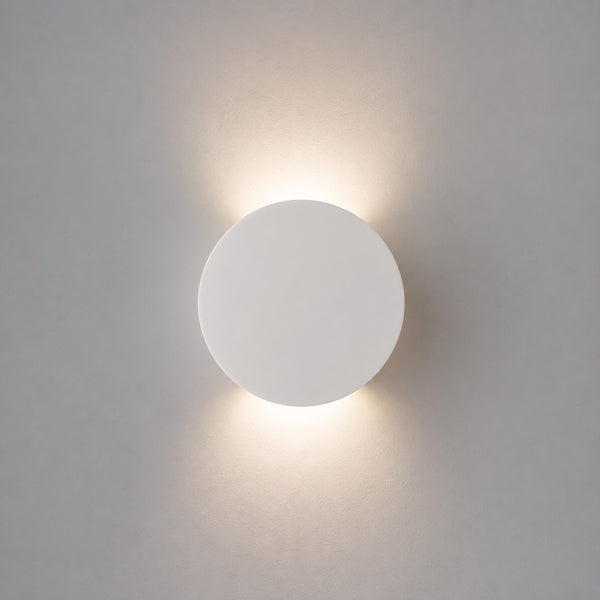
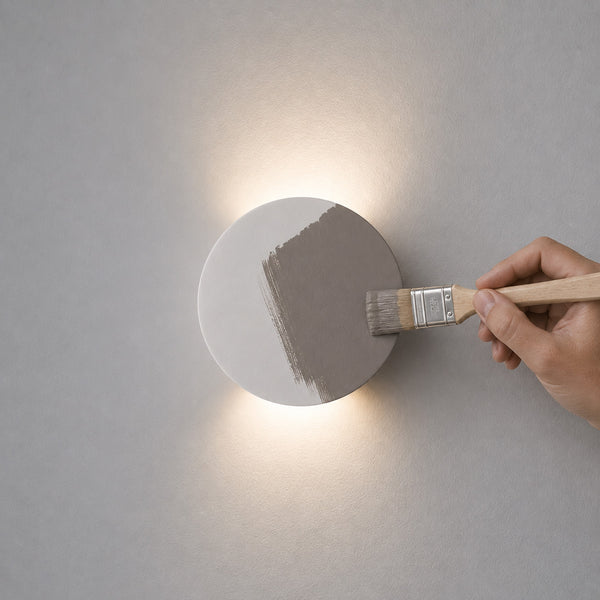
WALL LIGHTS
Leiron Round Wall Light — Paintable White Plaster, Up & Down
Paintable WhiteG91 lampholder£45In stockView product → -
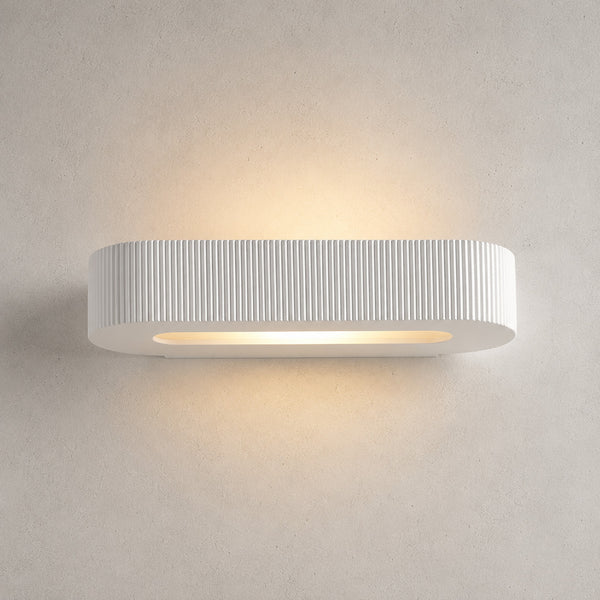
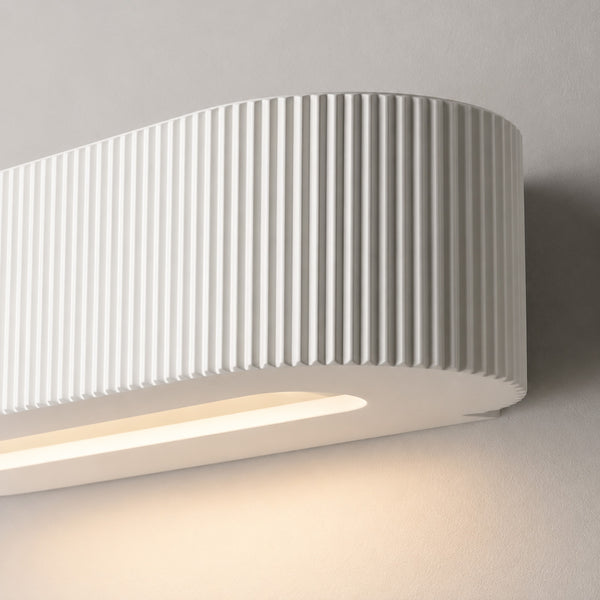
WALL LIGHTS
Bellona Ribbed Plaster Wall Light — Paintable White
Paintable WhiteE14 SES2 lampholders£65In stockView product → -
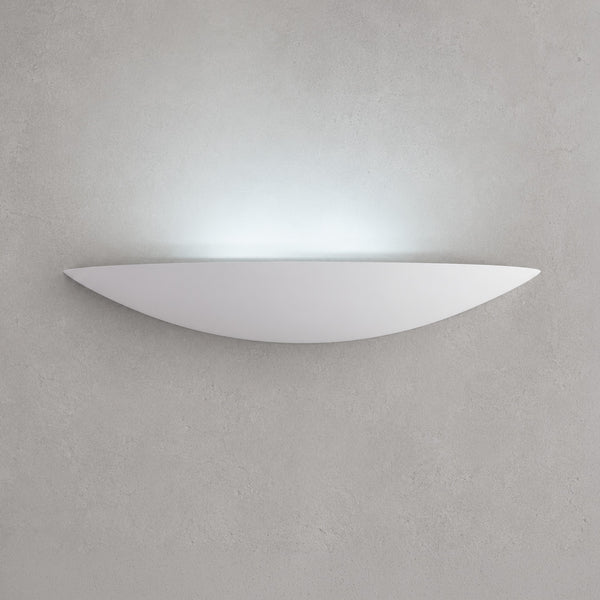
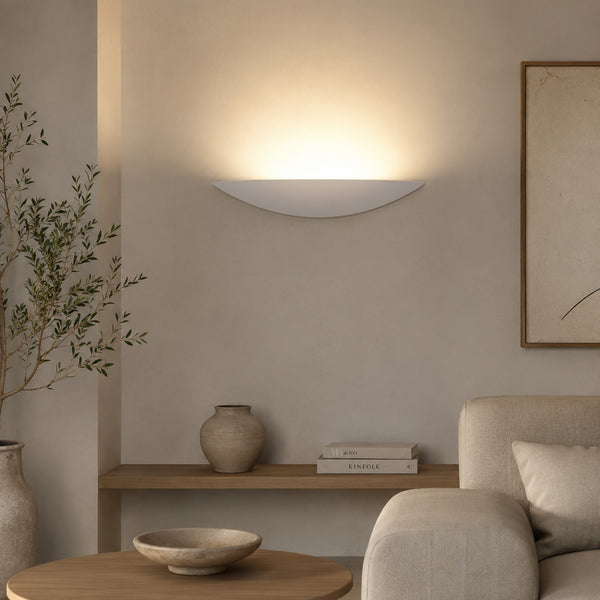
WALL LIGHTS
Livigno Wall Light — Paintable White Plaster, Uplight
3 coloursPaintable WhiteG92 lampholdersFrom £50In stockView product → -
2 sizes
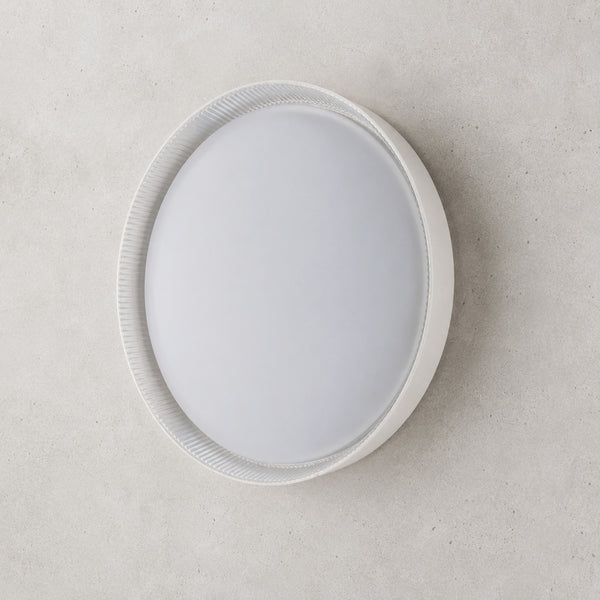
CEILING LIGHTS
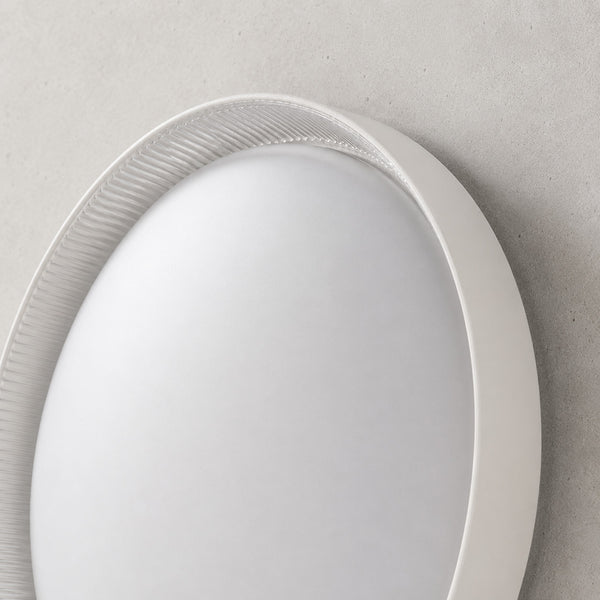
Kaos LED Ceiling / Wall Light — White, Colour Temperature Switch
Satin WhiteIntegrated LED1 lampholderFrom £80In stockView product → -
Signature Signature Made or designed by Europe’s independent ateliers — small runs, real materials, hand-finished. The top of the Enso range.
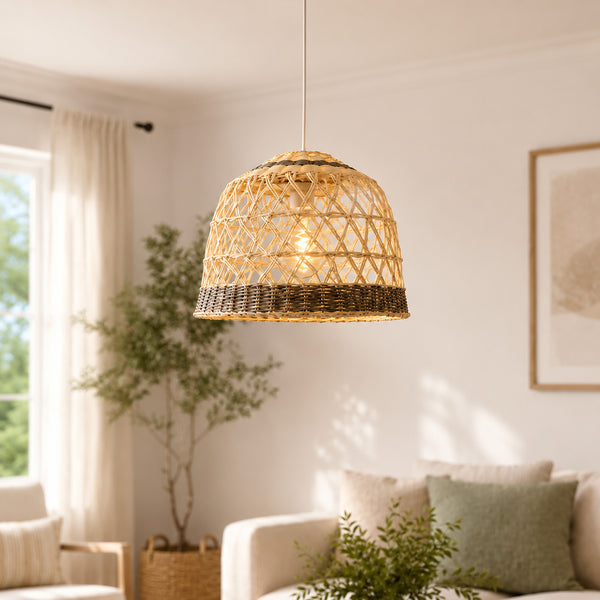
PENDANT LIGHTS
Aranne Two-Tone Rattan Pendant Light — Natural & Brown, 35cm
Designed in France
NaturalE27 ES1 lampholder£55In stockView product → -
Signature Signature Made or designed by Europe’s independent ateliers — small runs, real materials, hand-finished. The top of the Enso range.
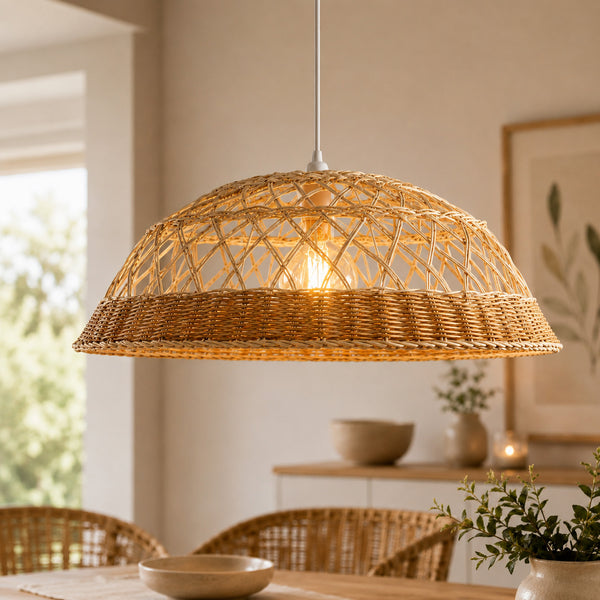
PENDANT LIGHTS
Saranne Two-Tone Rattan Pendant Light — Natural & Brown, 57cm
Designed in France
NaturalE27 ES1 lampholder£80In stockView product → -
Signature Signature Made or designed by Europe’s independent ateliers — small runs, real materials, hand-finished. The top of the Enso range.
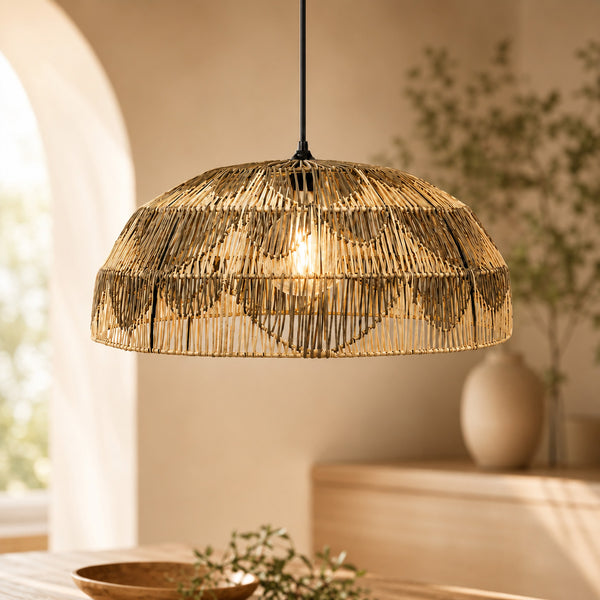
PENDANT LIGHTS
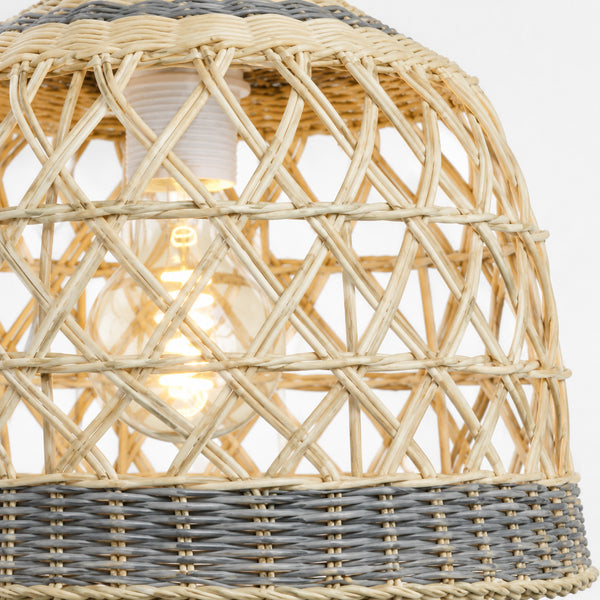
Alpa Two-Tone Rattan Dome Pendant — Natural & Charcoal, 66cm
Designed in France
NaturalE27 ES1 lampholder£155In stockView product → -
Signature Signature Made or designed by Europe’s independent ateliers — small runs, real materials, hand-finished. The top of the Enso range.
PENDANT LIGHTS
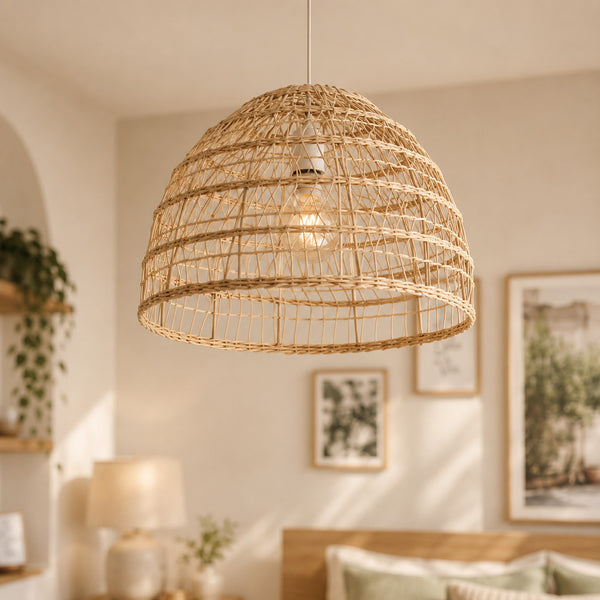
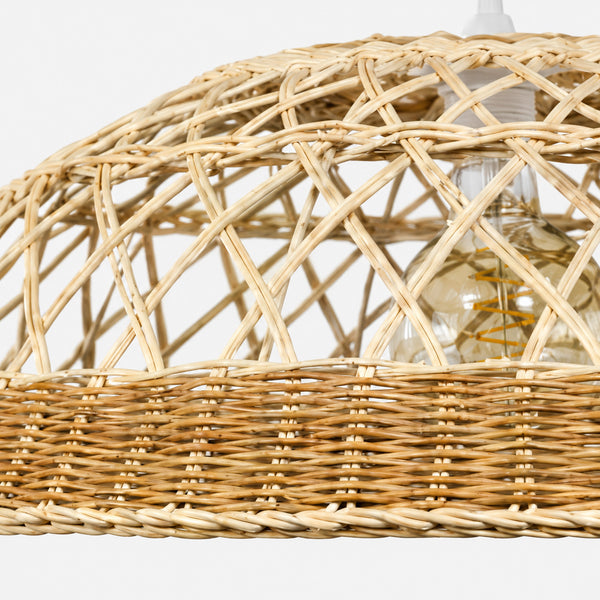
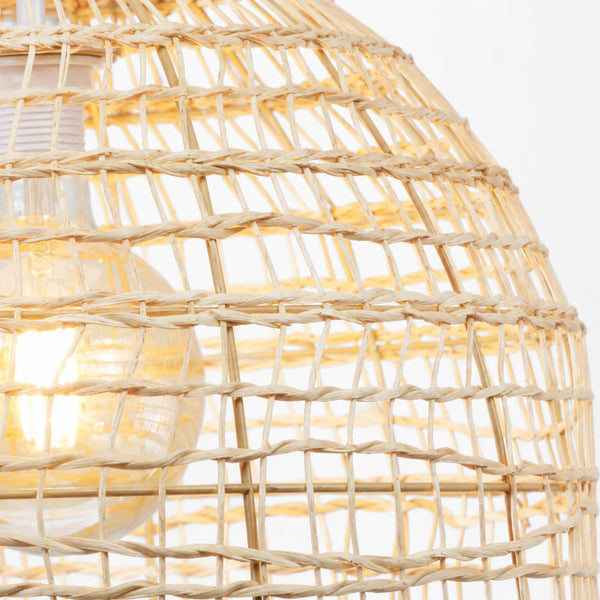
Tuzo Rattan & Metal Pendant Light — Natural Woven, 45cm
Designed in France
NaturalE27 ES1 lampholder£80In stockView product → -
Signature Signature Made or designed by Europe’s independent ateliers — small runs, real materials, hand-finished. The top of the Enso range.
PENDANT LIGHTS
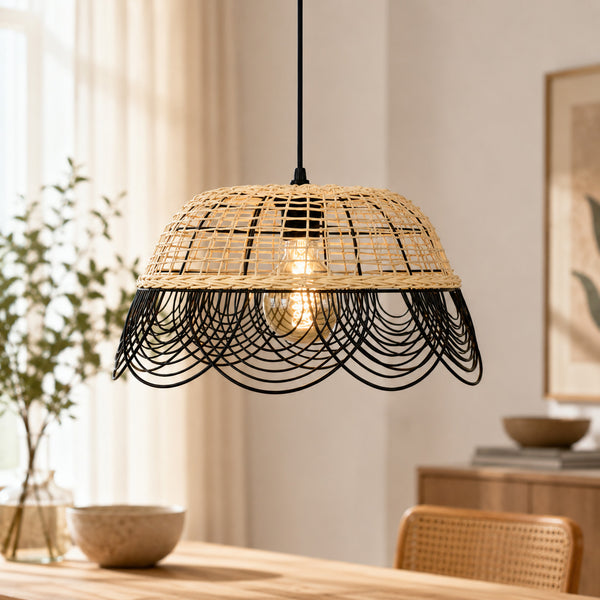
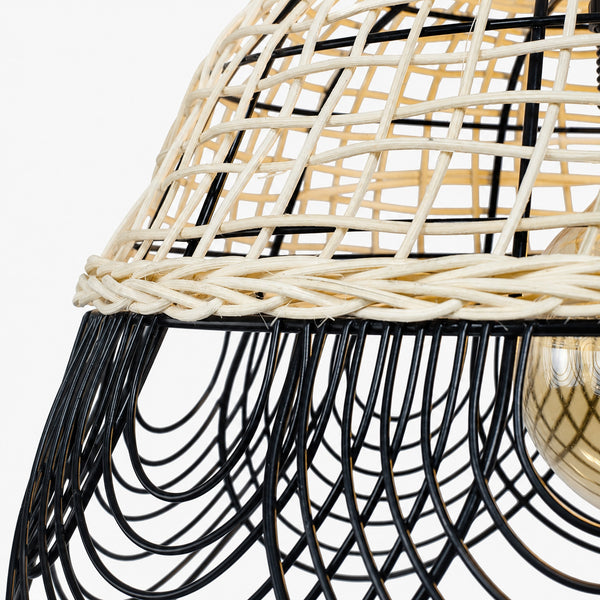
Vitang Rattan & Black Metal Pendant — Two-Tone Petal, 41cm
Designed in France
NaturalE27 ES1 lampholder£75In stockView product → -
Signature Signature Made or designed by Europe’s independent ateliers — small runs, real materials, hand-finished. The top of the Enso range. 2 sizes
PENDANT LIGHTS
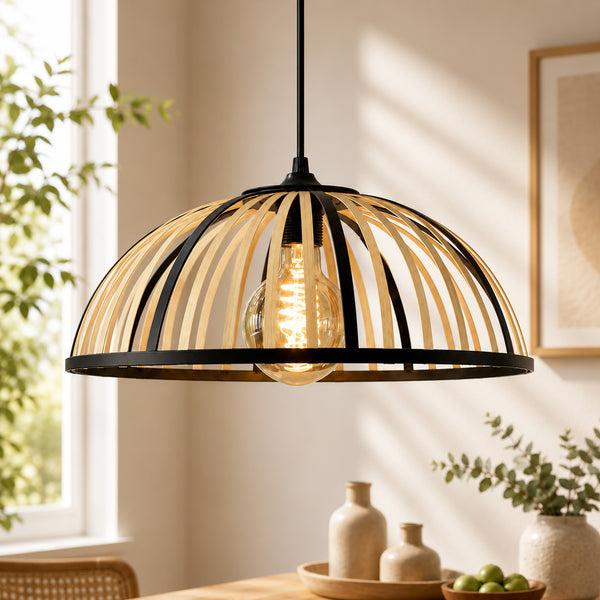
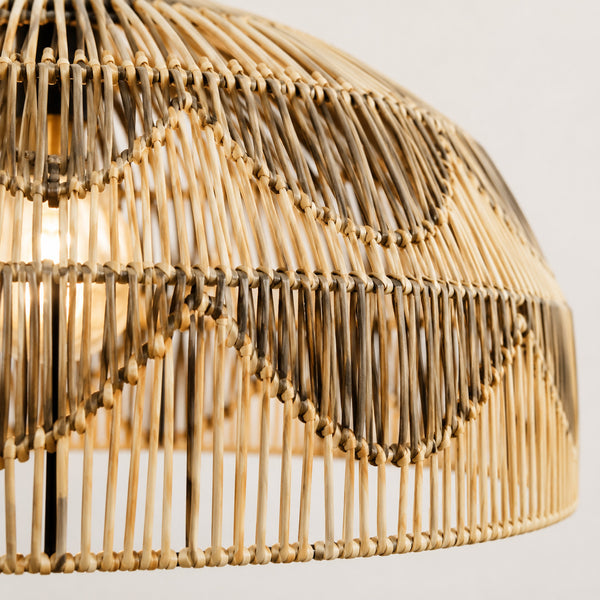
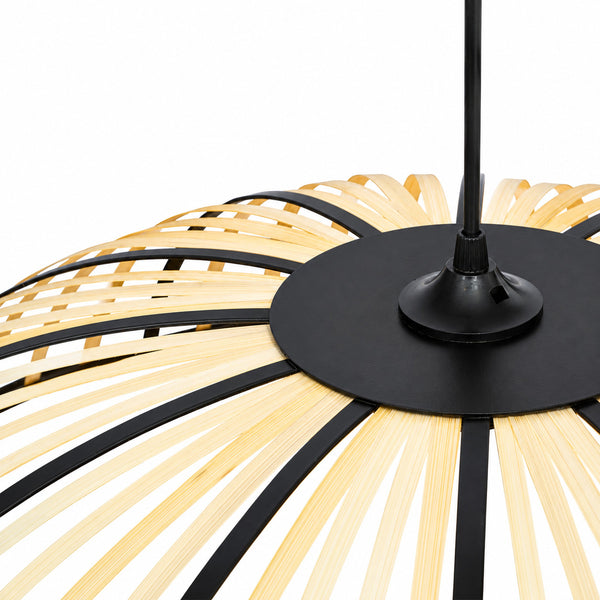
Perna Bamboo & Black Metal Pendant — Natural Slat
Designed in France
NaturalE27 ES1 lampholderFrom £55In stockView product → -
Signature Signature Made or designed by Europe’s independent ateliers — small runs, real materials, hand-finished. The top of the Enso range.
PENDANT LIGHTS
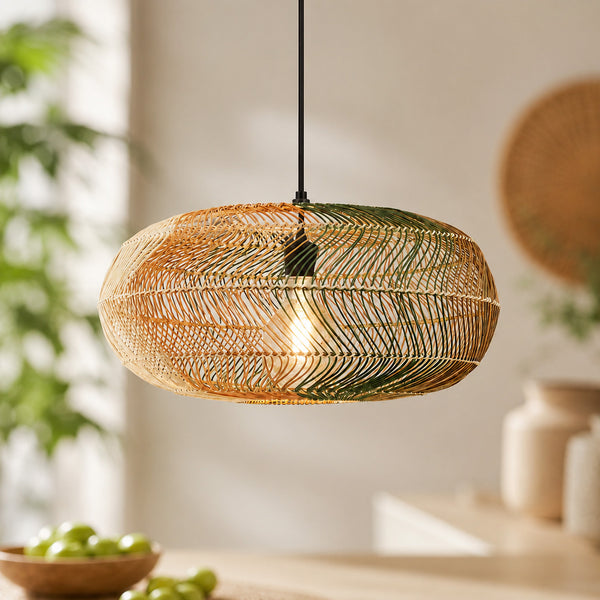
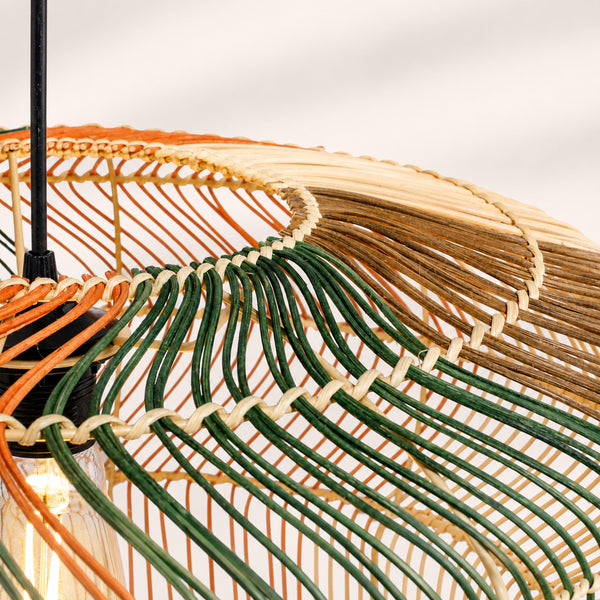
Rosco XXL Woven Rattan Pendant Light — Multi-Colour, 58cm
Designed in France
Multi-ColourE27 ES1 lampholder£125In stockView product →
Showing 72 of 109
Buying Guide
Frequently Asked Questions
What height should a pendant light hang over a dining table?
The bottom of your pendant should hang 75-85cm above the table surface for a standard 75cm high dining table. For higher tables or bar-height dining areas, maintain roughly 75cm clearance from tabletop to fixture. If you have particularly tall family members or low ceilings, err towards 85cm to avoid head collisions when standing.
Do I need an electrician to install dining room lighting in the UK?
Under Part P Building Regulations, simple like-for-like replacements don't require notification, but new circuits or bathroom lighting must be installed by a qualified electrician or self-certified. Most dining room pendant or chandelier replacements using an existing BESA box or ceiling rose are DIY-friendly if you're competent, but always isolate at the consumer unit first. If you're adding dimmers, multiple circuits, or moving the ceiling position, use a registered electrician.
Can I use smart bulbs with dining room dimmer switches?
You should not use smart bulbs with traditional trailing-edge or leading-edge dimmer switches, as this causes flickering, buzzing, or damage to the bulb. Either remove the dimmer and fit a standard switch (controlling brightness via the smart bulb app), or install a smart dimmer switch specifically designed for LED compatibility. Most E27 and E14 smart bulbs work perfectly with standard on/off switches.
How many pendants do I need over a rectangular dining table?
For tables up to 150cm long, a single statement pendant (40-60cm diameter) centred works well. Tables 150-200cm suit either one large fixture or two pendants spaced evenly, whilst tables over 200cm look best with three pendants or a linear bar fixture. As a rule, the combined width of your pendants should be roughly half to two-thirds the width of your table.
Should dining room lighting be on its own circuit?
Dining room lighting typically shares a lighting circuit with adjacent rooms on a standard 6A breaker, which is perfectly adequate for LED fixtures. You don't need a dedicated circuit unless you're installing unusually large chandeliers with many bulbs or integrating the lighting with a whole-home automation system. Ensure your circuit isn't overloaded—modern LED dining lights draw minimal power compared to older halogen or incandescent fittings.
What colour temperature works best for dining room lighting?
Warm white (2700K-3000K) is ideal for dining rooms as it creates an inviting, flattering atmosphere for both everyday meals and entertaining. Avoid cool white (4000K+) which feels clinical and unflattering to food and skin tones. If you want flexibility, choose dimmable bulbs or smart bulbs with adjustable colour temperature so you can have brighter light for family homework sessions and softer ambience for dinner parties.
Do I need additional lighting beyond a central pendant in a dining room?
While a statement pendant or chandelier provides ambient light over the table, layering with wall lights, a floor lamp in the corner, or LED strip under a sideboard improves functionality and atmosphere. This layered approach lets you illuminate the whole room when needed whilst keeping focus on the dining table during meals. Separate circuits or lamps on different switches give you much better control than relying on a single central fixture.